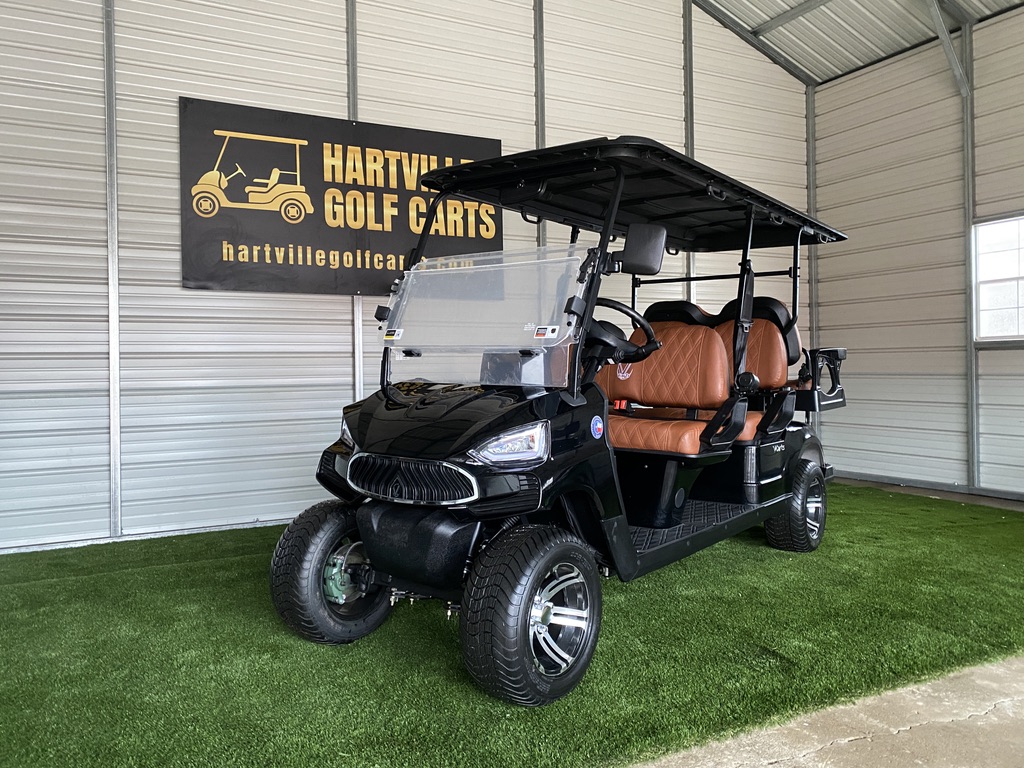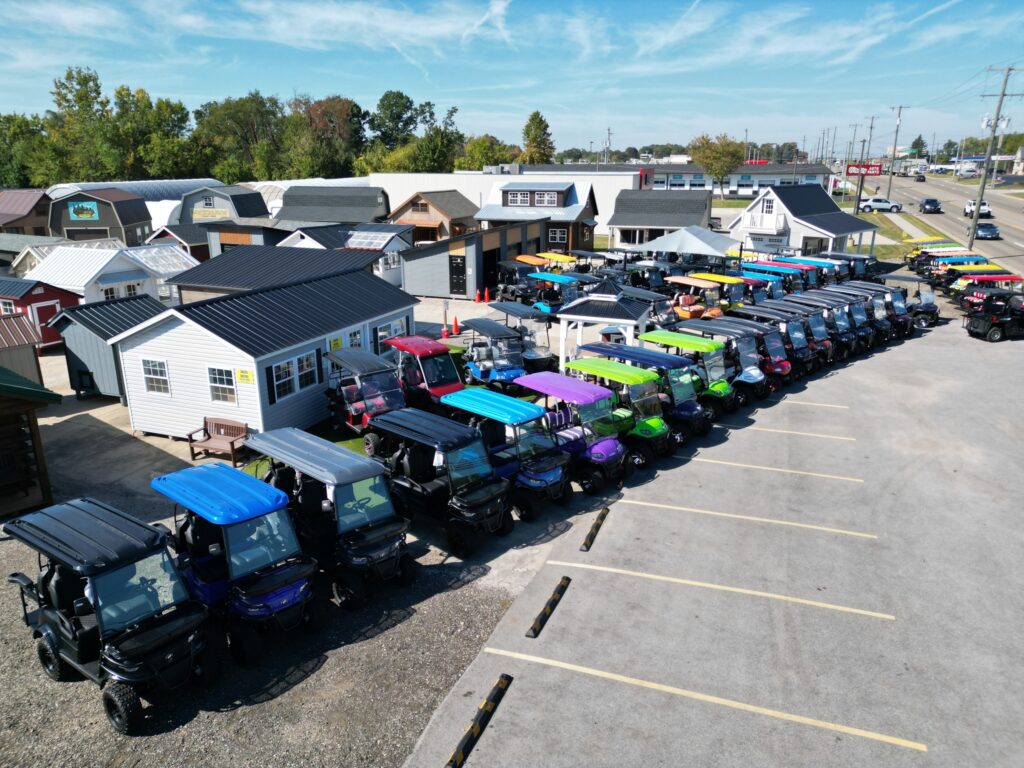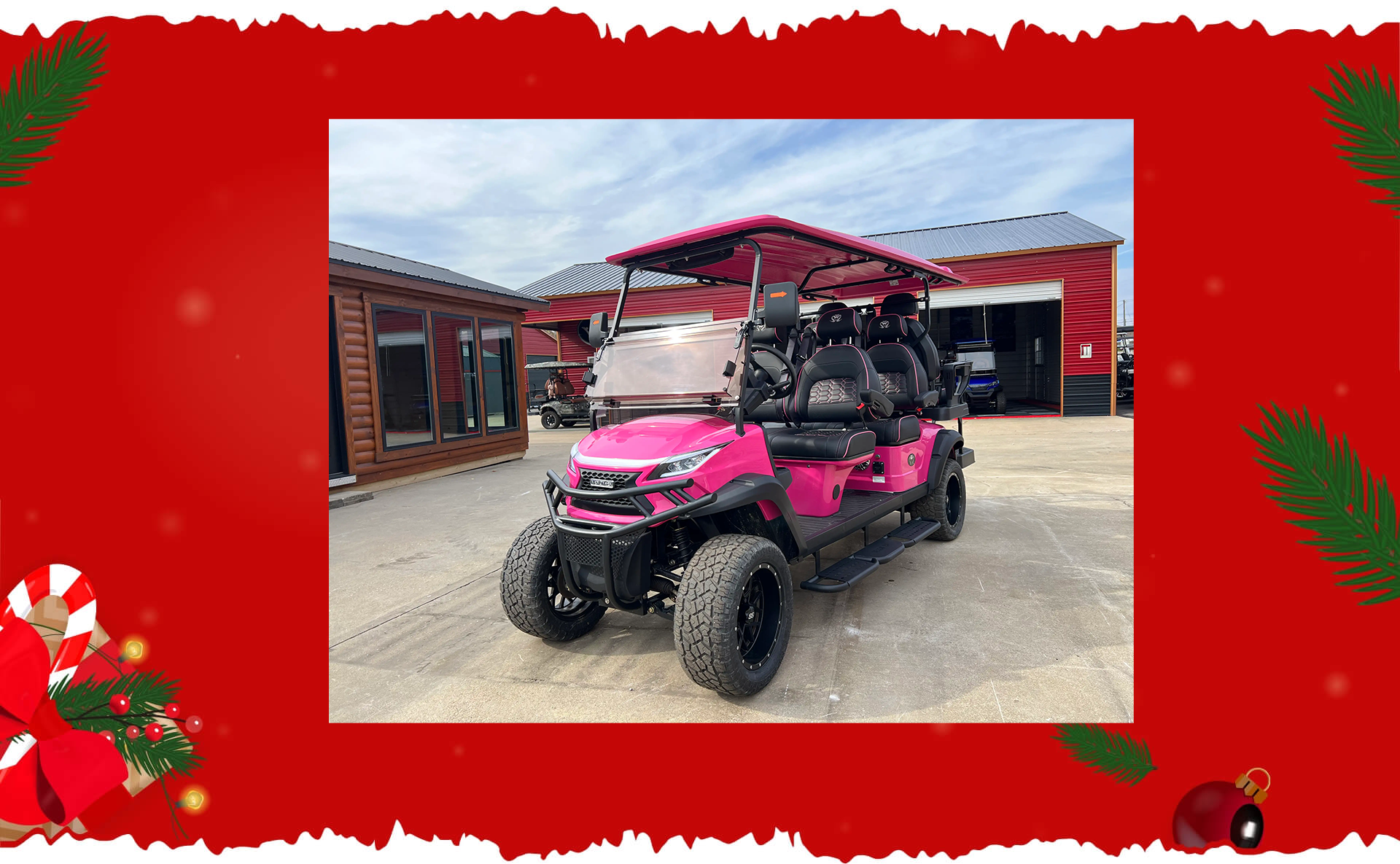

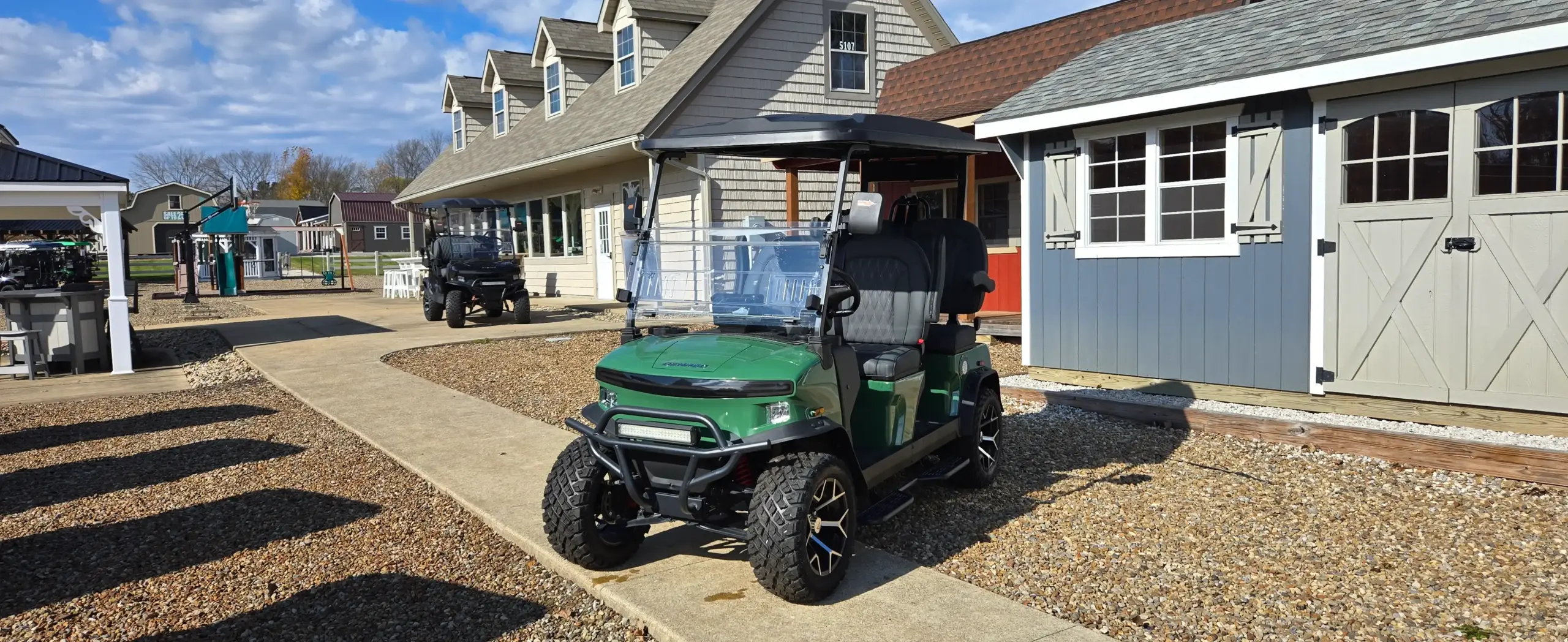
The choice between gas and electric golf carts is one of the most common decisions buyers face today. Both options offer benefits, and both can fit a wide range of lifestyles and uses. Some owners want a cart for simple neighborhood riding, while others want something suitable for golf courses, campgrounds, large properties, or recreational adventures. Understanding how gas and electric carts differ helps buyers make a confident purchase that matches their expectations, comfort level, and long term plans.
Shopping for a golf cart has become more involved as technology has improved. Electric carts now provide smoother acceleration and more efficient power, while gas carts continue to offer impressive strength and longer travel range. The right choice depends on the environment, driving habits, and personal preference. Many people are surprised by how much these two cart types have evolved, which is why taking the time to compare them is such a helpful part of the buying process. For more cart options and models, you can explore inventory through the Hartville Golf Carts homepage.
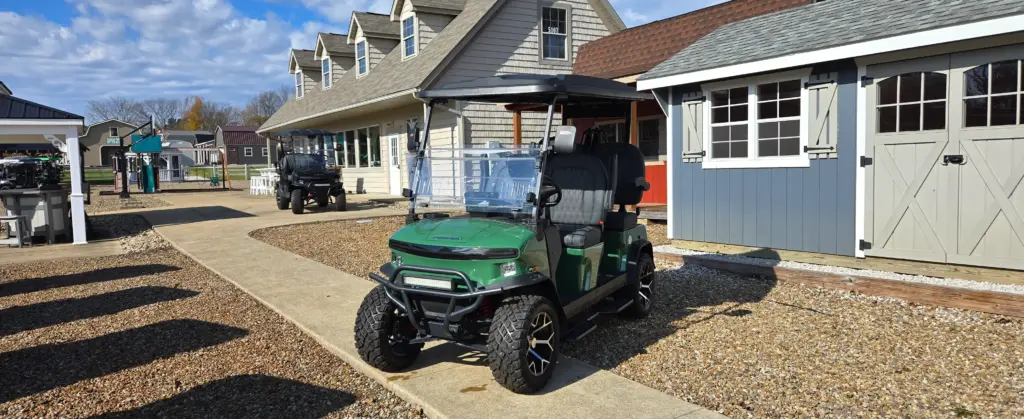
Understanding the Basics of Gas and Electric Golf Carts
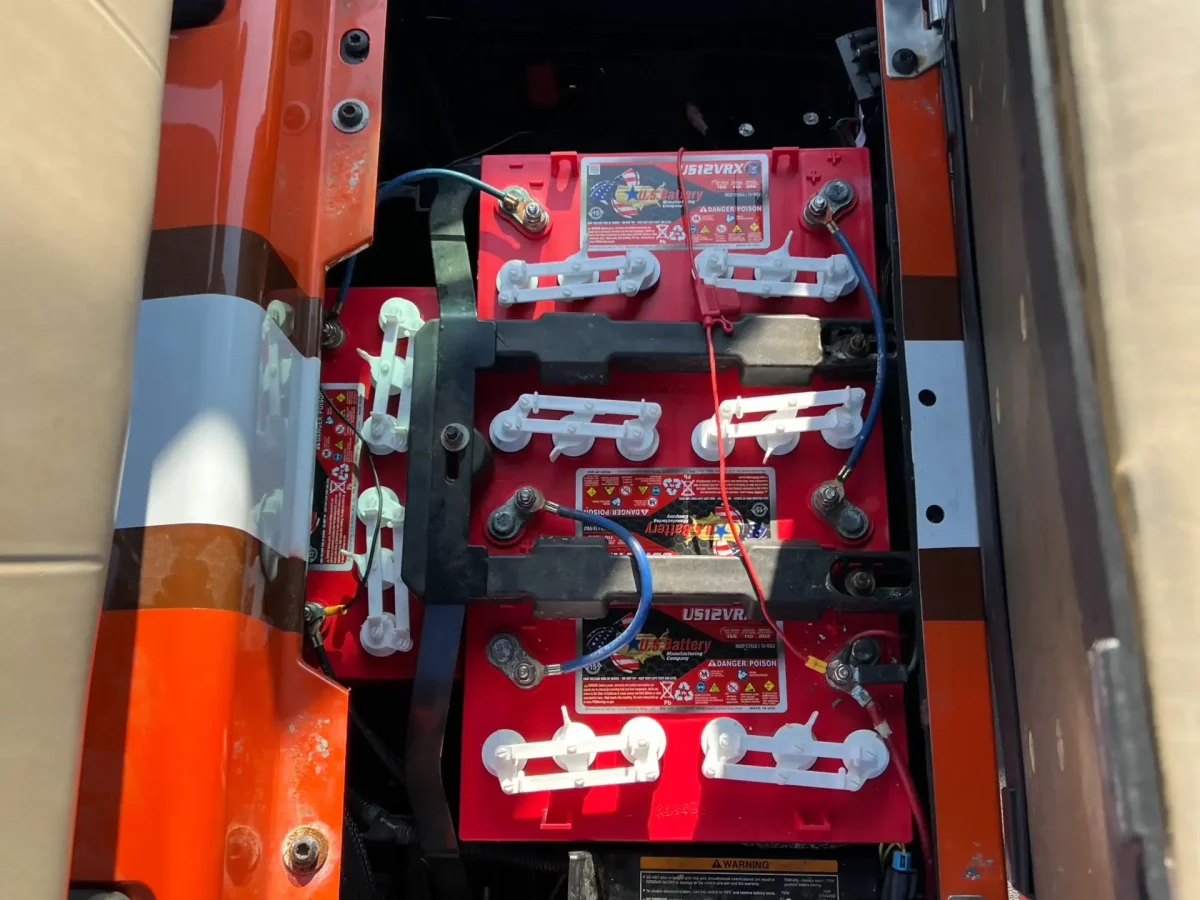
Gas golf carts use small combustion engines that run on gasoline. They operate much like a compact utility vehicle and are known for their strength and ability to handle heavy loads. Electric carts use deep cycle batteries that power an electric motor. They operate more quietly and require less mechanical maintenance over time. While both designs are reliable, each appeals to a different type of owner. A general understanding of how these systems work can make the comparison easier to understand.
Gas Golf Carts: What They Offer
Gas golf carts have a reputation for strength and endurance. Their engines provide steady torque, making them ideal for hilly terrain and large properties. These carts can travel long distances without stopping to recharge, which is an important advantage for users who rely on their cart daily. They also refuel quickly, allowing owners to continue driving with minimal downtime. Many commercial sites and campgrounds prefer gas carts because they perform well under frequent use and heavy loading. You can find a variety of carts designed for neighborhood and recreational purposes through the Hartville Golf Carts contact page.
Electric Golf Carts: What Makes Them Appealing
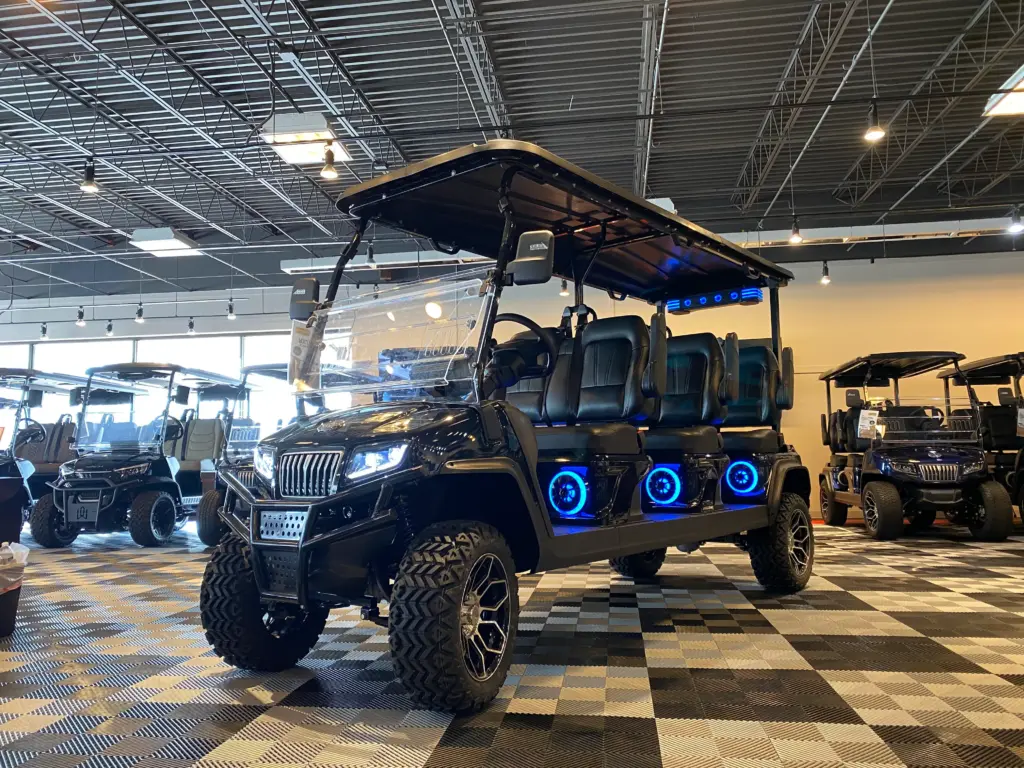
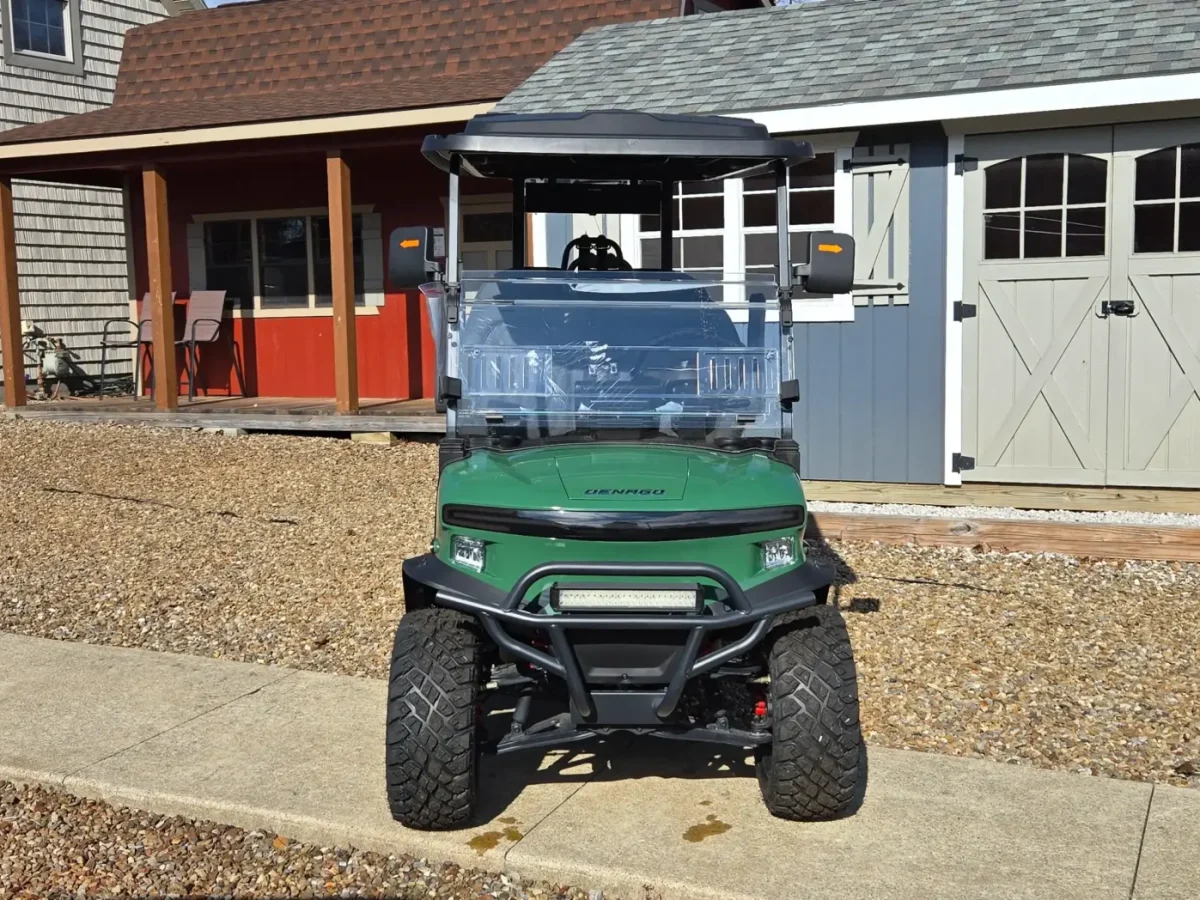
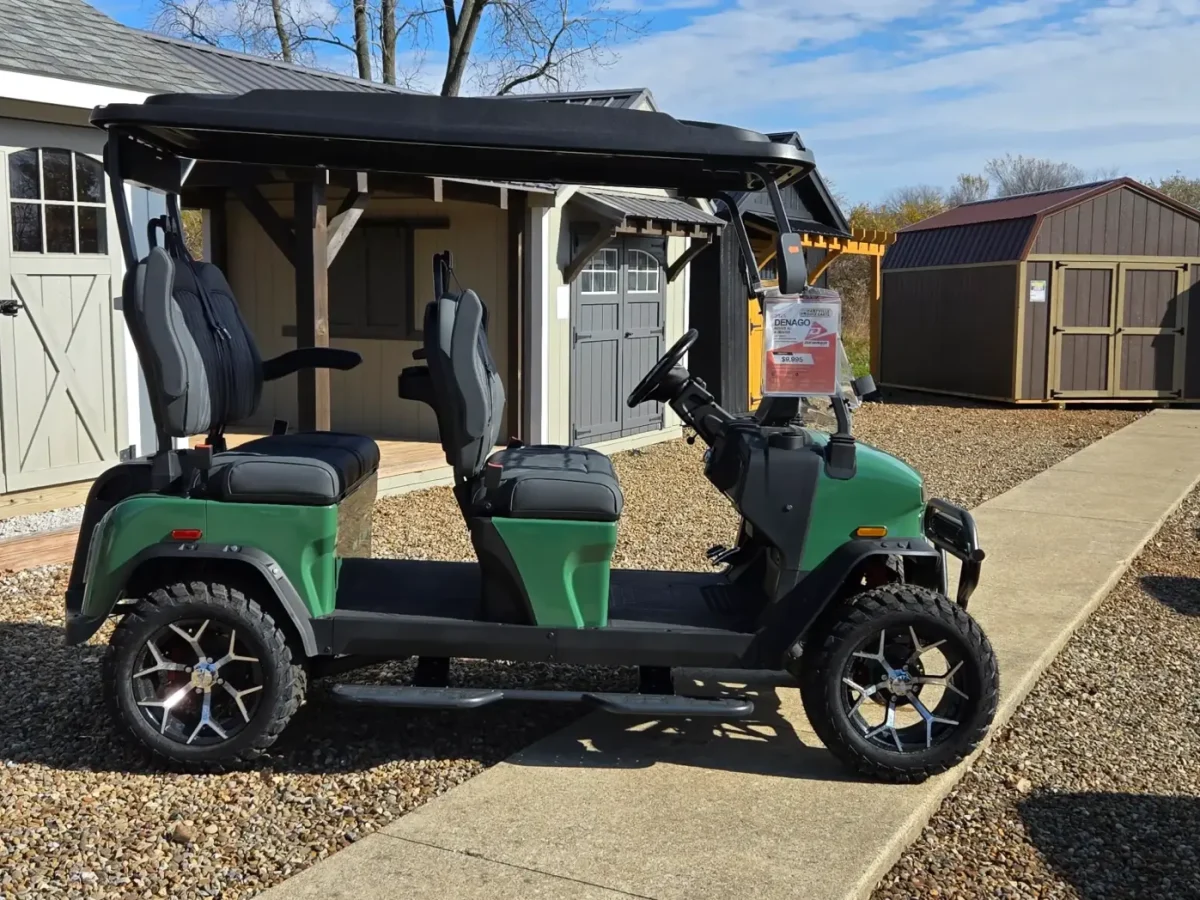
Electric golf carts have become increasingly popular in residential neighborhoods and golf communities. They offer quiet operation, smooth acceleration, and lower daily maintenance needs. Electric motors respond instantly, creating a light and steady driving experience. Since they produce no exhaust fumes, they are ideal for areas that prioritize clean air and quiet environments. Owners appreciate the simplicity of plugging in the cart after use, especially when their driving habits involve predictable daily routes. The Denago Rover XL is one example of a modern electric cart built for convenience and comfort. You can view it through the Denago Rover XL listing.
Comparing Ease of Ownership
Ease of ownership is a major part of choosing the right golf cart. Gas carts require oil changes, filter replacements, spark plugs, and other routine engine maintenance. Electric carts have fewer moving parts and do not require engine servicing. Their main upkeep involves caring for the batteries, checking water levels in lead acid models, and following proper charging habits. For many beginners, electric carts feel easier to learn and maintain. For owners who enjoy mechanical upkeep or need more power, gas carts offer a familiar maintenance style similar to other small vehicles.
Driving Range and Daily Use
One of the biggest differences between gas and electric carts is driving range. Gas carts can travel longer distances without stopping, which is useful for farm work, large properties, or long outdoor adventures. Electric carts typically have a range of fifteen to twenty miles depending on battery type, terrain, and passenger load. Lithium battery systems extend this range significantly, making electric carts more competitive than ever. Owners who drive in predictable patterns or short casual routes usually find electric range perfectly suitable. Those who explore larger areas may prefer the flexibility of a gas powered cart.
Environmental Considerations
Electric golf carts are considered more environmentally friendly because they produce no emissions during operation. This makes them popular in residential neighborhoods, gated communities, and nature based properties. Gas carts produce emissions, although modern models are more efficient than older designs. People who want a quieter and cleaner ride often lean toward electric. Those who need more rugged performance in varied environments may choose gas despite the environmental factors. Understanding these differences helps new buyers choose a cart that fits their values and daily needs.
Strength and Hill Climbing Ability
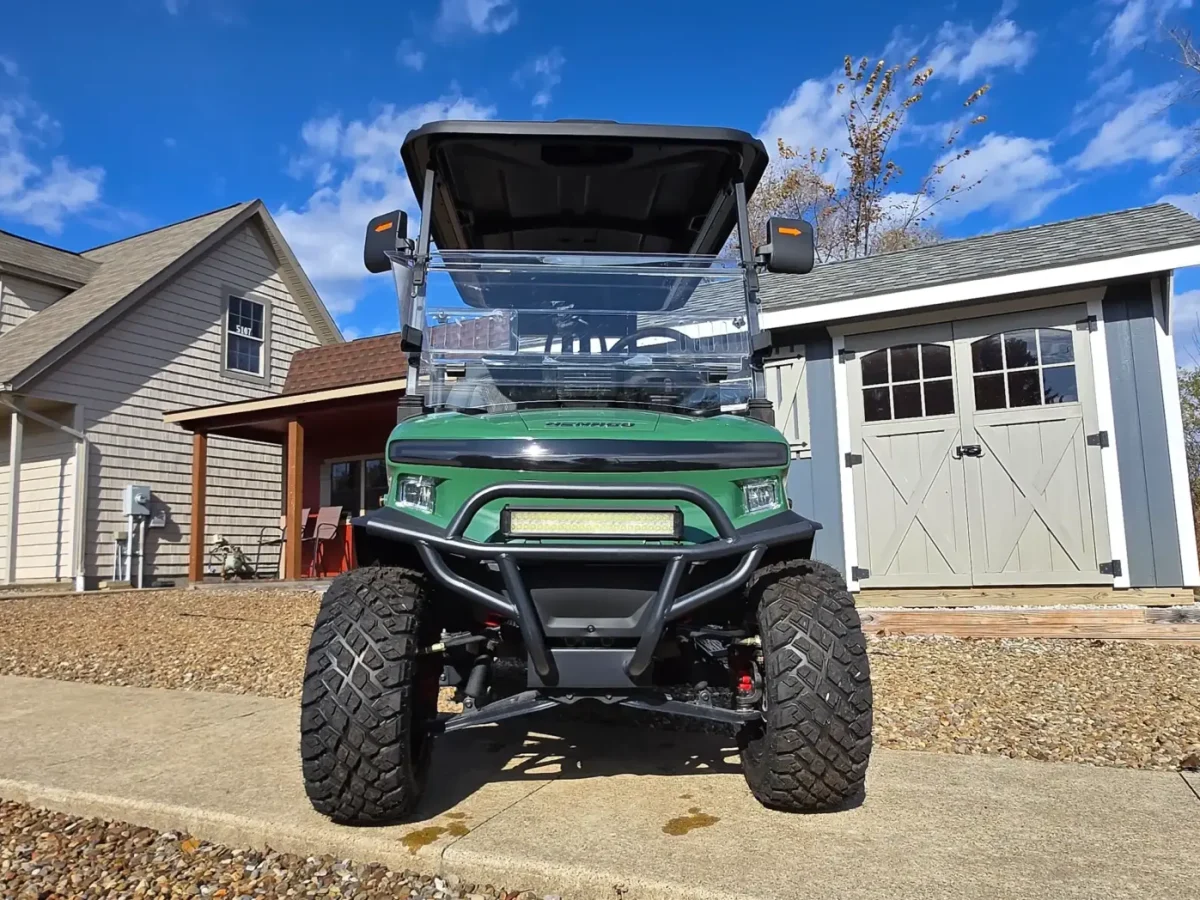
Gas carts have long been known for their strength when climbing hills or carrying multiple passengers. Their engines provide steady power that does not fade until the fuel runs low. Electric carts can also climb hills, but lead acid battery performance drops as voltage decreases. Lithium powered electric carts solve many of these issues, delivering strong and consistent torque throughout the charge cycle. Still, for areas with steep slopes or loose terrain, gas carts remain the more predictable performer. For flatter communities or golf courses, electric carts perform exceptionally well.
Noise Levels and Comfort
Noise is an important factor for many owners. Gas carts produce sound similar to lawn equipment or small utility engines. While not excessively loud, they are noticeable in quiet communities. Electric carts are significantly quieter, creating a smoother and more peaceful ride. For neighborhood cruising or evening drives, this makes a noticeable difference. Many homeowners and families prefer electric for this reason, especially if they use the cart early in the morning or late at night. Comfort and quiet operation often combine to create a more enjoyable driving experience for new owners.
Suitability for Neighborhood Use
Neighborhood driving is one of the most common uses for golf carts. Many communities now allow carts on designated streets, adding convenience and fun for residents. Electric carts fit this lifestyle perfectly due to their quiet operation, simple maintenance, and smooth driving feel. Gas carts also work well in neighborhoods but may be louder and require more attention to fuel levels. Buyers who primarily use their cart for short errands, family rides, or social visits often find electric models to be the best fit. Those who want longer outings or occasional off road paths may still prefer gas.
Suitability for Golf Courses
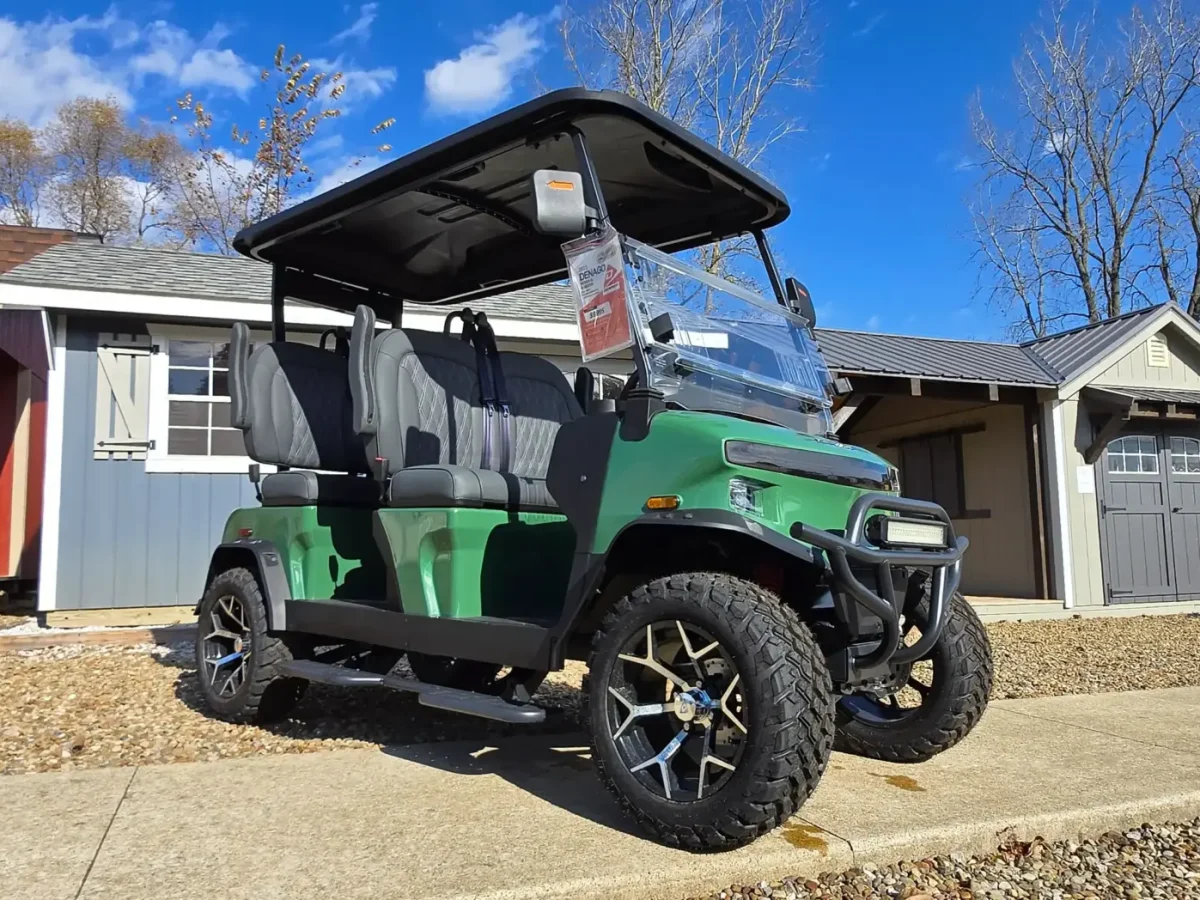
Most traditional golf courses prefer electric carts for their quiet operation and reduced environmental impact. Electric carts travel smoothly across fairways without disturbing players. They also require less daily maintenance for course managers. Gas carts are sometimes used on larger or more rugged courses, but they are less common in standard club settings. Players enjoy the peaceful feel of electric carts, which aligns well with the relaxing atmosphere of golf. Choosing between the two depends on the design of the course and how often the cart will be used for golfing versus other activities.
Suitability for Recreational or Off Road Use
Recreational use often includes trails, fields, and campgrounds. In these environments, durability and power matter more than quiet operation. Gas carts tend to perform better when dealing with uneven terrain, steep hills, and long distances far from charging access. Electric carts can still be used recreationally, especially if they include upgraded suspensions and durable battery systems. However, gas models provide more predictable performance for outdoor adventures and extended weekend rides. For owners who enjoy exploring, hauling equipment, or navigating rugged terrain, a gas cart may offer more confidence and convenience.
Understanding Long Term Costs
Upfront cost is only one part of ownership. Gas carts require fuel, oil changes, and engine maintenance, while electric carts require battery replacements every few years. Lead acid battery replacement can be a significant cost, especially for larger packs. Lithium batteries last much longer but increase upfront pricing. Gas carts often have higher daily operating costs, but they can last for many years when maintained properly. Electric carts have lower day to day expenses but require battery planning. Weighing these long term factors helps owners find the best financial path over time.
Charging vs Refueling Convenience
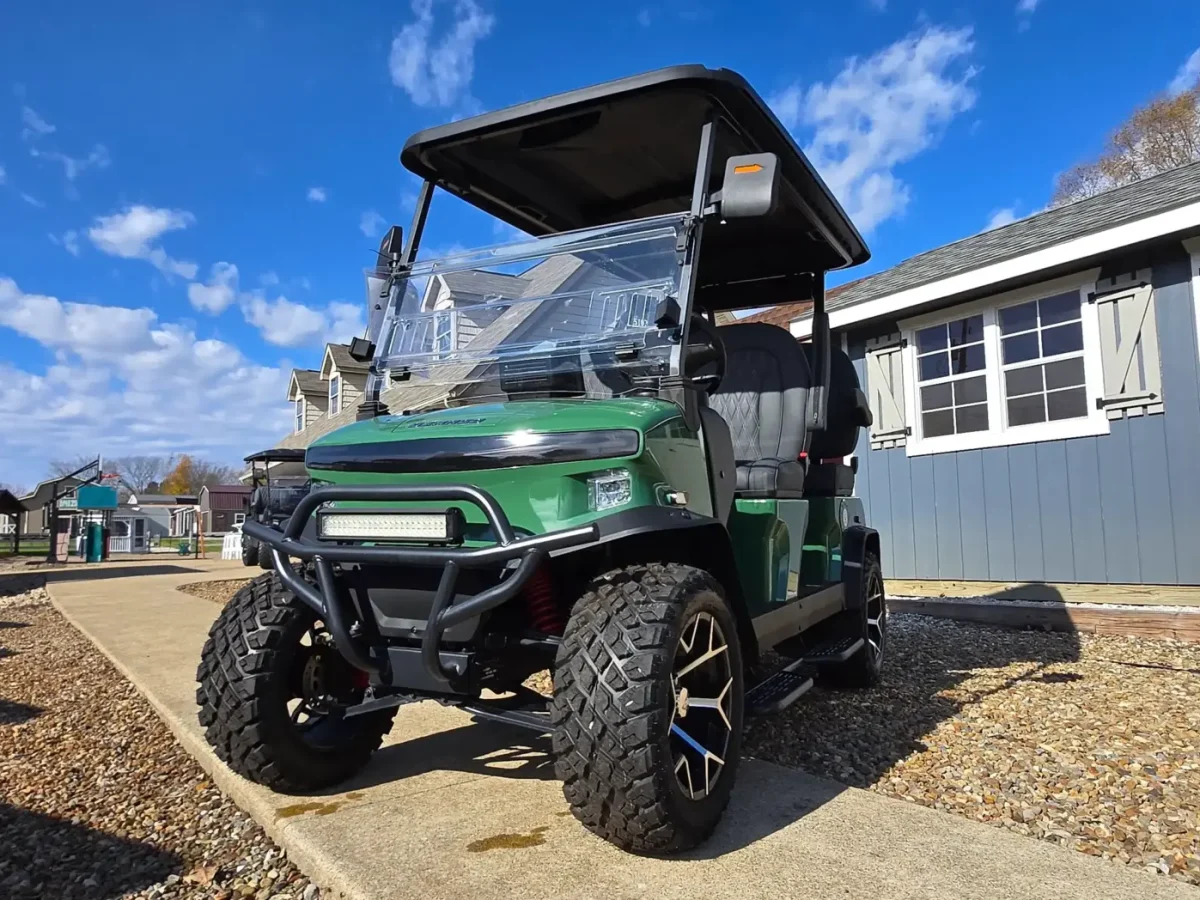
Gas carts refuel quickly and instantly return to full use. This is ideal for families who use the cart unpredictably or for long periods. Electric carts need charging, which usually takes several hours. Owners who follow predictable routines find this easy to manage. Plugging in the cart overnight ensures that it is ready to use the next day. Occasional users rarely struggle with charging habits. For heavy daily use, gas convenience may be more appealing. Understanding how often the cart will be used helps decide which fueling method fits best.
Overall Reliability and Longevity
Both gas and electric carts can last for many years when maintained correctly. Gas engines are rugged and can handle demanding work. Electric motors are simple and often outlast their batteries. Longevity depends on driving habits, maintenance quality, and overall care. Electric carts do not suffer from engine wear but rely heavily on the condition of the battery pack. Gas carts need routine engine care but maintain steady performance over time. Choosing based on lifestyle and willingness to maintain the cart ensures long lasting satisfaction.
Helping Buyers Make the Right Decision
Choosing between gas and electric carts becomes easier once owners think about where and how they plan to drive. Those who value quiet rides, clean performance, and simple maintenance often choose electric models. Those who need strength, range, and rugged capability choose gas. Since both types serve different purposes, the best choice depends entirely on lifestyle and expectations. Dealers can help match buyers with the right features and explain how each type fits into their environment. For personal guidance or questions, customers can contact us.
Conclusion
Gas and electric golf carts each offer unique strengths that appeal to different types of drivers. Electric carts provide quiet comfort and simple ownership, while gas carts offer steady power and long range capability. The best choice depends on lifestyle, driving environment, and personal preference. When you are ready to explore a cart that fits your needs, visit the team at Hartville Golf Carts for expert assistance in choosing the right model for your next adventure.