

Electric bikes, or e-bikes, are popping up everywhere. From city streets to country trails, more people are turning to this new form of mobility. But if you’re considering buying one, you may be wondering: are ebikes worth it? The answer depends on your lifestyle, budget, and expectations. In this guide, we’ll explore the benefits and drawbacks of e-bikes, their costs, and why they may or may not be the right choice for you.

Understanding What E-Bikes Offer
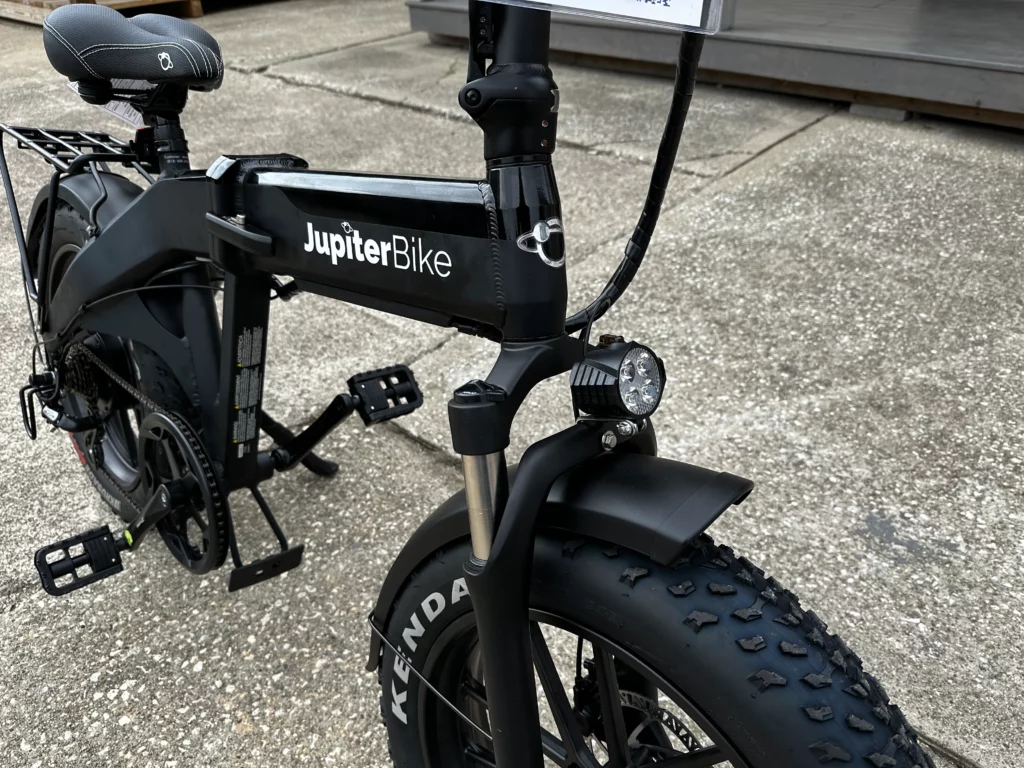
An e-bike is essentially a traditional bicycle with an added electric motor and battery. These components provide pedal assistance or throttle power, making rides less tiring and more accessible. E-bikes come in different styles: commuter, mountain, folding, and cargo bikes. Their versatility is one reason so many riders ask are ebikes worth it.
The Benefits of Owning an E-Bike
E-bikes offer a wide range of benefits that make them appealing to many types of riders. One of the biggest advantages is convenience, as commuters can travel faster, avoid traffic, and reach their destinations with less effort than on a traditional bike. They also enhance accessibility, allowing people of different ages and fitness levels to enjoy cycling again without being limited by stamina or physical strain. From an environmental perspective, e-bikes provide clear benefits, producing zero emissions during use and serving as a more eco-friendly transportation option. They also deliver significant cost savings compared to cars, since they are far cheaper to operate, charge, and maintain. Finally, there are clear health advantages—riders still pedal and stay active, but with reduced strain, making cycling more sustainable as part of a daily routine.

How Much Do E-Bikes Cost?
One of the main concerns potential buyers have is price. E-bikes generally cost between $1,000 and $5,000. Entry-level models start closer to $1,000, while high-performance or cargo e-bikes can exceed $6,000. While that may seem expensive, consider the savings. Gas, insurance, and parking for cars add up quickly. Over time, e-bikes often pay for themselves through reduced transportation expenses.
Operating and Maintenance Costs
When considering are ebikes worth it, you also need to think about ongoing costs. The largest expense is battery replacement, which usually costs $500–$1,000 every 3–5 years. Aside from that, maintenance is similar to traditional bikes: tire changes, brake pads, and occasional tune-ups. Compared to car maintenance, e-bikes are still far more affordable.
Practical Use Cases
E-bikes shine in many scenarios. E-bikes are versatile and can be used in many aspects of daily life. For urban commuting, they allow riders to skip traffic, avoid parking fees, and often arrive at their destinations faster than driving over short distances. When it comes to errands and shopping, cargo e-bikes are especially practical, as they can carry groceries, packages, or even children, making them a true alternative to short car trips. For recreation, e-bikes open up the opportunity for longer, more enjoyable rides without the worry of becoming overly tired. They also support fitness goals, since pedal-assist enables riders to control how much effort they put in, making exercise more accessible and customizable to different fitness levels.
Drawbacks to Consider
No investment is perfect. There are some disadvantages to owning an e-bike:
- Upfront Cost: The price can be high compared to traditional bikes.
- Weight: E-bikes are heavier due to the motor and battery, making them harder to carry upstairs or load into vehicles.
- Battery Life: Range is limited—usually 25–70 miles per charge, depending on terrain and assist level.
- Regulations: Some areas restrict higher-speed e-bikes from certain bike paths or trails.
For some riders, these drawbacks may outweigh the advantages.

Are E-Bikes Worth It for Commuters?
For commuters, e-bikes often prove their value quickly. Rising gas prices and congested traffic make driving costly and stressful. A quality e-bike allows riders to commute daily at a fraction of the cost. Many find the time savings and reduced stress justify the upfront expense. If your commute is less than 15 miles one way, the answer to are ebikes worth it is almost always yes.
Health Benefits: More Than Meets the Eye
Some critics argue that e-bikes provide less exercise than traditional cycling. In reality, studies show that e-bike riders often get more total activity because they ride longer and more often. Riders still pedal, and the motor simply reduces strain. For older adults or those with joint issues, this makes cycling accessible again. Viewed this way, the health benefits strengthen the case when asking are ebikes worth it.

Environmental Impact
E-bikes are significantly cleaner than cars. Charging an e-bike uses a fraction of the energy required to fuel a vehicle. They reduce carbon emissions, lower noise pollution, and help cities cut traffic congestion. According to the U.S. Environmental Protection Agency, switching to electric mobility, including e-bikes, plays a critical role in reducing transportation emissions. For eco-conscious buyers, this alone makes e-bikes worth the investment.
Comparing E-Bikes to Other Transport Options
When comparing are ebikes worth it to owning a car or using public transit, e-bikes often come out ahead. They’re faster than walking, cheaper than cars, and more flexible than buses or trains. Unlike scooters, they can travel longer distances comfortably. While they may not replace all trips, many households find they reduce car use enough to make a noticeable financial and environmental difference.
Future Trends in E-Bikes
The e-bike market continues to grow rapidly. As technology improves, batteries are lasting longer, motors are becoming more efficient, and prices are slowly decreasing. Cities are also investing in bike lanes and charging infrastructure, making e-bike ownership more practical. These trends suggest that buying an e-bike now is not just about today’s convenience but also about being part of the future of urban mobility.

Long-Term Value
When considering are ebikes worth it, think long term. A reliable e-bike can last 8–10 years with proper care. Over that period, savings on gas, parking, and maintenance can easily surpass the upfront cost. Add in the health and environmental benefits, and the value becomes clear. For most riders, e-bikes are not just worth it—they’re transformative.
Conclusion: Are Ebikes Worth It?
So, are ebikes worth it? For many people, the answer is yes. They provide faster commutes, affordable operation, health benefits, and environmental advantages. While the upfront price and weight may deter some, the long-term savings and lifestyle improvements outweigh the drawbacks. Whether you want a commuter bike, a recreational ride, or a car alternative, e-bikes offer a flexible and sustainable solution. By understanding their benefits and limitations, you can decide if they fit your needs—and in most cases, the investment pays off.
At Hartville Golf Carts, we believe in promoting all forms of efficient, sustainable transportation. Just like golf carts, e-bikes represent the future of mobility. They may cost more upfront, but the value they deliver over time makes them well worth it for many riders.