

Many first time riders ask whether e bikes are illegal because electric bikes feel newer than traditional bicycles and include motors, batteries, and displays. This concern usually comes from uncertainty, not actual restrictions. In general, e bikes remain legal across the United States when riders use them correctly and follow common guidelines. Laws focus on how and where riders use an e bike rather than banning them outright, which makes e bikes a widely accepted and growing form of transportation.
E bikes exist to make cycling more accessible, not to replace bicycles or compete with motor vehicles. Because of this, lawmakers created clear frameworks that allow e bikes to operate legally in many of the same places as regular bicycles. Once riders understand these basic principles, concerns about legality usually fade, and the focus shifts toward enjoying the ride and choosing the right model for everyday use.

Why People Wonder If E Bikes Are Illegal
People often question the legality of e bikes because electric assistance blurs the line between bicycles and motor vehicles. Many assume that adding a motor automatically makes a bike illegal or heavily restricted, but that assumption is incorrect. Manufacturers designed e bikes to sit between traditional bicycles and larger vehicles, which is why most laws treat them as bicycles with specific guidelines instead of banning them. This balanced approach lets riders enjoy electric assistance while following familiar cycling rules.
The General Legal Status of E Bikes in the United States
In the United States, e bikes are legal at the federal level and in all states when they meet common definitions. Federal guidelines recognize e bikes as bicycles when they stay within reasonable speed and power limits. States then adopt similar rules, often with minor variations, to guide local use. This structure ensures that e bikes remain accessible nationwide while giving communities flexibility to manage shared spaces safely.
Understanding E Bike Classes in Simple Terms
E bikes are commonly grouped into three basic classes to help define how they operate, and these classes exist to support legality rather than restrict ownership. Class 1 e bikes provide assistance only while pedaling and stop assisting at moderate speeds. Class 2 e bikes include a throttle option but still follow similar speed limits. Class 3 e bikes offer higher assisted speeds and are often used for commuting. These categories help riders understand where their e bikes fit and ensure they ride in appropriate areas without confusion.
Why E Bike Classes Support Legal Riding
The class system helps keep e bikes legal and accepted by setting clear expectations for speed and use. Instead of banning electric bikes, laws define how they should operate in shared spaces. This encourages safe riding while allowing flexibility. Riders benefit from this clarity because they can choose an e bike that fits their intended use without worrying about legality when riding responsibly.
Where E Bikes Are Generally Allowed
E bikes are allowed in most places where traditional bicycles can ride, including bike lanes, neighborhood roads, and many shared paths. Local rules may vary slightly, but most communities welcome e bikes. Cities and towns see e bikes as a way to reduce car use, encourage physical activity, and improve everyday mobility. This positive outlook keeps e bikes widely accepted and supported.
Why Most E Bikes Are Designed to Be Legal
Manufacturers design e bikes with legal use in mind. Speed limits, power output, and safety features align with common regulations so riders can enjoy them without concern. This design focus means that most consumer e bikes already meet legal standards when used as intended. Riders who purchase quality models typically ride confidently knowing their e bike fits within accepted guidelines.
Mandatory Category Link for E Bike Shoppers
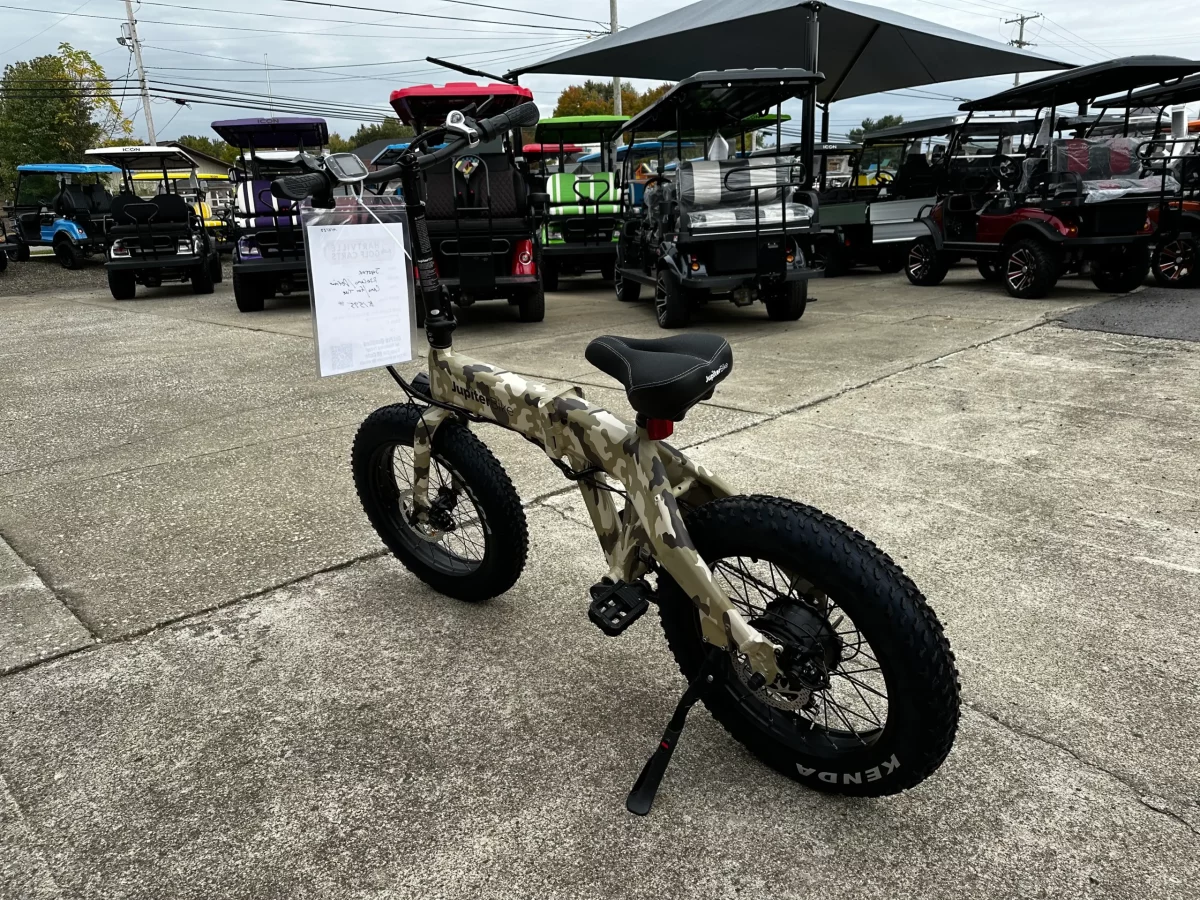
For riders exploring legal and well designed options, browsing a trusted selection helps simplify the process. Many shoppers start by reviewing the available models through the e bikes for sale section, which showcases electric bikes intended for everyday riding and recreational use while fitting common legal standards.
Featured E Bike Example for Everyday Riding
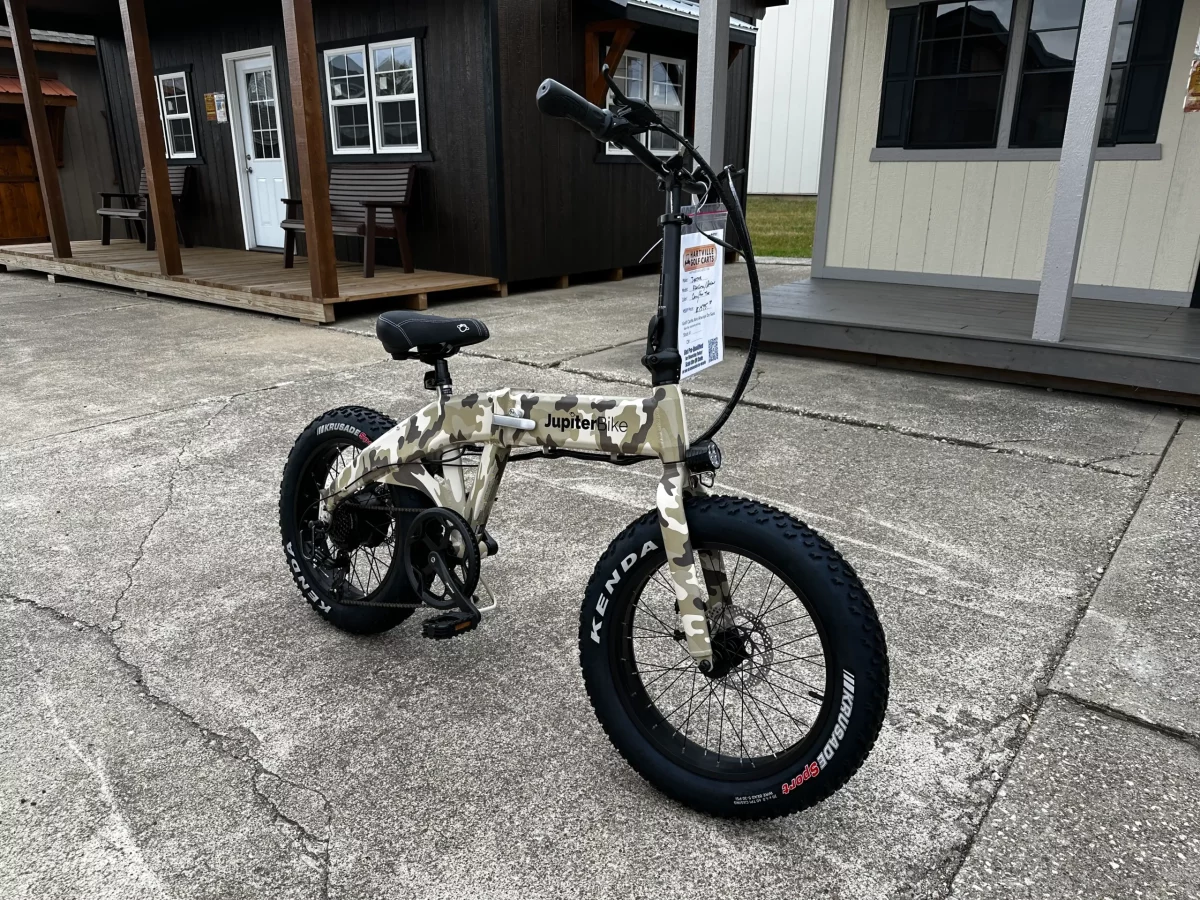
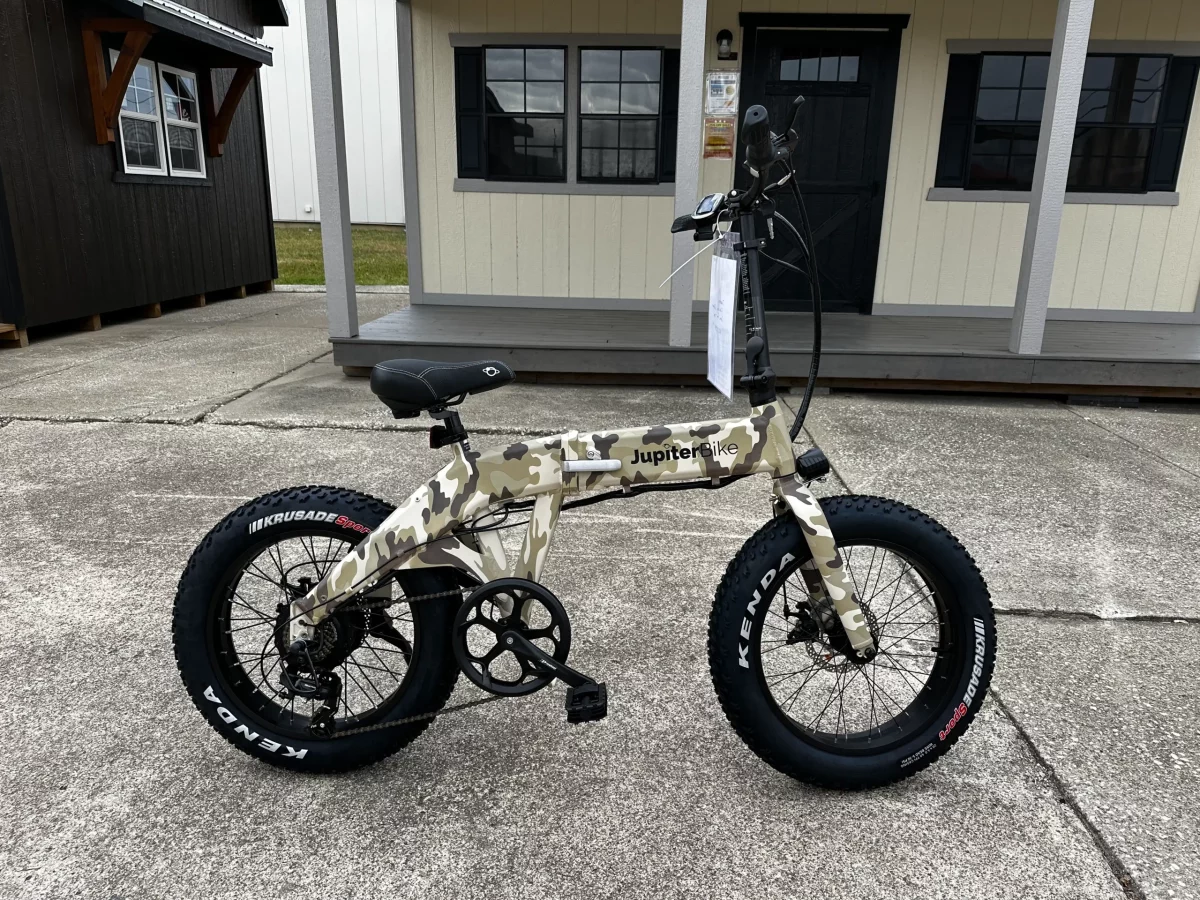
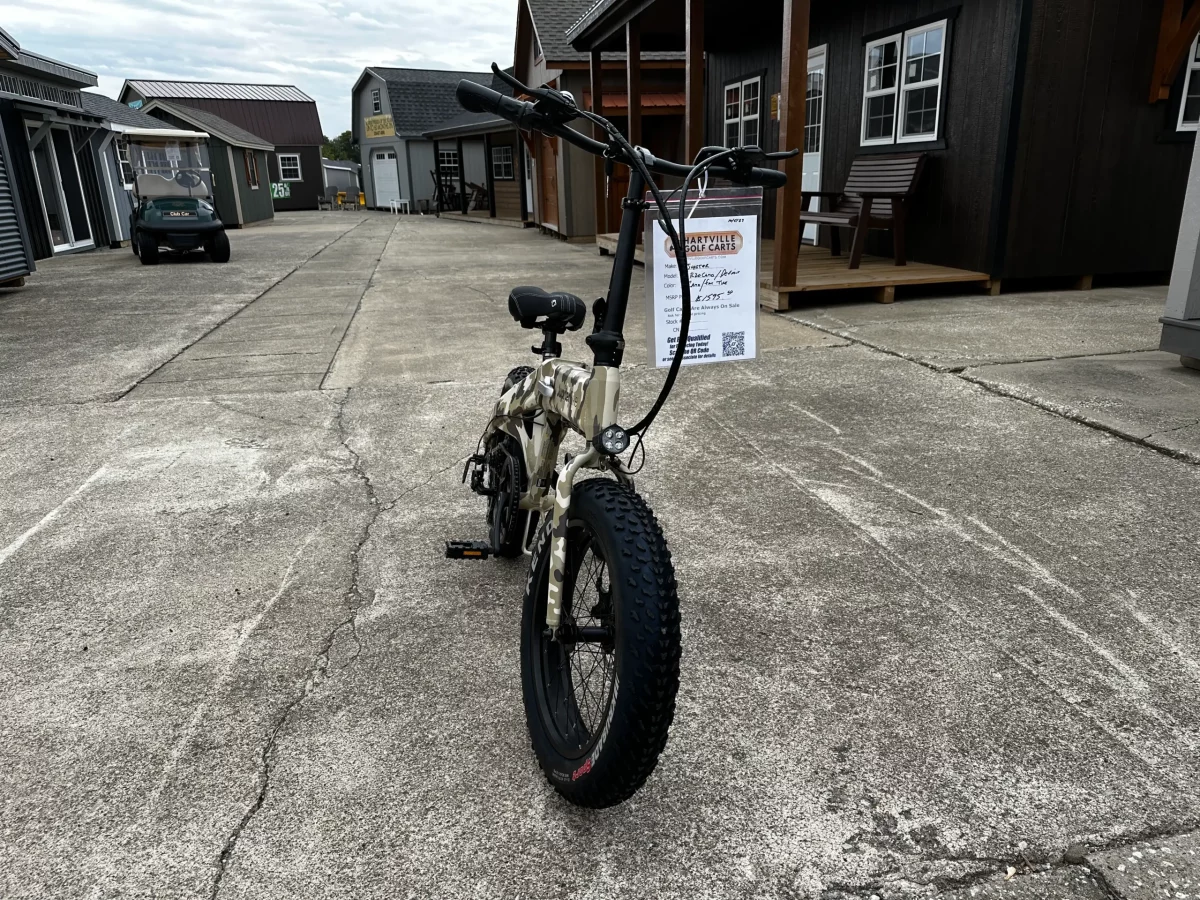
The JupiterBike Defiant Fat Tire Folding E Bike serves as a strong example of an e bike designed for general riding while staying aligned with typical regulations. Its balanced performance, comfortable design, and folding capability make it suitable for commuting, leisure rides, and storage convenience. Models like this highlight how e bikes deliver value without pushing legal boundaries.
Why E Bikes Are Rarely Restricted
E bikes remain widely accepted because they solve real transportation challenges without introducing major risks. They operate at bicycle friendly speeds, encourage pedaling, and reduce traffic congestion. Communities recognize these benefits and often support e bike use as part of broader mobility goals. This acceptance helps explain why e bikes continue to expand rather than face widespread restrictions.
How Federal Guidance Supports E Bike Legality
Federal guidance helps keep e bikes legal nationwide by setting a clear baseline definition. This guidance reduces confusion between states and supports consistent manufacturing standards. Riders benefit because they can travel or relocate without worrying that their e bike will suddenly become unacceptable. The United States Department of Transportation explains how it defines vehicles and transportation categories and shows how emerging mobility options fit within existing frameworks.
Why First Time Buyers Should Feel Confident
First time buyers should feel confident knowing that e bikes are designed to be legal and easy to use. The majority of concerns come from misunderstanding rather than real limitations. When riders follow basic rules and choose reputable models, e bikes integrate smoothly into daily life. This confidence encourages more people to explore electric biking as a practical and enjoyable option.
E Bikes as a Positive Transportation Choice
E bikes contribute to cleaner transportation, reduced congestion, and healthier lifestyles. These benefits align with many local and national goals, which helps explain why laws support their use. Riders who adopt e bikes often find they rely less on cars for short trips and enjoy greater freedom in their routines. This positive impact strengthens long term acceptance.
Why Buying an E Bike Still Makes Sense
The legal structure around e bikes exists to support growth, not limit it. Clear rules help riders understand expectations while allowing flexibility. For buyers considering their first e bike, legality should feel like reassurance rather than a barrier. Most riders discover that e bikes fit naturally into their communities and daily travel patterns.
Conclusion
E bikes are legal across the United States when used responsibly and within common guidelines, making them a practical and enjoyable option for first time riders. They offer electric assistance without complicated restrictions and continue to gain support nationwide. At Hartville Golf Carts, customers can explore quality e bikes with confidence while also finding trusted golf carts, which remain the foundation of what we proudly provide.