
Many first time riders ask the question are e bikes allowed on sidewalks because sidewalks often feel safer and more comfortable than riding near traffic. This concern usually comes from people who plan to ride casually, commute short distances, or move through neighborhoods where bike lanes are limited. In general, the answer to whether e bikes are allowed on sidewalks depends on local rules rather than a nationwide ban, which means e bikes are not automatically restricted from sidewalks. Understanding this general approach helps riders feel more confident and informed when choosing where to ride.
Sidewalk rules exist to balance pedestrian comfort with the growing popularity of bicycles and e bikes. Most communities understand that electric bikes provide a practical and low impact way to travel short distances. Because of this, sidewalk access often focuses more on how a rider behaves than on the presence of a motor. When riders approach sidewalk use with awareness and courtesy, e bikes fit naturally into many shared spaces.
Are E Bikes Allowed On Sidewalks in the United States
Across the United States, there is no federal law that outright bans e bikes from sidewalks, which means the question are e bikes allowed on sidewalks is usually answered at the local level. Cities and towns decide how sidewalks are used based on pedestrian traffic, sidewalk width, and community needs. In many residential areas, e bikes are treated similarly to traditional bicycles when ridden responsibly, which allows them to be used in a practical and flexible way.
Why Sidewalk Rules Focus on Behavior Instead of the Bike
Sidewalk regulations usually focus on rider behavior because speed and awareness matter more than the type of bike being used. An e bike traveling slowly and yielding to pedestrians creates no greater concern than a regular bicycle moving at the same pace. This approach allows communities to support new transportation options without creating unnecessary restrictions, which helps keep e bikes accessible and widely accepted.
How E Bike Classes Fit Into Sidewalk Use
E bike classes exist to guide how electric assistance works, not to restrict ownership or riding freedom. Class 1 and Class 2 e bikes are especially common in casual and neighborhood riding because they operate at bicycle-like speeds. When riders use appropriate assistance levels, these bikes blend easily into sidewalk environments. This is one reason why many people asking are e bikes allowed on sidewalks discover that responsible riding matters more than the class itself.
Why First Time Riders Prefer Sidewalks
First time riders often feel more comfortable starting on sidewalks because traffic can feel intimidating. Sidewalk riding allows new e bike owners to build confidence while learning balance, braking, and speed control. This gradual introduction encourages safer habits and helps riders feel at ease before transitioning to bike lanes or quiet streets. Sidewalk access often plays an important role in helping people adopt e bikes comfortably.
Residential Areas and Sidewalk Riding
In residential neighborhoods, sidewalks usually see lighter pedestrian traffic, which makes shared use more practical. Many communities allow bicycles and e bikes on sidewalks in these areas because the risk remains low when riders slow down and stay alert. This flexibility supports everyday travel such as visiting neighbors, running small errands, or enjoying relaxed rides close to home.
Why Speed Control Matters on Sidewalks
Speed plays a key role in sidewalk compatibility. E bikes give riders the ability to adjust assistance, which helps maintain slow and steady movement when needed. Riding at walking or jogging speed near pedestrians keeps interactions comfortable and positive. This control is one reason why e bikes continue to be accepted in shared spaces without widespread restrictions.

How Communities Decide Sidewalk Access
Local governments consider pedestrian safety, sidewalk design, and overall traffic patterns when deciding how sidewalks can be used. These decisions aim to create harmony rather than barriers. Communities that support alternative transportation often allow sidewalk use with reasonable expectations. This practical approach helps residents move around easily while protecting shared spaces.
Practical Guidance for Everyday Riding
Riders who wonder are e bikes allowed on sidewalks can approach the question practically by focusing on courtesy and awareness. Slowing down near pedestrians, using a bell when appropriate, and maintaining control create positive experiences. These habits help ensure that sidewalk riding remains comfortable for everyone and continues to be supported at the local level.
Mandatory E Bike Category Link for Shoppers
Riders exploring models designed for comfortable and controlled riding often begin by browsing reliable selections built for everyday use. Viewing options through the e bikes for sale section helps riders understand which designs work best for neighborhoods, sidewalks, and shared paths.

Featured E Bike for Versatile Use
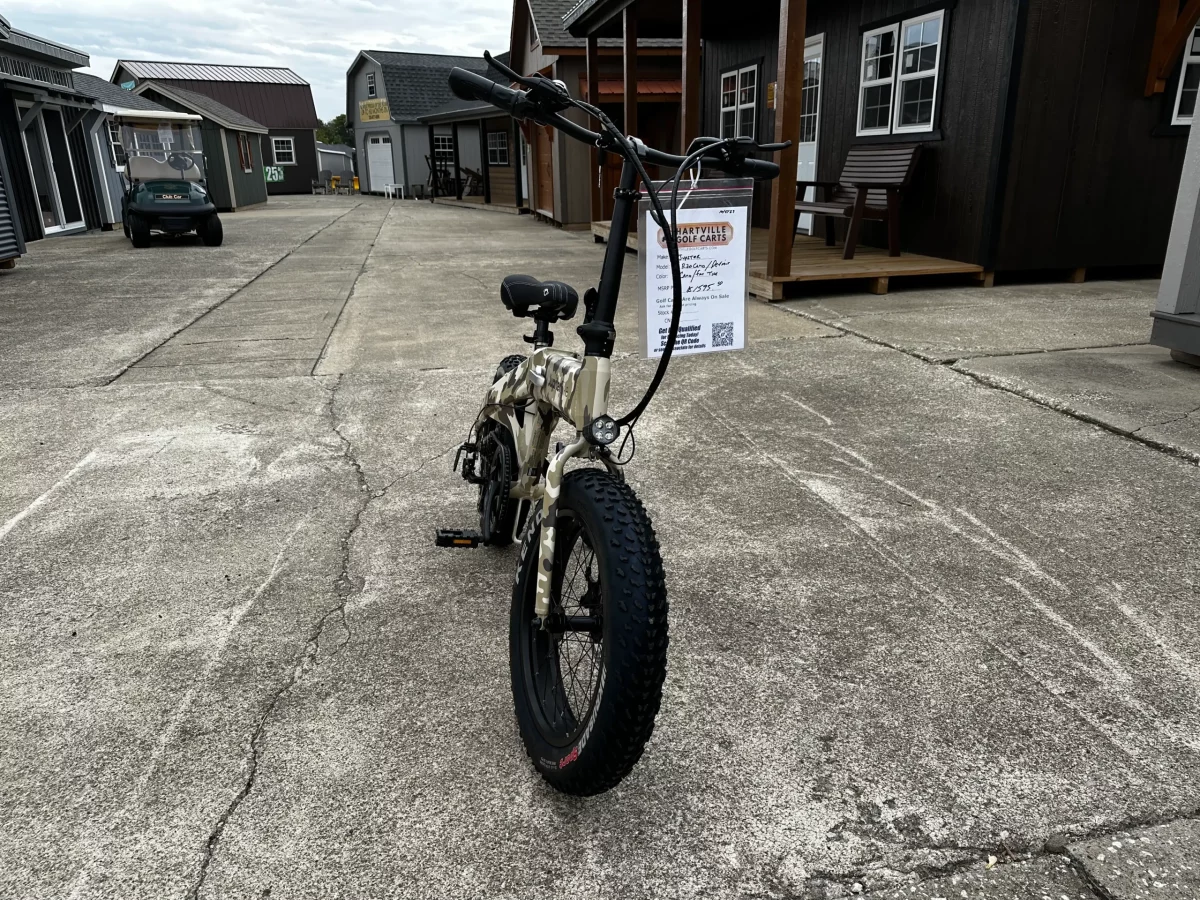
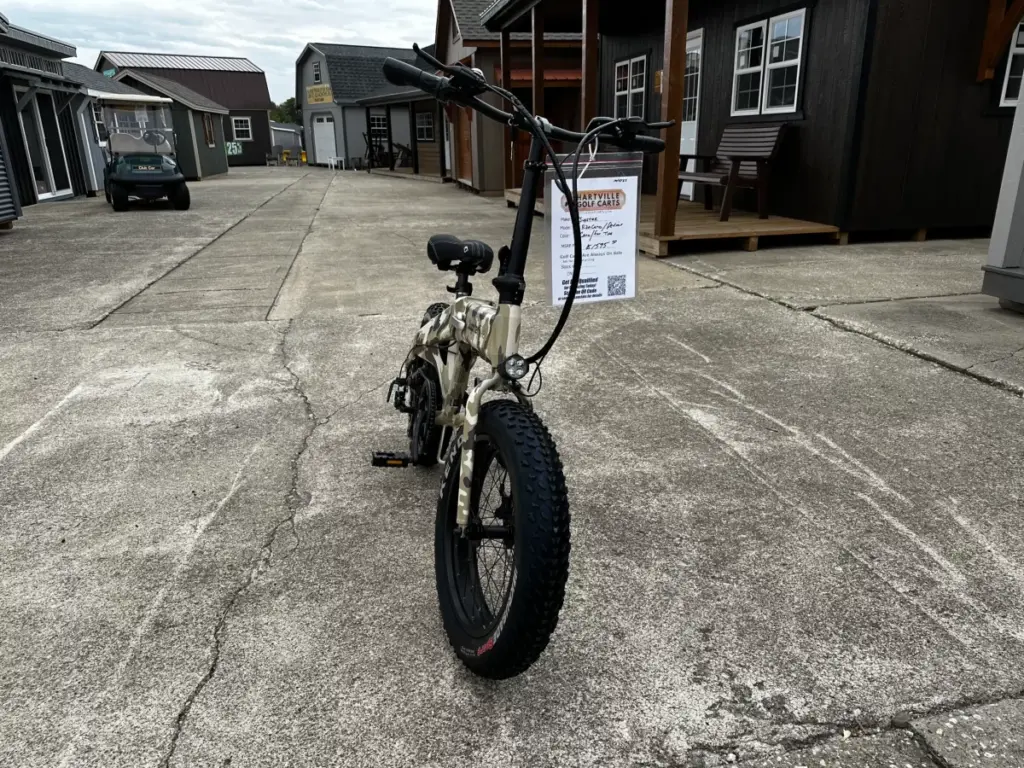
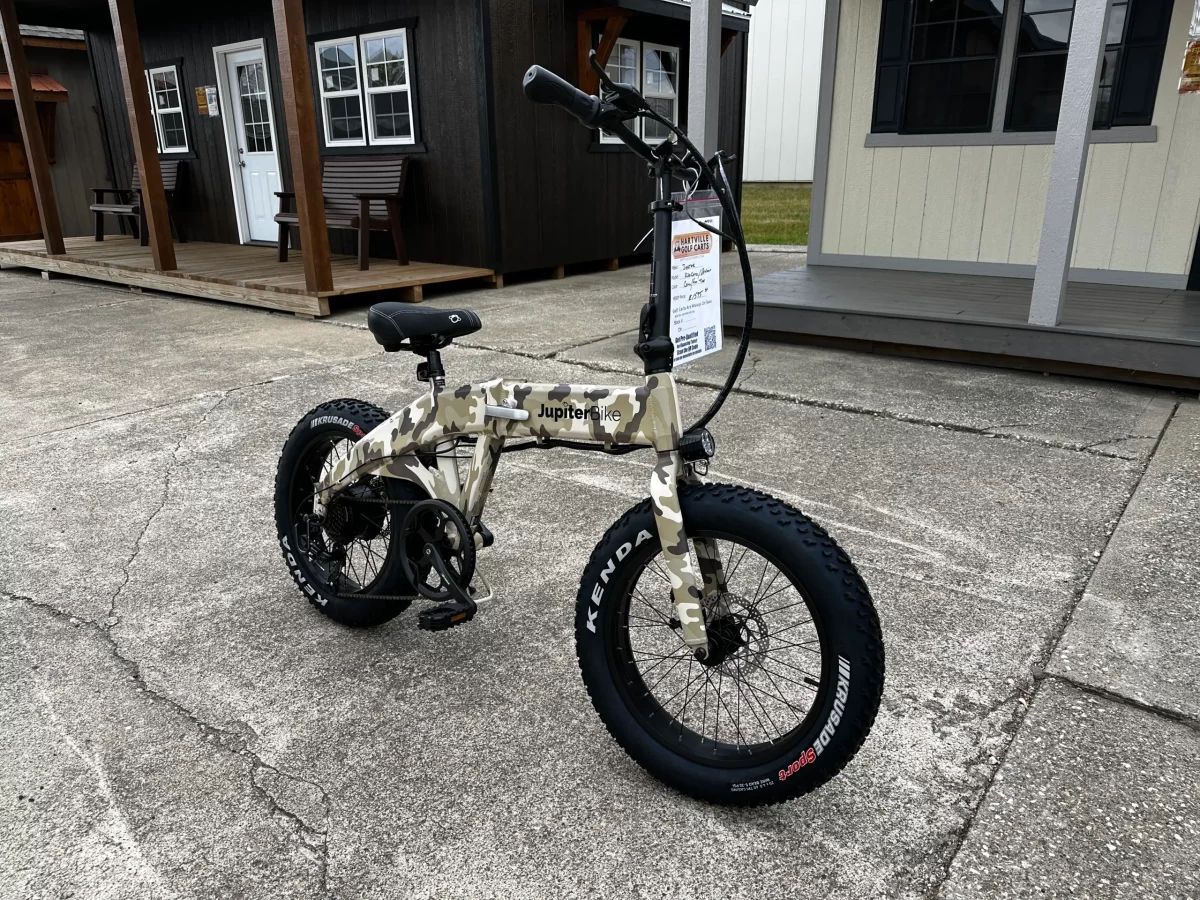
The JupiterBike Defiant Fat Tire Folding E Bike offers a strong example of an e bike suited for practical sidewalk and neighborhood riding. Its stable tires, comfortable posture, and adjustable assistance allow riders to move at appropriate speeds when sharing space with pedestrians, while the folding design adds everyday convenience.
Why E Bikes Are Designed for Shared Spaces
Manufacturers design e bikes with balance and control in mind so they can be used in a variety of environments. Power limits, pedal assist systems, and braking designs help keep riding predictable. These features support safe use on sidewalks, trails, and bike lanes, which is why e bikes continue to integrate smoothly into communities.
Federal Perspective on Bicycles and Sidewalk Use
At the federal level, transportation agencies encourage alternative mobility options that reduce congestion and improve access. While sidewalk rules remain local, federal guidance supports flexible infrastructure planning that includes bicycles and similar devices. More information about transportation planning can be found through the United States Department of Transportation, which outlines how shared mobility fits into modern communities.

Why Buyers Should Feel Confident
Concerns about sidewalk legality should not discourage people from buying e bikes. Most places welcome responsible riding and focus on safety rather than restrictions. Riders who remain respectful and aware usually experience smooth interactions. This positive environment makes e bikes a practical and enjoyable choice for everyday transportation.
Conclusion
So, are e bikes allowed on sidewalks? In many parts of the United States, the answer is yes when they are ridden responsibly and with consideration for pedestrians. Sidewalk use often depends on local rules, but e bikes remain widely accepted as a practical transportation option. At Hartville Golf Carts, customers can explore quality e bikes with confidence while also finding trusted golf carts, which continue to be the core of what we proudly offer.