
Many people purchase a golf cart for neighborhood transportation, campground travel, or short trips around private communities. After buying one, a common question quickly follows: do golf carts need to be registered? The answer depends on where you plan to drive the golf cart and the laws in your state. In many areas, golf carts used only on private property or golf courses do not require registration. However, registration may become necessary if you drive on public roads or if the vehicle qualifies as a low-speed vehicle under state law. Since every state and local government has different requirements, understanding the rules before driving can help you avoid fines, legal issues, and insurance problems. Learning when registration is required also helps buyers choose the right golf cart for their intended use.
Registration Rules Depend On State Law
There is no single registration rule that applies across the United States. Each state establishes its own laws, and many counties or cities create additional local regulations. Some states never require registration for standard golf carts operated only on private property. Others require registration if the golf cart travels on designated public roads. Local governments may also require permits or special decals before allowing golf carts to operate within city limits. Because regulations differ so much, two neighboring towns can have completely different registration requirements. Owners should review both state transportation laws and local ordinances before using a golf cart outside private property. Spending a few minutes researching these rules can prevent unnecessary penalties and make ownership much easier.
Private Property Usually Does Not Require Registration
Most golf carts used exclusively on golf courses, farms, campgrounds, resorts, or private property do not require registration. These locations generally establish their own operating rules instead of following public road regulations. As long as the golf cart remains on private land, owners often avoid many of the legal requirements that apply to road vehicles. However, the rules change as soon as the golf cart enters a public street where state traffic laws apply. Crossing a public road or driving through a neighborhood may trigger additional legal requirements depending on your location. Understanding where you plan to use the golf cart is one of the most important factors when determining whether registration is necessary.
Low-Speed Vehicles Often Require Registration
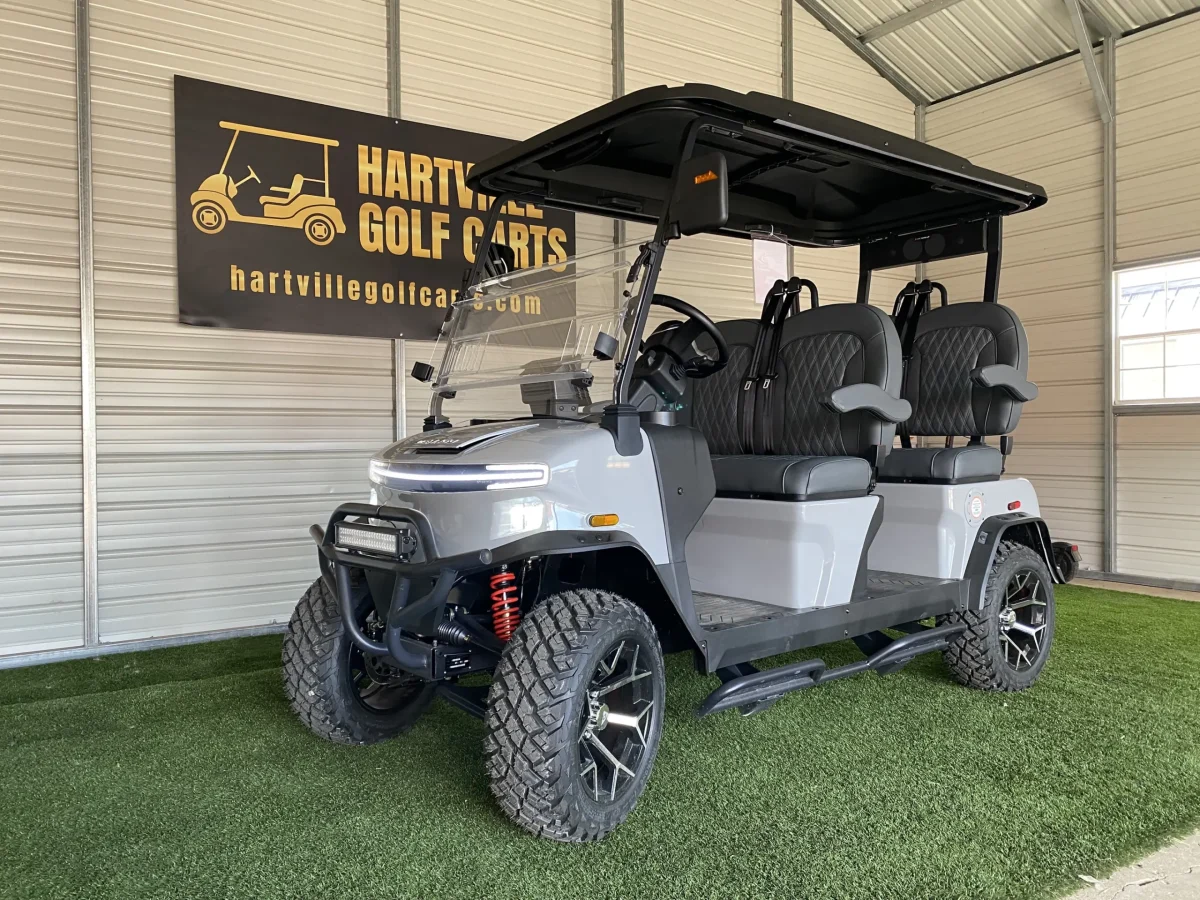
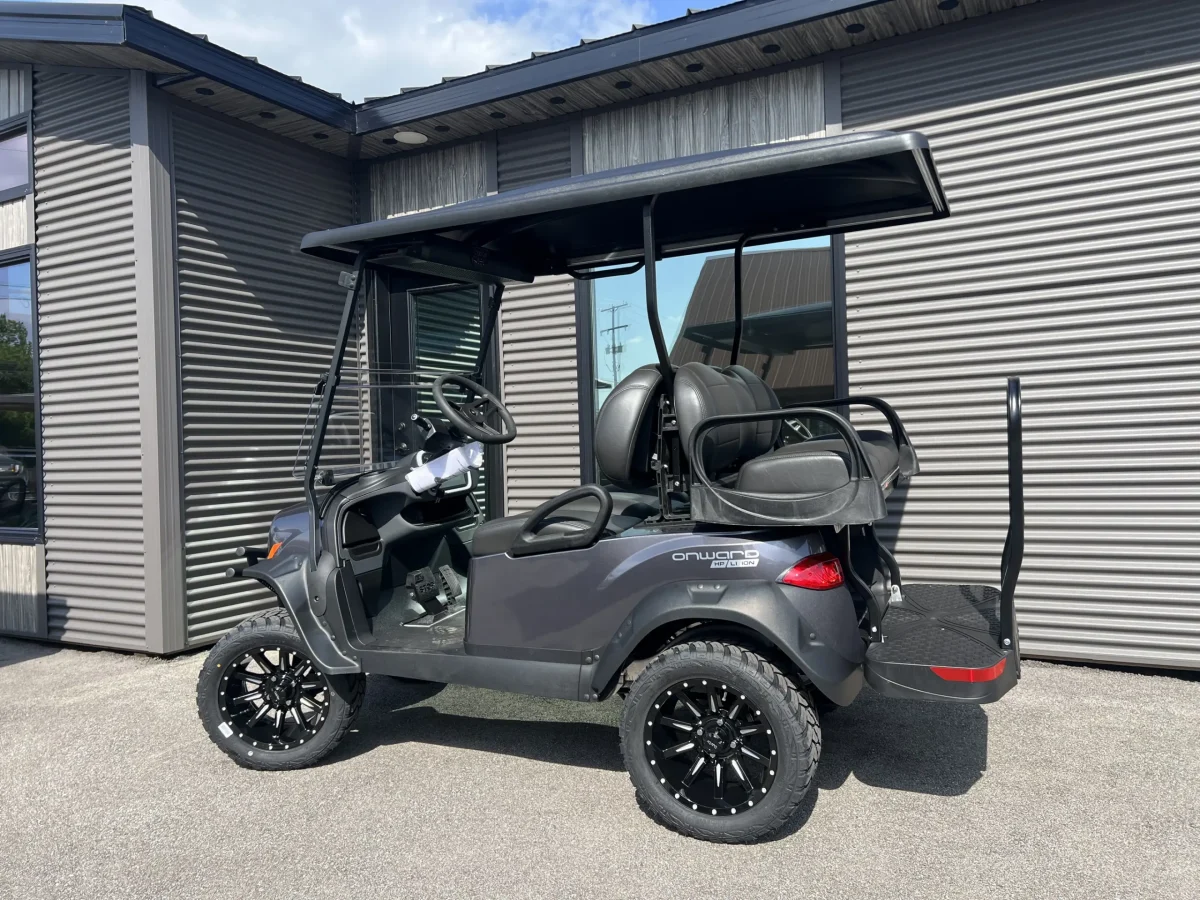
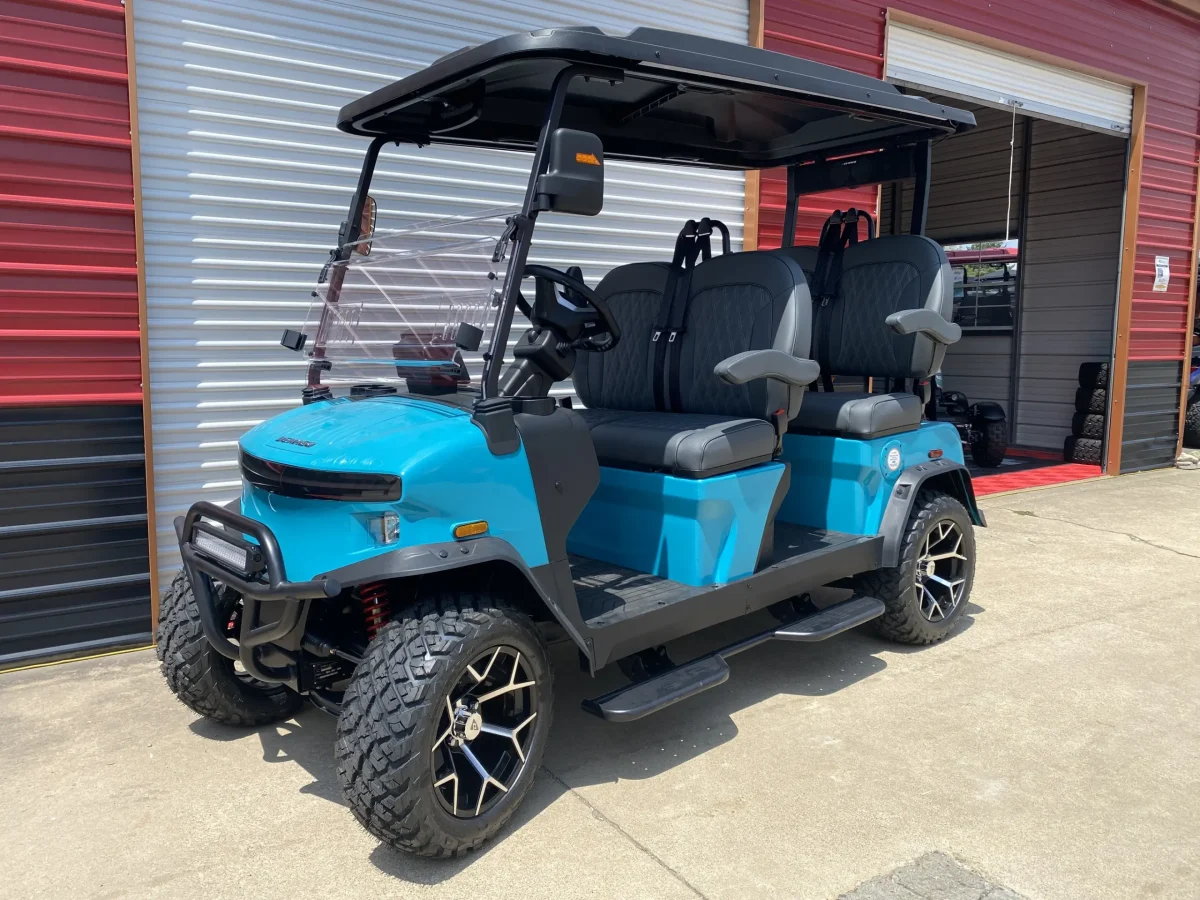
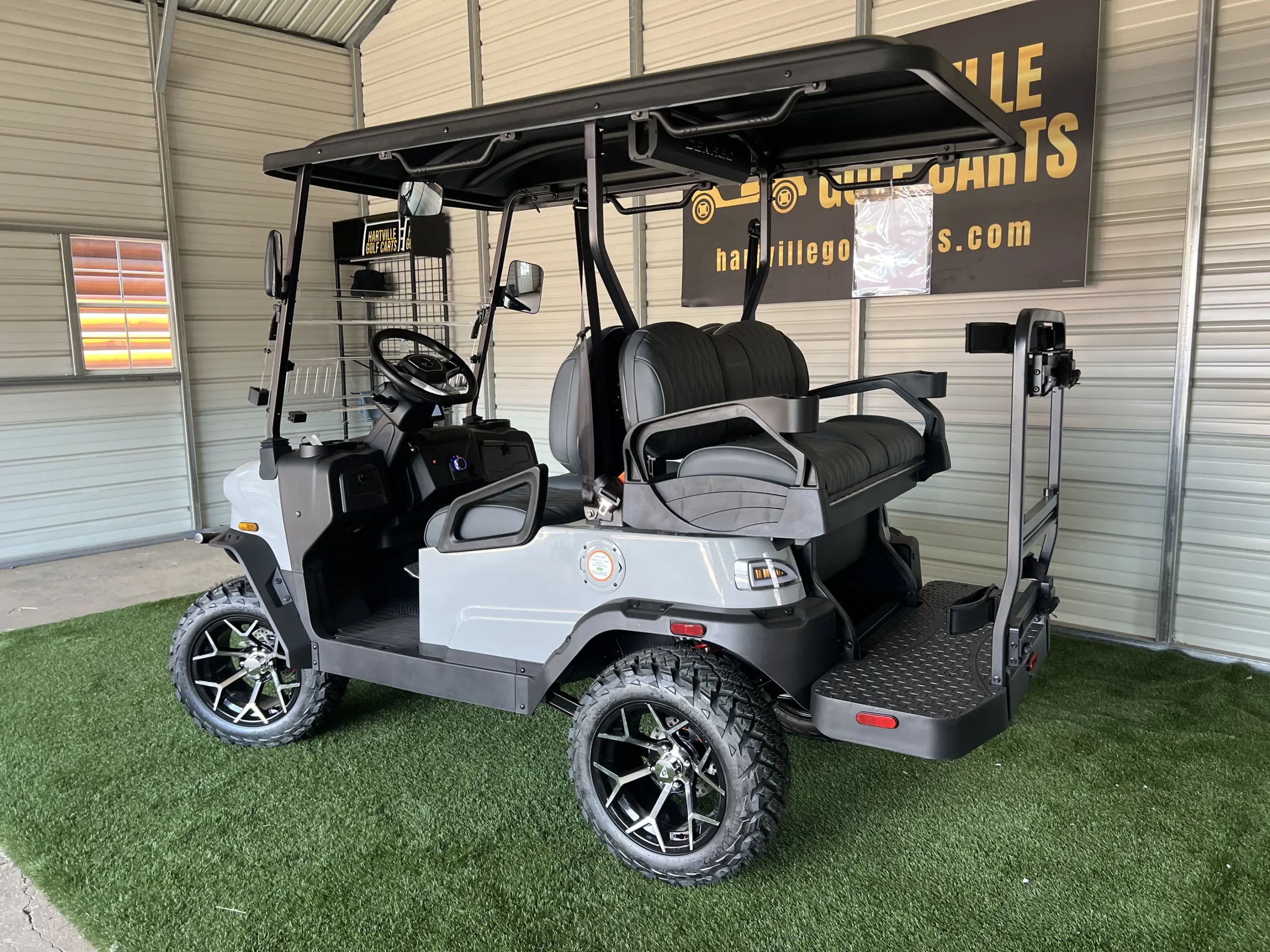
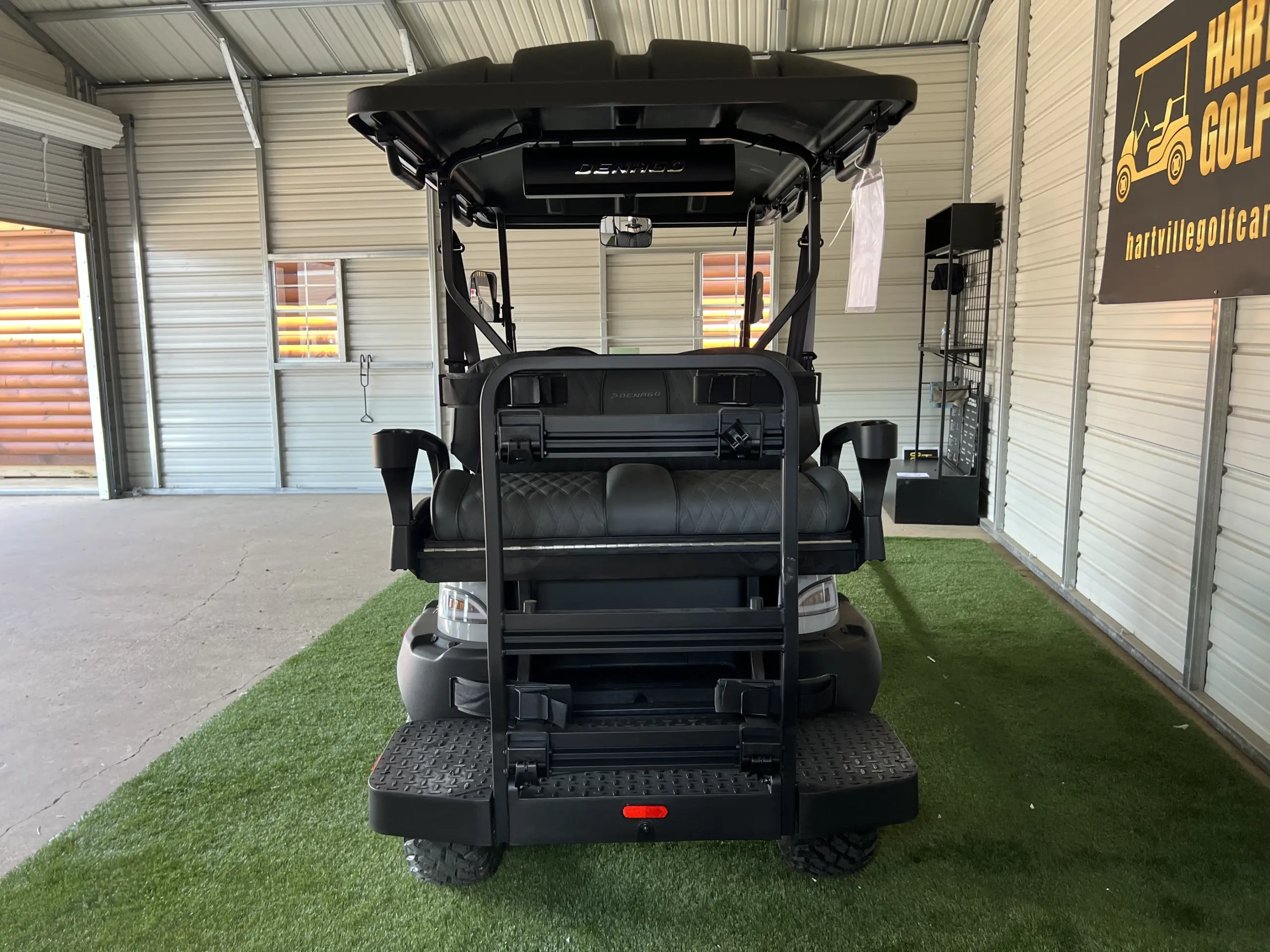
Many people confuse standard golf carts with low-speed vehicles, but the law often treats them differently. A standard golf cart usually travels between 12 and 20 miles per hour and is designed for golf courses or private property. A low-speed vehicle travels between 20 and 25 miles per hour and includes additional safety equipment such as headlights, brake lights, turn signals, mirrors, seat belts, and a vehicle identification number. Because low-speed vehicles meet federal safety standards, many states require owners to register them before driving on public roads. If your golf cart has been upgraded or manufactured as a street-legal model, registration requirements may apply even though it still resembles a traditional golf cart.
Do You Need A Driver’s License And Insurance?
Registration is only one part of the legal requirements. Some states also require golf cart drivers to hold a valid driver’s license when operating on public roads. Insurance requirements vary as well. A standard golf cart used only on private property may not require insurance, but a street-legal golf cart or low-speed vehicle often does. Local governments may also require proof of insurance before issuing a registration or permit. Even when insurance is not legally required, many owners choose to carry coverage because it helps protect against property damage, accidents, and liability claims. Before driving on any public street, review your state’s licensing, insurance, and registration requirements together instead of assuming one rule applies everywhere.
How To Register A Street-Legal Golf Cart
If your state requires registration, the process usually begins with confirming that the golf cart meets local safety standards. Many states require headlights, brake lights, turn signals, mirrors, seat belts, reflectors, a horn, and a vehicle identification number before registration. After meeting these requirements, owners may need to complete registration forms, provide proof of ownership, show proof of insurance if required, and pay applicable registration fees. Some states also require a vehicle inspection before issuing registration documents. Because the process varies by location, checking with your local Department of Motor Vehicles before making modifications can save both time and money. Completing the correct paperwork ensures the golf cart can legally operate where permitted.
Why Registration Matters
Registering a golf cart when required protects both the owner and other road users. Registration helps law enforcement identify vehicles and confirms that the golf cart meets applicable safety standards. It also supports insurance claims if an accident occurs. Driving an unregistered golf cart where registration is required can lead to fines, penalties, or restrictions on future registration. Buyers who understand these rules before purchasing a golf cart avoid unexpected expenses later. Whether you plan to drive occasionally or every day, following registration requirements helps ensure legal and responsible ownership.
Choosing The Right Golf Cart For Legal Road Use
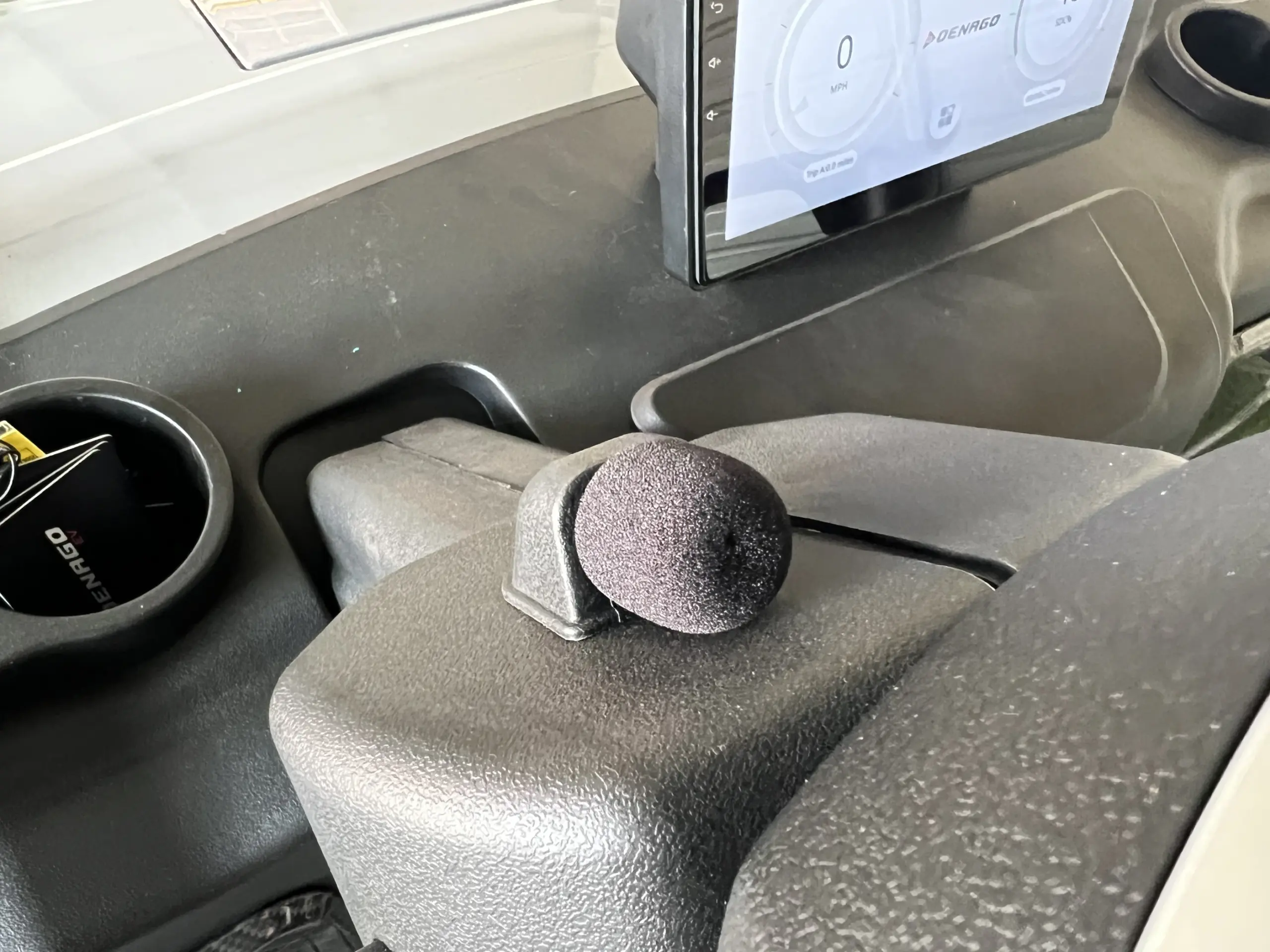
If you plan to drive beyond private property, selecting the right golf cart from the beginning can simplify registration and compliance. Many modern electric golf carts include advanced features that support street use when local laws permit. Buyers comparing reliable options often explore the Denago Nomad XL, which combines lithium battery technology with dependable performance and modern design. Comparing equipment, safety features, and local legal requirements before purchasing helps ensure the golf cart fits your intended use while reducing future upgrade costs.
Conclusion
The answer to do golf carts need to be registered depends on where and how you use the vehicle. Golf carts used only on private property often do not require registration, while those driven on public roads may need registration, insurance, and additional safety equipment. Because every state and many local governments have different rules, owners should always verify the legal requirements before driving. The USA.gov Motor Vehicle Services page can help you locate your state’s official motor vehicle agency for registration information. By understanding the rules before you drive, you can enjoy your golf cart legally and confidently. Hartville Golf Carts offers dependable electric and gas golf carts to match a wide range of driving needs and lifestyles.