
Golf balls may appear simple at first glance, but their design involves decades of engineering and aerodynamic research. One of the most noticeable features on any golf ball is the pattern of small indentations covering its surface. These indentations are commonly called dimples, although many people mistakenly refer to them as divots. That is why golfers often search how many divots on a golf ball when they are actually asking about the dimples that help the ball fly through the air. The answer varies by manufacturer and model, but most golf balls contain between 300 and 500 dimples. These small surface features play a major role in distance, trajectory, stability, and overall performance. Without them, modern golf balls would travel much shorter distances and behave very differently during flight. Understanding why golf balls have dimples and how many they contain provides insight into one of the most important innovations in golf equipment design.
Divots And Dimples Are Not The Same Thing
One of the biggest sources of confusion comes from the difference between divots and dimples. A divot is a piece of turf removed when a golfer strikes the ground with a club during a swing. Dimples are the small indentations molded into the surface of a golf ball. Although many casual golfers use the terms interchangeably, they refer to completely different things.
When people ask how many divots are on a golf ball, they almost always mean dimples. Understanding the distinction helps golfers communicate more accurately and learn more about the game. Dimples affect aerodynamics and ball flight, while divots relate to turf interaction and golf course maintenance.
Most Golf Balls Have Between 300 And 500 Dimples
The exact number of dimples depends on the manufacturer and the specific ball model. Most modern golf balls contain somewhere between 300 and 500 dimples. Some balls feature slightly fewer, while others use more complex designs that push the number toward the upper end of the range.
Manufacturers spend significant time testing dimple patterns because small changes can affect launch conditions and flight stability. Different brands often develop proprietary designs intended to maximize performance for various swing speeds and playing styles. While golfers may not notice the difference visually, engineers pay close attention to dimple count, shape, depth, and arrangement.
Why Golf Balls Have Dimples
Dimples exist for one reason: they help golf balls fly farther and more consistently. A smooth golf ball experiences greater aerodynamic drag, which slows it down significantly during flight. Dimples create a thin layer of turbulent air around the ball that reduces drag and improves lift.
This aerodynamic effect allows the ball to remain in the air longer and travel farther than a smooth ball of the same size and weight. Without dimples, even professional golfers would lose substantial distance off the tee. The simple appearance of a golf ball hides a surprisingly sophisticated aerodynamic design that has been refined over many decades.
There Is No Universal Dimple Count
Golf’s governing bodies regulate factors such as ball size, weight, and performance limits, but they do not require a specific number of dimples. As a result, manufacturers have flexibility when developing ball designs. Some companies prefer larger dimples in smaller quantities, while others use more numerous dimples with different shapes.
According to the USGA Equipment Rules, golf ball design must meet strict standards regarding size, weight, and performance while allowing manufacturers flexibility in dimple patterns and aerodynamics. Because each company approaches the challenge differently, golfers can find a wide range of dimple patterns across today’s golf ball market. This variation contributes to the unique characteristics associated with different brands and models.
How Dimple Design Affects Ball Flight
Dimple count alone does not determine performance. Shape, depth, edge design, and overall pattern arrangement all influence how the ball behaves during flight. Some designs prioritize distance, while others focus on stability in windy conditions or consistent trajectory.
Golf ball engineers use advanced computer modeling and wind-tunnel testing to evaluate different designs. Small adjustments can create measurable changes in performance. This attention to detail explains why premium golf balls often command higher prices. Buyers are paying for extensive research and development as much as the physical materials used to manufacture the ball.
Professional Golfers Pay Attention To Ball Design
Professional golfers spend considerable time selecting golf balls that match their swing characteristics and playing preferences. While they may not choose a ball solely because of dimple count, aerodynamic performance remains an important consideration.
Different golf balls produce different launch conditions, spin rates, and flight characteristics. Tour professionals often test multiple models extensively before deciding which ball offers the best combination of distance, control, and consistency. These decisions demonstrate how important golf ball design can be at the highest levels of competition.
The Evolution Of Golf Ball Technology
Early golf balls looked very different from modern versions. Players eventually noticed that worn balls often traveled farther than smooth new ones. This observation led manufacturers to experiment with textured surfaces and eventually develop the dimple patterns used today.
Over time, golf ball technology continued evolving as engineers gained a better understanding of aerodynamics. Modern golf balls represent decades of innovation, testing, and refinement. What began as simple observations about ball flight eventually transformed into one of the most sophisticated equipment categories in golf.
Golf Equipment Continues To Improve
Golf ball technology is only one example of how equipment continues to advance. Clubs, training aids, and golf carts have all benefited from improvements in engineering and design. Today’s golfers enjoy equipment that is more efficient, reliable, and user-friendly than ever before.
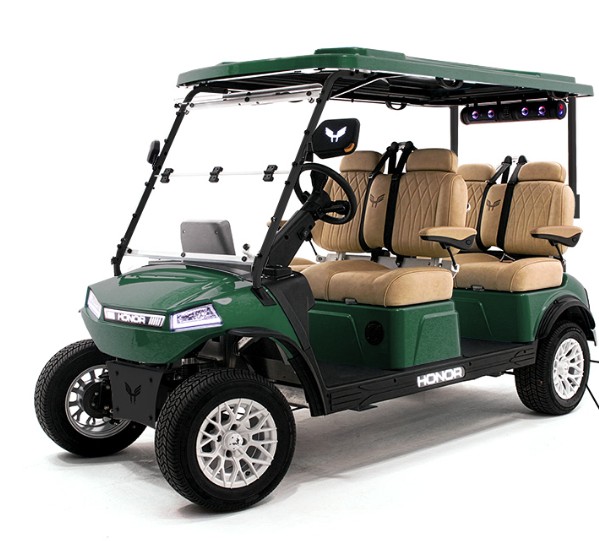
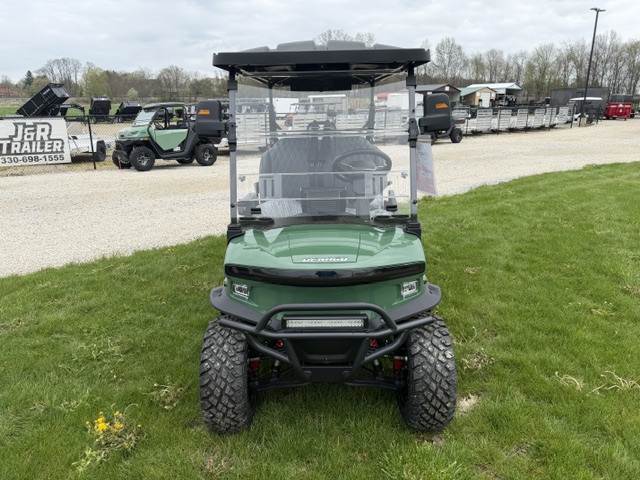
Players who enjoy spending time on courses and in golf communities often appreciate dependable transportation as well. Many golfers explore options like the Atlas 4 Passenger Golf Cart because modern golf carts combine comfort, convenience, and everyday practicality.
Learn More About Divots In Golf
Because dimples and divots are often confused, golfers interested in this topic may also benefit from learning more about what are divots. Understanding golf terminology helps players communicate more effectively and gain a deeper appreciation for different aspects of the game.
Whether discussing golf ball design or turf interaction, learning the correct terminology makes golf easier to understand and more enjoyable to discuss with other players. Small details often reveal fascinating insights about how the sport has evolved.
Conclusion
Anyone asking how many divots on a golf ball is usually referring to dimples, the small indentations that help golf balls fly farther and more consistently. Most golf balls contain between 300 and 500 dimples, although the exact number varies by manufacturer and model. These carefully engineered features reduce drag, improve lift, and contribute significantly to modern golf ball performance. Understanding how dimples work provides a greater appreciation for the science behind the game. For golfers interested in quality golf carts and products that enhance the overall golf experience, Hartville Golf Carts offers dependable options designed for comfort, convenience, and enjoyment.