
A golf cart charger plays a critical role in keeping batteries healthy and ensuring the cart remains ready for use. When a golf cart suddenly loses range, fails to charge properly, or refuses to start after sitting overnight, many owners assume the batteries have failed. However, the real problem may be the charger itself. That is why many people search how to test a golf cart battery charger before spending money on replacement batteries or electrical repairs. A properly functioning charger should deliver the correct voltage, communicate effectively with the battery pack, and complete charging cycles consistently. Testing a charger involves more than simply plugging it in and waiting for results. Owners should inspect power sources, evaluate charger behavior, measure output, and verify battery condition. Understanding this process helps prevent unnecessary expenses and allows owners to identify problems before they become more serious.
Why Golf Cart Chargers Fail
Like any electrical device, golf cart chargers experience wear over time. Internal components may degrade, wiring connections can loosen, and environmental conditions sometimes accelerate failure. Chargers stored in humid garages or exposed to extreme temperatures often experience more problems than those kept in clean, protected environments.
Age is another common factor. Older chargers sometimes become less efficient and struggle to deliver consistent charging performance. Some chargers fail, while others develop intermittent problems that make troubleshooting more difficult. Because charging systems work closely with the battery pack, owners often mistake charger issues for battery problems. Understanding the common causes of charger failure helps narrow the troubleshooting process and reduces the chance of replacing the wrong component.
Start With The Power Source
The simplest charger problems often involve the electrical outlet rather than the charger itself. Before assuming the charger has failed, owners should verify that the outlet supplies power properly. Testing the outlet with another device can quickly eliminate one potential source of trouble.
Circuit breakers and extension cords should also be inspected. A damaged extension cord may prevent the charger from receiving adequate power. Some owners spend hours troubleshooting chargers when the real issue involves a tripped breaker or faulty outlet. Starting with the basics saves time and prevents unnecessary repairs. Every charger diagnostic process should begin by confirming that power is available and stable.
Inspect The Charger Physically
A visual inspection often reveals obvious signs of damage. Cracked housings, burnt smells, frayed cables, melted connectors, and corrosion around plugs can all indicate charger problems. Chargers that have been dropped or exposed to moisture may develop internal issues even when external damage appears minor.
Owners should examine cables carefully because charging performance depends on strong electrical connections. Loose wiring and damaged connectors create resistance that affects charging efficiency. Physical inspection does not identify every problem, but it frequently reveals issues that require immediate attention. Catching visible damage early helps prevent larger failures later.
Understand Normal Charger Behavior
Testing becomes easier when owners understand how a healthy charger should behave. Most modern chargers activate shortly after being connected to a battery pack that requires charging. Indicator lights typically illuminate, cooling fans may begin operating, and charging cycles follow a predictable pattern.
Some chargers reduce output gradually as batteries approach full charge. Others switch into maintenance mode automatically. Owners who understand normal behavior can identify abnormalities more quickly. A charger that shuts off immediately, runs excessively hot, or fails to initiate charging may indicate an underlying problem. Observing charger operation carefully often provides valuable diagnostic clues.
Use A Voltmeter To Measure Output
A voltmeter provides one of the most reliable methods for testing charger performance. By measuring charger output, owners can determine whether the charger delivers the appropriate voltage for the battery system. A charger producing no output or significantly incorrect voltage often indicates internal failure.
Testing procedures vary slightly depending on charger design, but voltage measurement remains a common diagnostic tool. Owners unfamiliar with electrical testing should follow manufacturer guidelines carefully. According to Battery University, battery and charging system performance are closely linked, making accurate electrical measurements an important part of diagnosing charging problems.
Verify Battery Condition Too
Many modern golf cart chargers rely on battery voltage signals before initiating a charging cycle. Severely discharged or damaged batteries sometimes prevent chargers from activating properly. In these situations, owners may incorrectly conclude that the charger has failed.
Testing battery voltage separately helps determine whether the batteries or the charger are causing the problem. A weak battery pack can create symptoms that closely resemble charger failure. Evaluating both components together provides a more accurate diagnosis and prevents unnecessary replacement costs.
Watch For Common Warning Signs
Several warning signs often indicate charger trouble. Unusually long charging times, incomplete charging cycles, overheating, repeated shutdowns, and inconsistent operation are among the most common symptoms. Some chargers also display error lights or diagnostic codes when problems occur.
Owners should pay attention to changes in charging behavior even if the charger still functions occasionally. Early symptoms frequently appear before complete failure. Addressing these issues quickly helps protect batteries and maintain reliable golf cart performance. Ignoring warning signs may allow minor problems to develop into more expensive repairs.
Test Charging Performance Over Time
One successful charging cycle does not always guarantee long-term charger health. Some chargers work intermittently, making occasional testing important. Monitoring battery charge levels, charging duration, and overall cart performance over several cycles provides a more complete picture of charger reliability.
Owners who document charging behavior often identify patterns that reveal developing problems. Consistent performance generally indicates a healthy charging system, while fluctuating results may require further investigation. Long-term observation complements electrical testing and helps verify system reliability.
Modern Golf Carts Benefit From Advanced Charging Systems
Modern electric golf carts increasingly feature sophisticated charging systems designed to improve efficiency and battery life. Smart chargers communicate with battery management systems and adjust charging behavior automatically. These advancements simplify ownership and reduce the likelihood of overcharging.
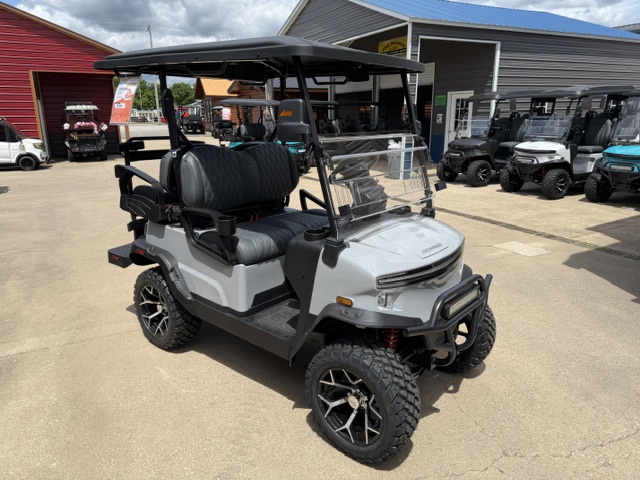
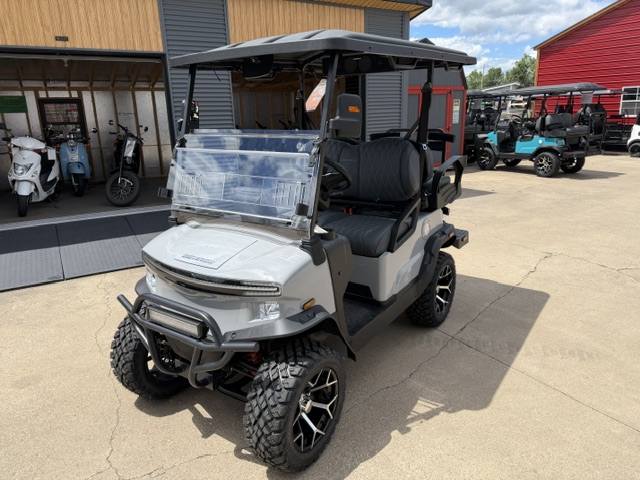
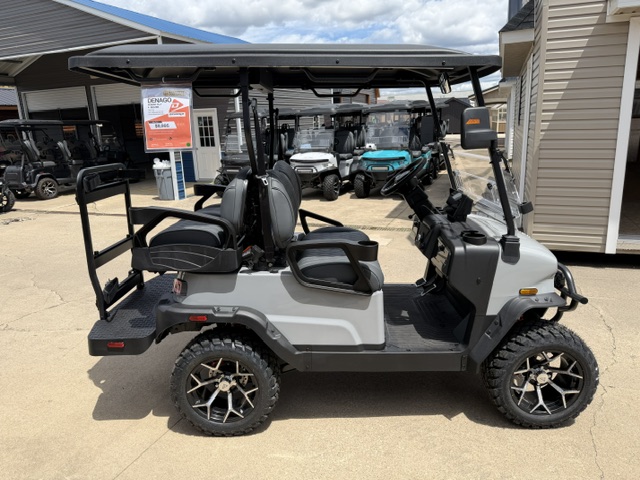
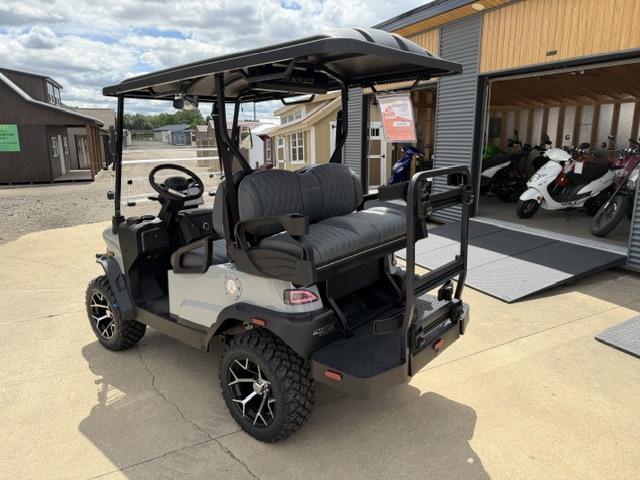
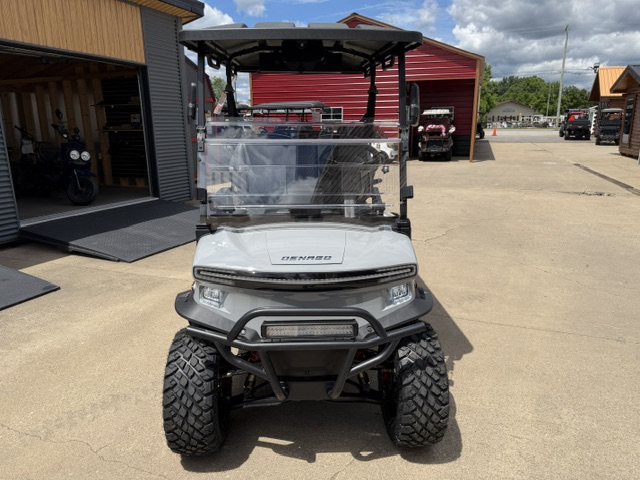
Buyers interested in modern electric technology often explore models like the Denago Nomad XL because newer systems combine strong performance with simplified battery management. Owners looking to improve charging reliability may also benefit from learning how long to charge golf cart batteries since charging habits directly affect overall battery health.
When Replacement Makes More Sense
Some charger problems are repairable, while others justify replacement. Extensive internal damage, repeated failures, and severe overheating often indicate that investing in a new charger may be more practical than continuing repairs. Replacing a failing charger before it damages batteries can save money over time.
Owners should compare repair costs against replacement costs carefully. Modern chargers often provide improved efficiency and compatibility with newer battery technologies. In many cases, upgrading to a newer charger improves both convenience and performance.
Conclusion
Learning how to test a golf cart battery charger helps owners identify charging problems accurately and avoid unnecessary battery replacements. By checking power sources, inspecting charger components, measuring output voltage, and evaluating battery condition, owners can diagnose many common issues effectively. Consistent charging performance remains essential for battery health and overall golf cart reliability. Understanding how chargers operate makes troubleshooting easier and reduces long-term ownership costs. For drivers looking for dependable electric golf carts equipped with modern batteries and charging technology, Hartville Golf Carts offers quality models designed for performance, efficiency, and everyday usability.