
The driver is often the most exciting club in the golf bag because it is designed to hit the ball farther than any other club. However, it is also one of the most challenging clubs for beginners to master. That is why many golfers search how to use a golf driver after struggling with slices, hooks, low shots, or inconsistent distance. Unlike irons, a driver requires a different setup, swing path, and ball position to produce the best results. The goal is not simply to swing harder. Instead, golfers should focus on solid contact, proper mechanics, and consistent timing. Learning how to use a golf driver correctly can improve distance, accuracy, and confidence off the tee while helping golfers avoid the frustration that often comes with erratic drives.
What Makes A Driver Different
A driver differs significantly from every other club in the golf bag. It typically has the largest clubhead, the longest shaft, and the lowest loft. These characteristics help create maximum distance when the ball is struck correctly. Unlike iron shots, where golfers hit down on the ball, driver swings generally encourage a slightly upward strike at impact. This difference changes how golfers approach setup and swing mechanics. Many players struggle because they try to swing a driver exactly like an iron. While both swings share fundamental principles, the driver requires adjustments that promote launch, distance, and forgiveness. Understanding these differences helps golfers build a more effective tee-shot strategy.
Position The Ball Correctly
Ball position plays a major role in driver performance. Most golfers achieve better results by placing the ball opposite the inside of the lead foot. This position allows the club to reach the ball later in the swing arc when it begins moving slightly upward. When the ball sits too far back in the stance, golfers often hit down on it, producing lower shots and less distance. Moving the ball too far forward can create inconsistent contact and directional problems. Finding the correct position encourages cleaner strikes and improved launch conditions without requiring major swing changes.

Use The Proper Tee Height
Tee height affects launch angle and overall distance. A common guideline suggests teeing the ball so that roughly half of it sits above the top edge of the driver’s face when the club rests behind the ball. This setup encourages solid contact near the center of the clubface. Golfers who tee the ball too low often struggle to launch it effectively. Those who tee it too high may hit pop-ups or inconsistent shots. Experimenting with tee height during practice sessions helps players discover what works best for their swing characteristics and driver model.
Create A Balanced Setup Position
A strong setup creates the foundation for successful driving. Golfers should stand with feet approximately shoulder-width apart while maintaining a relaxed athletic posture. The shoulders should tilt slightly away from the target, helping encourage an upward strike through impact. Weight distribution should remain balanced rather than heavily favoring one side. Excess tension in the hands, arms, or shoulders often restricts swing speed and consistency. A comfortable setup promotes smoother movement throughout the swing and helps golfers maintain better control over the clubface.
Focus On Smooth Tempo Instead Of Power
Many golfers mistakenly believe maximum distance comes from swinging as hard as possible. In reality, efficient swings often outperform aggressive swings because they produce better contact and timing. A smooth tempo helps golfers maintain balance while generating consistent clubhead speed. Professional golfers rarely appear to swing out of control, even when producing tremendous distance. They rely on sequencing, rhythm, and efficient mechanics rather than pure effort. Recreational players frequently gain both distance and accuracy when they focus on smooth acceleration instead of brute force.
Many golfers mistakenly believe maximum distance comes from swinging as hard as possible. In reality, efficient swings often outperform aggressive swings because they produce better contact and timing. A smooth tempo helps golfers maintain balance while generating consistent clubhead speed. According to the PGA Tour, better sequencing and efficient mechanics often create more distance than simply swinging harder.
Understand Common Driver Mistakes
Slices remain one of the most common driver problems among amateur golfers. They often occur because the clubface is open relative to the swing path at impact. Poor alignment, improper grip pressure, and swing mechanics can all contribute to directional issues. Other common mistakes include overswinging, poor ball position, and lifting the head too early during the swing. Correcting these fundamentals often produces noticeable improvements without requiring a complete swing overhaul. Consistent practice helps golfers identify and eliminate recurring mistakes gradually.

Practice With A Purpose
Mindless repetition rarely produces lasting improvement. Effective driver practice focuses on specific goals such as center-face contact, alignment, launch angle, or tempo. Golfers who track results during practice sessions often improve faster because they understand what changes create better outcomes. Many instructors recommend alternating between targets rather than repeatedly hitting balls in the same direction. This approach better simulates actual golf course conditions and encourages decision-making. Consistent, focused practice typically produces greater benefits than simply hitting large numbers of balls.
Equipment Can Influence Performance
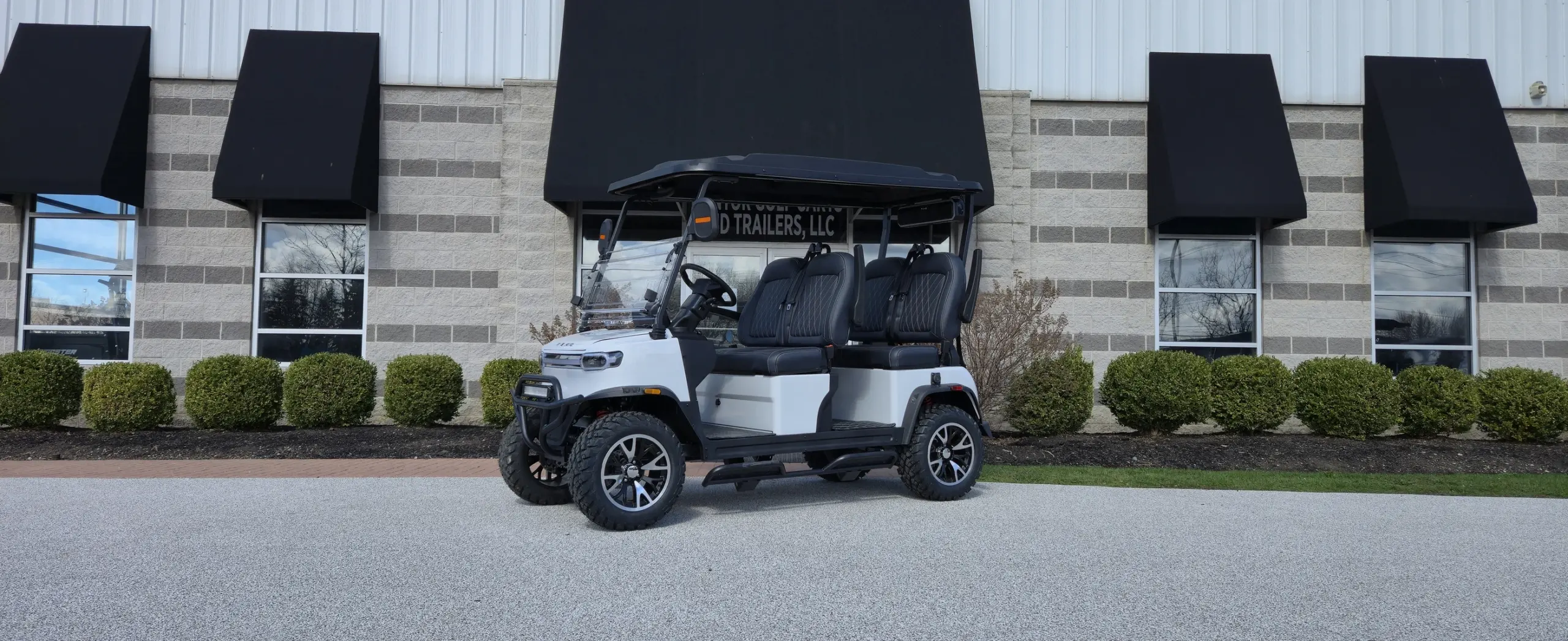
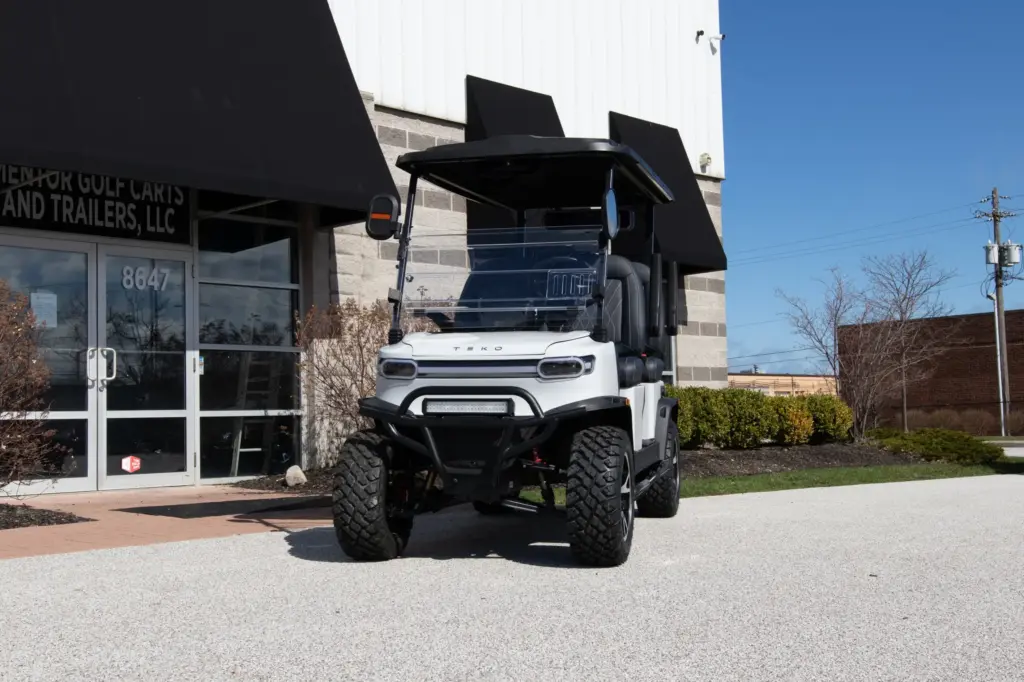
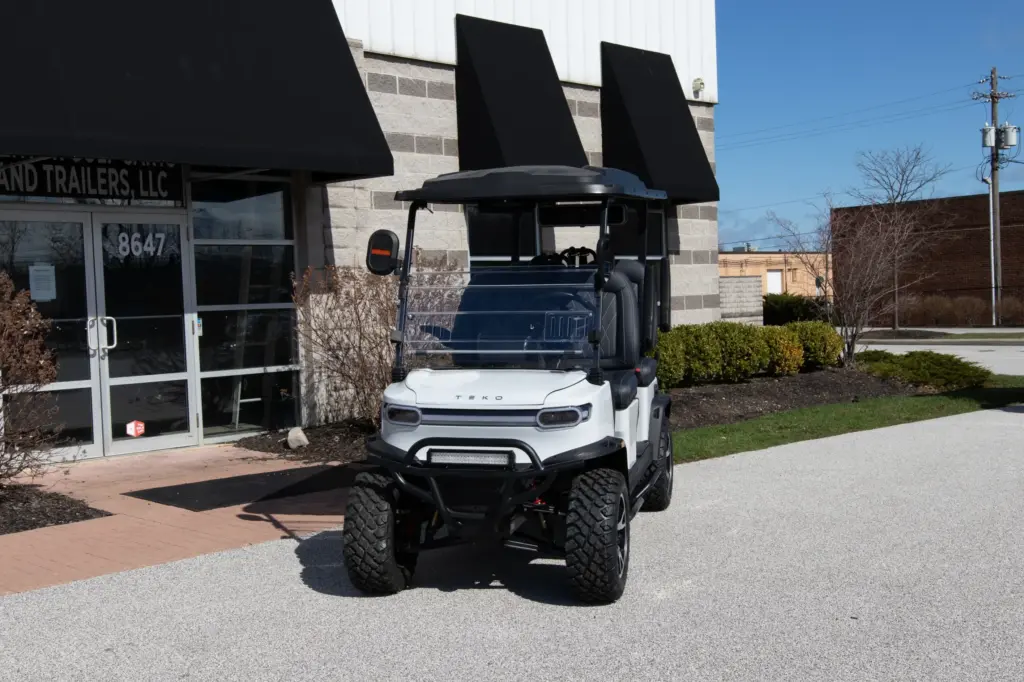
Not every driver suits every golfer. Shaft flexibility, loft angle, clubhead design, and overall fit influence launch conditions and ball flight. A driver that works perfectly for one golfer may produce poor results for another. Golfers often improve performance simply by using equipment better matched to their swing speed and skill level. Players who enjoy spending time at courses and golf communities frequently appreciate reliable transportation as well. Many golfers exploring recreational vehicle options consider the Atlas 4 Passenger Golf Cart for convenient course and community travel.
Learning Golf Fundamentals Improves Driving
The driver may receive the most attention, but strong fundamentals support every aspect of golf performance. Grip, posture, alignment, and balance all influence driving success. Golfers who develop these basics consistently often experience better results throughout the entire bag. Developing complete golf knowledge often leads to more consistent and enjoyable play.
Conclusion
Learning how to use a golf driver effectively requires more than simply swinging harder. Proper ball position, tee height, setup, tempo, and practice habits all contribute to longer and more accurate drives. While the driver can be challenging, mastering the fundamentals helps golfers build confidence and improve performance off the tee. Consistent practice and realistic expectations usually produce better results than chasing quick fixes. For golfers who enjoy both the game and the lifestyle surrounding it, Hartville Golf Carts offers dependable vehicles designed for comfort, convenience, and everyday enjoyment.