
ATV prices can vary widely, which makes it difficult for first-time buyers to know what they should expect to spend. Many shoppers ask how much are ATVs before comparing models, engine sizes, and features. New ATVs often cost between $3,000 and $15,000 or more. Youth models usually sit at the lower end, while powerful utility and sport machines cost considerably more. Buyers should also plan for safety gear, maintenance, insurance, registration, and accessories. Understanding these costs makes it easier to choose an ATV that fits both your riding needs and your budget.
Entry-Level ATVs Offer The Lowest Prices
Entry-level ATVs remain popular because they provide an affordable way to enter the off-road world. Most beginner-focused models cost between $3,000 and $6,000, depending on engine size and features. These machines typically emphasize ease of use, manageable power delivery, and reliability rather than aggressive performance.
Many first-time riders choose entry-level models because they offer enough capability for trail riding and recreational use without requiring a major financial commitment. Smaller engines also tend to reduce fuel consumption and maintenance expenses. While these machines may lack advanced suspension systems and premium technology, they often provide excellent value for casual riders who prioritize affordability and simplicity.
Utility ATVs Cost More Because They Do More
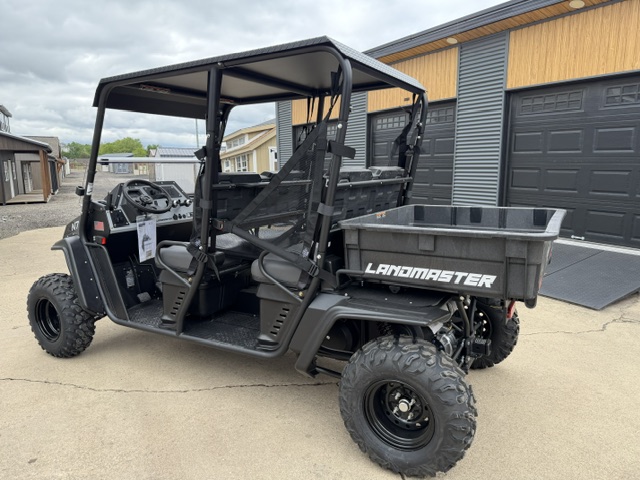
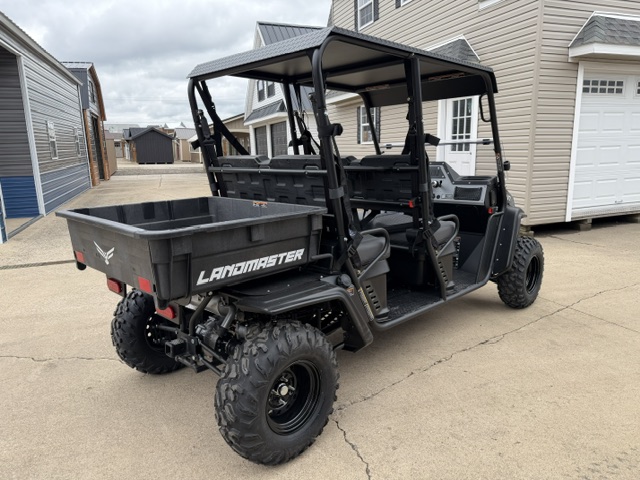
Utility ATVs are designed for work as much as recreation. Farmers, ranchers, hunters, and property owners often rely on these machines for transportation and hauling tasks across difficult terrain. Because of their increased capability, utility models generally cost between $7,000 and $12,000 or more.
Features such as four-wheel drive, cargo racks, towing capability, and larger engines contribute to the higher price tag. Buyers who use ATVs for work often view these features as worthwhile investments because they improve productivity and versatility. A utility ATV may cost more initially, but the added functionality often justifies the expense for owners who depend on their machines regularly.
Sport ATVs Command Premium Prices
Sport ATVs focus on speed, handling, and performance rather than utility. These machines appeal to experienced riders who enjoy aggressive trail riding, racing, and challenging terrain. High-performance suspension systems, lightweight construction, and powerful engines all contribute to increased pricing.
Many sport ATVs start around $8,000 and can exceed $15,000 depending on specifications. Riders seeking maximum performance often prioritize acceleration, responsiveness, and suspension quality over practical cargo capacity. While sport models offer thrilling riding experiences, they are not always the best choice for buyers primarily interested in utility work or casual trail exploration.
Used ATVs Can Provide Significant Savings
Many buyers explore the used market because it offers opportunities to purchase capable ATVs at lower prices. Used models frequently cost thousands less than comparable new machines, making them attractive options for budget-conscious shoppers. However, the condition becomes extremely important when evaluating used equipment.
Potential buyers should inspect engines, suspension components, tires, and maintenance records carefully before making a purchase. A well-maintained used ATV can provide years of reliable service, while a neglected machine may require expensive repairs shortly after purchase. Careful inspection helps buyers avoid costly surprises and maximize value.
Engine Size Influences Pricing Dramatically
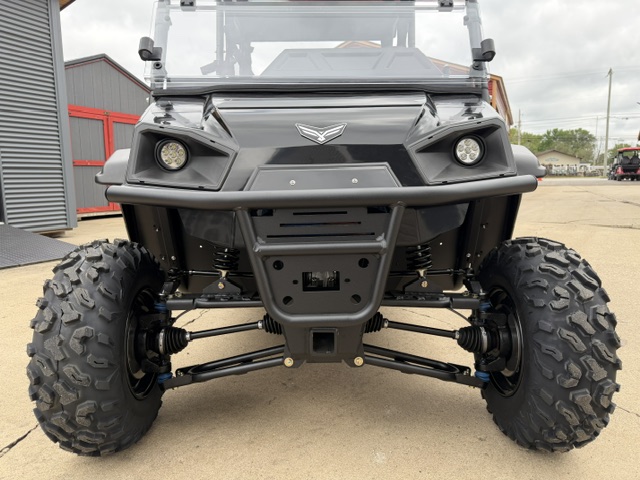
Engine size remains one of the biggest factors affecting ATV pricing. Smaller ATVs under 250cc generally cost less because they provide lower power output and simpler designs. Mid-size models often balance affordability with strong performance, making them popular among recreational riders.
Larger engines increase both capability and cost. Machines equipped with 700cc, 850cc, or even 1,000cc engines often carry premium price tags because they deliver stronger acceleration, towing power, and off-road performance. Buyers should avoid assuming bigger is always better. Choosing an engine size that matches actual riding needs often results in better overall value.
Ownership Costs Extend Beyond The Purchase Price
The ATV itself represents only part of the total financial commitment. Riders should also budget for helmets, riding gear, maintenance, fuel, insurance, and storage. Some owners purchase trailers to transport their ATVs to riding locations, adding another potential expense.
Routine maintenance costs vary based on riding frequency and terrain conditions. Tires, oil changes, air filters, and brake components eventually require replacement. According to Polaris Off Road, proper maintenance and operating conditions play a major role in the long-term ownership costs and reliability of an ATV.
Features And Technology Increase Prices
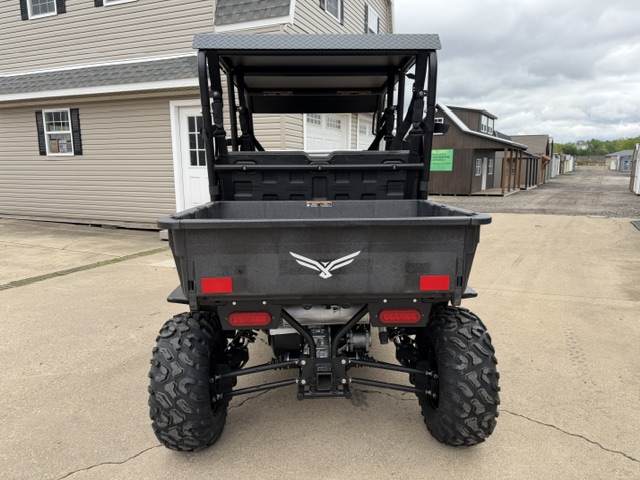
Modern ATVs include technology that was unavailable just a few years ago. Electronic power steering, selectable drive modes, advanced suspension systems, digital displays, and traction management systems all improve the riding experience. However, these upgrades also increase purchase prices.
Some riders prioritize comfort and convenience features because they spend long hours on trails or working outdoors. Others prefer simpler machines that focus on durability and lower ownership costs. Understanding which features provide meaningful benefits helps buyers avoid paying for technology they may rarely use.
Many Buyers Compare ATVs And UTVs
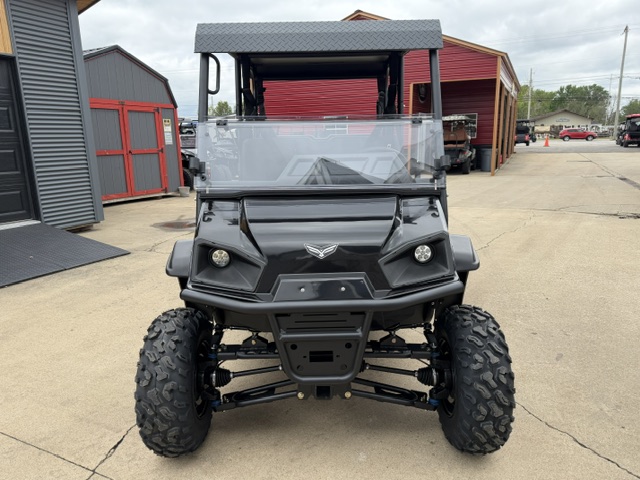
As ATV prices increase, some shoppers begin comparing them with utility task vehicles. UTVs provide side-by-side seating, larger cargo areas, and improved passenger comfort. While they often cost more than ATVs, many buyers find the additional practicality worthwhile.
Outdoor enthusiasts exploring utility-focused options sometimes consider vehicles like the Venom Strike 4 because modern utility vehicles combine off-road capability with passenger convenience. Comparing both categories helps buyers identify which platform best fits their intended use and long-term goals.
Financing can also affect the true cost of an ATV. A lower monthly payment may look affordable, but interest and dealer fees can raise the final price. Buyers should compare the total financed amount instead of focusing only on the monthly payment. It also helps to ask about warranty coverage, service plans, and delivery charges before signing an agreement. Reviewing every cost upfront can prevent unexpected expenses and make different ATV offers easier to compare.
Choosing The Right ATV For Your Budget
The best ATV is not necessarily the most expensive one. Buyers should evaluate how they plan to use the vehicle, how often they expect to ride, and what features matter most. A recreational trail rider may have very different needs than a farmer using an ATV daily for work-related tasks.
Creating a realistic budget that includes purchase price and ownership costs helps buyers avoid overspending. Researching multiple models and comparing features carefully often reveals options that provide excellent value without exceeding financial limits. The goal is to find an ATV that balances performance, reliability, and affordability.
Conclusion
So, how much are ATVs? Entry-level models often start near $3,000, while premium utility and sport ATVs can exceed $15,000. Engine size, drivetrain, suspension, technology, and intended use all affect the final price. Buyers should also include maintenance, safety equipment, insurance, storage, and transportation costs in their budgets. Comparing total ownership costs will help you choose a dependable machine without overspending.
Outdoor enthusiasts can explore recreational and utility vehicles at Hartville Golf Carts. The team can help buyers compare practical options for work, property use, and outdoor recreation.