
Several ATV owners wonder whether they can ride beyond trails, farms, and private property without needing a trailer. That leads to one of the most common questions among off-road enthusiasts: are ATV road legal? The answer is usually no, at least not in the same way as passenger vehicles. In most states, ATVs are designed primarily for off-road use and cannot be driven freely on public roads. However, there are exceptions. Some states allow limited road use on designated routes, while others permit ATVs to operate on certain roads after meeting registration, equipment, and licensing requirements. Because laws vary significantly by state and even by local jurisdiction, ATV owners should always verify local regulations before operating on public roads. Understanding where and when ATVs can legally be used helps riders avoid fines, accidents, and unnecessary legal problems.
Why Most ATVs Are Not Street Legal
Manufacturers design ATVs primarily for off-road environments rather than public streets. Their suspension systems, tires, lighting, and handling characteristics are optimized for trails, dirt roads, and rugged terrain. Because of that, many ATVs do not meet the same safety standards required for highway vehicles.
Passenger cars and trucks include equipment such as advanced lighting systems, mirrors, crash protection features, and other safety components designed for traffic environments. Most ATVs lack many of these requirements. Their narrower stance and off-road tire designs can also affect stability on paved roads. These factors explain why states generally restrict ATV operation to off-road areas unless special exceptions apply.
State Laws Vary Considerably
The biggest challenge when answering are ATV road legal is that laws differ from one state to another. Some states prohibit ATV use on public roads almost entirely. Others allow operation on designated roads, local streets, or approved routes connecting trail systems.
In rural areas, certain communities permit ATV travel on specific roads to provide access between trails, fuel stations, and local businesses. These permissions often come with restrictions regarding speed limits, road types, and operating hours. Riders should never assume that rules from one state automatically apply elsewhere. Researching local regulations before riding on public roads remains essential for legal compliance.
Registration Requirements For Road Use
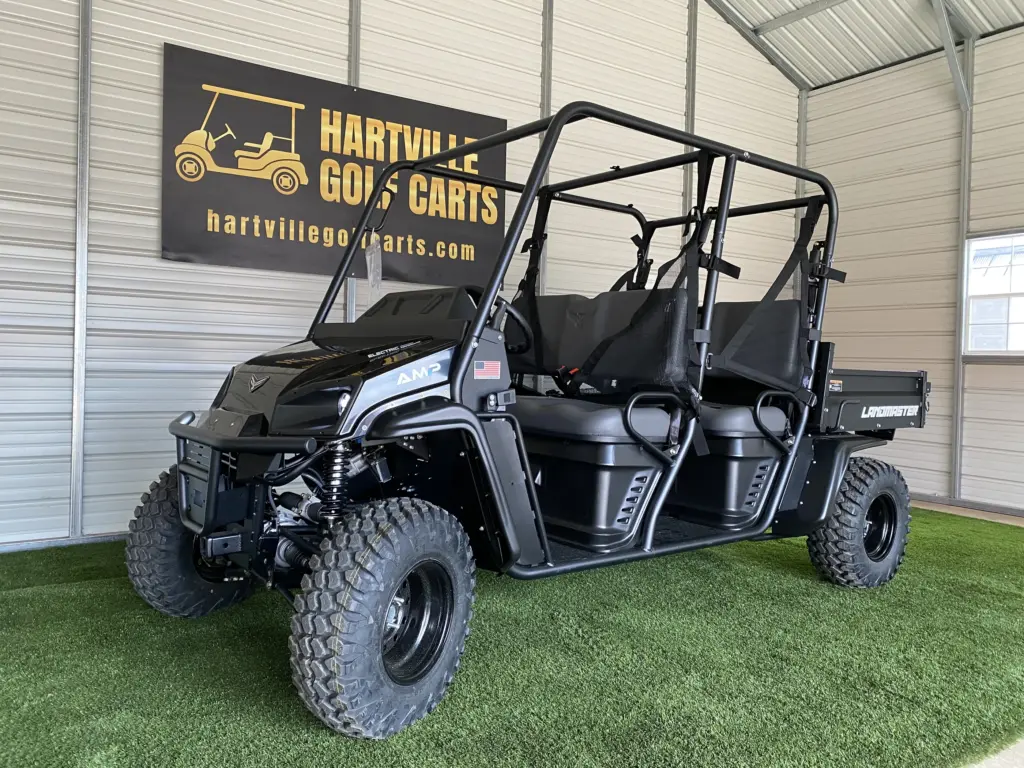
States that permit some degree of ATV road use often require registration before operation. Registration helps identify the vehicle and allows authorities to track ownership information. Some states issue special off-highway vehicle registrations, while others require additional permits for limited street use.
Owners may need to display registration decals, carry proof of ownership, and maintain valid documentation while riding. Registration requirements vary widely, which is why ATV owners should review local motor vehicle regulations carefully. Failing to register properly can result in fines even if road use itself is allowed.
Equipment Needed For Street-Legal Operation
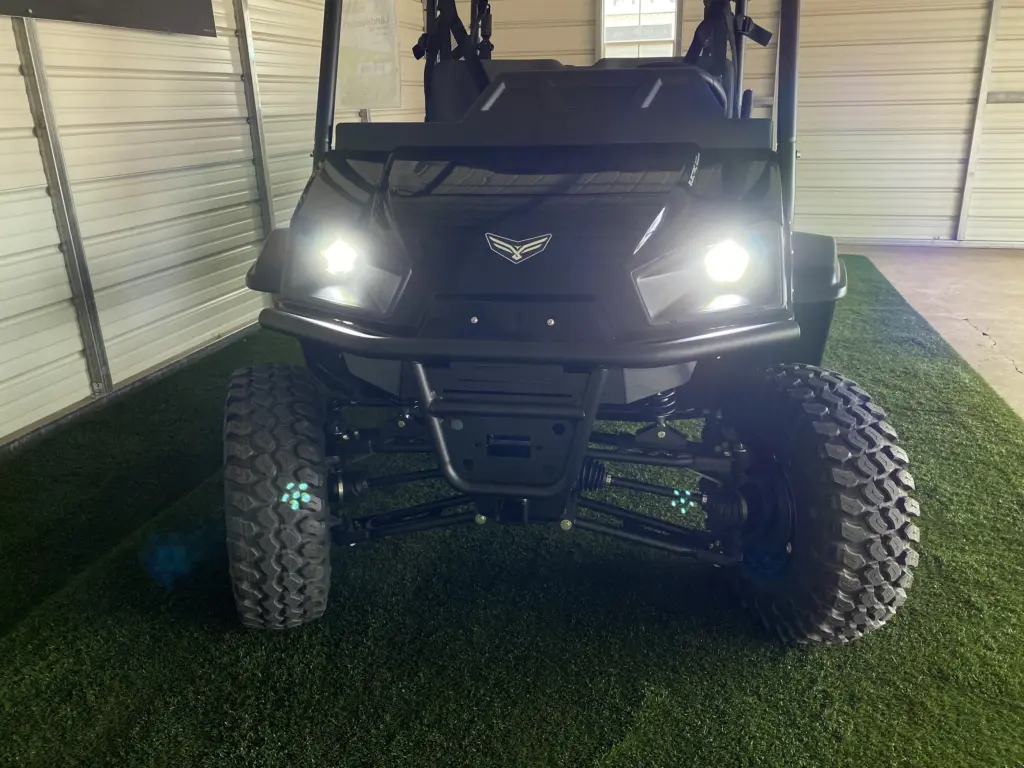
In states that allow ATVs on public roads, additional equipment is often required. Common requirements include headlights, taillights, brake lights, mirrors, horns, and sometimes turn signals. Some jurisdictions also require speedometers, reflectors, and approved tires for paved-road operation.
Adding these components may improve visibility and safety, but installing them does not automatically make an ATV street legal everywhere. Riders must still comply with registration, licensing, and inspection requirements where applicable. Equipment upgrades represent only one part of the legal process.
Driver Licensing Rules Often Apply
Even when ATVs are allowed on public roads, operators may still need valid driver’s licenses. States frequently require riders to hold the same licenses necessary for operating passenger vehicles on public roadways. Some jurisdictions also impose minimum age requirements beyond standard ATV regulations.
Younger riders who can legally operate ATVs on private property may not qualify for road use. Parents and guardians should verify local licensing requirements carefully before allowing minors to ride on roads where ATV operation is permitted. Licensing requirements exist to help ensure operators understand traffic laws and roadway safety practices.
Insurance May Be Required
Road use often creates additional insurance obligations. Many states require liability insurance for vehicles operating on public roads, including ATVs in certain situations. Insurance protects riders financially if accidents or property damage occur during road operation.
Coverage requirements differ based on state law and intended vehicle use. Owners considering road operation should contact insurance providers before assuming existing off-road coverage remains sufficient. Insurance compliance can become just as important as registration and equipment requirements when ATVs enter public traffic environments.
Safety Concerns On Public Roads
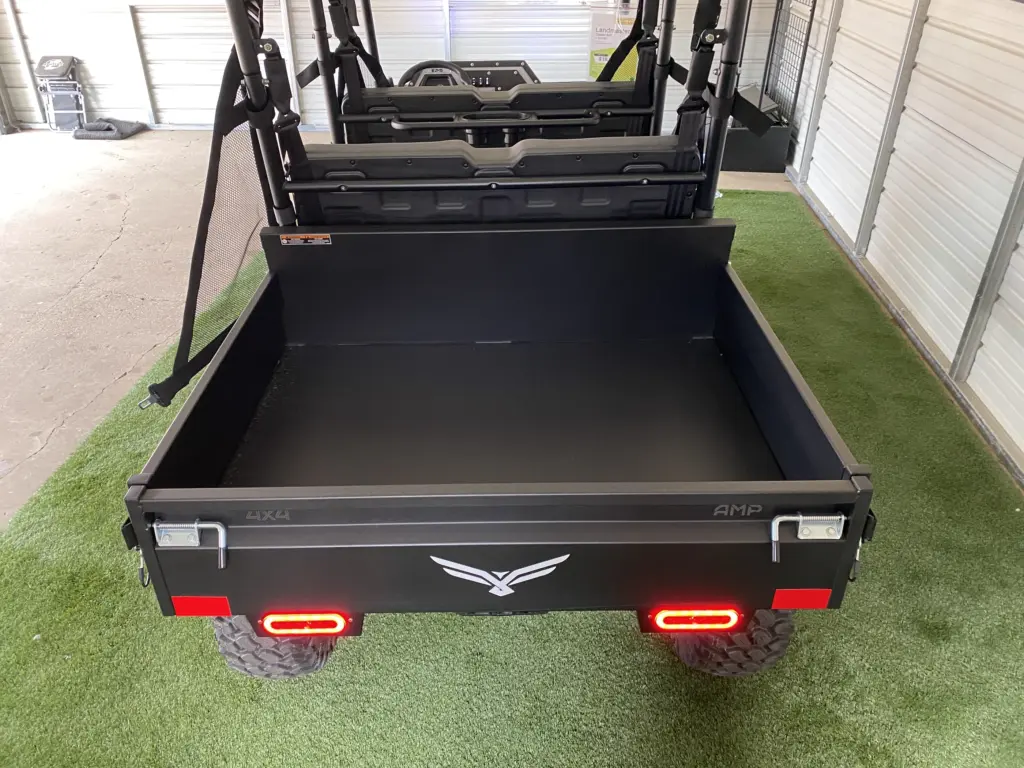
Even where ATV road use is legal, safety concerns remain significant. ATVs are engineered primarily for uneven terrain rather than paved roads shared with larger vehicles. Their handling characteristics can feel different on pavement, especially during turns and emergency maneuvers.
According to the USA.gov motor vehicle resources, vehicle operation requirements and safety regulations vary by state. Riders should remember that legal permission does not eliminate risks associated with sharing roads alongside cars, trucks, and motorcycles. Defensive riding and proper equipment remain important regardless of local regulations.
Alternatives To Traditional ATVs
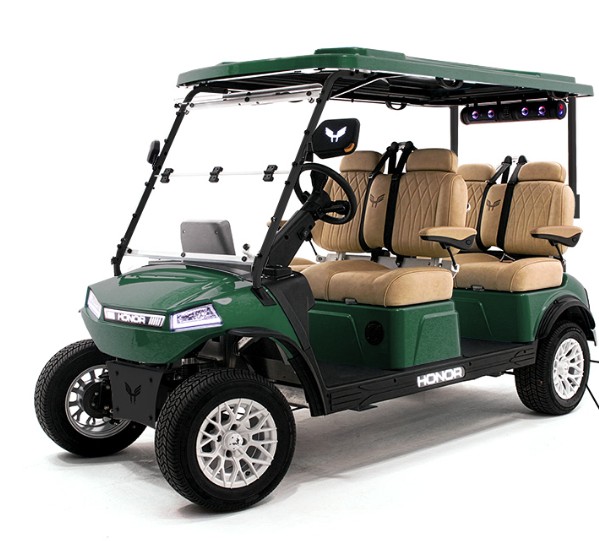
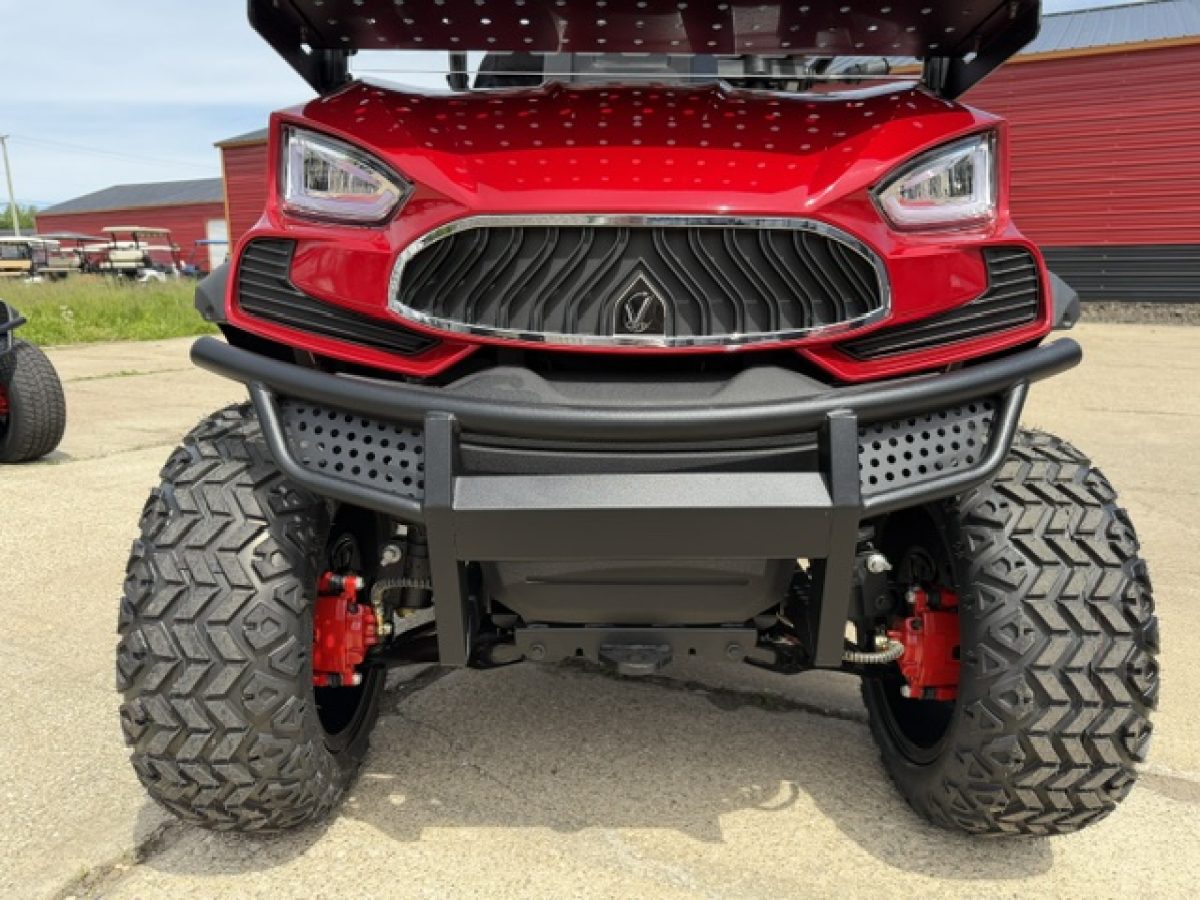
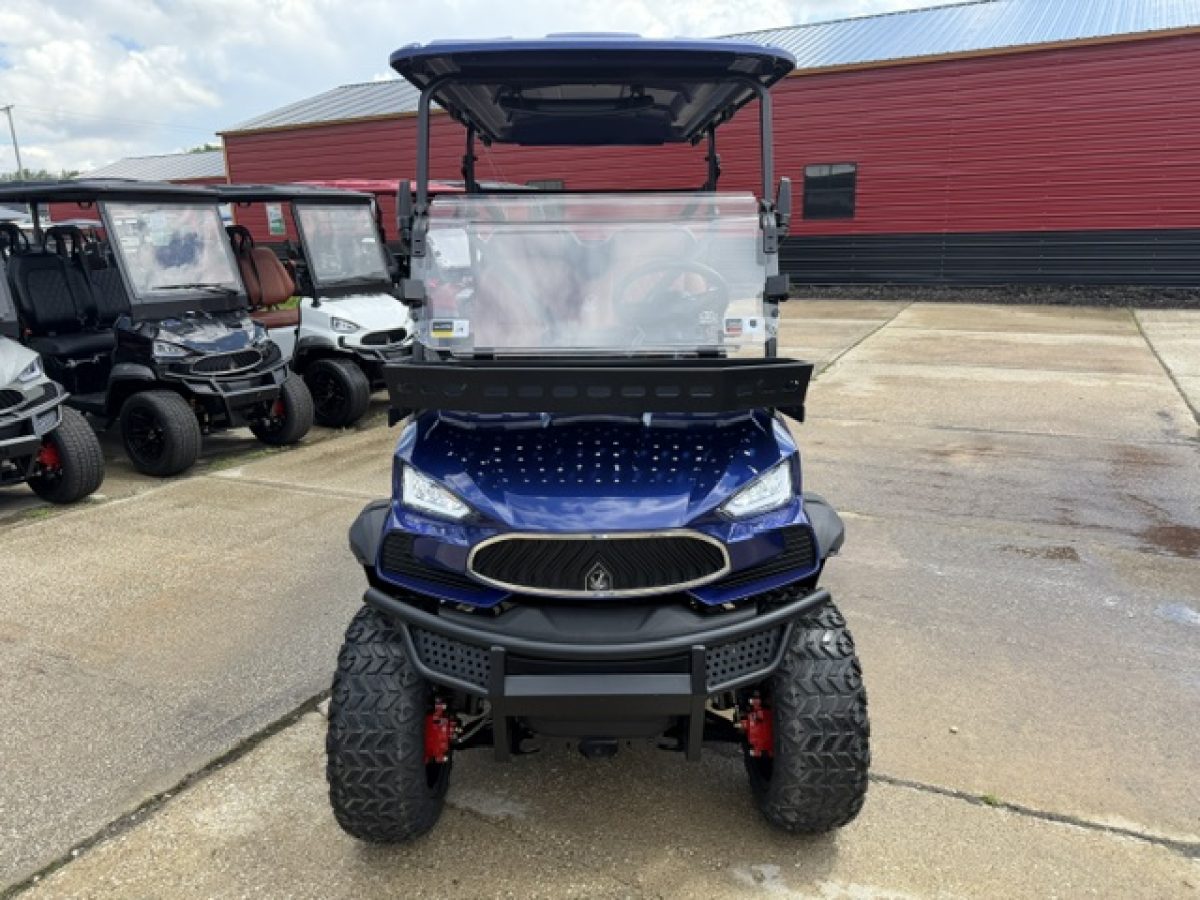
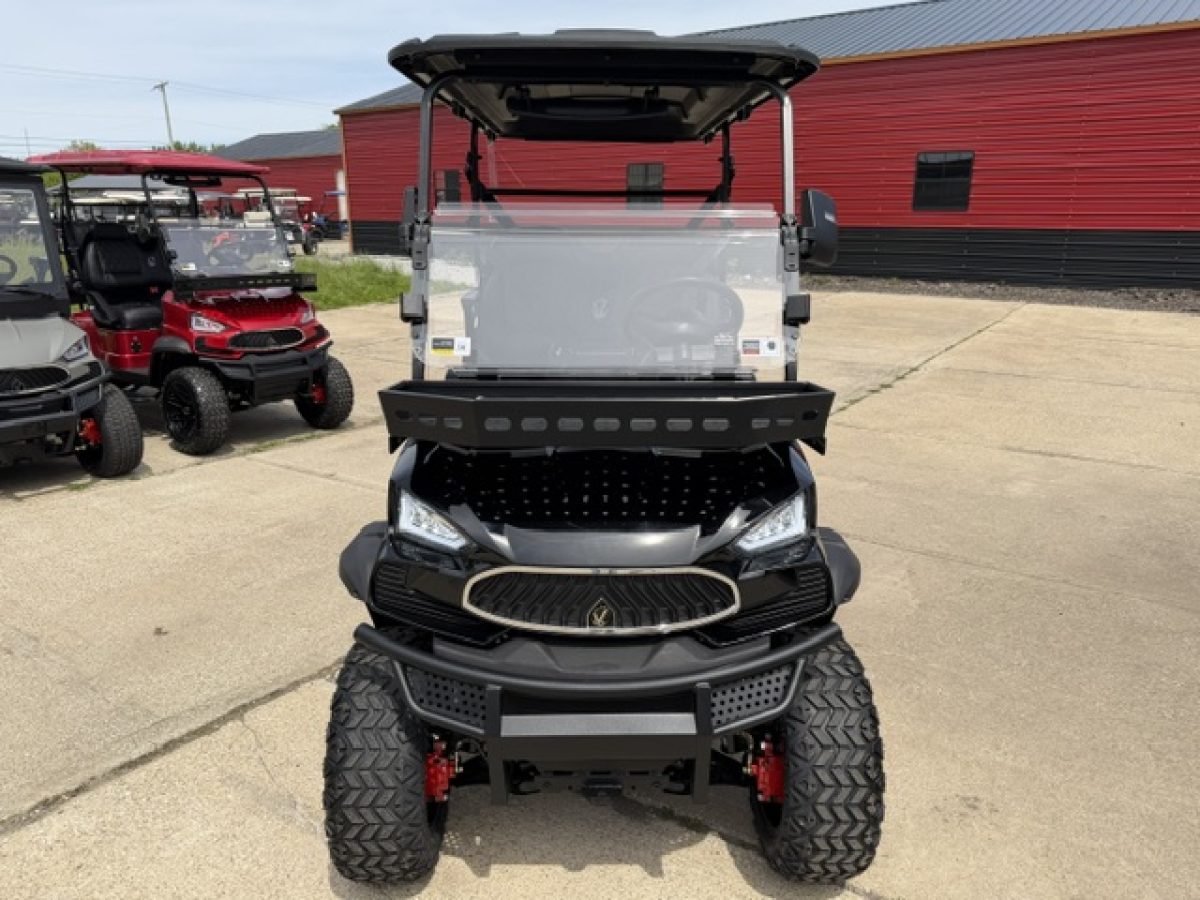
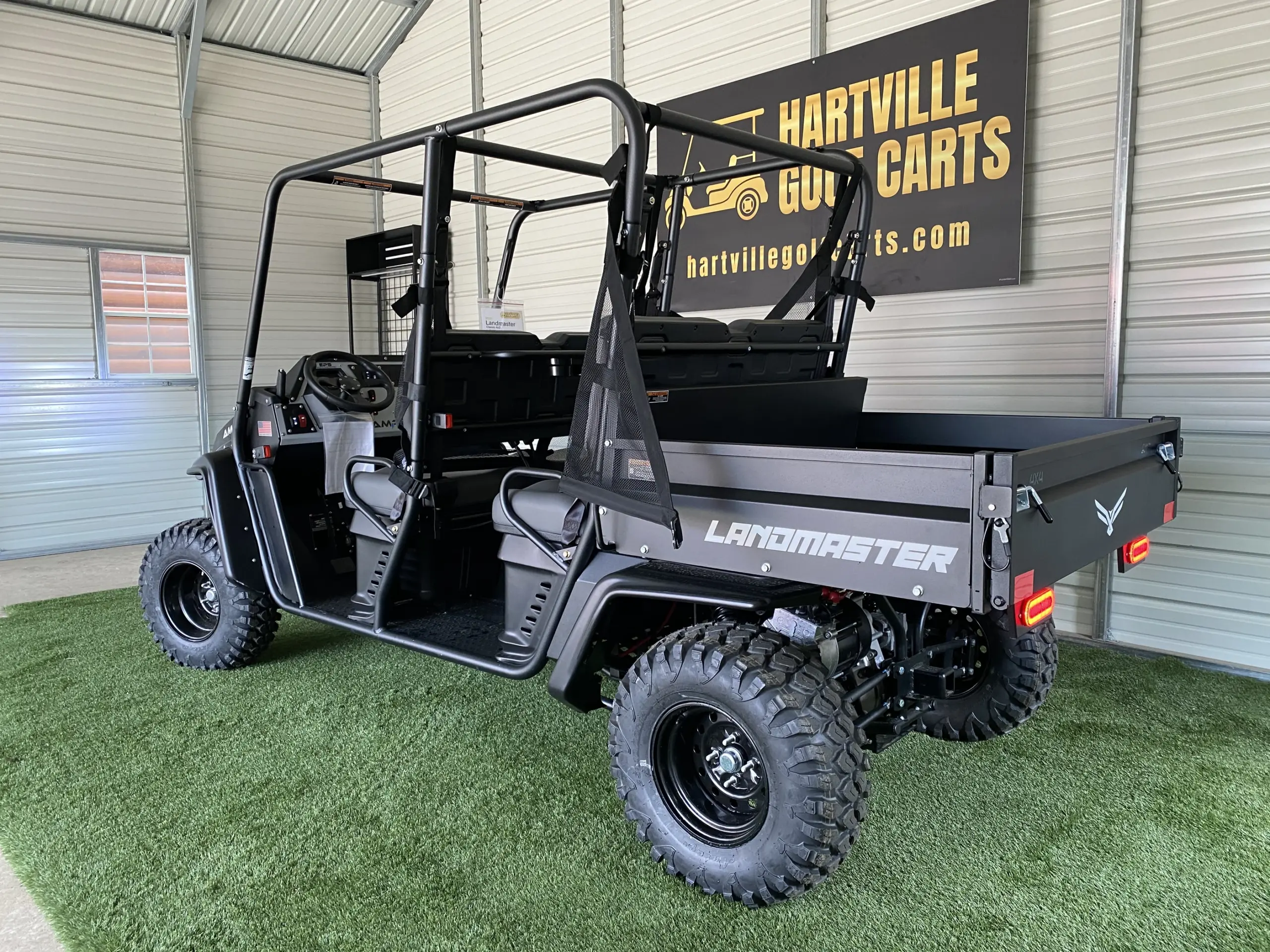
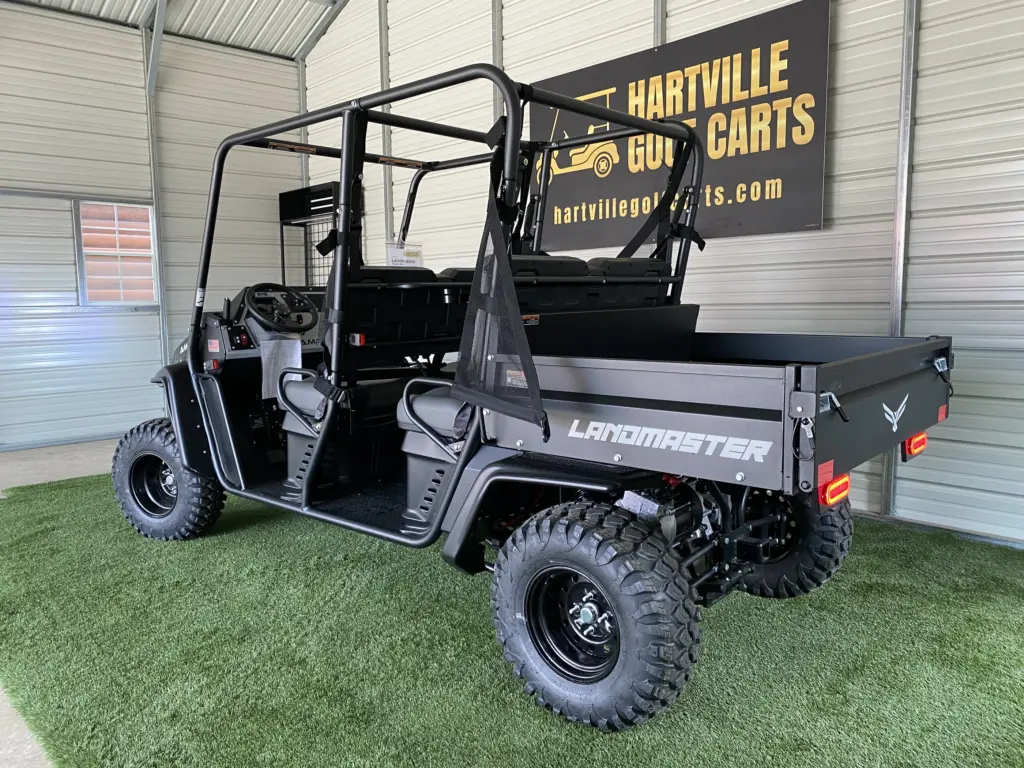
Some riders discover that side-by-side utility vehicles offer a better solution for situations involving road access and passenger transportation. UTVs often provide additional safety features, greater comfort, and more flexibility depending on local regulations. These vehicles have become increasingly popular among property owners and outdoor enthusiasts.
Buyers comparing off-road transportation options sometimes explore models like the Venom Strike 4 because modern utility vehicles combine practical passenger capacity with strong off-road capability. Comparing multiple vehicle types helps riders choose equipment that matches both recreational and transportation needs.
Conclusion
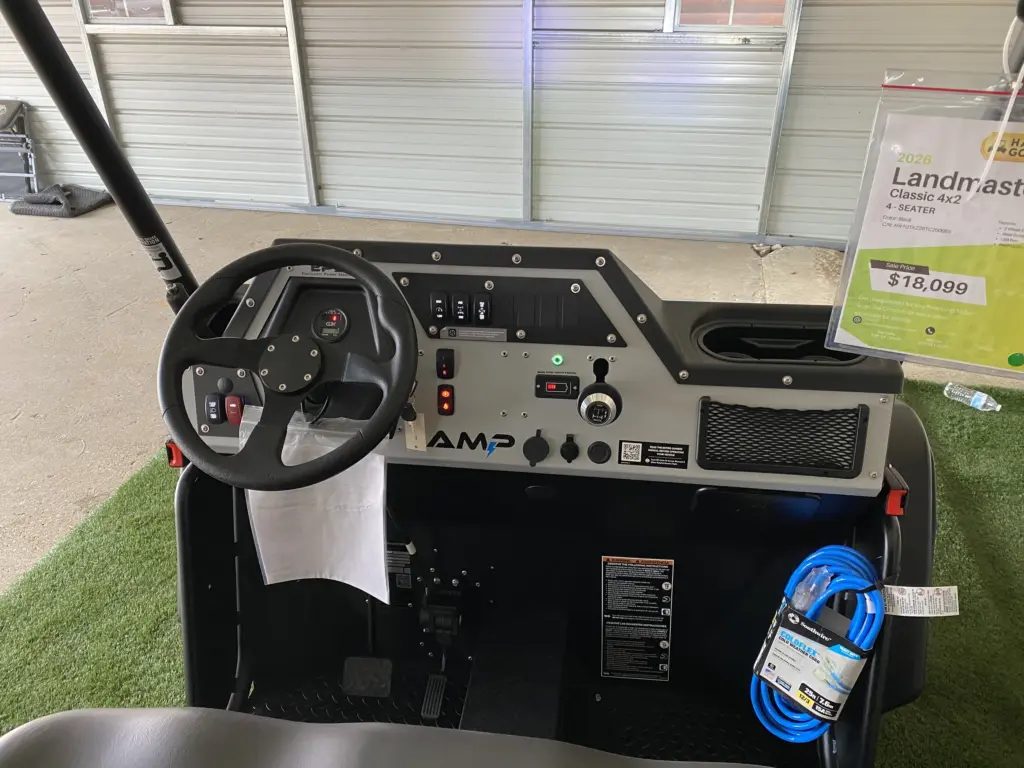
For most riders, the answer to are ATV road legal is that it depends heavily on state and local laws. While many ATVs remain restricted to off-road use, certain areas allow limited public-road operation when registration, equipment, licensing, and insurance requirements are met. Riders should always verify local regulations before operating an ATV on public streets because rules vary widely across the country. Understanding these requirements helps owners stay compliant while enjoying their vehicles safely. For those exploring modern recreational and utility vehicle options built for outdoor versatility, Hartville Golf Carts offers dependable models designed for both work and recreation.