
Are ATVs street legal? In most states, standard ATVs are not automatically street legal because they are designed primarily for off-road use. However, some states and local jurisdictions allow ATVs on certain public roads if owners meet registration, insurance, safety equipment, and operational requirements.
If you own an ATV, you may wonder whether you can legally drive your off-road vehicle on public roads instead of limiting it to trails, farms, or private property. That question becomes especially common in rural towns, campground communities, and outdoor recreation areas where ATVs are already part of everyday life. Rules vary heavily depending on state law, county ordinances, and the type of road involved. Understanding those differences helps riders avoid tickets, registration problems, and unsafe driving situations while deciding how they plan to use their ATV long term.
Most ATVs Start As Off-Road Vehicles
Manufacturers build most ATVs specifically for off-road environments such as dirt trails, farms, wooded terrain, hunting land, and recreational riding areas. These machines focus heavily on traction, maneuverability, and rough-terrain performance rather than highway comfort or traffic safety. Large off-road tires, lightweight frames, and handlebar steering systems work extremely well in mud, sand, and uneven outdoor terrain. However, those same features may behave differently on pavement and public roads. Most ATVs also lack several components required for legal street operation in many states. Because of this, buyers should never assume an ATV qualifies automatically for road use simply because it can physically drive on pavement.
Street-Legal Laws Depend On The State
One of the biggest challenges involving ATV road use is that laws vary dramatically between states. Some states allow limited road access under specific conditions, while others restrict ATVs almost entirely to private land and approved trails. Even counties and towns inside the same state sometimes create additional local rules regarding ATV operation. Drivers should always research local regulations carefully instead of relying on assumptions or social media advice. According to USA.gov, states control vehicle registration and road-use laws independently, which explains why ATV regulations differ so much across the country. A setup that works legally in one area may violate laws completely in another location.
| Requirement | Commonly Required For Street-Legal ATVs |
|---|---|
| Headlights | Yes |
| Brake Lights | Yes |
| Mirrors | Often Required |
| Turn Signals | Often Required |
| Horn | Often Required |
| Registration | Usually Required |
| Insurance | Often Required |
| Safety Inspection | Depends On State |
Many States Require Safety Equipment
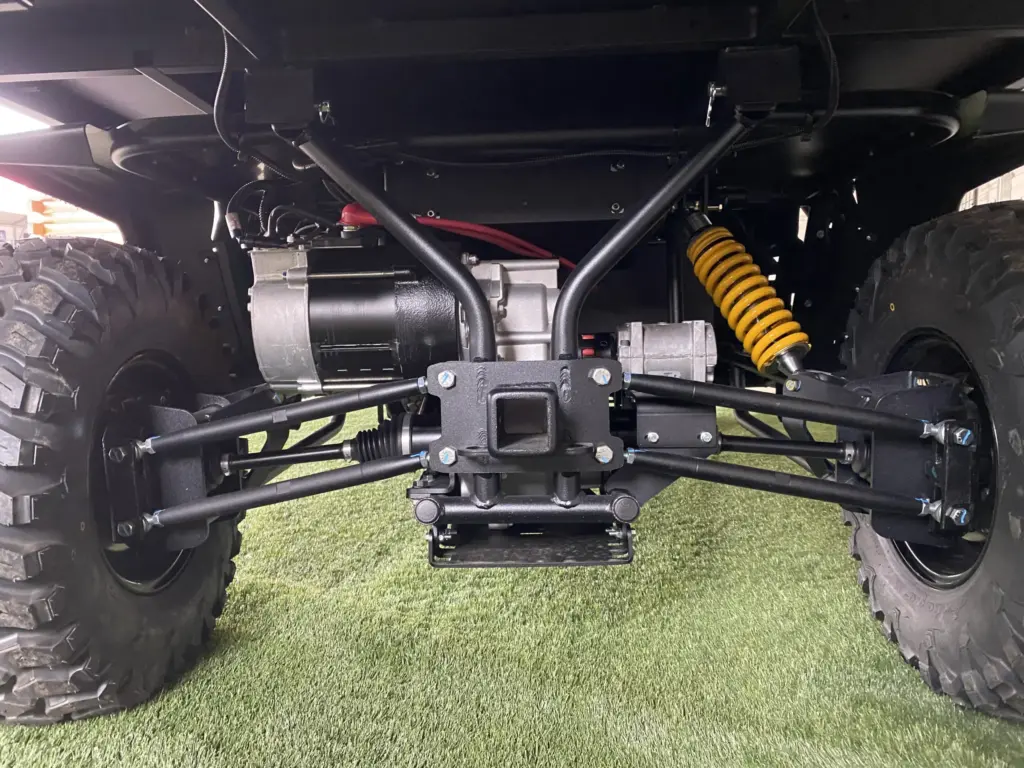
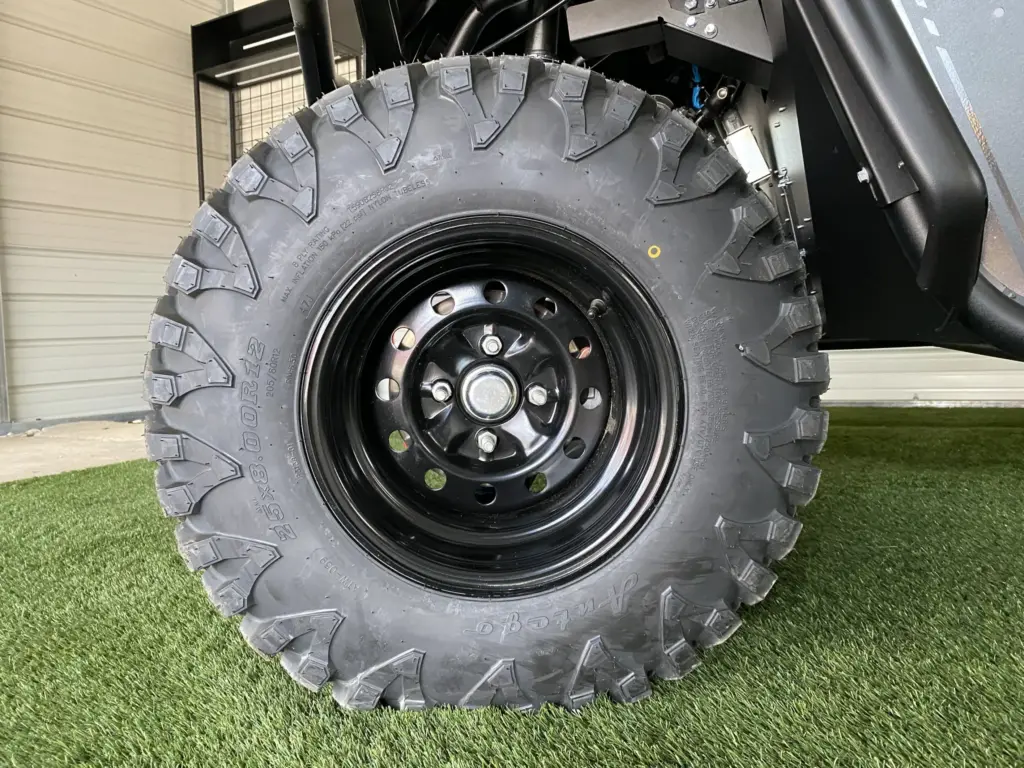
States that allow street-legal ATV operation often require additional safety equipment before registration approval. Common requirements may include headlights, brake lights, turn signals, mirrors, horns, license plates, and approved tires suitable for pavement use. Some areas also require speedometers, reflectors, and windshields, depending on local rules. Cheap aftermarket lighting kits sometimes fail inspections because they do not meet brightness or visibility standards properly. Owners interested in legal road operation should verify equipment requirements carefully before spending money on modifications.
Insurance And Registration Usually Matter
Street-legal ATV use often requires insurance coverage and official registration similar to other road vehicles. Some states issue specialized off-road vehicle registrations, while others require standard registration procedures before allowing limited public-road access. Insurance companies may also evaluate modifications differently depending on how the ATV will operate. Larger tires, suspension lifts, and engine modifications sometimes affect coverage eligibility and pricing. Riders should confirm insurance rules before assuming their existing off-road policy covers public-road driving situations.
Road Type Often Changes The Rules
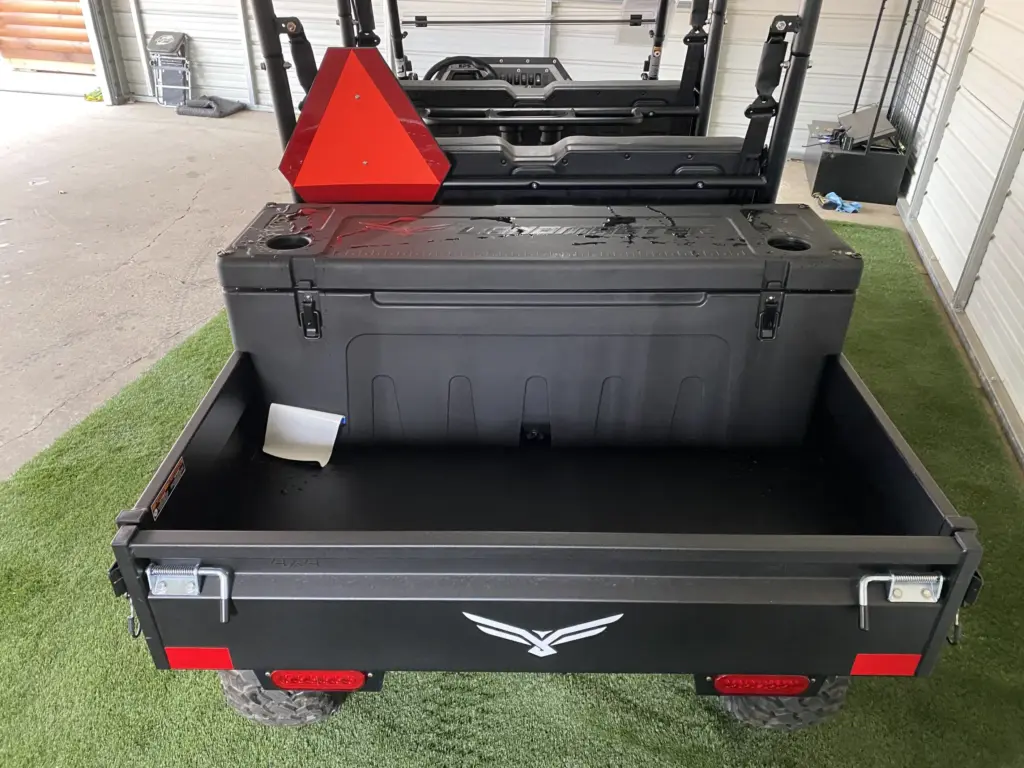
Even in states where ATVs can become street legal, riders usually cannot access every type of road freely. Many states limit ATV use to roads with lower speed limits or designated rural routes where traffic conditions remain less dangerous. Highways and heavily populated urban roads often remain prohibited because ATVs are not designed for high-speed traffic conditions. Their lightweight frames, off-road tires, and shorter wheelbases create different handling behavior than passenger vehicles during emergency braking or sharp maneuvers. Riders should understand those limitations clearly before driving near traffic.
Rural Areas Often Allow More Flexibility
Many rural communities allow limited ATV road use because these vehicles help residents travel between farms, trails, campgrounds, and small local businesses efficiently. In some areas, ATV tourism even contributes significantly to the local economy. Campground regions and outdoor recreation towns sometimes create designated ATV routes connecting fuel stations, restaurants, and trail systems. However, even in ATV-friendly communities, riders still need to follow traffic laws, speed limits, and equipment regulations carefully to remain compliant.
Safety Becomes More Important On Roads
Operating an ATV on public roads creates risks that many trail riders do not encounter regularly off-road. Traffic intersections, pavement conditions, distracted drivers, and higher vehicle speeds increase the importance of visibility and defensive driving habits significantly. ATVs are smaller and lighter than most passenger vehicles, which can make them harder for drivers to notice quickly in traffic situations. Wearing helmets, using proper lighting, and avoiding high-traffic roads whenever possible all help improve safety during public road operation.
Some Riders Eventually Prefer Side-by-Side Vehicles
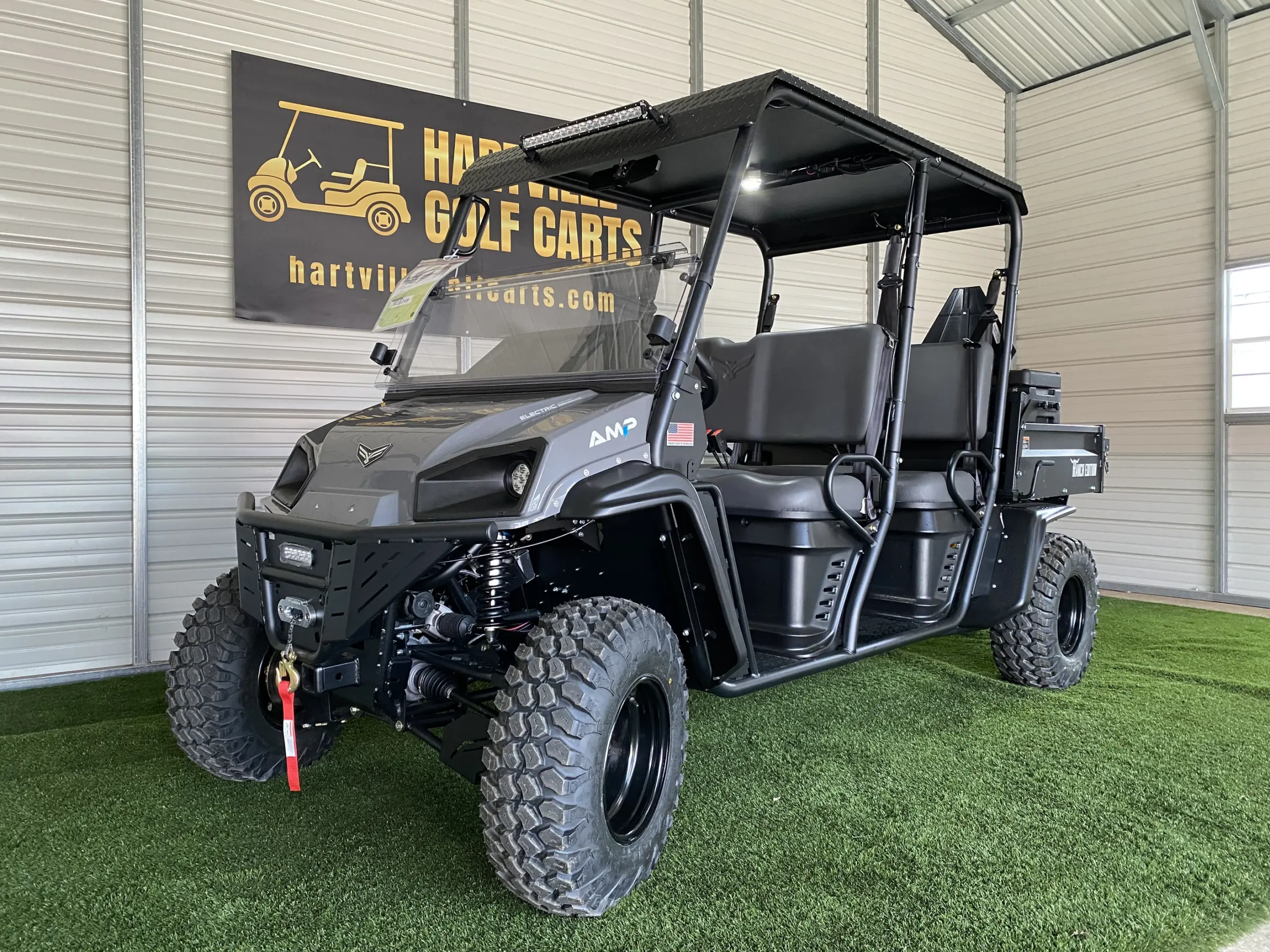
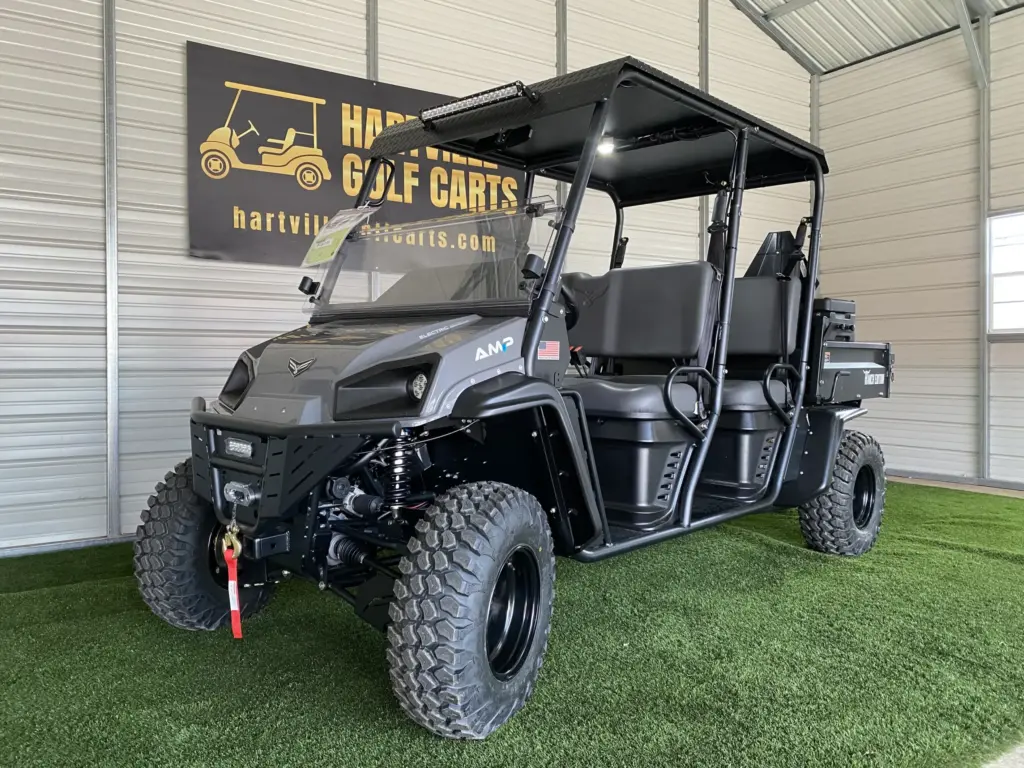
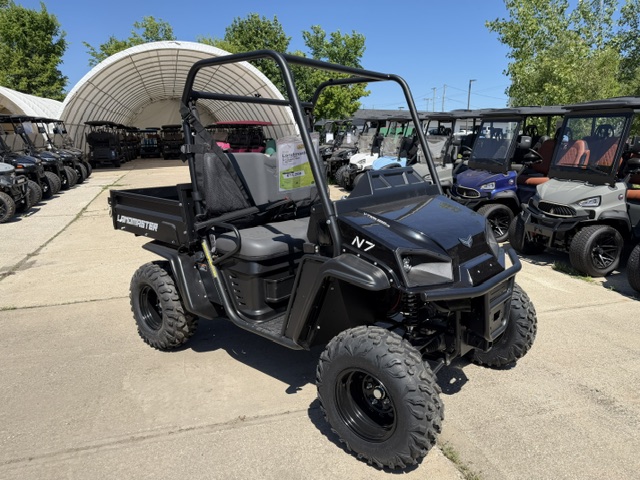
Many ATV owners eventually compare traditional ATVs with side-by-side UTVs because some UTV models offer better passenger comfort and road-oriented utility features. Side-by-side vehicles often include steering wheels, seat belts, cargo space, and enclosed seating layouts that feel more stable during longer rides. Drivers exploring versatile utility-focused off-road vehicles sometimes consider models like the Venom Strike 4 because modern utility vehicles combine outdoor capability with practical passenger comfort and cargo flexibility. The choice often depends on whether buyers prioritize maneuverability or multi-purpose usability.
Street-Legal Modifications Can Become Expensive
Converting an ATV into a street-legal vehicle sometimes costs more than buyers expect initially. Lighting systems, mirrors, registration fees, insurance costs, inspections, and approved tires all add to the total investment. Some owners also install upgraded brakes or suspension components for safer road performance. Before starting large modification projects, riders should calculate the full cost carefully and compare it against how often they realistically plan to use the ATV on public roads. In some cases, a different type of vehicle may fit road transportation needs more naturally.
What Makes An ATV Street Legal?
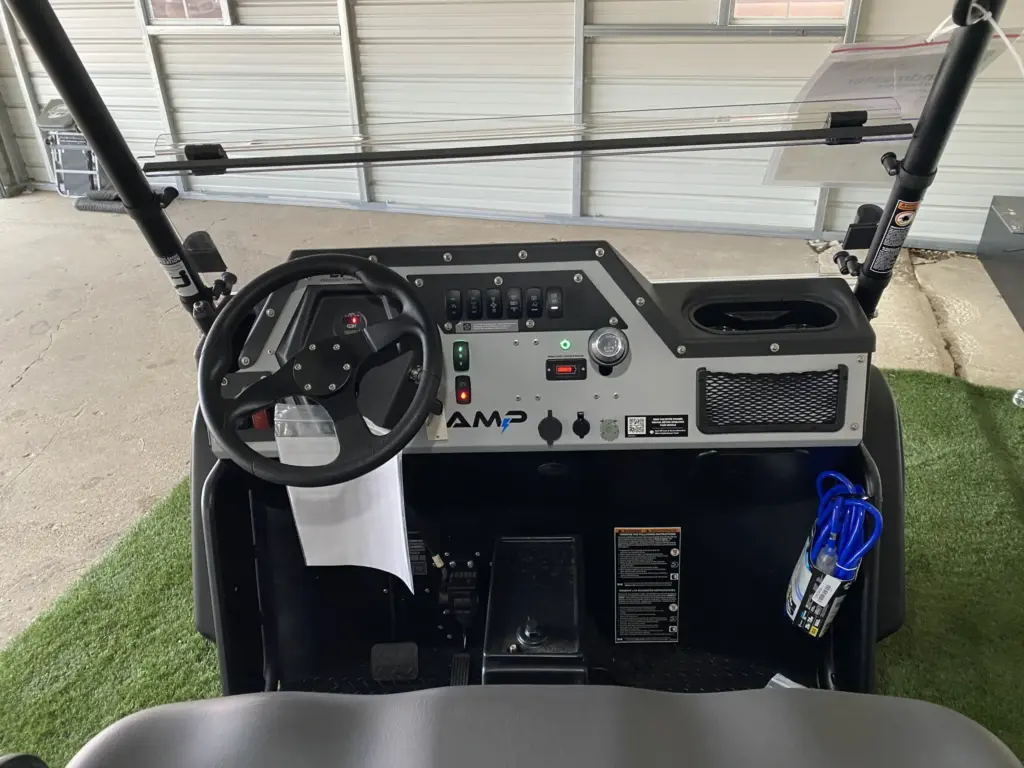
Whether an ATV can become street legal depends on state and local regulations. Common requirements often include headlights, brake lights, turn signals, mirrors, a horn, proper registration, insurance coverage, and approved tires. Some jurisdictions may also require inspections before allowing road use. Because requirements vary significantly, owners should verify local laws before investing in modifications.
Frequently Asked Questions About Street-Legal ATVs
Can You Drive An ATV On The Road Without Registration?
In most states, no. If an ATV is approved for public-road use, owners typically must complete registration requirements and comply with local vehicle laws. Registration rules vary by state, county, and municipality, so riders should always verify local requirements before operating an ATV on public roads.
Do You Need A Driver’s License To Drive An ATV On Public Roads?
Many states require a valid driver’s license when operating an ATV on public roads. However, licensing requirements vary depending on local regulations and the type of road being used. Riders should review state and local laws before driving an ATV outside approved off-road areas.
Can An ATV Be Made Street Legal?
In some states, yes. Owners may be able to convert an ATV for limited road use by installing required safety equipment such as headlights, brake lights, mirrors, turn signals, and a horn. Registration, insurance, and vehicle inspections may also be required before the ATV can legally operate on public roads.
What Makes An ATV Street Legal?
Street-legal requirements vary by location, but common requirements often include headlights, taillights, brake lights, mirrors, turn signals, a horn, registration, and insurance coverage. Some states may also require inspections and approved road-use tires before allowing an ATV to operate on public roads.
Conclusion
The answer to are ATVs street legal depends almost entirely on local and state laws where the vehicle will operate. Some areas allow limited road use after owners install proper safety equipment and complete registration requirements, while other locations restrict ATVs mainly to private property and off-road trails. Riders interested in public-road driving should research local regulations carefully before modifying or registering their vehicle. Responsible operation, proper safety equipment, and legal compliance all play major roles in safe ATV road use. For drivers exploring dependable utility and recreational vehicles designed for outdoor versatility and everyday performance, Hartville Golf Carts offers reliable models built for practical adventure and long-term usability.