
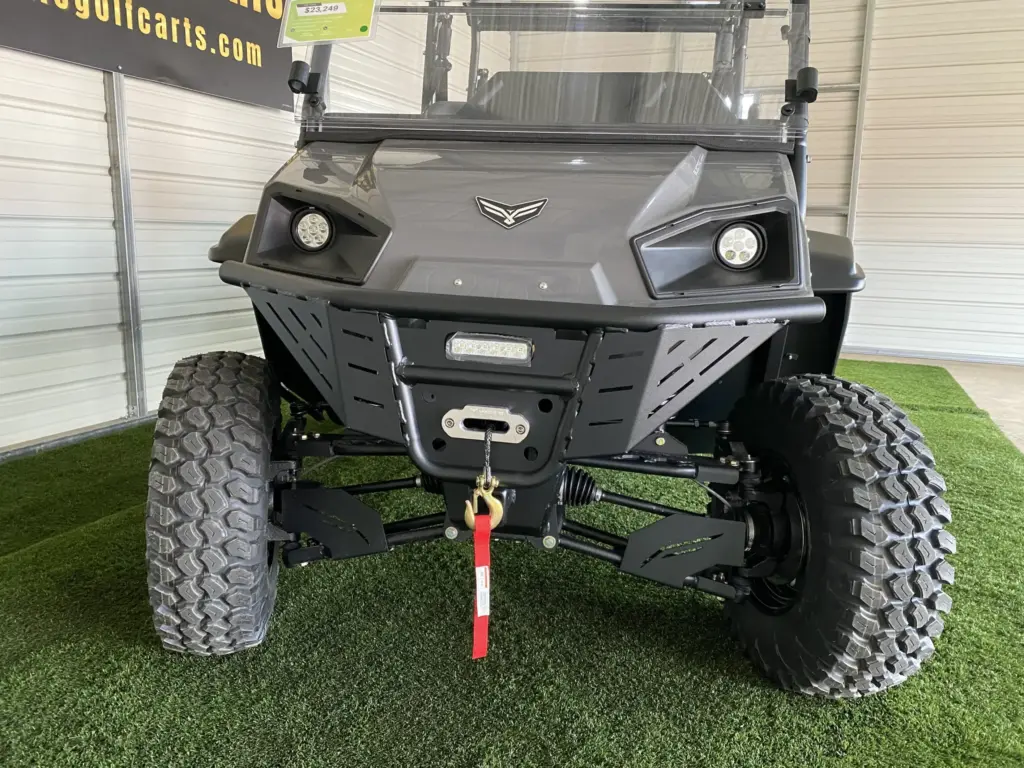
ATVs have become one of the most recognizable off-road vehicles in the world because they combine adventure, utility, and outdoor freedom into a compact machine. Many first-time buyers search what is an ATV after seeing these vehicles used on trails, farms, hunting land, beaches, and recreational properties. ATV stands for All-Terrain Vehicle, which describes a motorized off-road machine designed to travel across dirt, mud, sand, gravel, and uneven outdoor terrain. Most ATVs use handlebar steering, large low-pressure tires, and single-rider seating, although some models support two riders. These vehicles are popular because they can handle terrain that ordinary vehicles cannot reach comfortably. Modern ATVs now serve many different purposes beyond recreation alone. Some owners use them for trail riding and outdoor adventure, while others rely on them for farming, hunting, landscaping, towing, and property maintenance across difficult terrain conditions.
How ATVs Became So Popular
ATVs grew in popularity because they offered outdoor access and maneuverability that larger vehicles struggled to match. Early off-road riders appreciated how easily ATVs traveled through wooded trails, muddy terrain, and narrow outdoor paths where trucks and larger utility vehicles could not operate comfortably.
Over time, manufacturers improved suspension systems, engine performance, safety equipment, and durability. These improvements expanded ATV use far beyond recreational trail riding alone. Farmers began using them for hauling supplies and checking livestock. Hunters used them to reach remote outdoor areas more efficiently. Families also discovered ATVs could provide exciting recreational experiences during camping trips and outdoor vacations.
Most ATVs Use A Simple Riding Design
Unlike side-by-side UTVs, most ATVs use a straddle-seat design similar to motorcycles. Riders sit directly on the vehicle while controlling steering through handlebars instead of a steering wheel. This setup allows riders to shift body weight during turns and uneven terrain driving.
Large low-pressure tires help absorb bumps while improving traction on loose surfaces such as dirt, mud, and sand. The lightweight frame also allows ATVs to maneuver through narrow trails much more easily than larger off-road vehicles. According to Honda, modern ATVs are engineered for a combination of durability, off-road capability, and recreational versatility across changing terrain conditions.
Different Types Of ATVs Exist
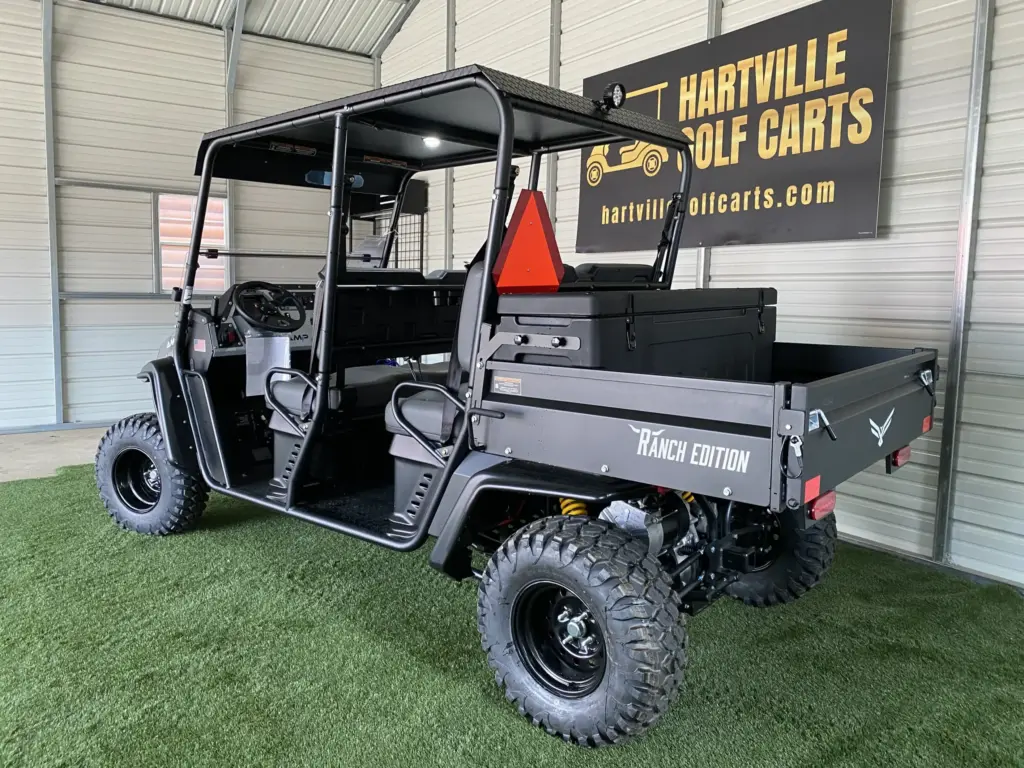
Not every ATV serves the same purpose. Sport ATVs focus heavily on speed, lightweight handling, and aggressive trail performance. Riders who enjoy faster trail riding and recreational competition often choose these models because they respond quickly during turns and acceleration.
Utility ATVs focus more on towing, hauling, and outdoor work capability. These machines usually include stronger suspension systems, larger cargo racks, and four-wheel-drive capability designed for farms, hunting land, and rough property maintenance. Youth ATVs also exist for younger riders, although safety supervision remains extremely important during operation.
ATVs Handle Rough Terrain Extremely Well
One major reason riders continue choosing ATVs involves their strong off-road capability. Their lightweight design and aggressive tires allow them to handle mud, gravel, hills, sand, and rocky surfaces effectively. Smaller dimensions also help riders maneuver through wooded areas where larger vehicles struggle.
Hunters and outdoor workers often appreciate this flexibility because it allows them to reach difficult locations quickly while carrying equipment or supplies. Trail riders also enjoy the more active riding experience ATVs provide because riders interact directly with terrain conditions during operation.
Safety Matters More Than Many Riders Expect
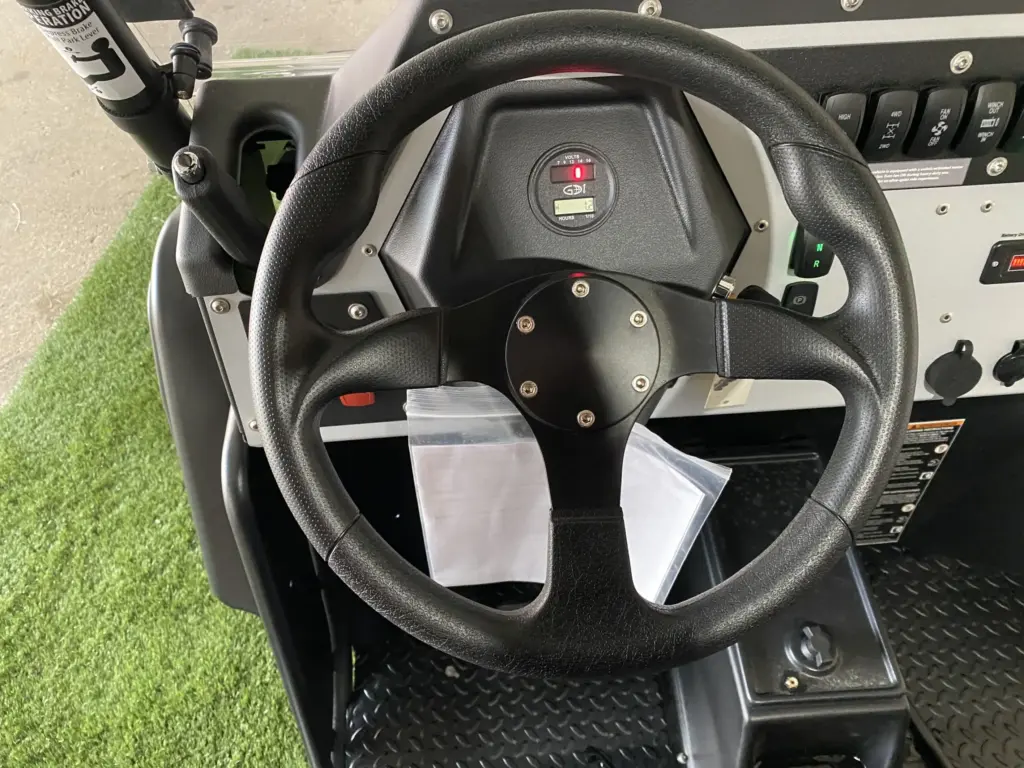
Although ATVs provide exciting outdoor experiences, safe riding habits remain extremely important. Riders should always wear helmets, gloves, eye protection, and proper riding gear while operating these vehicles. Rough terrain and sudden obstacles create risks that require constant attention and control.
Many accidents happen because riders exceed safe speeds or attempt terrain beyond their skill level. Younger riders especially need supervision and age-appropriate vehicle sizes during operation. Responsible riding habits help reduce injury risk significantly while improving long-term enjoyment.
ATVs Can Handle Utility Work Too
Many people associate ATVs mainly with recreation, but these machines often handle serious outdoor work surprisingly well. Utility-focused models tow small trailers, carry tools, transport supplies, and help property owners complete difficult outdoor jobs efficiently.
Farmers frequently use ATVs for fence inspections, hauling feed, and traveling quickly across large properties. Campground owners and landscapers also rely on them because they maneuver easily while carrying equipment through rough environments. Their versatility remains one of the biggest reasons ATV ownership continues growing.
Modern Off-Road Vehicles Continue Evolving
Off-road vehicle technology has improved dramatically during the last decade. Better suspension systems, fuel efficiency, lighting, traction systems, and durability have made modern ATVs much more capable than older generations. Riders now expect smoother handling and greater reliability during both work and recreation.
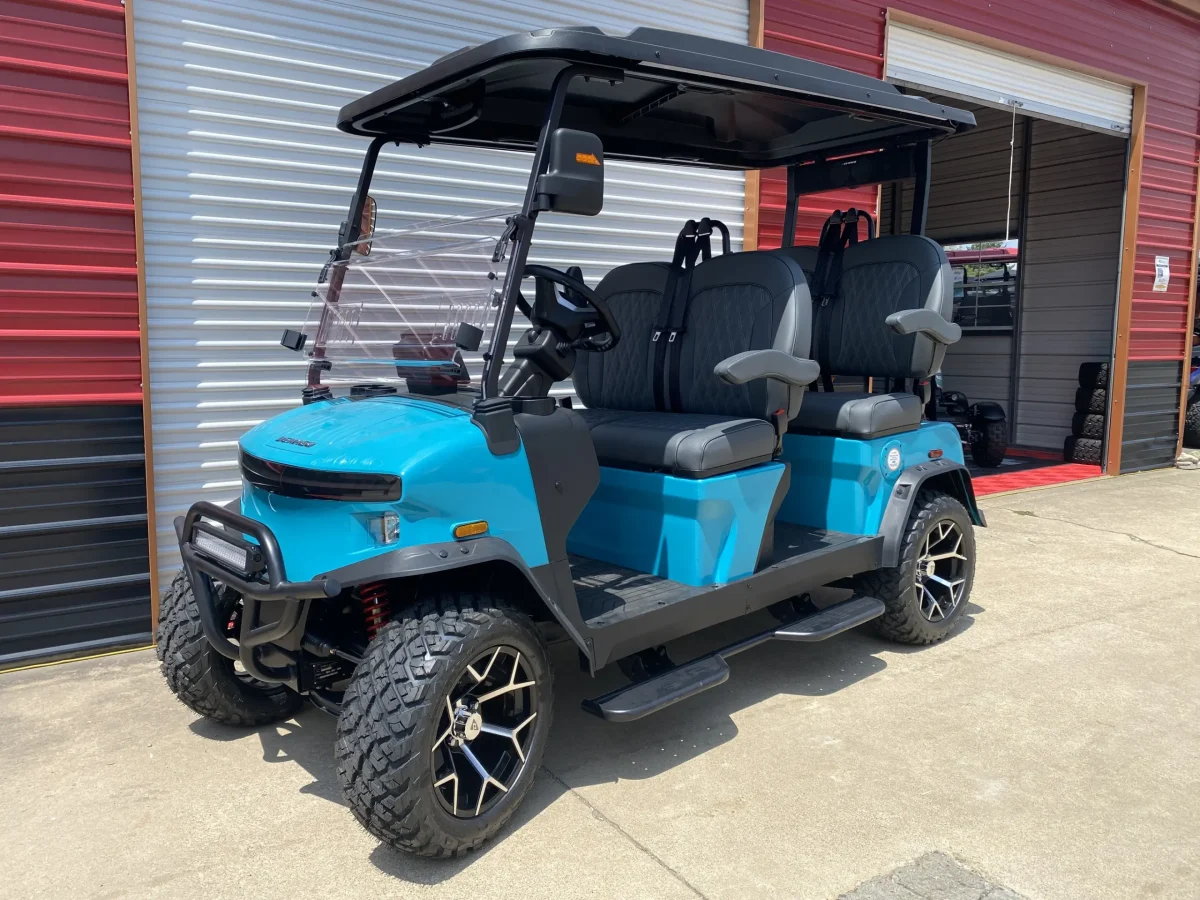
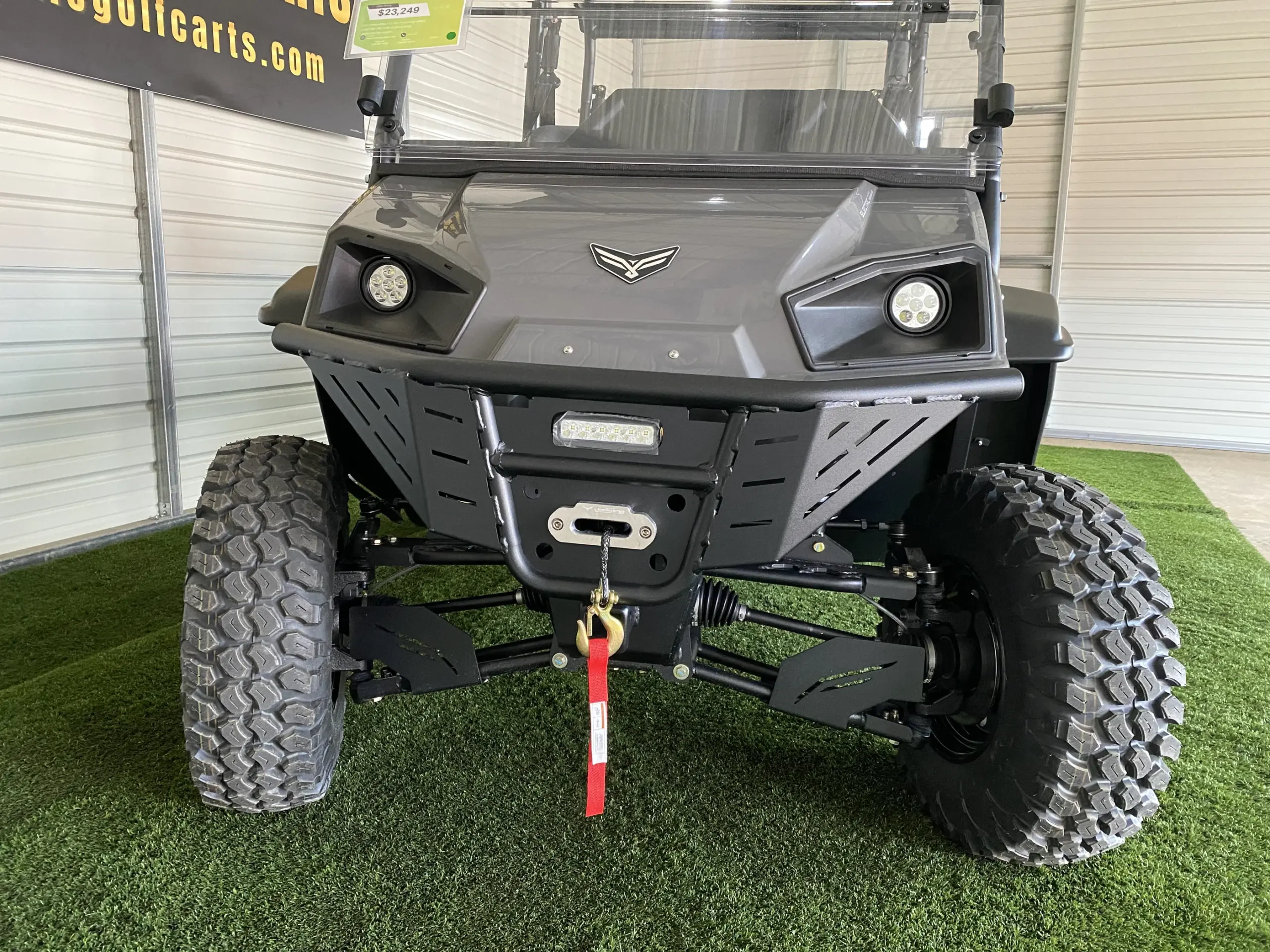
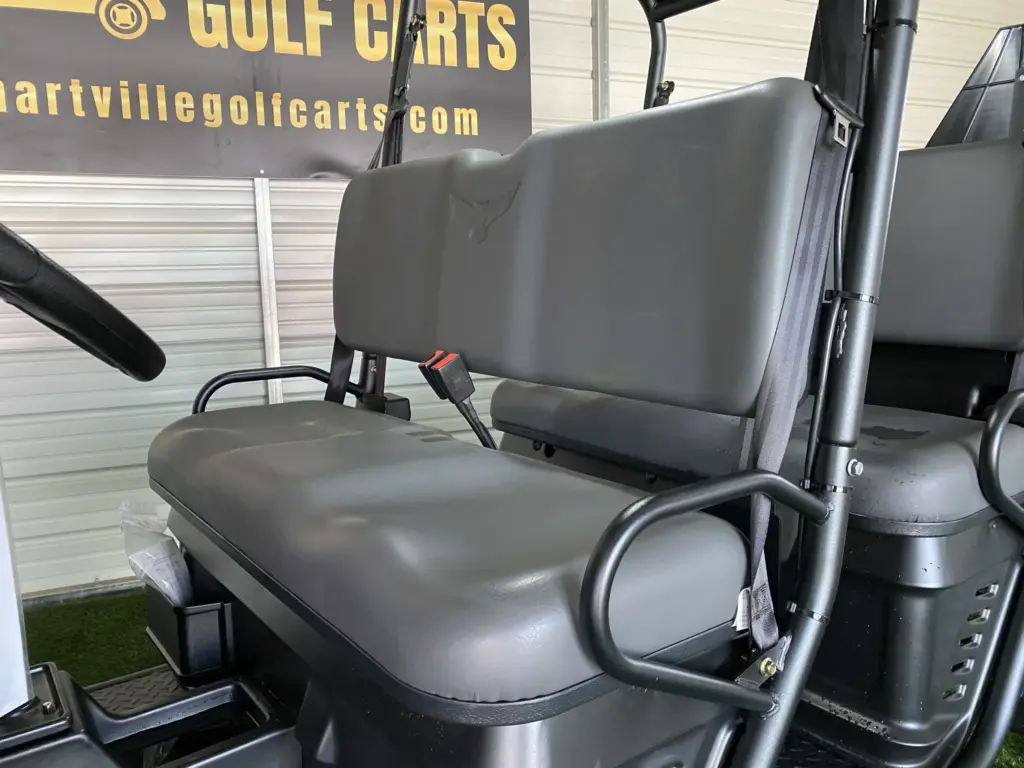
Some buyers comparing ATVs eventually explore side-by-side utility vehicles because they want additional passenger seating and cargo space. Drivers exploring versatile outdoor utility vehicles sometimes consider models like the Venom Strike 4 because modern utility-focused vehicles combine off-road capability with passenger comfort and practical everyday usability.
Choosing The Right ATV Depends On Lifestyle
The best ATV depends heavily on how the owner plans to use it. Recreational trail riders may prioritize lightweight handling and stronger acceleration. Property owners and outdoor workers often focus more on towing capability, durability, and storage capacity.
Buyers should also think carefully about terrain conditions, passenger needs, and long-term maintenance costs before purchasing. Some riders prefer the simplicity and maneuverability of ATVs, while others eventually move toward larger side-by-side utility vehicles for additional comfort and cargo flexibility.
ATVs Remain Popular Because They Feel Fun
Even with newer off-road vehicle options available, ATVs remain popular because they create an exciting and engaging riding experience. Riders actively interact with terrain through body movement and steering control, which makes trail riding feel more physical and connected.
Many outdoor enthusiasts enjoy the sense of freedom and adventure ATVs provide during exploration. Whether used for recreation, utility work, or property management, these vehicles continue attracting riders who want capable machines that handle rough outdoor terrain confidently.
Conclusion
An ATV is an all-terrain vehicle designed to travel across rough outdoor surfaces while combining off-road capability, maneuverability, and practical versatility. These machines are commonly used for trail riding, hunting, farming, towing, property maintenance, and outdoor recreation across many different environments. Their lightweight design and strong traction allow riders to reach places larger vehicles often cannot access comfortably. Buyers who understand how ATVs function and what features matter most usually make better long-term purchasing decisions. For drivers exploring dependable utility and recreational vehicles designed for outdoor versatility and everyday performance, Hartville Golf Carts offers reliable models built for practical adventure and long-term usability.