
ATV prices vary much more than many first-time buyers expect. Some entry-level models cost only a few thousand dollars, while premium performance and utility ATVs can reach prices similar to small cars. That is why many shoppers search how much for ATV before deciding whether buying new or used makes more financial sense. In most cases, ATV prices range from around $4,000 for smaller beginner models to well over $15,000 for larger utility or sport-focused machines. The final cost depends on engine size, brand, features, suspension quality, intended use, and whether the ATV is new or pre-owned. Buyers should also remember that the purchase price is only part of the overall ownership costs. Insurance, maintenance, riding gear, storage, and accessories all affect the true long-term investment. Understanding what influences ATV pricing helps buyers avoid overspending while still choosing a machine that fits their actual riding needs.
Entry-Level ATVs Usually Cost Less
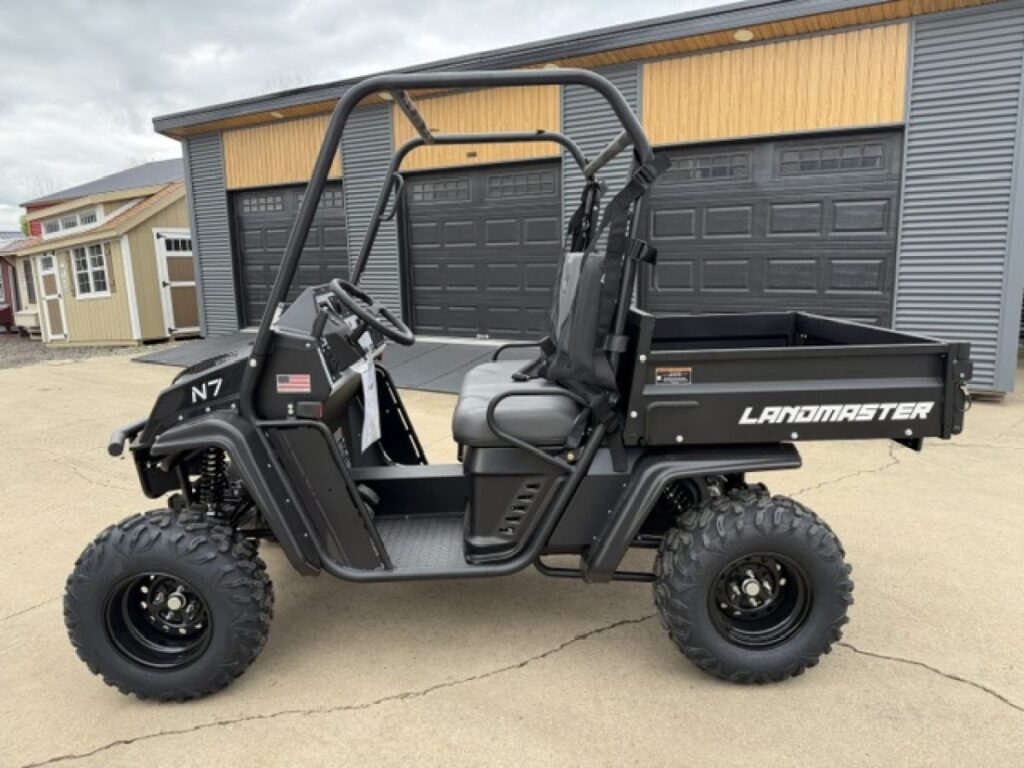
Smaller entry-level ATVs often provide the most affordable starting point for new riders. Youth models and basic recreational ATVs commonly start around $4,000 to $6,000, depending on engine size and features. These machines usually focus on casual trail riding, light recreation, and beginner-friendly handling rather than extreme performance.
Many families purchase smaller ATVs for campground riding, property use, or learning basic off-road skills safely. Lower purchase prices also help reduce financial risk for first-time buyers who are still deciding how often they will actually ride. However, entry-level machines may include simpler suspension systems, smaller engines, and fewer advanced features compared to premium models.
Utility ATVs Often Cost More
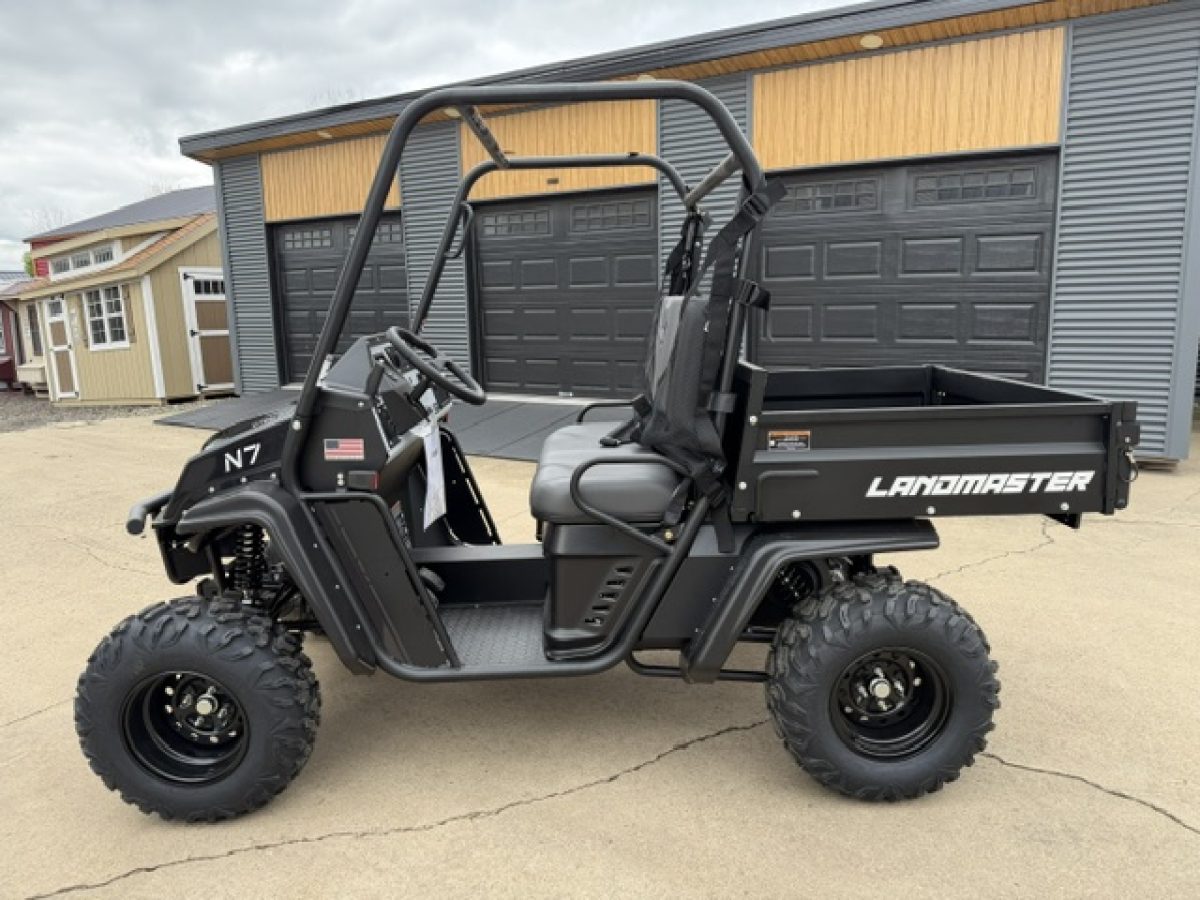
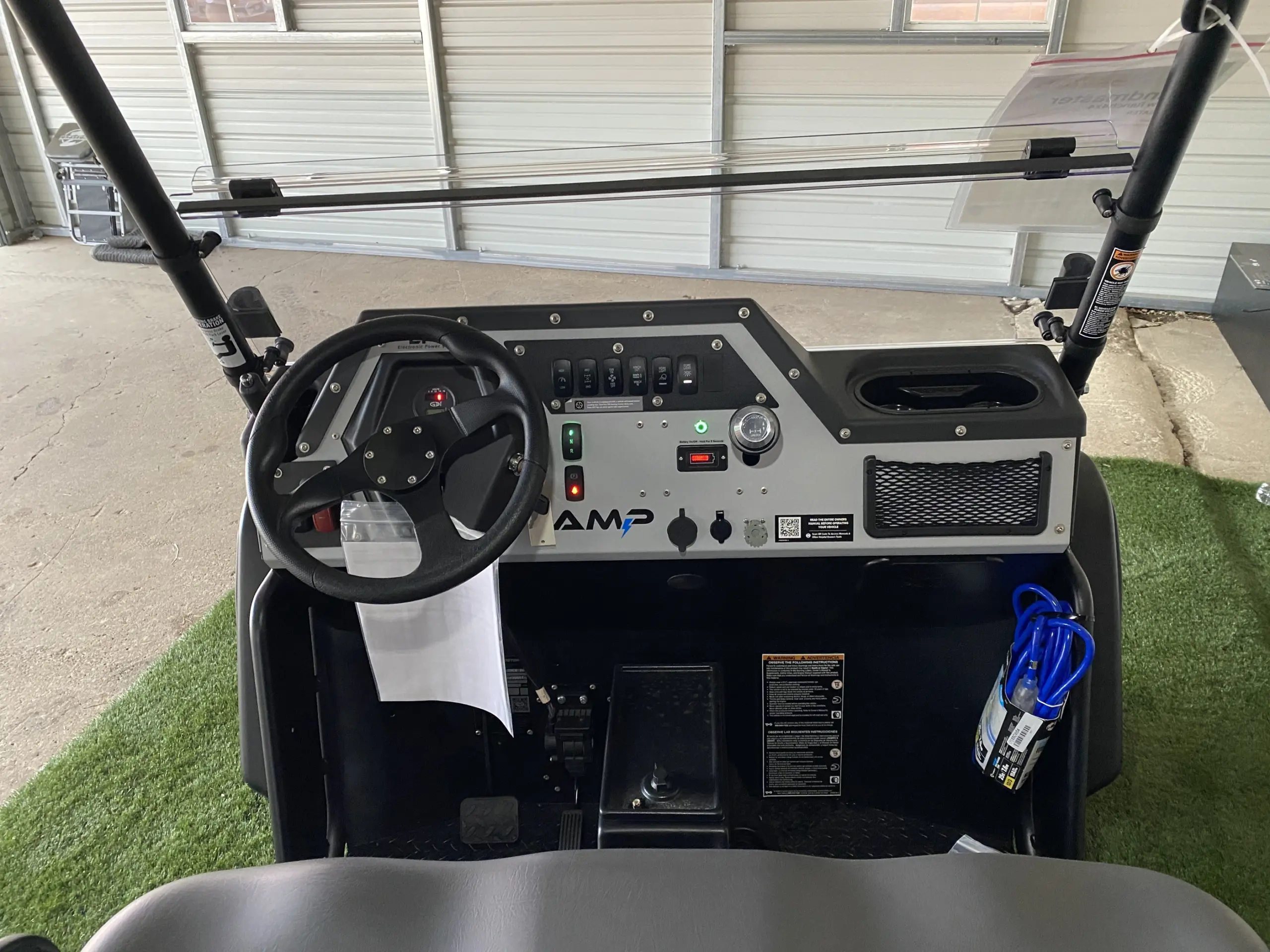
Utility-focused ATVs typically cost more because they are built for heavier workloads and rougher environments. Larger engines, stronger towing capability, upgraded suspension, and durable cargo systems all increase pricing. Many utility ATVs range between $8,000 and $15,000, depending on brand and equipment levels.
Property owners, hunters, farmers, and outdoor workers often choose utility ATVs because they handle hauling, trail work, and rough terrain more effectively. Four-wheel-drive systems and larger tires also increase pricing but improve traction and stability significantly during difficult conditions. Buyers who prioritize work capability usually focus less on top speed and more on durability and practical performance.
Sport ATVs Focus More On Performance
Sport ATVs are designed for speed, aggressive handling, and recreational performance rather than utility work. These models often include lighter frames, responsive suspension systems, and stronger acceleration. Pricing varies widely depending on engine size and performance capability.
Some sport ATVs compete directly with premium utility models in overall price because high-performance components cost significantly more to manufacture. Riders interested primarily in trail speed, jumps, and recreational excitement often prefer sport-oriented designs. However, these machines may sacrifice towing and cargo capability compared to utility-focused ATVs.
Used ATV Prices Depend On Condition
Used ATV prices can vary heavily depending on condition, mileage, maintenance history, and overall demand in the local market. Buyers should inspect tires, suspension, brakes, and frame condition carefully before purchasing a used machine because repair costs can rise quickly on neglected off-road vehicles. According to Wikipedia, all-terrain vehicles are designed for a wide range of recreational and utility purposes, which explains why pricing varies so much between smaller recreational models and larger utility-focused machines.
Accessories Increase ATV Costs Quickly
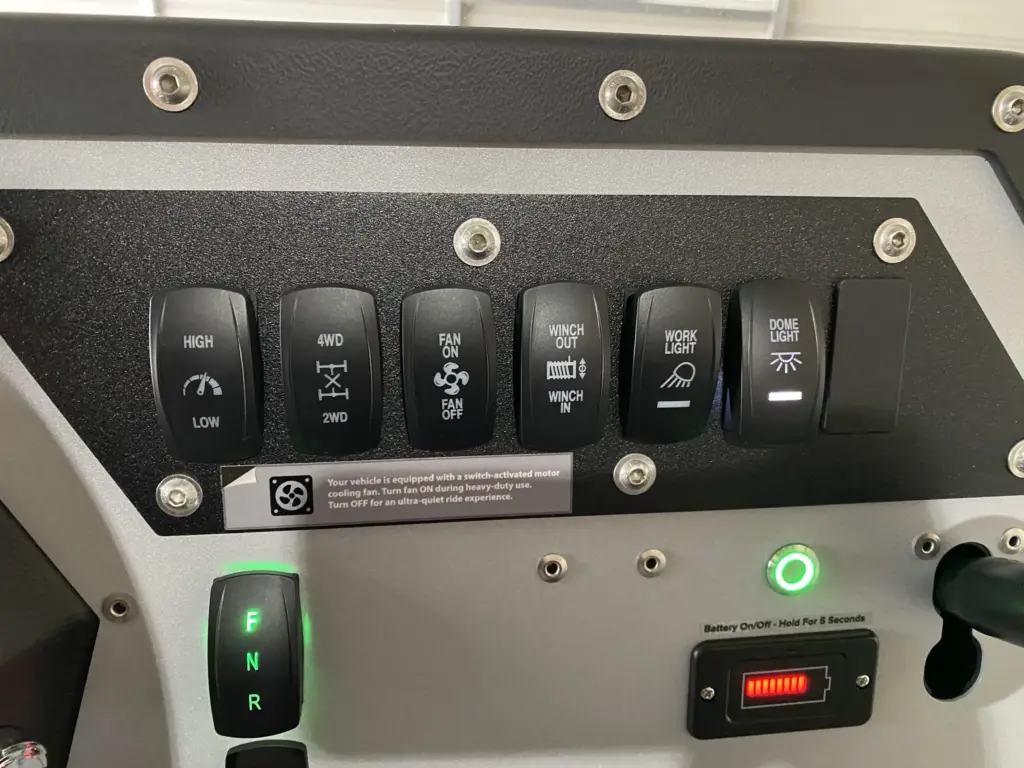
Many buyers underestimate how quickly accessories increase overall ATV ownership costs. Winches, storage racks, upgraded tires, plows, lighting kits, and protective equipment can add thousands of dollars beyond the base purchase price. Riding gear, such as helmets, gloves, boots, and protective clothing, also increases the total investment.
Some owners intentionally start with a simpler ATV and upgrade gradually over time instead of purchasing fully equipped premium packages immediately. This approach helps spread costs more comfortably while allowing owners to learn which accessories they actually need for their riding style.
Insurance And Maintenance Matter Too
The purchase price is only one part of ATV ownership expenses. Insurance, maintenance, fuel, and repairs all affect long-term affordability. Larger high-performance ATVs usually cost more to insure because replacement parts and accident risks increase alongside performance capability.
Routine maintenance includes oil changes, tire service, brake service, filter replacement, battery replacement, and suspension inspections. Riders using ATVs heavily on rough terrain often face higher maintenance costs than casual recreational riders. Buyers who budget only for the purchase price sometimes become surprised by ongoing ownership expenses later.
How UTV Pricing Compares To ATV Pricing
Some buyers researching ATV pricing eventually compare ATVs with side-by-side UTVs because both serve similar off-road purposes. UTVs generally cost much more because they include larger frames, steering wheels, passenger seating, roofs, and expanded utility capability.
Many buyers who initially planned to purchase an ATV eventually move toward side-by-side vehicles for improved passenger comfort and cargo space. Riders exploring larger utility-focused recreational vehicles sometimes consider options like the Venom Strike 4 because modern utility vehicles combine practical transportation with off-road versatility and comfort features.
Seasonal Demand Changes ATV Prices
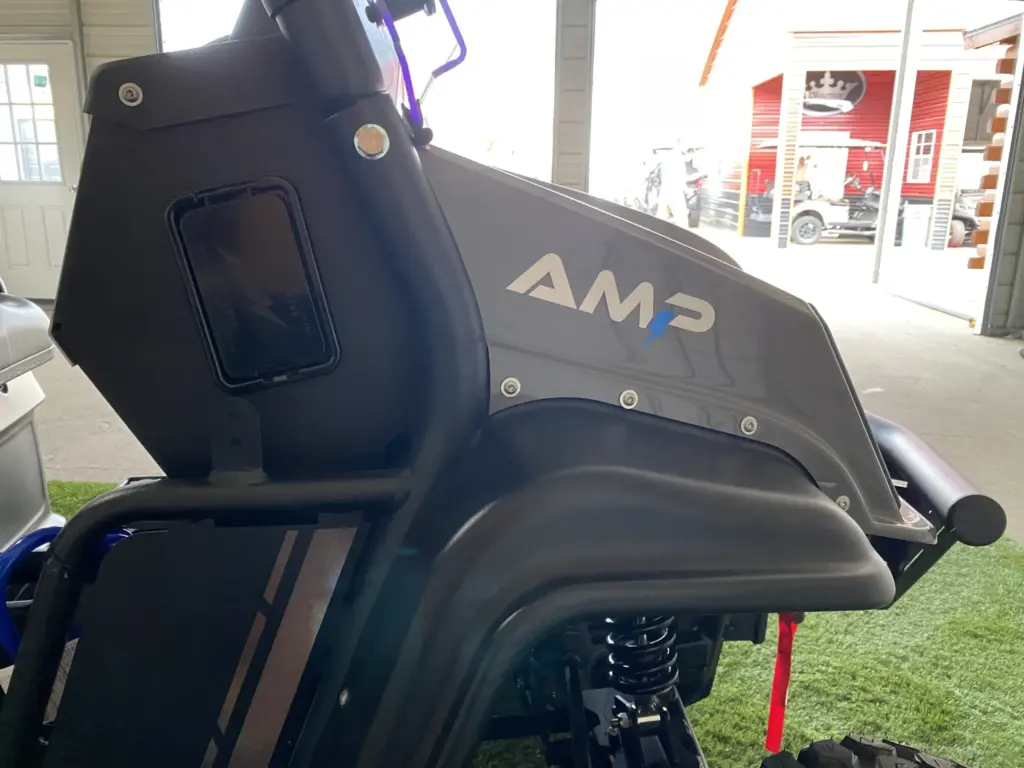
ATV pricing often changes depending on the season and local demand. Spring and summer typically increase buyer interest because warmer weather encourages outdoor recreation and trail riding. Dealership inventory may also shrink during peak riding seasons, which can reduce discount opportunities.
Some buyers find better pricing during colder months when demand slows temporarily. End-of-season clearance events may provide opportunities for lower pricing on remaining inventory before newer model years arrive. Timing purchases carefully sometimes helps buyers save meaningful amounts of money.
Choosing The Right ATV Matters More Than Price Alone
The cheapest ATV is not always the best value long term. Buyers who choose machines too small or underpowered for their needs often upgrade quickly later. Others overspend on large, high-performance models they rarely use fully. Matching the ATV to actual riding habits creates a much better ownership experience.
Trail riding, hunting, farm work, recreation, and property management all require slightly different capabilities. Understanding intended use before shopping helps buyers avoid unnecessary spending while still selecting a machine capable of handling real-world conditions comfortably.
Conclusion
ATV pricing varies widely depending on engine size, performance level, utility capability, condition, and included features. Entry-level models may cost around $4,000, while premium utility and sport ATVs can easily exceed $15,000. Buyers should also budget for maintenance, insurance, riding gear, and accessories beyond the purchase price itself. Understanding real ownership costs helps buyers make smarter long-term decisions instead of focusing only on sticker price. For riders exploring practical recreational and utility vehicles designed for dependable everyday performance, Hartville Golf Carts offers reliable models built for comfort, versatility, and long-term usability.