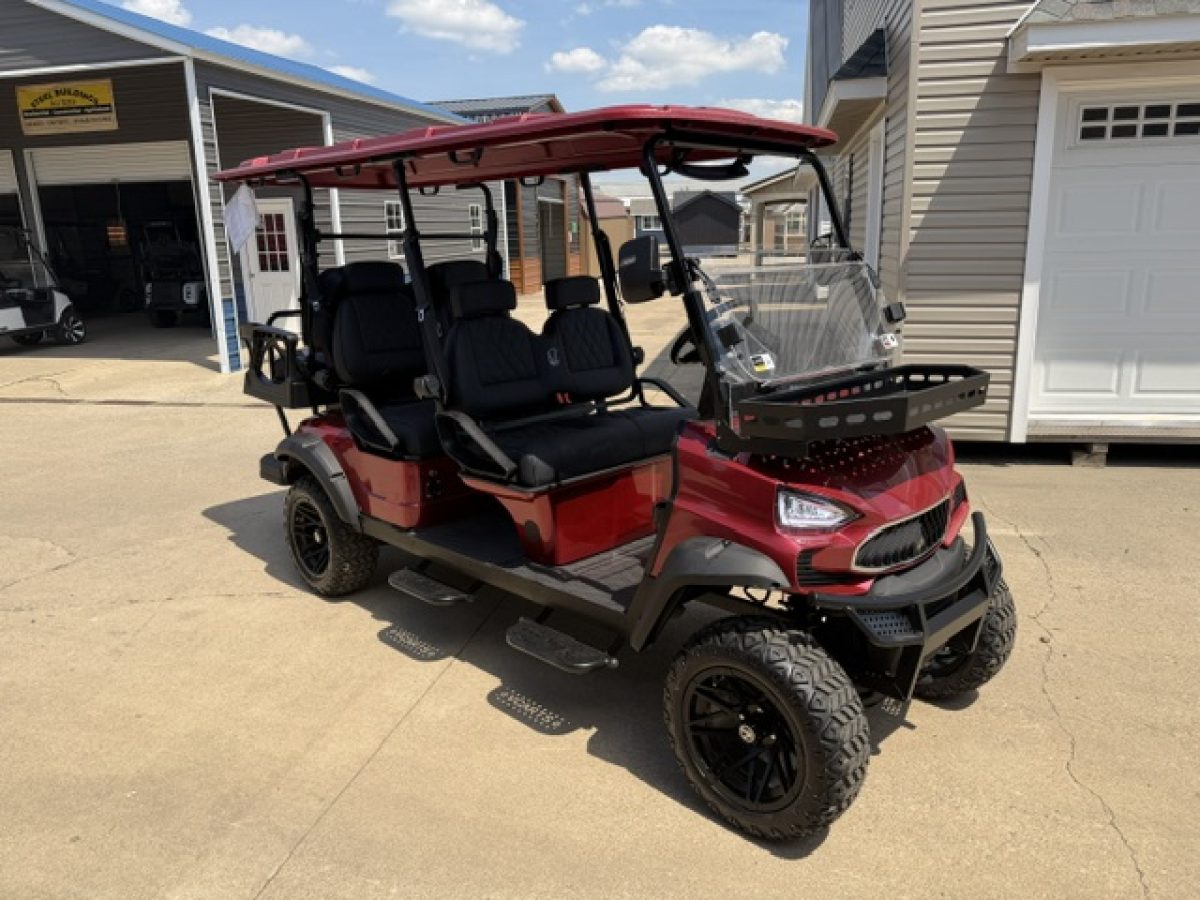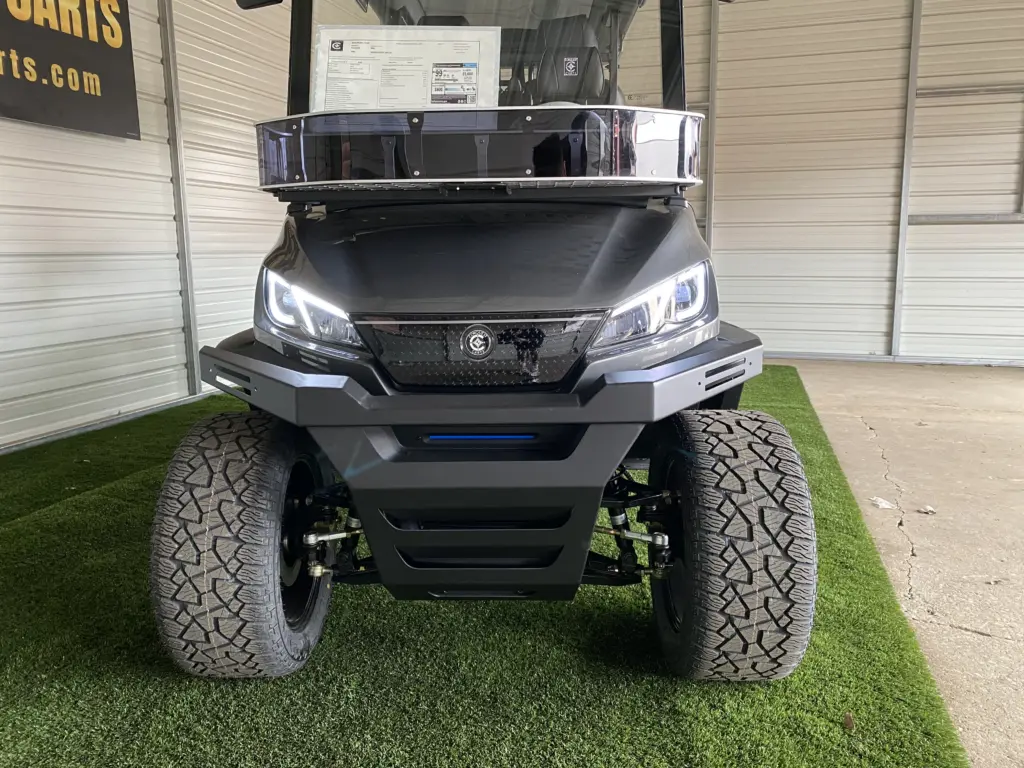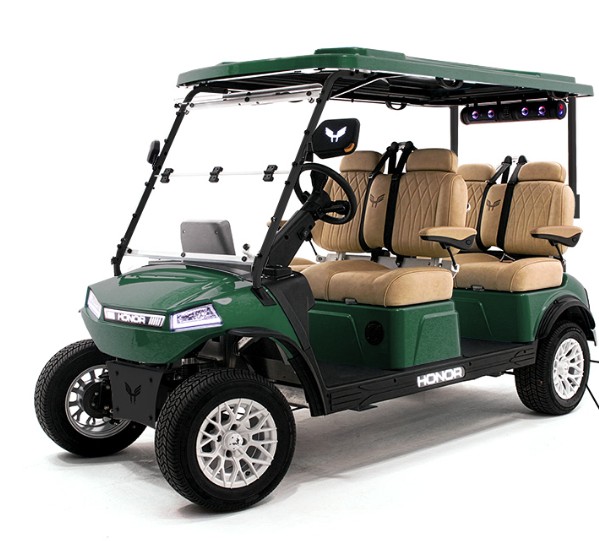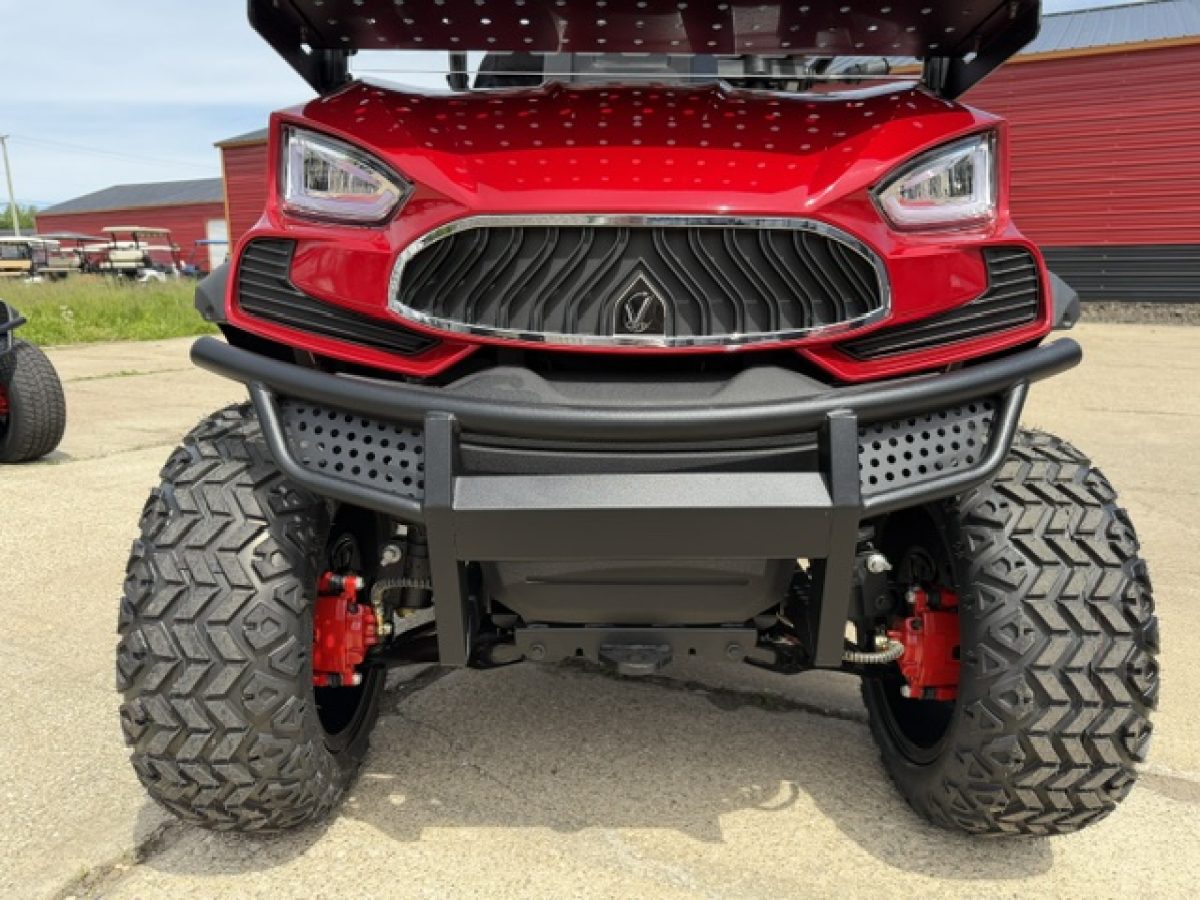

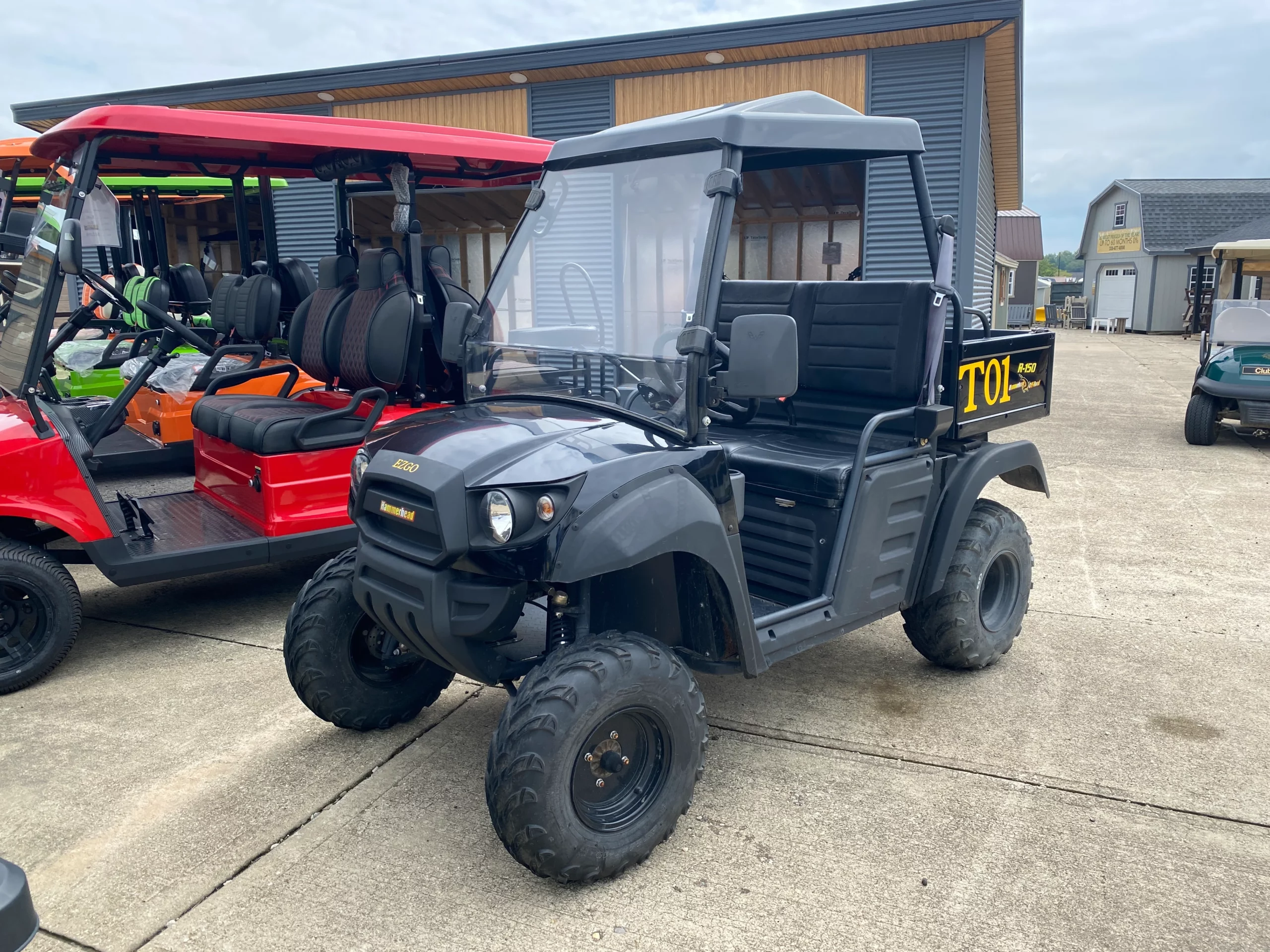
UTVs have grown far beyond simple farm machines or trail vehicles. Today, people use them for hunting trips, campground transportation, ranch work, snow removal, neighborhood driving, and even short-distance commuting in some rural areas. That growing popularity is exactly why more buyers now ask are UTVs street legal before spending thousands of dollars on a side-by-side vehicle. The answer depends heavily on where the UTV will be driven and how the vehicle is equipped. In many states, a factory UTV is not automatically legal for public-road use because it was originally designed for off-road terrain rather than traffic environments. However, some states allow owners to register UTVs for street use after adding safety features such as mirrors, headlights, brake lights, turn signals, seat belts, and windshields. Local county laws may also affect legality. Understanding these rules before buying a UTV helps owners avoid fines, registration problems, insurance issues, and expensive modifications later.
Why Most UTVs Are Built For Off-Road Use
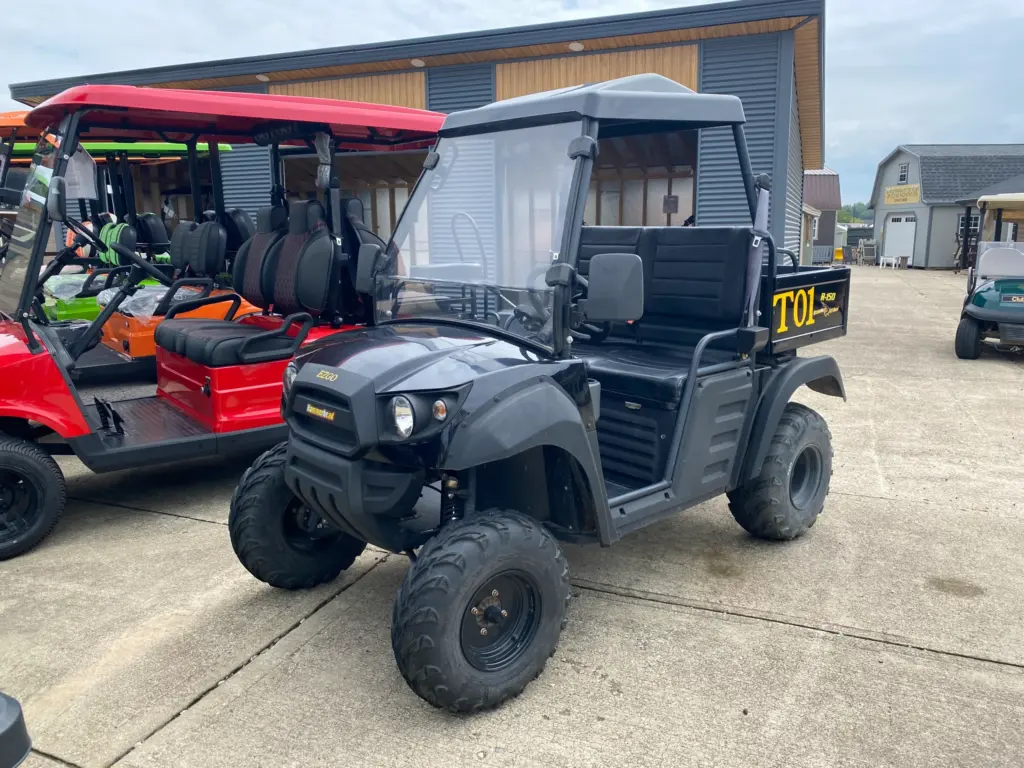
Manufacturers originally designed utility terrain vehicles for rough terrain, trail systems, farms, construction sites, and recreational property use rather than paved-road transportation. Because of that, most UTVs focus heavily on suspension travel, ground clearance, cargo capacity, and off-road traction instead of meeting traditional highway safety standards.
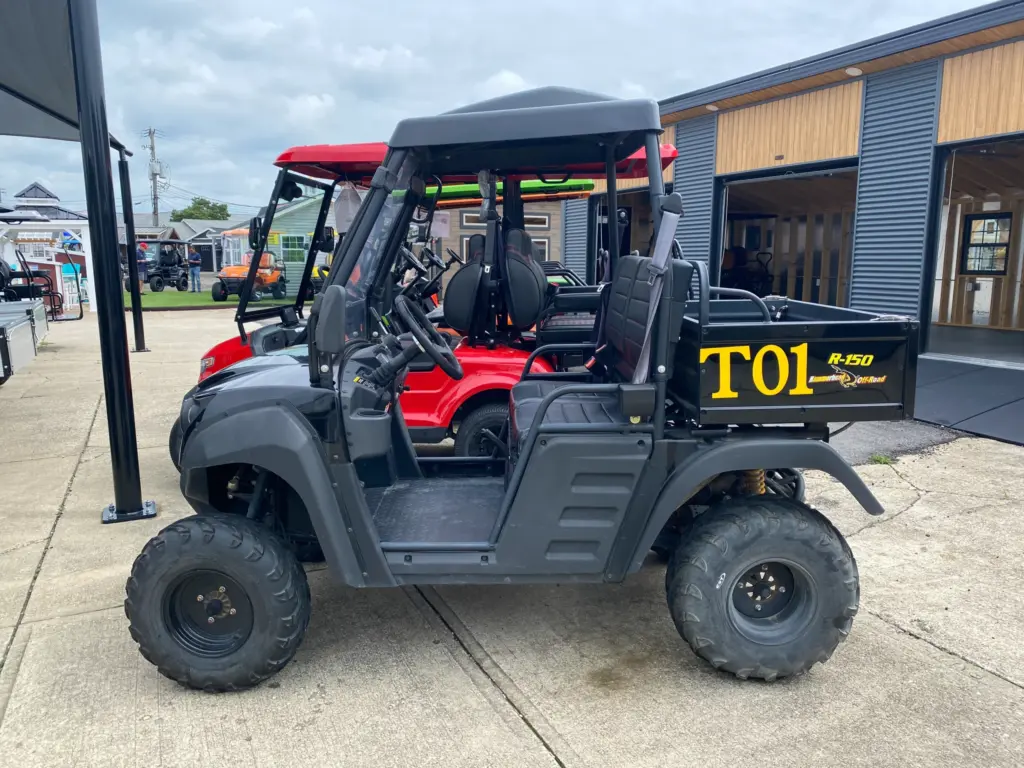
Many factory UTVs lack important road-use equipment such as DOT-approved tires, proper mirrors, turn signals, or windshields. Some models also produce more noise than certain local street laws allow. Their steering and suspension systems are optimized for dirt, mud, rocks, and uneven terrain rather than pavement stability at higher speeds. Buyers sometimes assume a UTV automatically qualifies for public-road use because it resembles a small vehicle, but legally it usually falls into a very different category.
This creates confusion for first-time buyers who see UTVs driving legally in one town but are restricted entirely in another. The difference usually comes down to local laws and equipment requirements rather than the vehicle itself.
Street-Legal Laws Change From State To State
State law is the single biggest factor determining whether a UTV can legally operate on public roads. Some states allow broad street-legal registration programs for side-by-side vehicles, while others restrict them almost entirely to trails, farms, and private property. Even within the same state, counties and municipalities sometimes create their own local exceptions. Rural communities often allow UTV use on low-speed roads because these vehicles provide practical transportation for landowners, ranchers, and campground visitors. Tourist towns near trail systems sometimes permit limited road access so riders can move between gas stations, restaurants, hotels, and trail entrances without constantly using trailers.
According to USA.gov, vehicle registration and road-use laws vary widely between states and local jurisdictions. Owners should always confirm local requirements directly before assuming their UTV qualifies for public-road use. A setup considered fully legal in one area may still violate laws only a few miles away across county or state lines.
Equipment Usually Required For Street-Legal UTVs
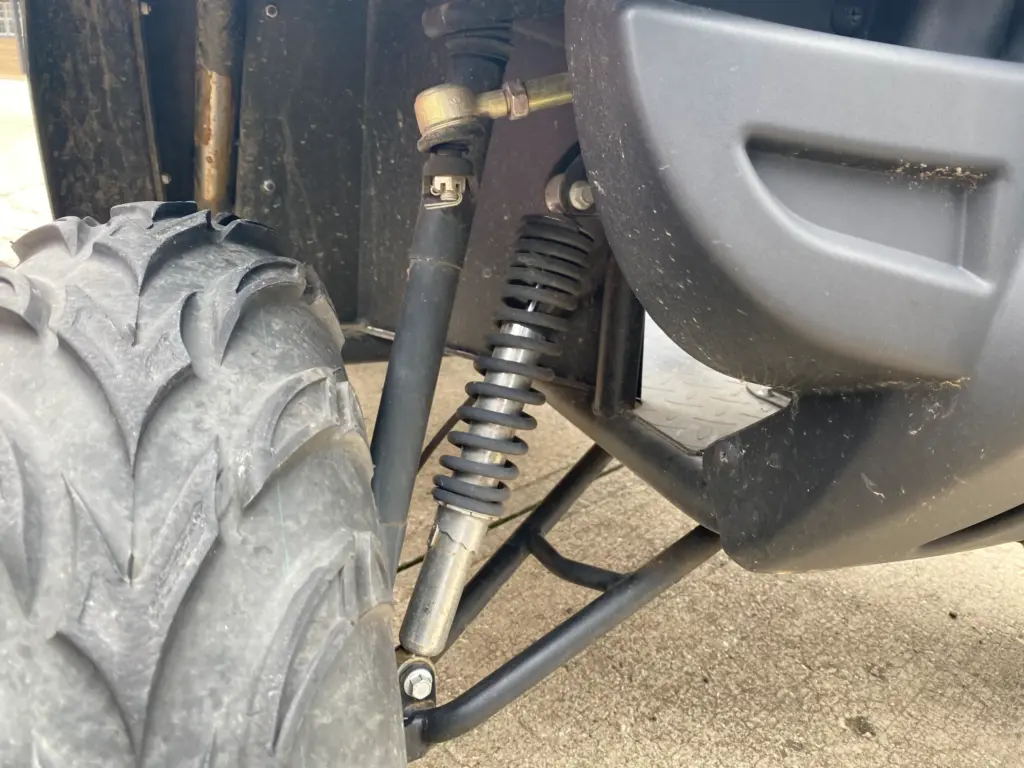
States that allow street-legal UTV registration usually require several safety upgrades before approval. Common requirements include headlights, taillights, brake lights, turn signals, mirrors, horn systems, seat belts, and windshields. Some states also require DOT-approved tires and license plate lighting. Insurance and registration paperwork often become necessary as well. In some areas, annual inspections help verify the vehicle still meets street-legal standards after modification. Owners who skip even one required item may fail inspections or receive citations during road use.
Some buyers try installing inexpensive aftermarket kits online without checking local laws first. This sometimes creates problems because equipment standards vary between states. Certain areas require specific mirror sizes, windshield types, or tire approvals before granting registration. Researching requirements early usually saves both time and money during the conversion process.
Why People Want Street-Legal UTVs
Street-legal capability dramatically increases how useful a UTV becomes during everyday life. Property owners often use them for local transportation between fields, barns, neighboring properties, or small-town businesses. Hunters appreciate being able to move legally between trail systems and fuel stops without loading the vehicle onto a trailer constantly.
Campgrounds and lake communities also use UTVs frequently because they handle recreational transportation extremely well in low-speed environments. Families may use them for hauling supplies, visiting neighbors, or reaching nearby attractions around large private communities. Some rural homeowners even prefer UTVs over small pickup trucks for short local trips because they offer open-air driving, cargo utility, and strong off-road capability in one vehicle. The convenience of driving directly from trails to town explains why street-legal registration has become increasingly popular across many regions.
Street-Legal Does Not Mean Highway Legal
One of the biggest misconceptions about street-legal UTVs is the assumption that registration automatically allows unrestricted highway driving. In reality, many states still limit UTV operation to roads with lower speed limits even after registration approval. Highways and interstate systems usually remain off limits because UTVs are not designed for sustained high-speed travel alongside normal traffic. Their lightweight construction, shorter wheelbases, and off-road suspension setups create handling characteristics very different from those of passenger vehicles.
Even on slower roads, UTV drivers must remain cautious. Wind exposure, short stopping distances, rough pavement reactions, and limited crash protection all affect safety differently compared to traditional vehicles. Owners who treat UTVs exactly like cars sometimes underestimate these differences during public-road driving./
Insurance And Registration Requirements Matter
Insurance becomes extremely important once a UTV operates on public roads. Many states require liability coverage before approving registration for street use. Insurance companies may also request VIN information, ownership records, and modification details during the application process. Buyers purchasing used UTVs should verify paperwork carefully before making modifications for street legality. Missing ownership records, registration problems, or altered VINs can create serious complications later. Some owners discover too late that incomplete paperwork prevents legal registration entirely.
Financing companies may also require proof of insurance and legal registration before approving loans on higher-value side-by-side vehicles. Proper documentation protects owners financially while simplifying future resale and registration transfers later.
Modern UTVs Offer More Comfort Than Ever
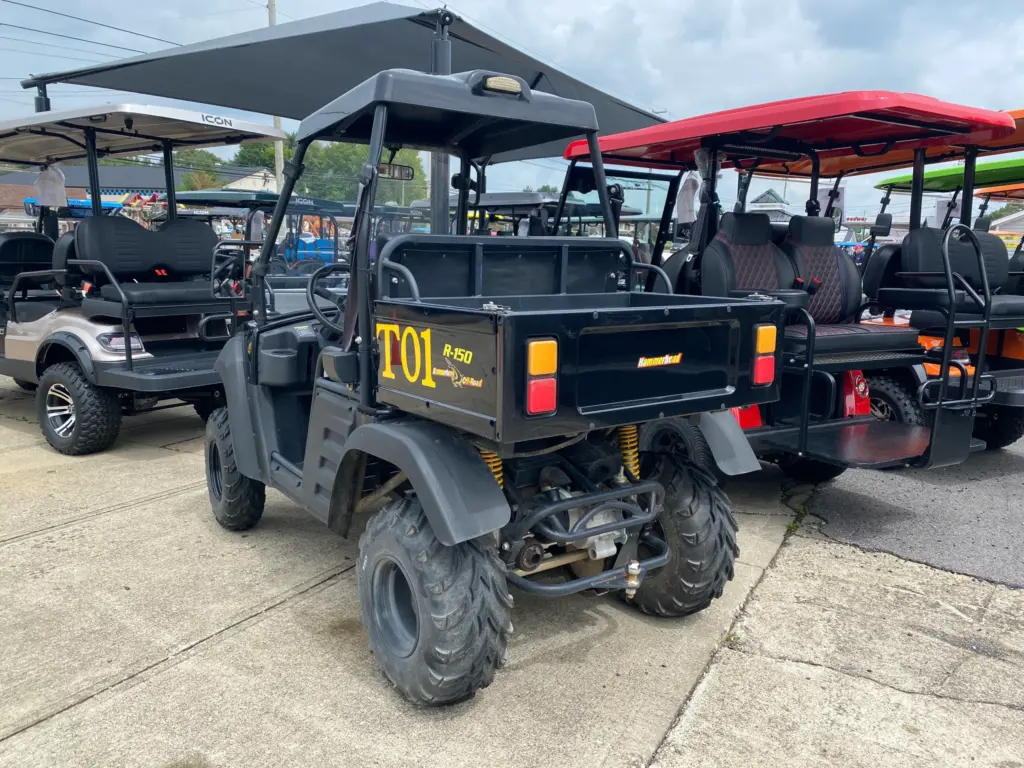
Modern side-by-side vehicles now include much more comfort and technology than older utility-focused designs. Improved seating, upgraded suspension systems, enclosed cabins, and advanced steering have made UTVs practical for much longer driving sessions. Many newer models also include touchscreen displays, audio systems, storage compartments, and stronger towing capability. Families and outdoor enthusiasts increasingly use UTVs not only for work but also for recreation and property transportation throughout the year.
Buyers exploring modern utility vehicles often consider options like the Venom Strike 4 because newer utility-focused designs combine practical capability with improved comfort and everyday usability. As manufacturers continue improving these vehicles, interest in street-legal registration continues growing alongside it.
How To Decide If Street-Legal Conversion Is Worth It
Not every UTV owner actually needs street-legal registration. Buyers using side-by-sides only for trails, farms, hunting properties, or large private land may never benefit enough to justify the additional cost and paperwork. Others may find the flexibility extremely valuable for local transportation.
The decision usually depends on where and how often the UTV will be used. Rural property owners often gain the most benefit because road access improves convenience dramatically between nearby destinations. Campground users and recreational riders near trail towns may also appreciate the freedom to move legally between locations without hauling the vehicle constantly. Understanding local laws before purchasing the UTV helps buyers choose the right setup from the beginning rather than spending extra money modifying the vehicle later unnecessarily.
Conclusion
Whether UTVs are street legal depends heavily on state laws, county regulations, and the equipment installed on the vehicle. Most factory UTVs are designed mainly for off-road environments and require additional safety equipment before qualifying for public-road use. Headlights, mirrors, turn signals, seat belts, insurance, and registration paperwork commonly become part of the process. Even after registration approval, many states still limit UTV operation to lower-speed roads rather than highways. Buyers who research local requirements early usually avoid expensive surprises and legal complications later. For drivers looking for dependable utility vehicles built around practical performance, comfort, and long-term usability, Hartville Golf Carts offers reliable models designed for work, recreation, and everyday convenience.