
Charging a golf cart battery may seem simple, but the way you charge it has a direct impact on battery life, driving range, and overall performance. That’s why many owners ask how to charge a golf cart battery correctly after purchasing an electric golf cart or replacing an old battery pack. The right charging routine depends on the battery type, charger, and voltage system. By understanding the proper charging methods and avoiding common mistakes, you can keep your golf cart running efficiently, reduce maintenance costs, and get the most from your battery for years to come.
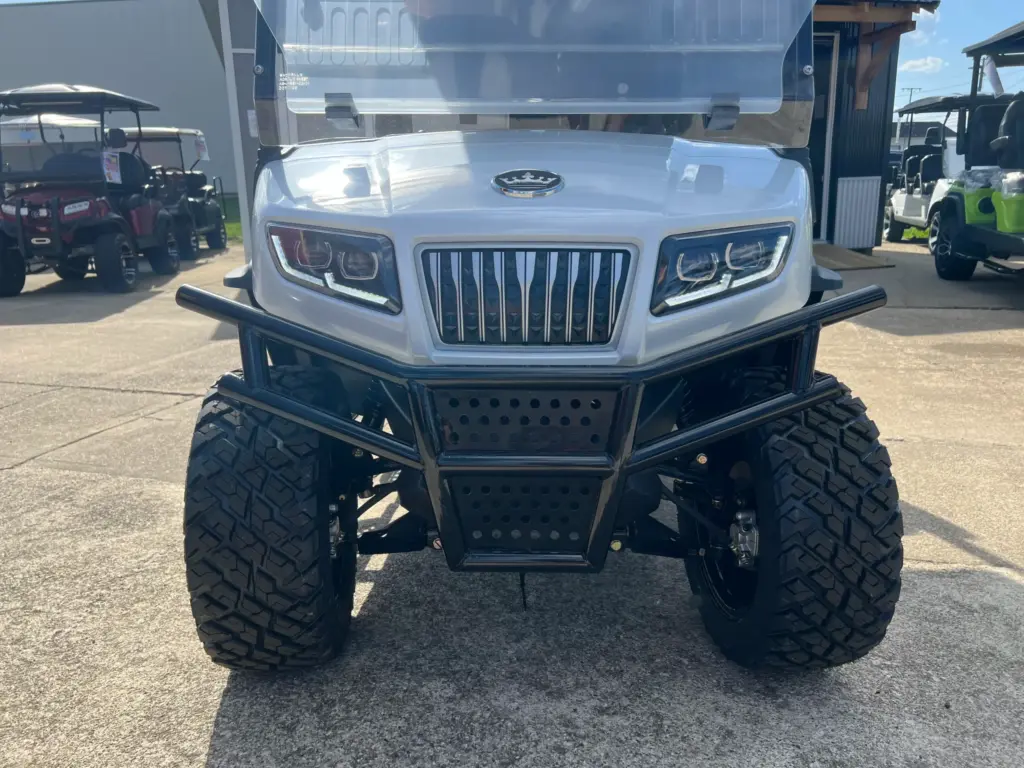
Which Battery System Does Your Cart Use
The first step in learning how to charge a golf cart battery properly is identifying the battery type inside the cart. Most golf carts use either traditional lead-acid batteries or modern lithium battery systems. These batteries require different charging methods, maintenance routines, and charger compatibility. Using the wrong charger can shorten battery lifespan or damage the system completely.
Lead-acid batteries remain common in older golf carts and many entry-level models because they cost less initially. However, they require more maintenance and longer charging cycles. Lithium batteries charge faster, weigh less, and need much less maintenance overall. Owners should also verify voltage because golf carts commonly use 36-volt or 48-volt systems. Matching the charger correctly to both battery chemistry and voltage protects the battery and improves long-term performance. Many charging problems begin simply because owners use chargers that do not fully match the system requirements.
Why Charging After Every Use Matters
Many golf cart owners wait too long before recharging because they assume draining the battery completely improves performance. In reality, deep discharging creates additional stress on golf cart batteries and can significantly reduce their lifespan over time. Most golf cart batteries perform best when charged consistently after use instead of being left partially drained for long periods.
This is especially important for lead-acid systems because low charge levels allow sulfation to build up on battery plates internally. Sulfation reduces battery efficiency and slowly weakens charging capacity. Neighborhood users who drive short daily trips often benefit from overnight charging because it creates a consistent routine. Campground owners and community residents commonly plug in their carts every evening, regardless of how far they drove that day. Lithium systems handle partial charging much better, but regular charging still helps maintain stable performance. Building a predictable charging habit is one of the simplest ways to extend battery life.
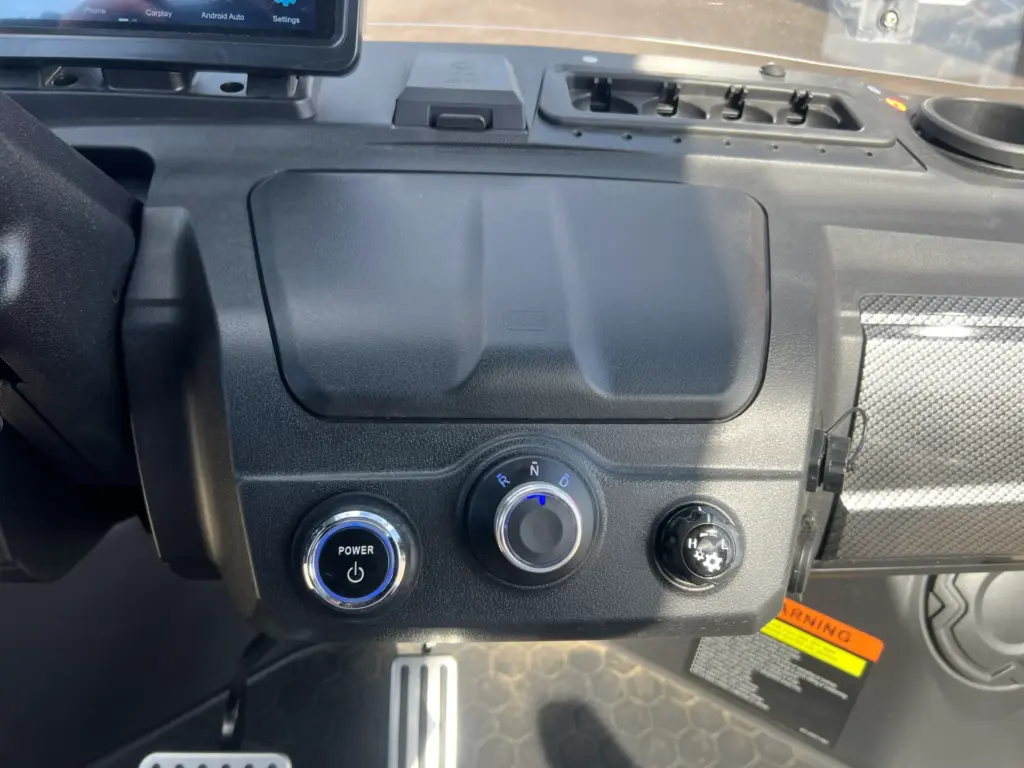
Use The Correct Charger Every Time
Choosing the correct charger is critical for battery health. Chargers designed for lithium batteries should not be used on lead-acid systems unless specifically approved by the manufacturer. Voltage mismatch creates even bigger problems because incorrect charging levels may overheat batteries, weaken charging cycles, or damage internal battery cells permanently.
Modern smart chargers improve charging safety significantly because they monitor battery condition automatically during the process. These chargers reduce power delivery gradually as the battery reaches full capacity, which helps prevent overheating and unnecessary strain. According to Battery University, proper charging methods strongly influence long-term lithium battery lifespan and efficiency. Owners who continue using outdated or damaged chargers often experience reduced battery life much sooner than expected. Investing in a reliable charger matched to the battery system usually saves money long term by protecting the battery pack itself.
How To Maintain Lead-Acid Batteries During Charging
Lead-acid batteries require maintenance beyond simply plugging in the charger. Water levels must be checked regularly because charging naturally causes fluid evaporation over time. If water drops too low, the exposed battery plates may suffer permanent damage that weakens performance and reduces lifespan significantly.
Only distilled water should be used because tap water contains minerals that may damage battery chemistry gradually. Owners should also avoid overfilling batteries because fluid expands during charging. Many experienced golf cart owners check water levels after charging rather than before because charging slightly changes internal fluid volume. Battery terminals should remain clean as well because corrosion restricts electrical flow and weakens charging efficiency. This maintenance routine may feel inconvenient compared to lithium systems, but proper care greatly improves lead-acid battery durability and performance.
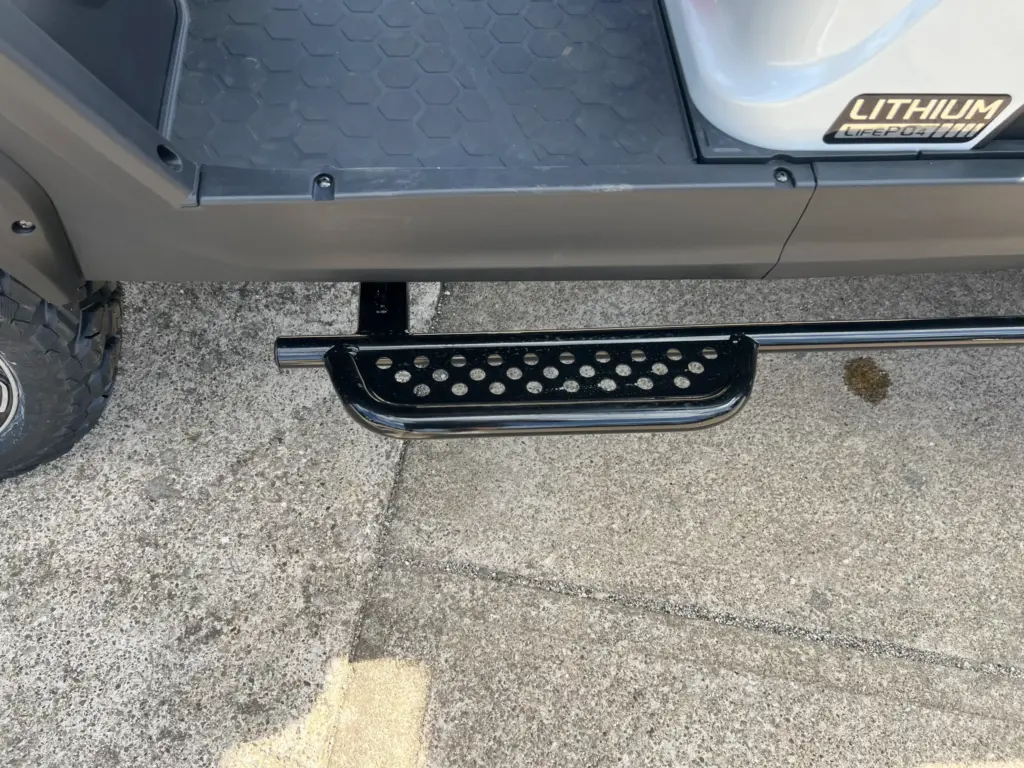
Why Ventilation And Storage Conditions Matter
Golf cart batteries generate heat during charging, especially traditional lead-acid systems. Charging inside poorly ventilated spaces increases heat buildup and creates unnecessary stress on the battery pack. Heat also accelerates battery wear over time, which may shorten overall lifespan significantly.
Owners should charge golf carts in dry and well-ventilated areas whenever possible. Garages, covered carports, and shaded storage spaces usually work well if airflow remains adequate. Moisture should also be avoided because wet electrical connections increase corrosion risk. Some owners leave chargers sitting directly on dirty garage floors where dust and moisture collect easily. Keeping the charger elevated and protected improves reliability and safety. Proper charging environments help batteries remain cooler and more stable during long charging cycles.
Avoid Common Charging Mistakes
Several common charging mistakes shorten golf cart battery life unnecessarily. One of the biggest mistakes is leaving batteries deeply discharged for extended periods. Another common problem involves unplugging the charger repeatedly before the charging cycle finishes. Lead-acid batteries especially perform better when allowed to complete full charging cycles consistently.
Some owners also leave old non-smart chargers connected constantly for weeks at a time. This may create overcharging problems that generate excessive heat and wear. Others ignore warning signs such as slow charging, unusual smells, overheating, or declining range. These symptoms often indicate battery or charger problems developing internally. Owners who pay attention early usually avoid more serious failures later. Good charging habits are less complicated than many people think, but ignoring small issues repeatedly can shorten battery lifespan dramatically.
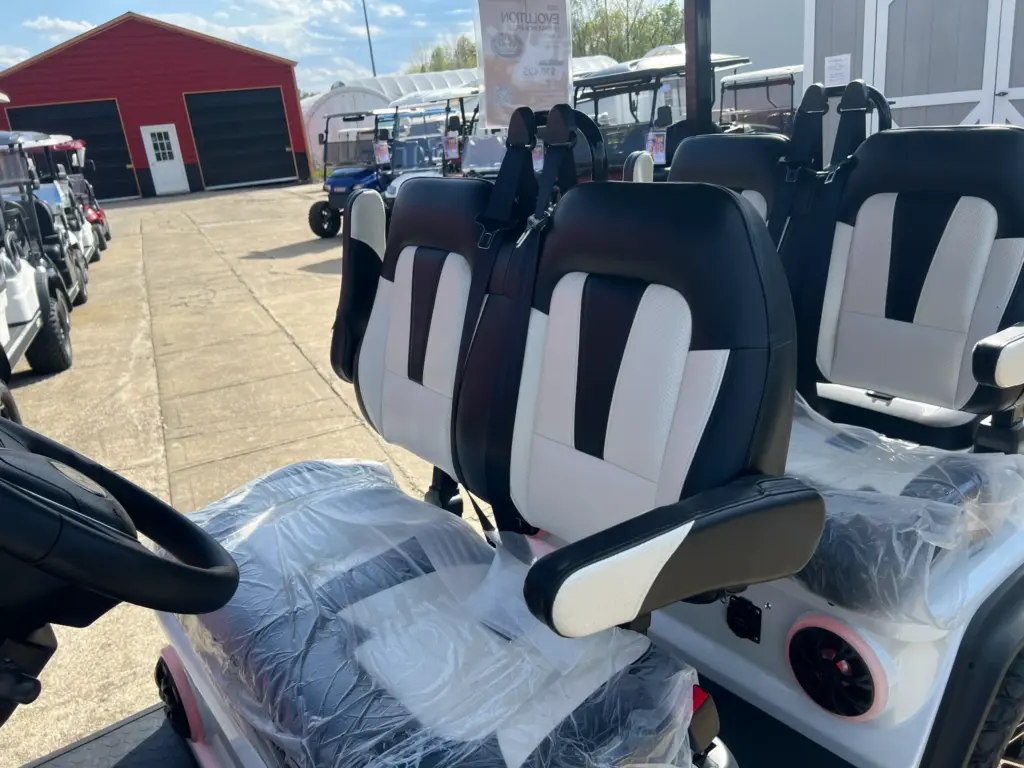
How Lithium Batteries Simplify Charging
Lithium battery systems have become increasingly popular because they simplify charging and maintenance significantly. Unlike lead-acid systems, lithium batteries do not require watering or constant corrosion cleanup. They also handle partial charging much better and recharge much faster in many situations.
Many lithium-powered golf carts fully recharge within a few hours, depending on charger output and battery size. Owners using golf carts daily around neighborhoods, campgrounds, and private communities often appreciate this convenience immediately. Faster charging creates more flexibility because drivers do not need to rely solely on overnight charging schedules. Lithium batteries also maintain stronger voltage during use, which improves acceleration and range consistency. While the upfront cost is higher, many owners feel the easier ownership experience and reduced maintenance make lithium systems worthwhile long term.
How Driving Habits Affect Charging Needs
Driving style changes how often and how heavily a golf cart battery needs charging. Aggressive acceleration, heavy passenger loads, steep hills, and oversized tires all increase energy demand. Golf carts working harder during daily use usually require more frequent charging cycles. Neighborhood drivers taking relaxed short trips may only use a small percentage of battery capacity each day. Owners managing large properties or carrying multiple passengers regularly may drain batteries much faster. Tire pressure also affects efficiency because underinflated tires increase rolling resistance and force the battery to work harder. Understanding actual driving patterns helps owners create better charging routines and predict when battery replacement may eventually become necessary.
Modern Golf Carts Make Charging Easier
Modern golf carts now include more advanced charging technology directly from the factory. Improved battery management systems, smart chargers, and lithium integration have made charging simpler and more reliable than older golf cart setups. Many newer electric carts also provide a stronger range and more consistent power delivery during daily use. Buyers exploring modern electric golf carts often consider options like the Denago EV Rover XL because newer battery systems combine faster charging with lower maintenance requirements. Owners who upgrade from older lead-acid systems often notice major improvements in convenience, charging speed, and overall driving performance immediately.
Conclusion
Learning how to charge a golf cart battery correctly is one of the easiest ways to improve battery life and keep your golf cart performing at its best. Using the correct charger, following a consistent charging routine, and maintaining the battery according to its type will help maximize driving range and reduce the risk of costly repairs. Whether your cart uses lead-acid or lithium batteries, good charging habits make a noticeable difference in long-term reliability.
If you’re looking for a modern electric golf cart or need expert advice on battery systems and charging equipment, visit Hartville Golf Carts. You can also contact our team through the contact page for personalized assistance. For additional information about battery charging and maintenance, visit Battery University.