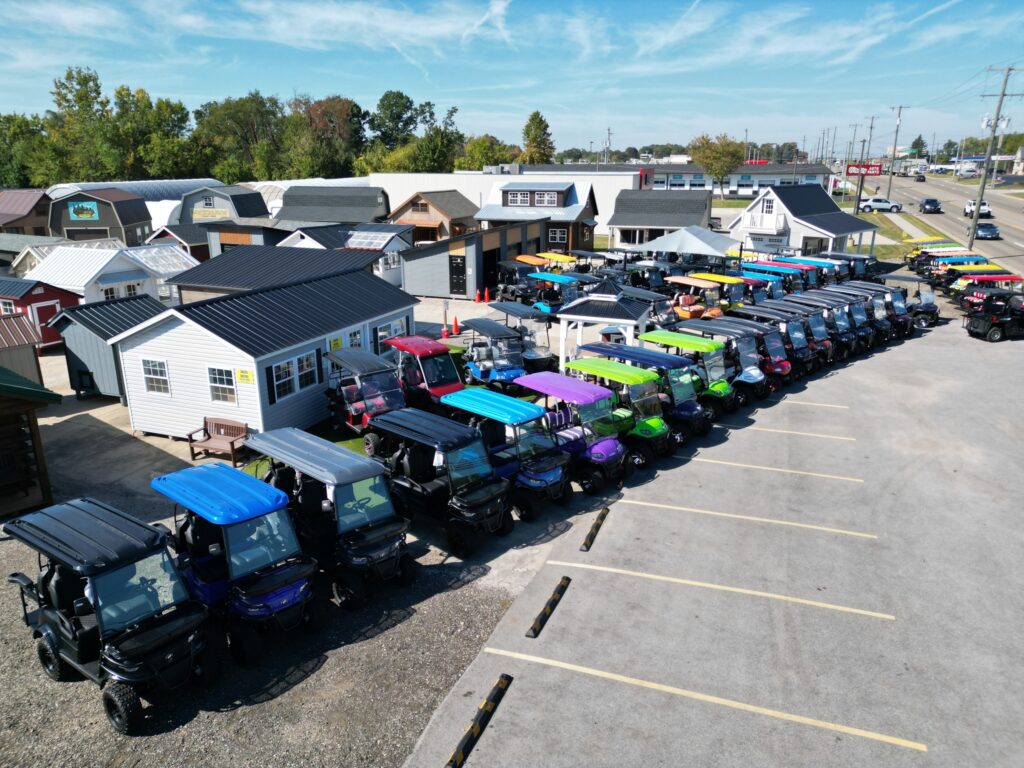

Many drivers hear the term commercial motor vehicle during licensing, registration, or transportation discussions, but the definition is broader than most people expect. A commercial motor vehicle, often called a CMV, is generally any vehicle used for business purposes to transport passengers or cargo under specific weight, size, or operational conditions. Large semi-trucks are the most obvious example, but buses, delivery vehicles, utility trucks, and certain towing vehicles may also qualify as commercial motor vehicles depending on federal and state rules. In some situations, even trailers and specialized work vehicles fall into the commercial category. Understanding what is considered a commercial motor vehicle matters because CMVs often follow stricter safety rules, insurance requirements, licensing standards, and inspection regulations than ordinary passenger vehicles.
Federal Definition Of A Commercial Motor Vehicle
The federal government defines commercial motor vehicles through regulations created by the Federal Motor Carrier Safety Administration. In many cases, a vehicle becomes a CMV when it exceeds certain weight limits, transports hazardous materials, or carries enough passengers for commercial purposes. Vehicles with a gross vehicle weight rating above 10,001 pounds commonly fall under federal commercial regulations. Passenger transportation can also trigger CMV classification even if the vehicle weighs less.
According to the Federal Motor Carrier Safety Administration, commercial motor vehicle definitions depend on vehicle size, passenger capacity, and business use. These rules exist because larger or commercially operated vehicles create greater safety and operational responsibilities on public roads.
Vehicles Commonly Classified As Commercial
Semi-trucks, box trucks, buses, and heavy-duty towing vehicles are among the most common commercial motor vehicles. Delivery vans used for business operations may also qualify, depending on size and usage. Construction vehicles, dump trucks, and utility service vehicles often fall into commercial categories as well.
Passenger transportation creates another major category. Vehicles designed to transport multiple passengers for compensation may require commercial licensing and regulatory compliance even if they are not extremely heavy. Airport shuttles, tour buses, and some rideshare operations may fall into this category under certain conditions. The vehicle’s purpose matters just as much as its size.
Weight Ratings And Why They Matter
Weight is one of the biggest factors used to classify a commercial motor vehicle. Federal regulations commonly use gross vehicle weight rating, or GVWR, to determine whether a vehicle meets commercial thresholds. Vehicles above 10,001 pounds often trigger federal commercial rules, while heavier vehicles may require commercial driver’s licenses.
Weight matters because larger vehicles take longer to stop, create greater roadway wear, and present different safety risks during operation. States may also apply additional requirements depending on local laws and road usage. Owners operating heavier trucks for business purposes must understand these classifications before using vehicles commercially.
Commercial Driver’s License Requirements
Many commercial motor vehicles require drivers to hold a Commercial Driver’s License, commonly called a CDL. CDL requirements depend on vehicle weight, passenger capacity, and cargo type. Drivers transporting hazardous materials or large passenger groups often need additional endorsements beyond the standard CDL classification.
The licensing process typically includes written testing, skills evaluations, and medical qualification standards. Commercial drivers must meet stricter operating requirements because they handle larger or more complex vehicles. Even experienced passenger-vehicle drivers may need additional training before operating commercial vehicles legally.
How Businesses Use Changes in Vehicle Classification
A vehicle does not always need to be extremely large to become commercial. Business use alone can sometimes change classification requirements. For example, a truck used regularly to transport tools, equipment, or products for a company may face commercial registration or insurance rules depending on state regulations.
Some drivers assume a personal pickup truck automatically remains non-commercial, but business usage can alter legal responsibilities. Towing trailers for commercial landscaping, construction, or transportation work may also create commercial classification issues. Understanding intended use is important because enforcement agencies often evaluate both vehicle size and operational purpose.
Commercial Vehicle Safety Regulations
Commercial motor vehicles must follow stricter safety regulations than standard passenger vehicles. These rules may include regular inspections, maintenance tracking, hours-of-service limits, and equipment requirements. Commercial drivers may also face stricter penalties for safety violations.
The National Highway Traffic Safety Administration provides safety information related to commercial vehicle operation and roadway risk reduction. These regulations exist because larger vehicles can create more severe accidents when maintenance or driver behavior is neglected. Businesses operating CMVs must maintain vehicles carefully to remain compliant and reduce liability.
Are Golf Carts Commercial Motor Vehicles
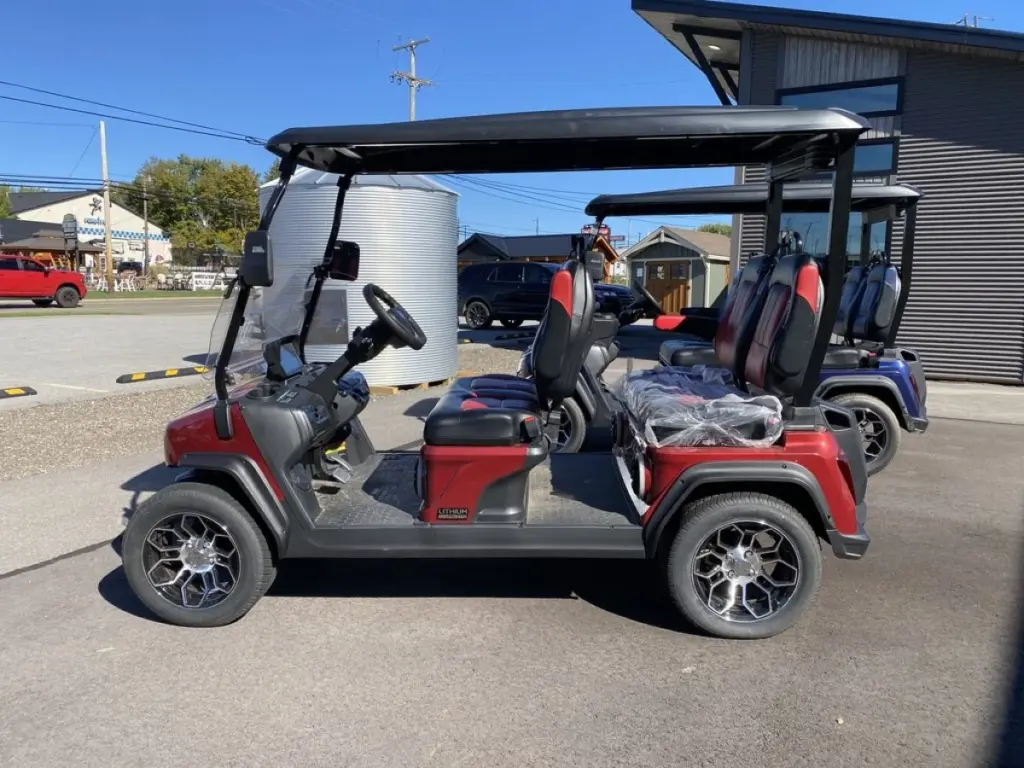
Most golf carts do not qualify as commercial motor vehicles because they operate at lower speeds and remain outside standard commercial weight classifications. However, certain low-speed vehicles used for business transportation may face additional registration or operational requirements depending on local laws.
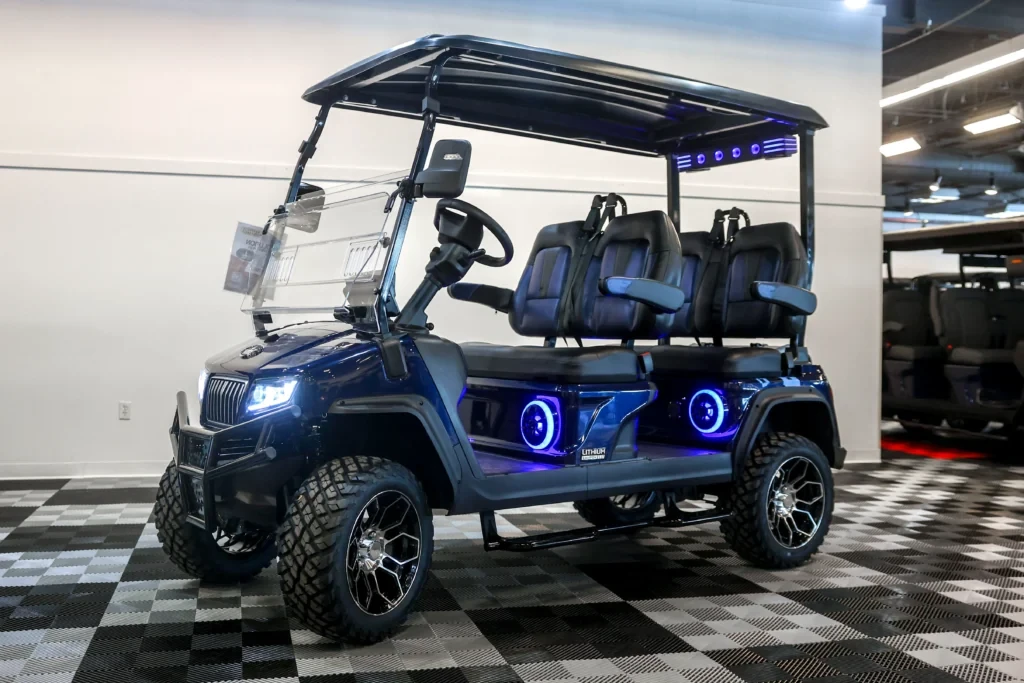
Resorts, maintenance crews, and large commercial properties sometimes use golf carts for transportation across private land. In these situations, the carts usually remain separate from federal CMV classifications, but local workplace or safety rules may still apply. Buyers exploring practical transportation solutions for property management or community use often consider models like the Evolution EV D5 Ranger 4 Plus because they combine utility with neighborhood-friendly operation.
Examples of Commercial Motor Vehicles
Common examples of commercial motor vehicles include semi-trucks, tractor-trailers, box trucks, delivery vehicles, dump trucks, utility trucks, passenger buses, shuttle buses, and vehicles used to transport hazardous materials. Whether a vehicle qualifies as a CMV depends on its weight, passenger capacity, cargo type, and business use.
Why CMV Classification Matters
Commercial vehicle classification affects licensing, insurance, inspections, taxes, and operating regulations. Businesses that misunderstand classification rules may face fines, insurance problems, or legal liability if vehicles are not properly registered or maintained. Drivers also risk penalties if they operate vehicles requiring a CDL without the correct licensing.
Understanding these rules protects both businesses and drivers from avoidable compliance issues. Commercial regulations may seem complicated at first, but they exist to improve roadway safety and standardize vehicle operation across industries. Knowing whether a vehicle qualifies as commercial helps owners make informed decisions before putting vehicles into business use.
Do Commercial Motor Vehicle Rules Vary By State?
Yes. While federal regulations establish baseline commercial motor vehicle standards, individual states may apply additional registration, inspection, weight, licensing, and operating requirements. Some states have stricter rules for intrastate commerce, towing operations, and commercial vehicle registration. Drivers and business owners should always review both federal and state regulations to ensure compliance.
Conclusion
A commercial motor vehicle generally includes vehicles used for business purposes that meet certain weight, passenger, or cargo requirements under federal and state regulations. Semi-trucks, buses, delivery vehicles, and heavy-duty work trucks commonly fall into this category, while some smaller vehicles may qualify depending on how they are used. Commercial classification affects licensing, inspections, insurance, and operational rules, making it important for businesses and drivers to understand their responsibilities clearly. For buyers looking for practical transportation solutions for private property, neighborhood travel, or light utility use, Hartville Golf Carts offers dependable models designed for everyday convenience and reliability.