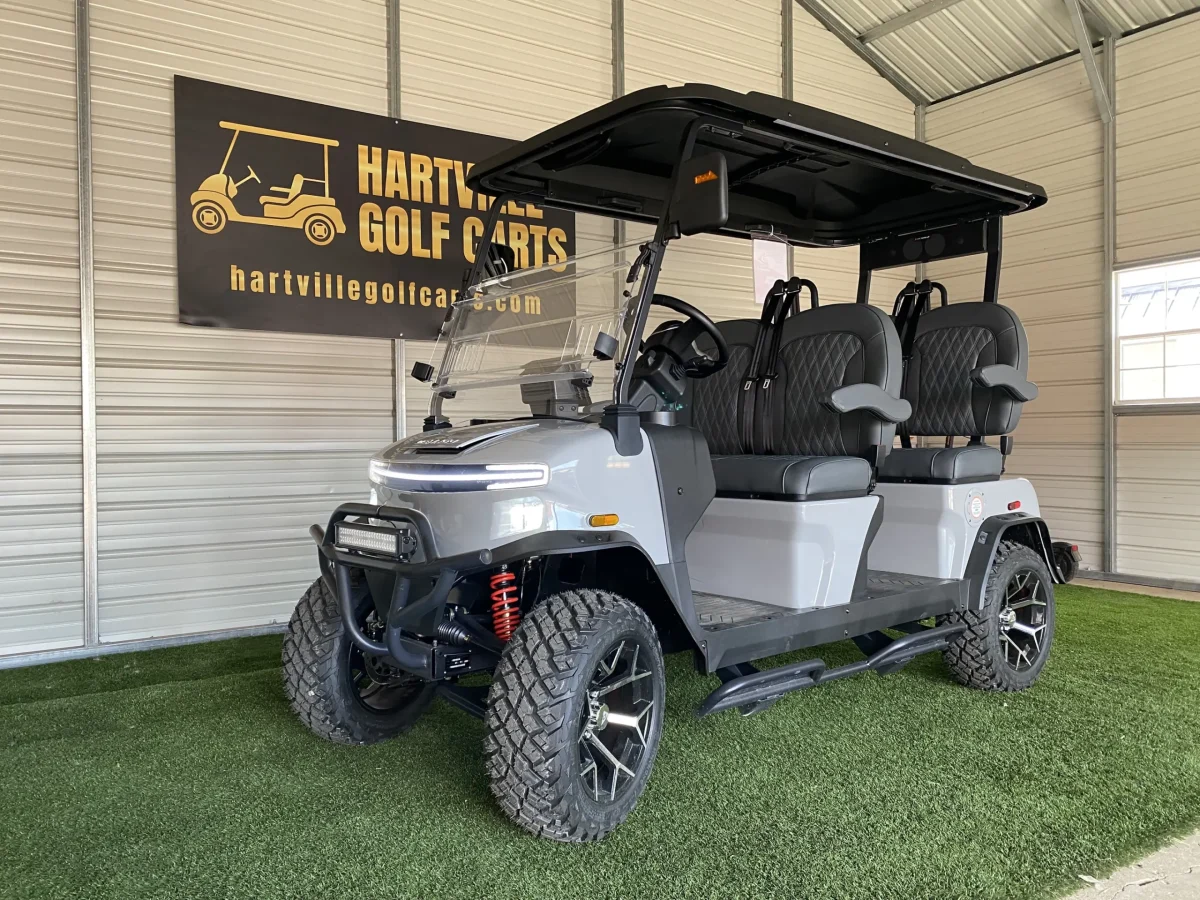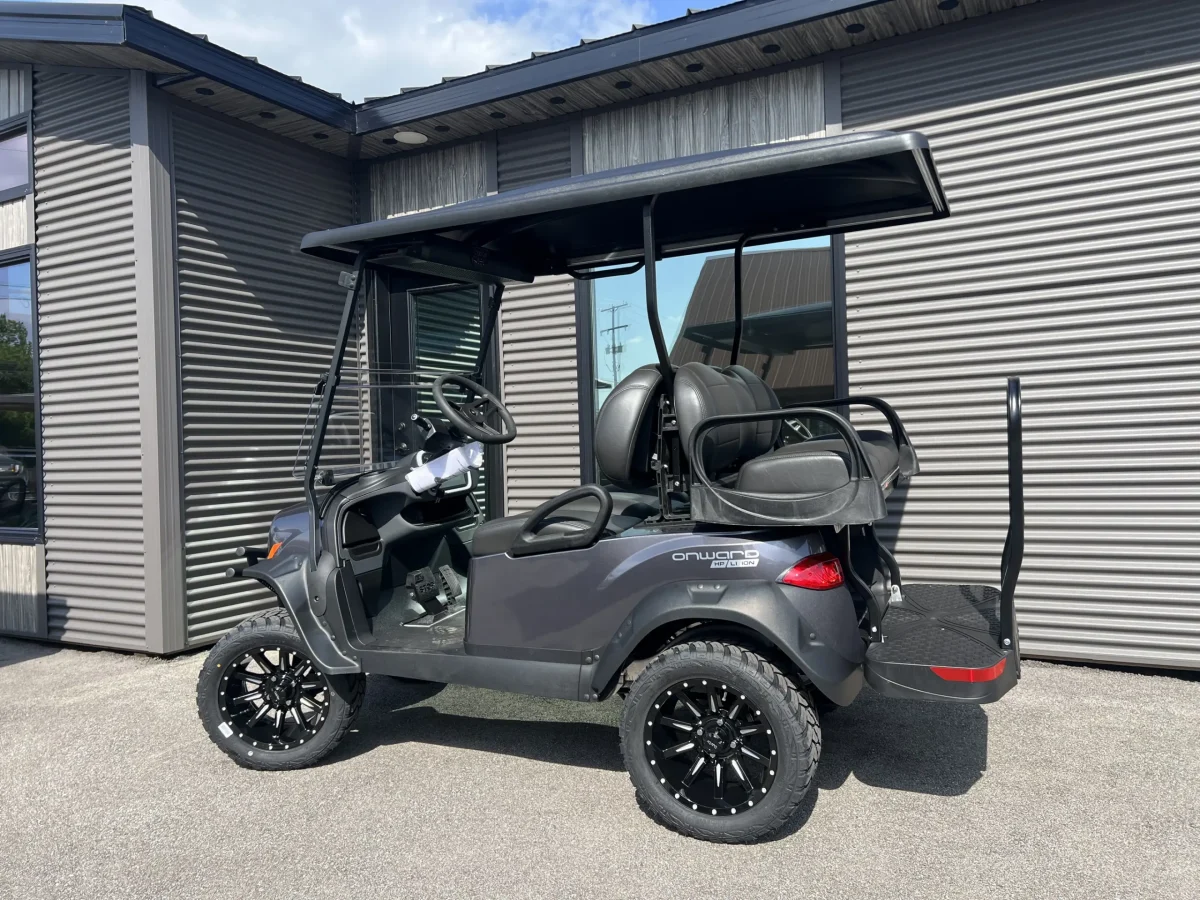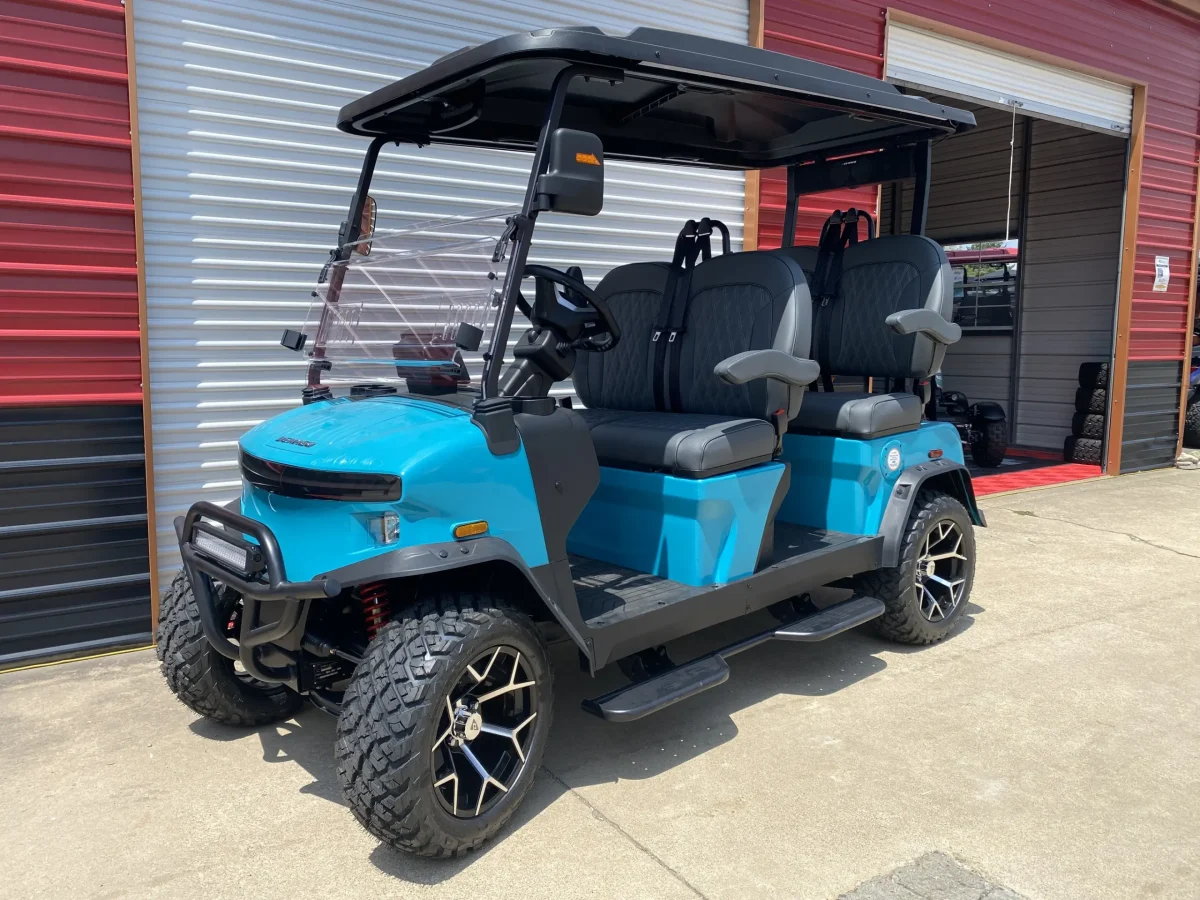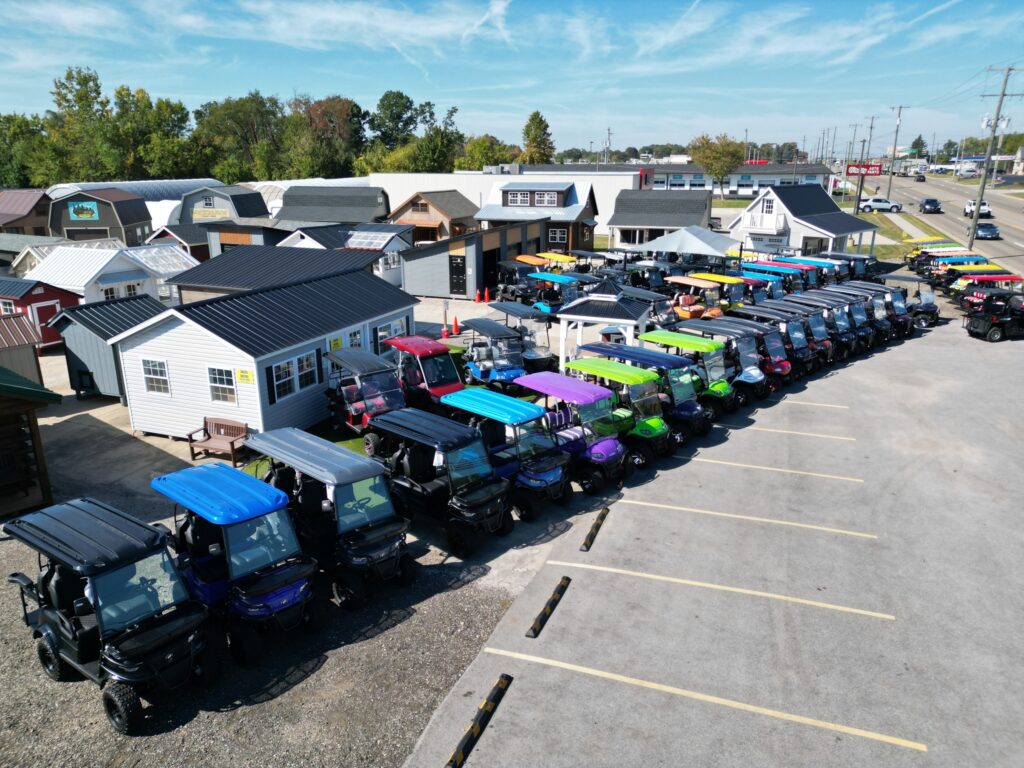

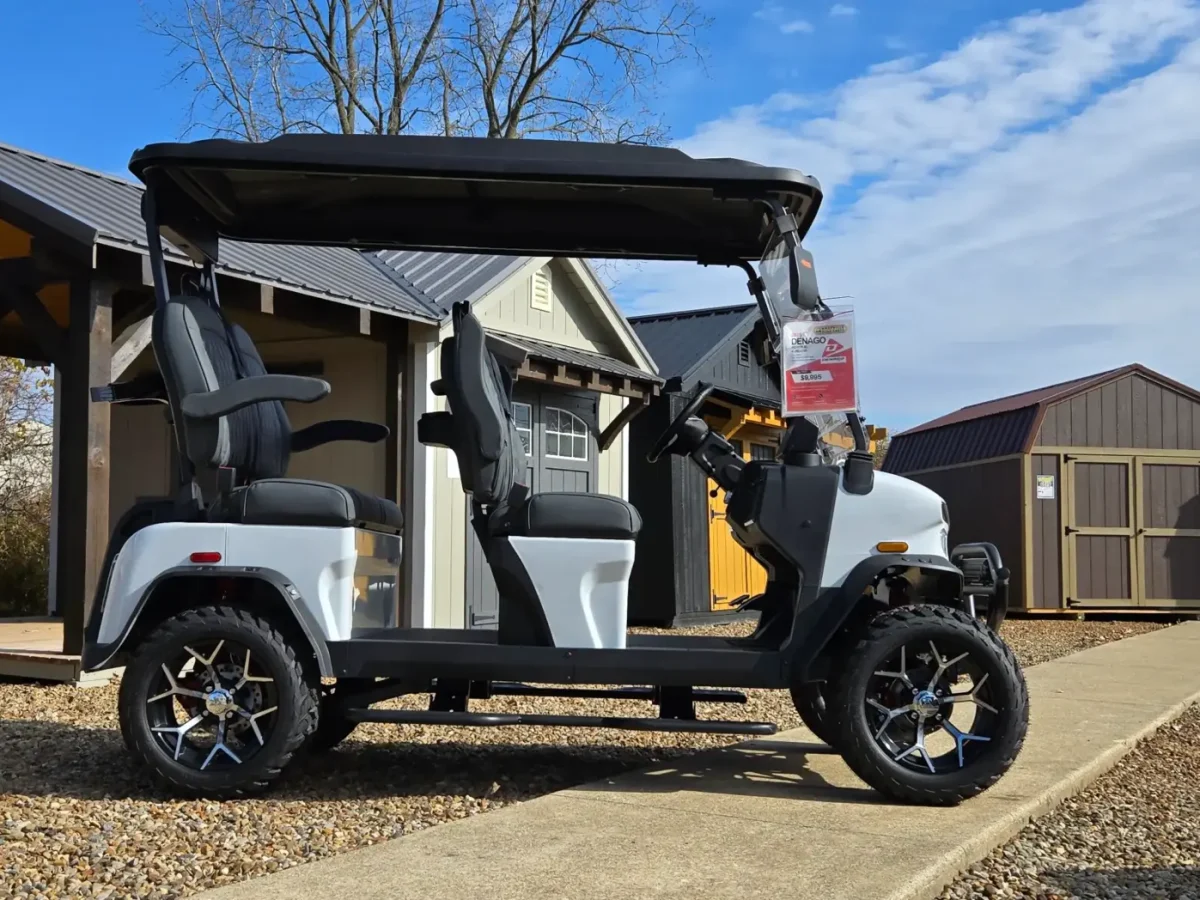
When buyers ask how long does EV last, they are usually thinking about battery lifespan, but in the world of golf carts, the answer involves far more than just the battery pack. An electric golf cart can last 15 to 25 years with proper maintenance, while the battery system itself typically lasts between 4 and 10 years depending on chemistry, usage, and charging habits. The motor and controller often outlast multiple battery replacements if maintained correctly. Unlike full-size electric cars that experience high-speed highway cycles, golf cart EV systems operate at lower speeds and often face less mechanical stress. That difference can extend overall system longevity when properly maintained. Understanding lifespan expectations helps buyers plan ownership costs and make smarter upgrade decisions.
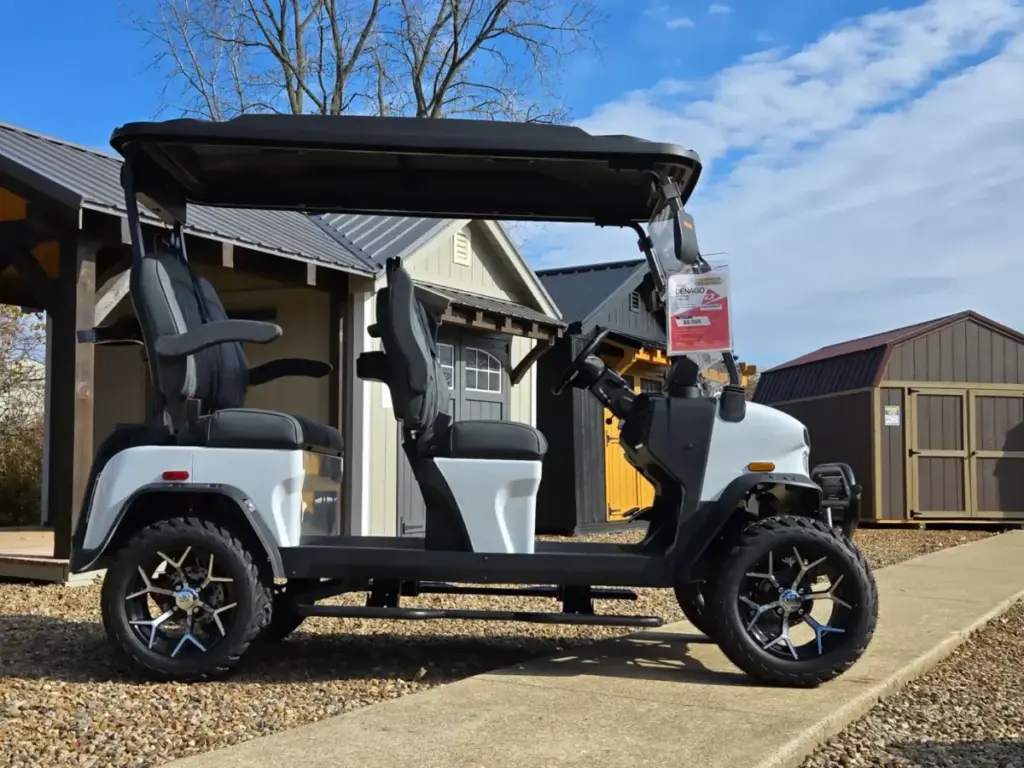
Battery Lifespan In Electric Golf Carts
The battery pack is the most frequently replaced component in an electric golf cart. Traditional lead-acid batteries often last between four and six years with consistent maintenance. Lithium battery systems can extend that range to eight to ten years or more depending on charge cycles and environmental conditions. Charging habits play a significant role. Deep discharges, irregular charging, and extreme temperatures reduce battery life. Proper watering for lead-acid systems, clean terminals, and correct charging equipment improve longevity. While many people assume the vehicle itself wears out quickly, most electric carts remain structurally sound long after their first battery pack reaches the end of its service life. That is why understanding how long does EV last must separate battery lifespan from total vehicle lifespan.
Motor And Controller Durability
Electric motors in golf carts are relatively simple compared to combustion engines. With fewer moving parts and no internal fuel combustion, they experience less mechanical wear. Many electric golf cart motors last well over a decade, often surviving multiple battery replacements. Controllers, which regulate power delivery from the battery to the motor, also tend to last many years when protected from moisture and electrical surges. Proper ventilation and secure wiring connections prevent premature failures. Because golf carts operate at lower speeds than passenger vehicles, drivetrain stress is typically lower, contributing to extended service life. The longevity of these components explains why older electric carts remain operational with periodic battery updates.
Frame And Structural Longevity
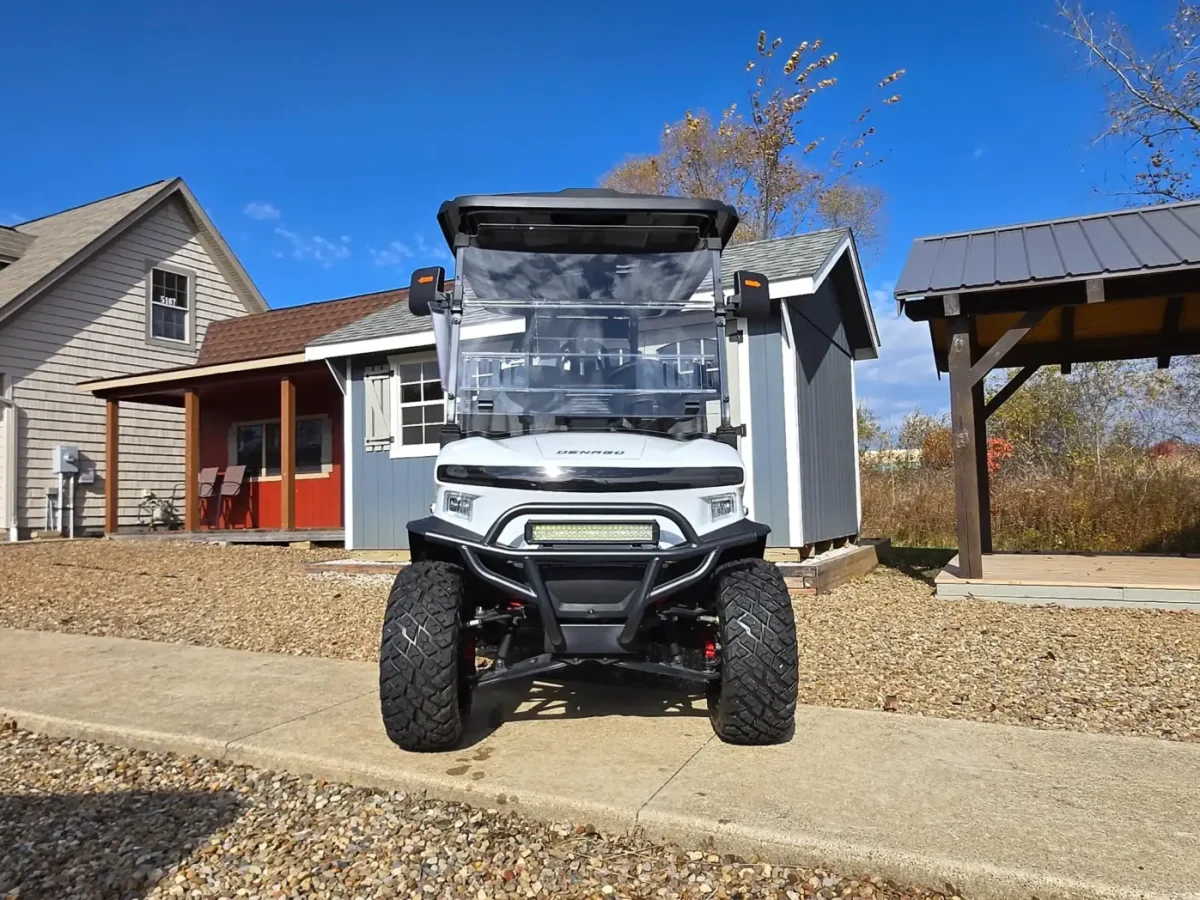
The chassis and frame often determine the ultimate lifespan of an electric golf cart. Quality steel or aluminum frames resist corrosion when properly maintained. Exposure to salt, moisture, and poor storage conditions can accelerate wear. However, many golf carts remain structurally solid for 20 years or more when stored indoors and cleaned regularly. Suspension components such as bushings and shocks may require replacement over time, but these are routine maintenance items rather than structural failures. When evaluating how long does EV last in golf cart form, frame integrity becomes a key factor because batteries and electronics can be replaced, but a compromised frame limits practical longevity.
Charging Habits And Their Impact
Charging practices significantly influence electric golf cart lifespan. Frequent partial charging tends to be healthier for lithium systems, while lead-acid batteries benefit from full charging cycles followed by proper cooling periods. Leaving a cart fully discharged for extended periods can shorten battery life dramatically. Using manufacturer-approved chargers prevents overcharging and voltage irregularities. The U.S. Department of Energy provides guidance on electric vehicle battery care principles at U.S. Department of Energy EV Batteries. Although that guidance covers broader EV categories, the same energy management principles apply to golf cart systems. Consistent charging discipline protects long-term performance.
Usage Patterns And Environmental Factors
How often and how intensely a cart is used affects its lifespan. Daily neighborhood driving with moderate loads places steady but manageable demand on the system. Heavy commercial use, steep terrain, and constant passenger loads increase wear on electrical and suspension components. Climate also plays a role. Extreme heat accelerates battery degradation, while prolonged freezing temperatures can reduce efficiency and capacity. Indoor storage and seasonal maintenance significantly extend life expectancy. When someone asks how long does EV last in a golf cart application, usage patterns often determine whether the cart performs reliably for 10 years or exceeds 20 years with proper upkeep.
Maintenance Versus Neglect
Routine inspection separates long-lasting carts from short-lived ones. Cleaning battery terminals, tightening electrical connections, checking tire pressure, and servicing brakes prevent cascading failures. Neglect can turn minor issues into costly repairs. For example, corroded battery cables reduce efficiency and strain the controller. Underinflated tires increase load on the motor. Regular maintenance costs less than premature replacement. Owners who treat electric carts as durable vehicles rather than disposable equipment often experience significantly longer service life. Preventative care directly influences how long does EV last in real-world ownership scenarios.
Comparing Golf Cart EVs To Full-Size EVs
Full-size electric vehicles operate under heavier loads and higher speeds, often covering tens of thousands of miles annually. Golf carts, by contrast, typically accumulate lower mileage and operate in controlled environments. This difference reduces stress on motors and drivetrains. While automotive EV batteries are engineered for long highway use, golf cart batteries endure fewer extreme discharge cycles when maintained properly. As a result, total structural lifespan in golf carts can rival or exceed expectations when measured in years rather than miles. The comparison highlights how design purpose influences durability.
Choosing A Durable Electric Platform
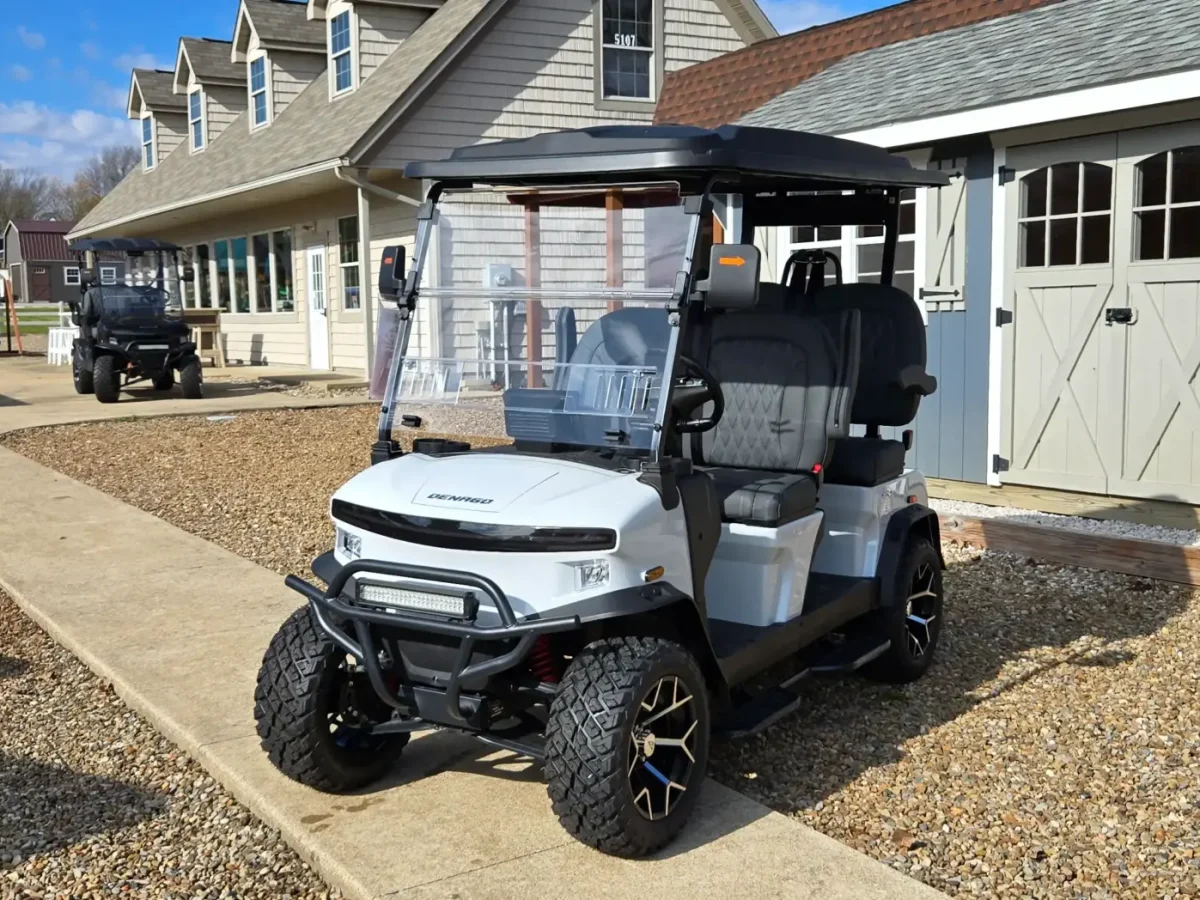
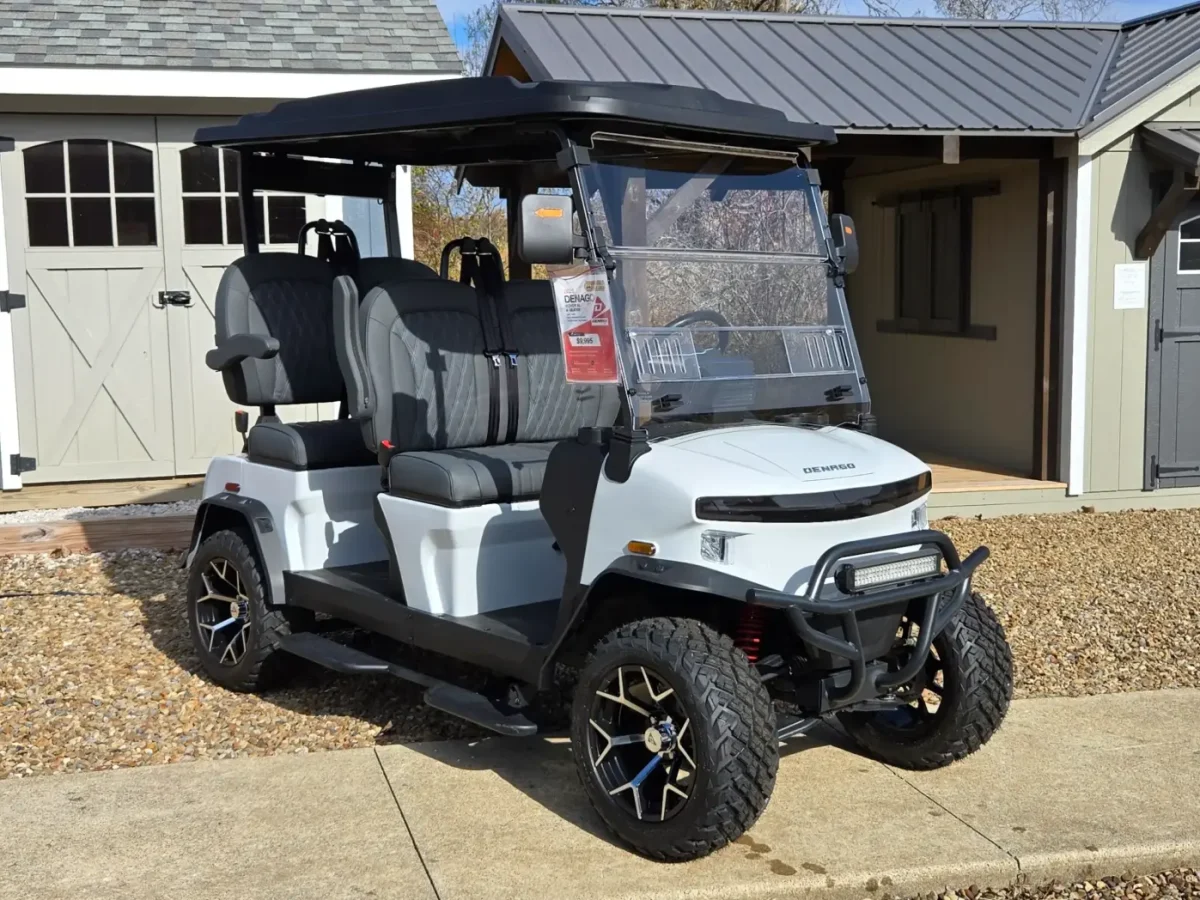
Longevity begins with selecting a well-built platform. Buyers exploring dependable electric options often consider models such as the Denago EV Rover XL, which reflects modern electric design with balanced performance and durability. Quality construction, reliable electrical systems, and proper battery management support extended service life. Rather than focusing solely on initial price, evaluating build quality and maintenance requirements provides better long-term value. Understanding how long does EV last in a golf cart context helps buyers choose wisely.
Conclusion
An electric golf cart can last 15 to 25 years when properly maintained, while its battery system typically requires replacement every 4 to 10 years depending on chemistry and care. Motor, controller, and structural components often outlast multiple battery cycles if maintained consistently. Usage patterns, charging discipline, storage conditions, and build quality all influence longevity. For drivers comparing dependable electric golf carts designed for long-term neighborhood and recreational use, Hartville Golf Carts offers a wide selection built for durability and everyday reliability.