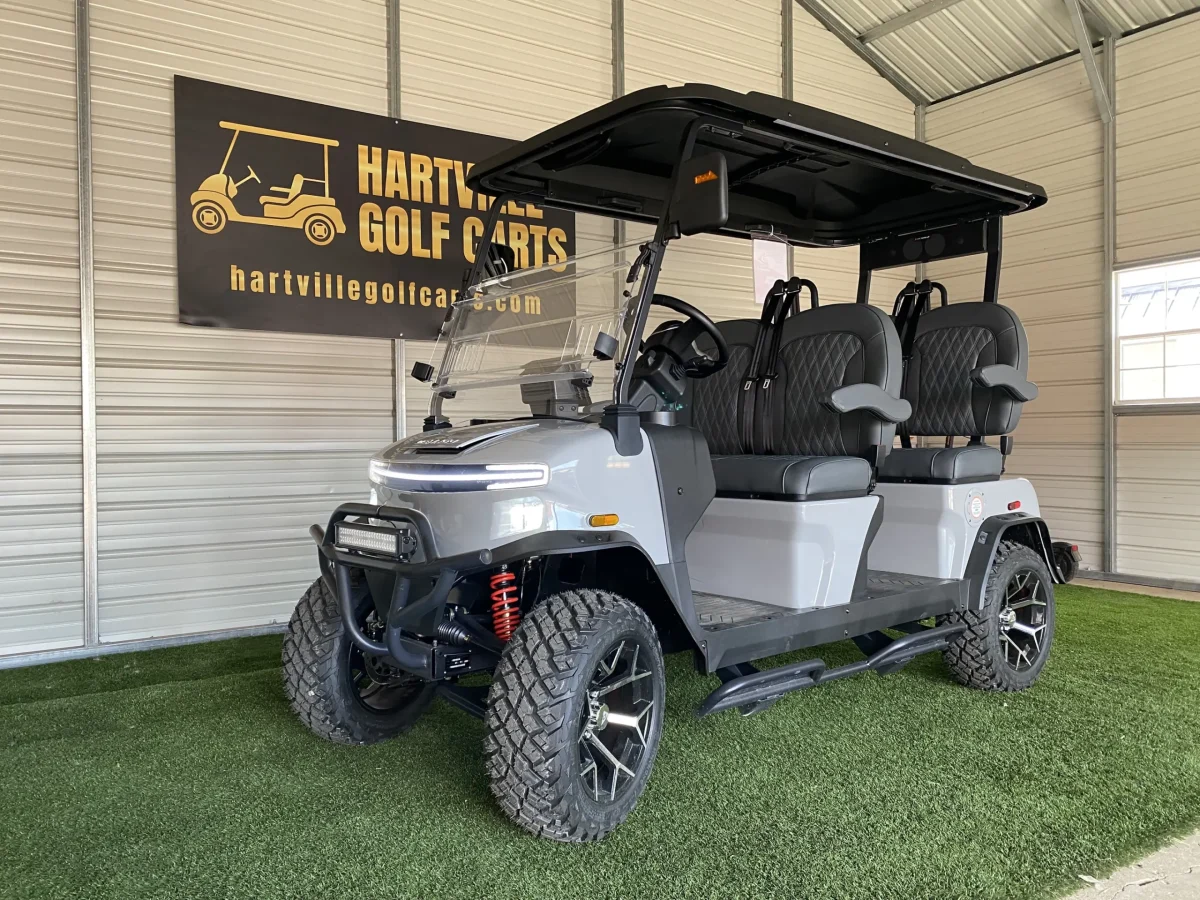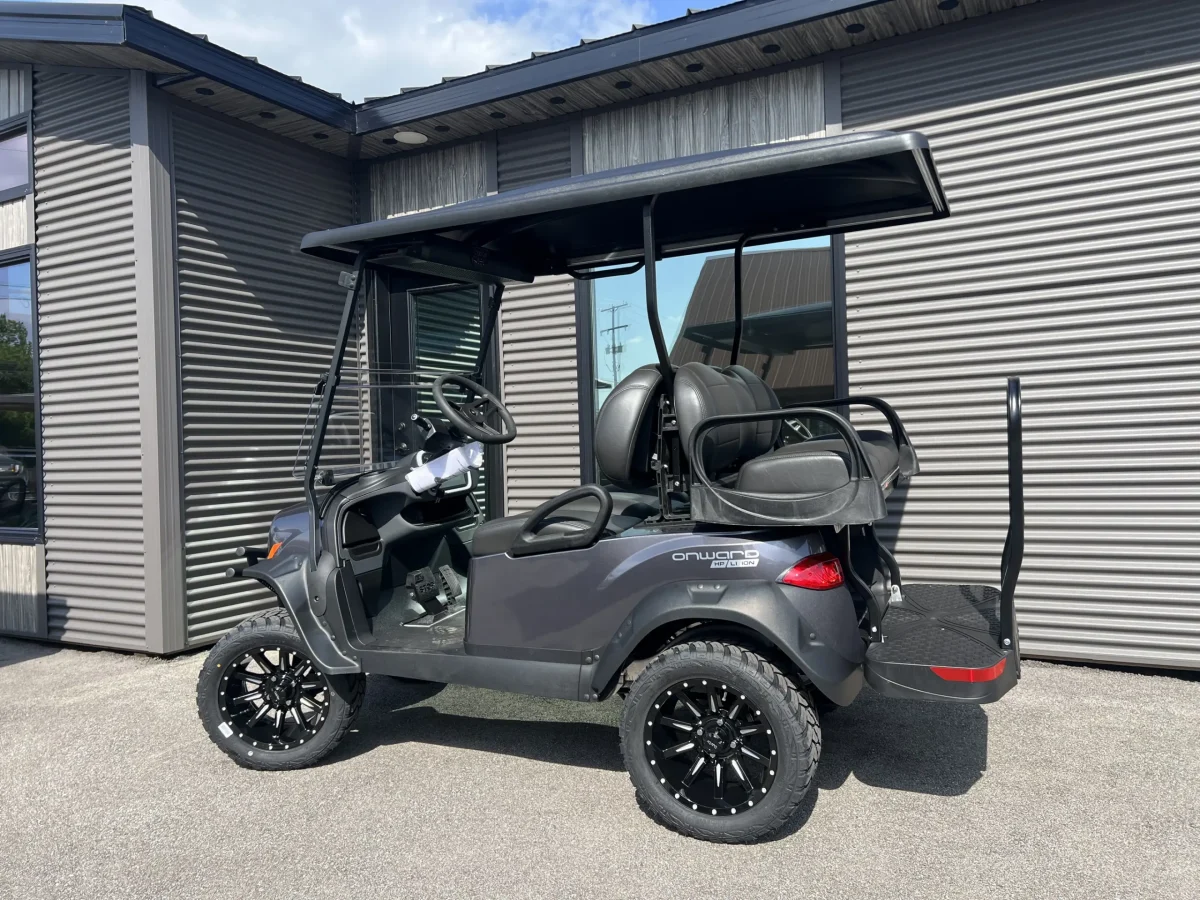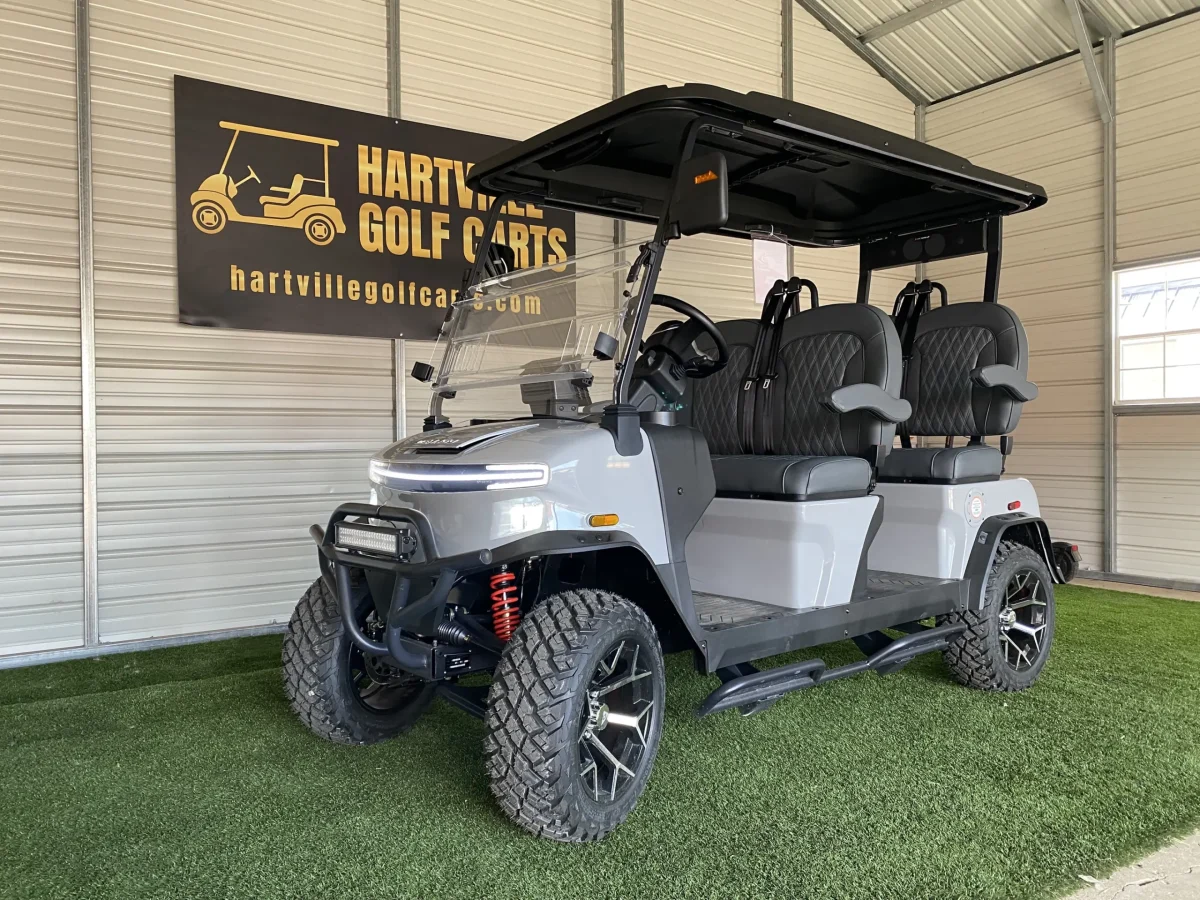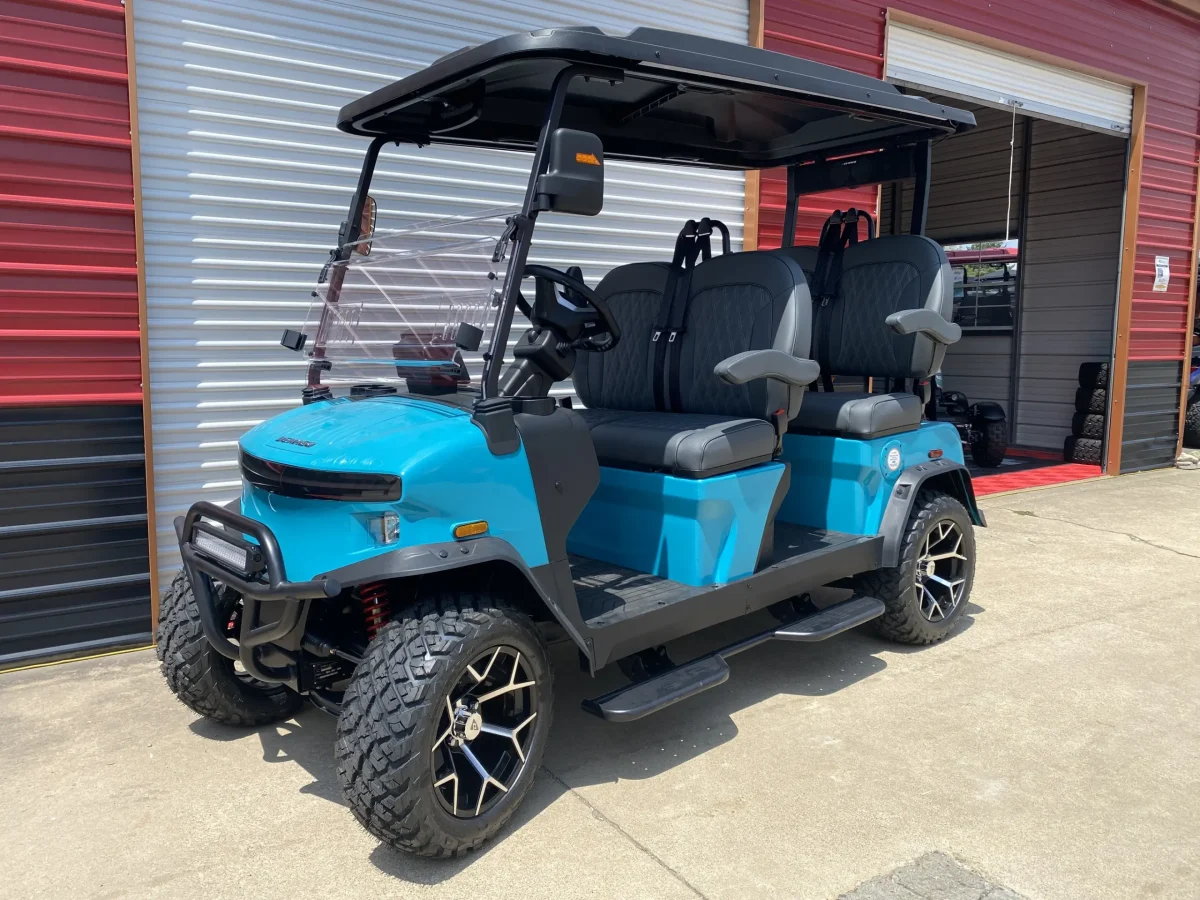

How fast does electric golf cart go depends on motor design, battery voltage, controller settings, terrain, and whether the vehicle is factory-limited or modified. Most standard electric golf carts operate between 12 and 15 miles per hour in stock condition. Street-legal electric models classified as Low-Speed Vehicles can reach between 20 and 25 miles per hour when properly equipped. Modified electric carts may exceed those speeds, but increasing top speed without matching upgrades to braking, suspension, and safety systems can create mechanical and safety concerns. Understanding how fast does electric golf cart go helps buyers select the right configuration for their needs.
Typical Factory Speed Range
In factory configuration, most electric golf carts are built for golf course transportation rather than public-road travel. Manufacturers usually set top speeds between 12 and 15 miles per hour. This range supports safe path operation and energy efficiency while minimizing mechanical strain. Factory limits are intentional because they extend battery life and reduce wear on components. A standard electric cart designed for course use prioritizes smooth acceleration and reliability over high-speed capability. When buyers ask how fast does electric golf cart go, the default answer typically reflects this conservative factory setting.
Low-Speed Vehicle Electric Models
Electric golf carts configured for public-road use often qualify as Low-Speed Vehicles. These models are capable of reaching speeds between 20 and 25 miles per hour under regulatory guidelines. Unlike basic golf carts, LSV models include required lighting, mirrors, seat belts, and VIN documentation. The increased speed allows integration into neighborhood traffic while remaining within safety thresholds. Speed capability alone does not define legality, but it plays a central role in classification. Buyers seeking higher speed for road use often consider purpose-built electric LSV platforms.
Motor Power And Voltage Influence
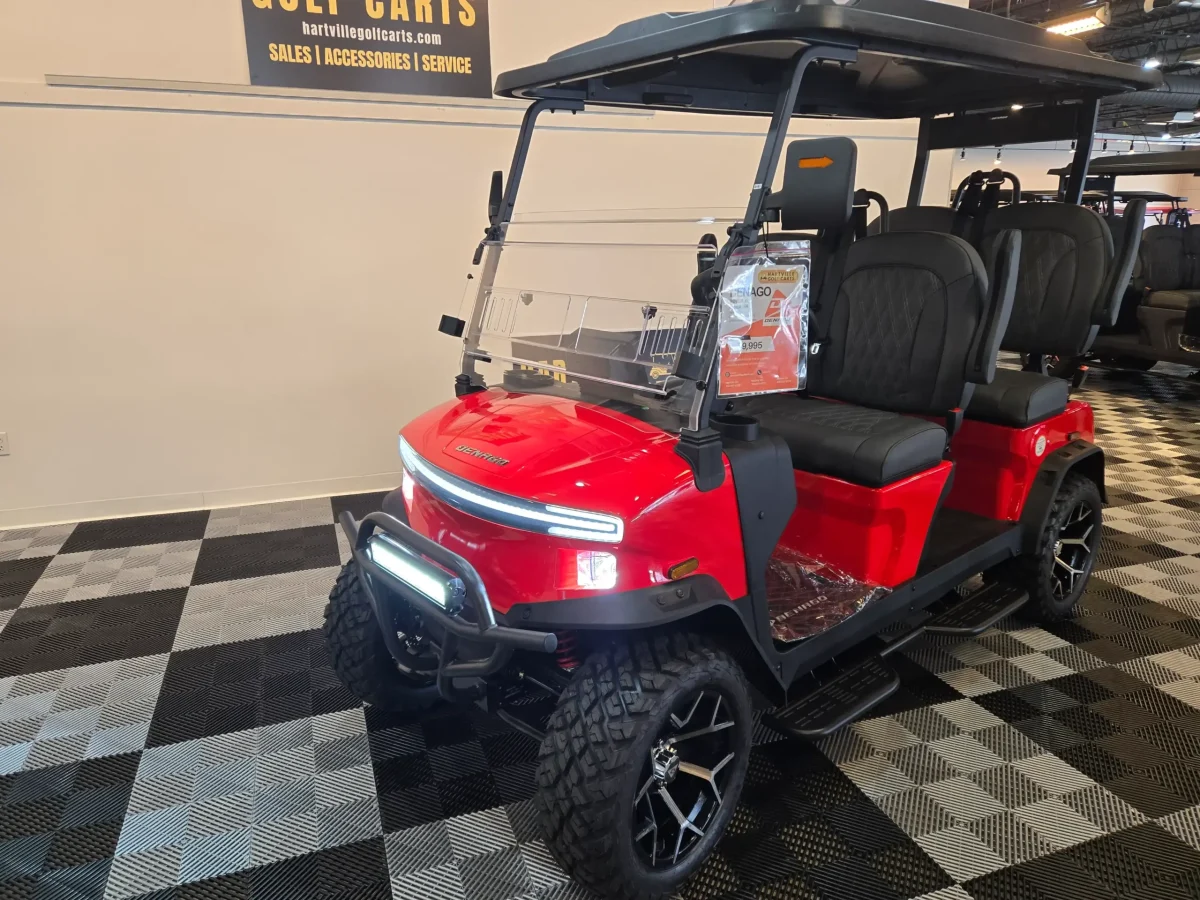
Motor design and battery voltage directly influence how fast does electric golf cart go. Higher voltage systems, such as 48-volt or 72-volt configurations, can deliver greater power and improved acceleration. However, top speed is controlled by programming and gearing rather than voltage alone. A higher-voltage system may provide stronger torque and smoother hill performance without dramatically increasing maximum speed. The controller regulates power output to maintain safe operating limits. Balanced system design ensures efficiency and durability.
Role Of The Controller
The controller acts as the electronic brain of an electric golf cart. It determines how much power flows from the batteries to the motor. Programming settings limit speed and acceleration curves. Adjusting controller parameters can increase top speed within safe margins, but aggressive tuning may reduce battery efficiency and strain electrical components. Factory settings protect long-term reliability. When evaluating how fast does electric golf cart go, controller programming plays a larger role than many buyers realize.
Battery Type And Performance
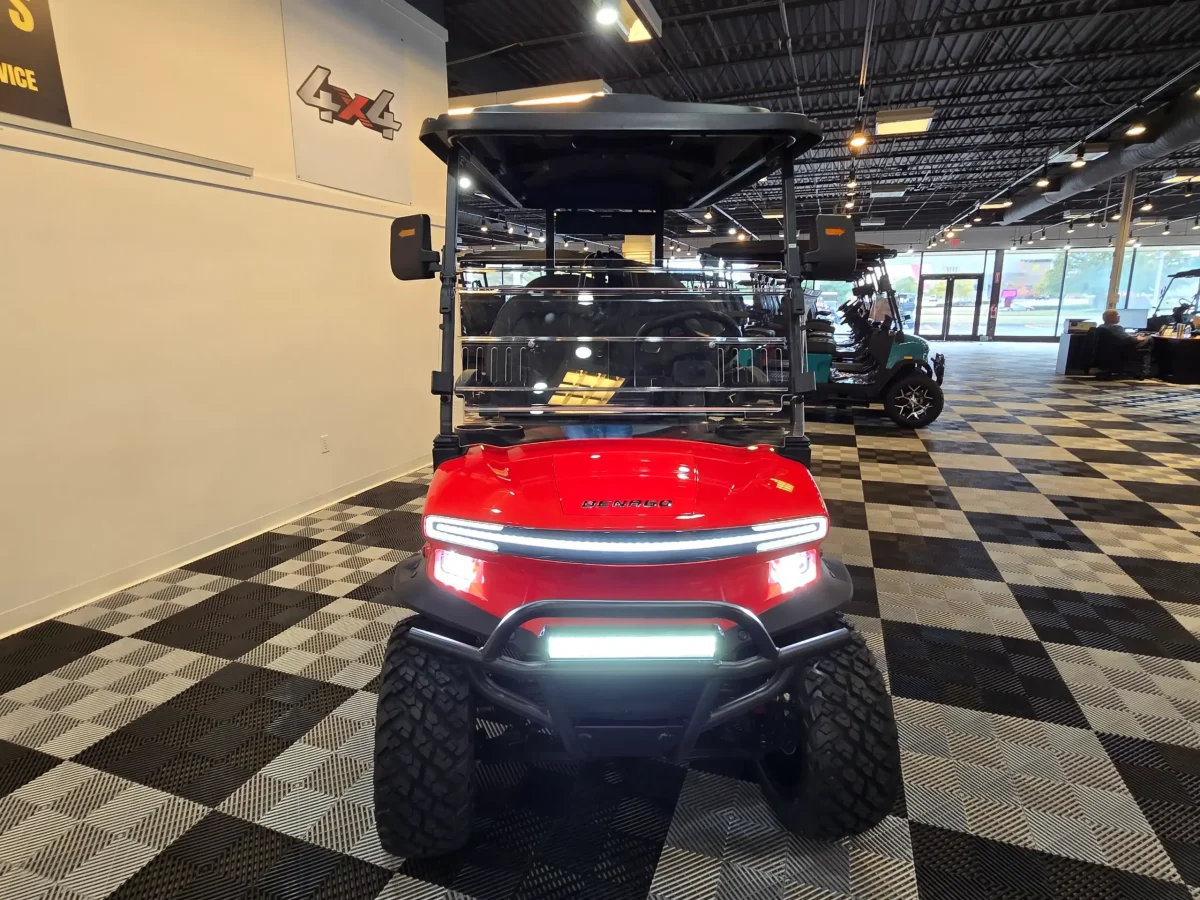
Battery chemistry affects sustained speed and acceleration consistency. Lead-acid batteries may experience voltage sag as they discharge, which can slightly reduce speed near the end of a charge cycle. Lithium batteries tend to maintain more consistent voltage output across the discharge curve. While battery type does not necessarily increase top speed beyond programmed limits, it influences how consistently the cart maintains performance. Battery efficiency also impacts range at higher speeds.
Terrain And Real-World Conditions
Terrain significantly affects real-world speed performance. On flat pavement, an electric cart can reach its programmed maximum with ease. Hills increase load on the motor and may reduce achievable speed. Wind resistance and tire condition also influence performance. A cart rated for 20 miles per hour may travel slower when fully loaded on an incline. Real-world speed depends on environmental conditions as much as mechanical capability.
Passenger Load And Weight
Weight directly impacts acceleration and sustained speed. Carrying additional passengers or cargo requires more torque, which increases energy draw. While the controller limits top speed, heavy loads may slow the cart’s ability to reach that limit quickly. Tire pressure and wheel size also influence rolling resistance. Proper weight distribution improves stability and handling at higher speeds.
Modified Electric Golf Cart Speeds
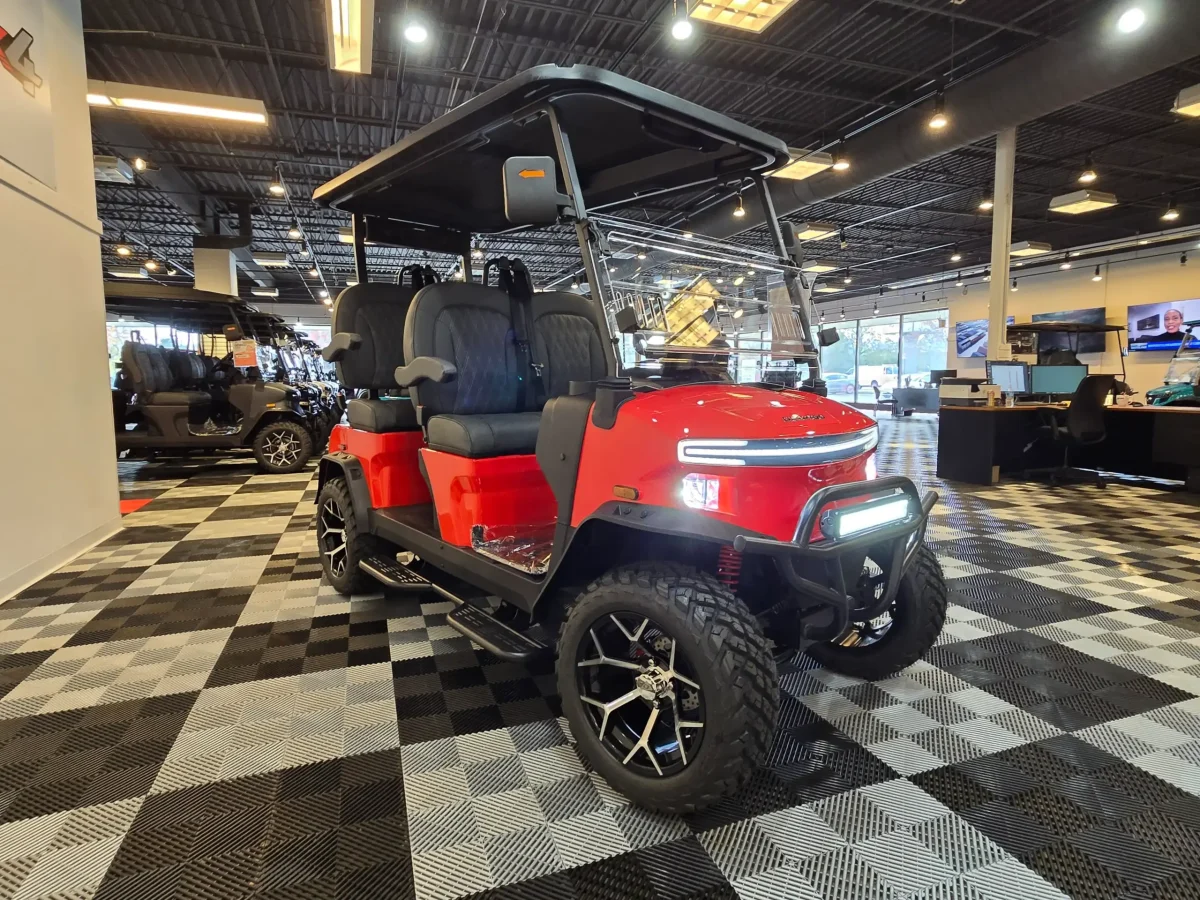
Some owners modify electric golf carts to increase speed beyond factory settings. Upgrades may include high-speed motors, reprogrammed controllers, larger tires, or gear changes. Modified electric carts can exceed 25 miles per hour under certain conditions. However, higher speed introduces safety considerations. Brakes, steering components, and suspension systems must match performance increases. Without balanced upgrades, mechanical stress increases and handling may degrade.
Efficiency Versus Speed Tradeoffs
Higher speeds typically reduce range. Driving at maximum throttle draws more current from the battery pack. This increases heat and reduces overall efficiency. Electric systems operate most efficiently at moderate speeds. Owners seeking extended range often find that steady cruising below maximum speed provides the best balance between distance and performance. The U.S. Department of Energy explains that electric vehicle efficiency depends heavily on driving habits and load conditions. You can review that guidance here: U.S. Department of Energy EV Basics.
Safety Considerations At Higher Speeds
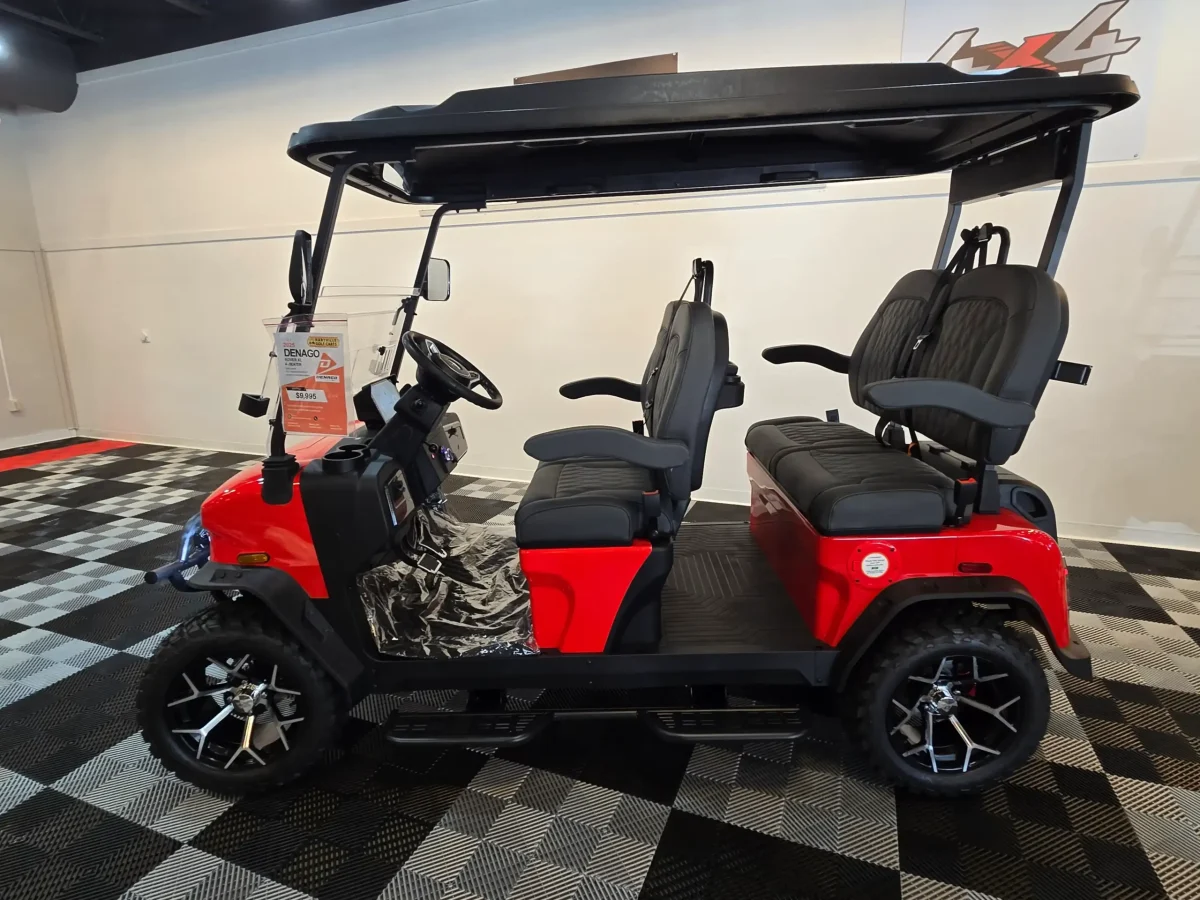
As speed increases, braking distance grows and steering response becomes more sensitive. Electric golf carts were originally designed for low-speed environments. Operating at higher speeds requires attention to maintenance and safe driving practices. Tire quality, brake condition, and suspension integrity become critical. Owners should ensure all components remain in good condition before pushing performance limits.
Electric Vs Gas Speed Comparison
Electric and gas golf carts can reach similar regulated speeds in street-legal configurations. Electric models often provide smoother acceleration and quieter operation. Gas carts may feel stronger in sustained high-load conditions due to combustion torque characteristics. Ultimately, how fast does electric golf cart go depends more on design and configuration than fuel type. Both systems can perform reliably when engineered within safe limits.
Choosing The Right Electric Cart
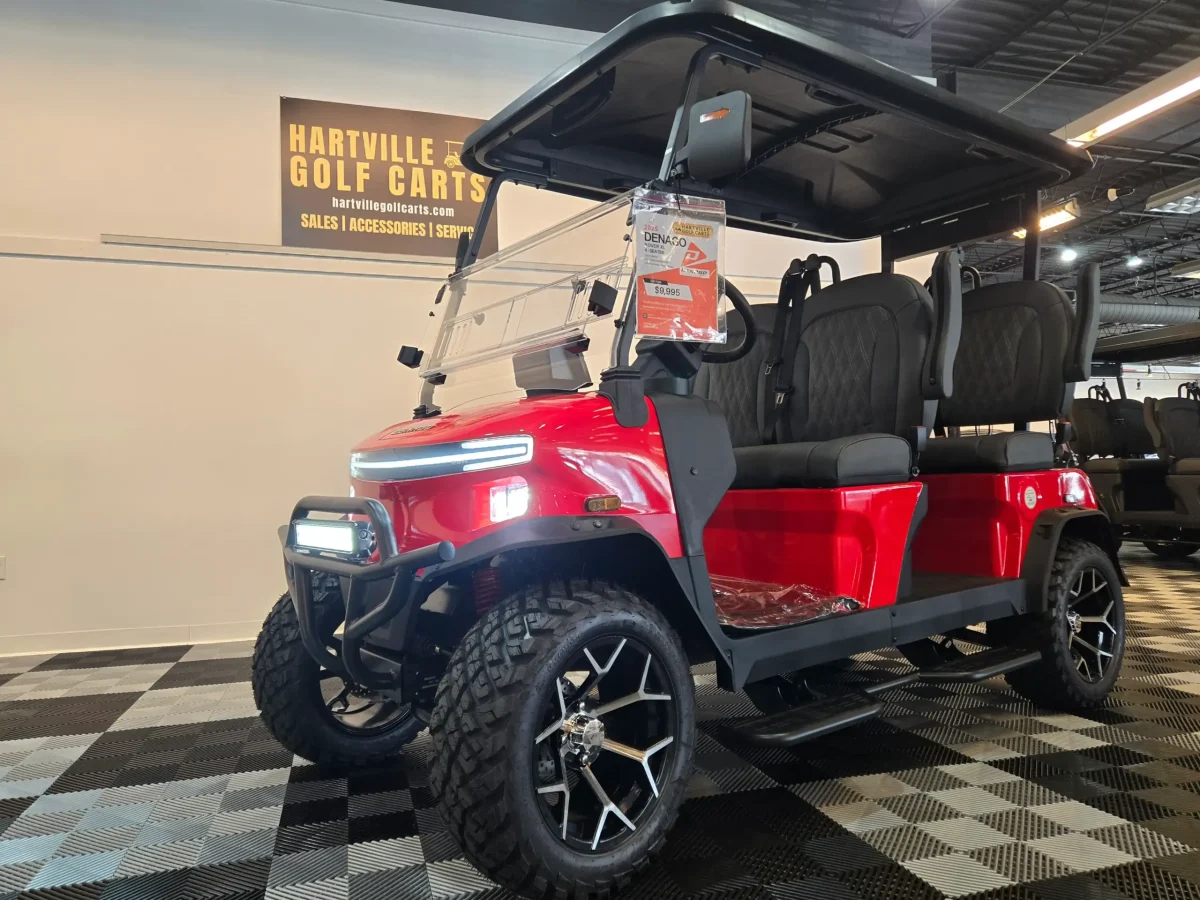
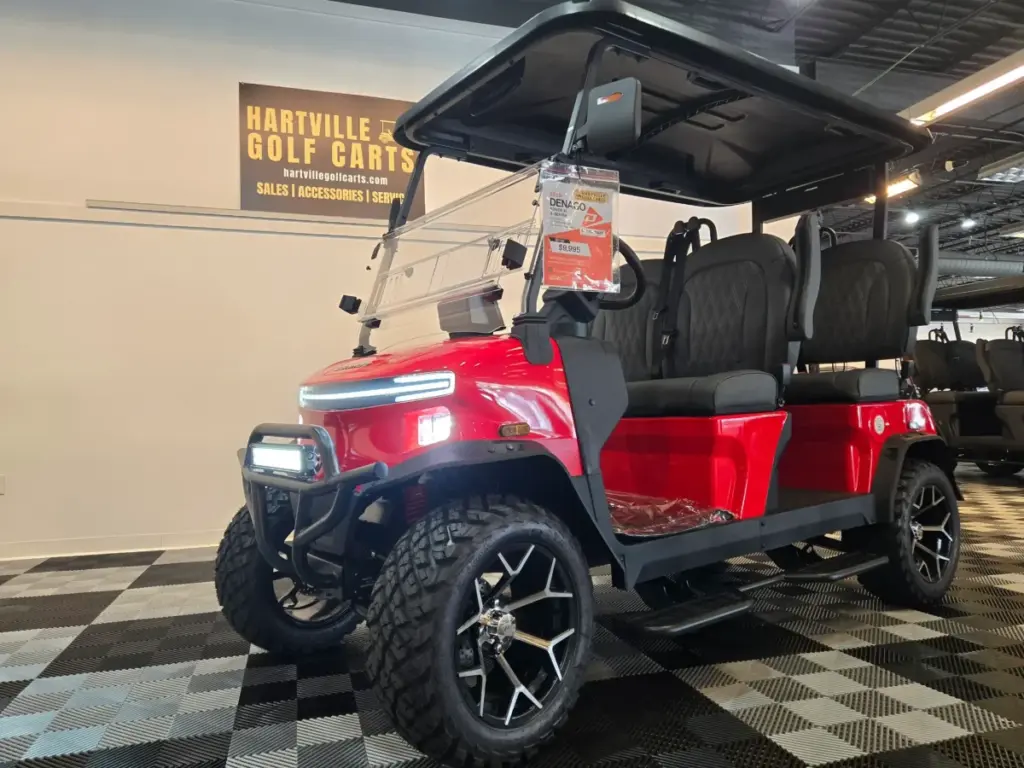
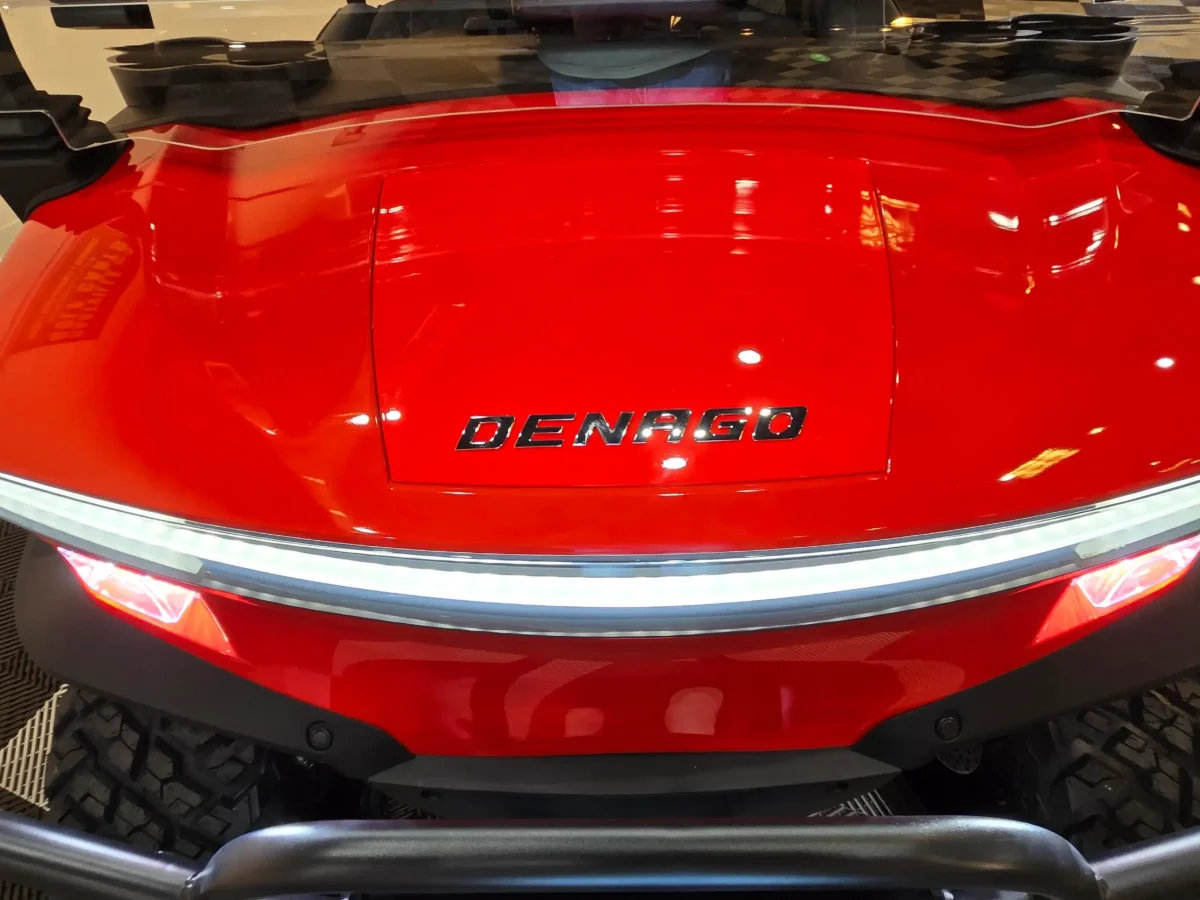
When evaluating how fast does electric golf cart go, buyers should consider how they plan to use the vehicle. For neighborhood travel, moderate top speed combined with smooth acceleration often provides the best experience. For example, the Red EZGO represents the type of electric cart many owners consider for practical daily transportation. Choosing a model designed for balance rather than extreme speed ensures reliable performance.
Conclusion
So, how fast does electric golf cart go? In most factory configurations, expect 12 to 15 miles per hour. Street-legal electric models can reach 20 to 25 miles per hour when properly equipped and registered. Modified carts may exceed those speeds, but safety and mechanical considerations must guide any upgrade. Motor design, battery voltage, controller programming, terrain, and load all influence real-world performance. For shoppers exploring dependable electric golf carts for neighborhood transportation, Hartville Golf Carts offers a huge selection of golf carts designed for reliable everyday travel.