
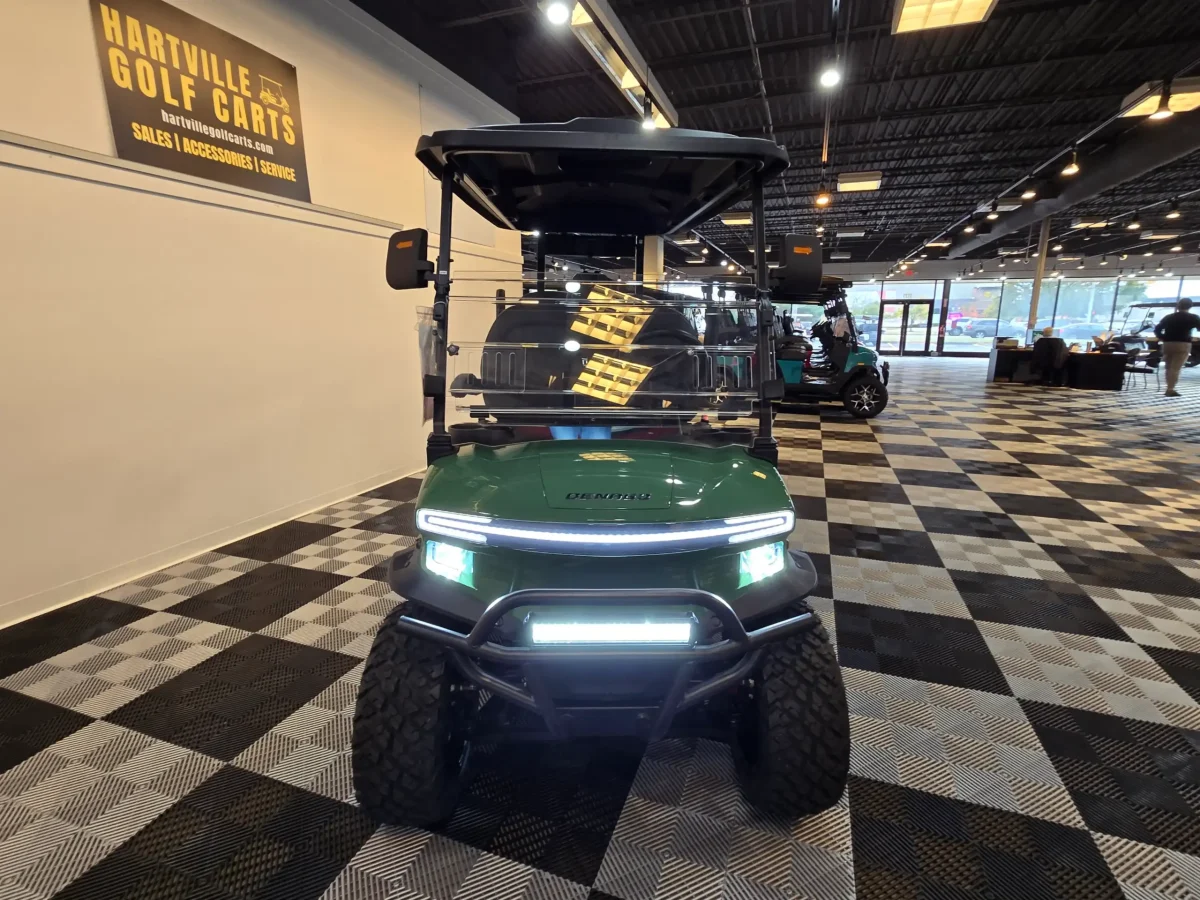
Learning how to charge golf cart battery correctly is one of the most important responsibilities of electric golf cart ownership. Batteries are the heart of an electric cart, and improper charging is one of the leading causes of premature failure, reduced driving range, and expensive replacements. Many charging problems are not caused by faulty batteries, but by habits such as overcharging, undercharging, or using incompatible equipment. Whether a golf cart is used daily or only occasionally, proper charging practices directly affect performance, reliability, and lifespan. Understanding voltage systems, charging cycles, and environmental factors helps owners avoid common mistakes and maintain consistent power throughout the year.

Battery Types
Before learning how to charge golf cart battery systems properly, it is essential to understand the type of battery installed. Most electric golf carts use lead-acid batteries or lithium batteries, and each requires a different charging approach. Lead-acid batteries are sensitive to deep discharge and require regular full charging cycles to prevent sulfation. Lithium batteries, on the other hand, use internal battery management systems that regulate charging automatically. Charging habits that work for one type can damage the other. Identifying battery chemistry ensures the correct charger, voltage settings, and charging frequency are used, preventing avoidable performance issues.
Voltage and Charger Compatibility
Matching the charger to the battery system is critical when learning how to charge golf cart battery setups safely. Golf carts commonly operate on 36-volt, 48-volt, or 72-volt systems, and using the wrong charger can damage batteries or electrical components. Chargers are designed to deliver specific voltage and amperage profiles based on battery type and capacity. A mismatched charger may overheat batteries or fail to complete a full charge. Many newer carts use onboard chargers that are optimized for the vehicle’s electrical system, reducing the risk of incompatibility. Ensuring correct charger selection protects both battery health and overall cart performance.
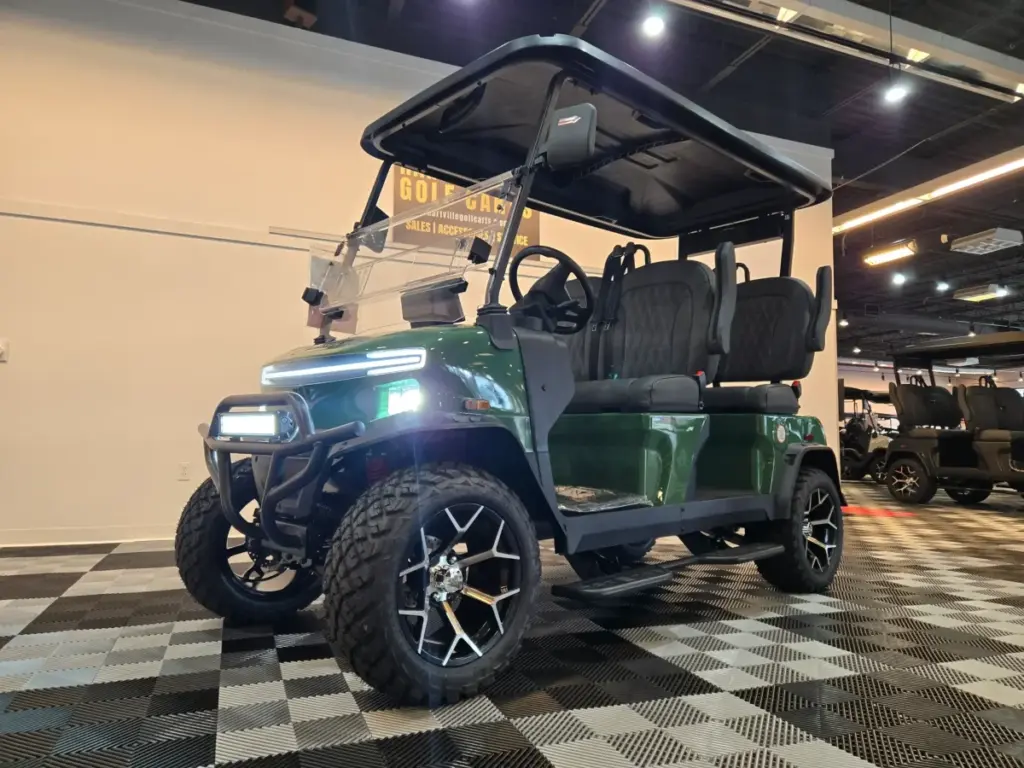
When to Charge the Batteries
Timing plays a major role in how to charge golf cart battery systems effectively. Batteries should be charged after each use, regardless of how short the trip was. Allowing batteries to remain partially discharged accelerates internal degradation and reduces capacity over time. Waiting until batteries are deeply discharged before charging can significantly shorten their lifespan. Consistent charging habits help maintain balanced cell voltage and prevent long-term damage. Even carts used only on weekends benefit from prompt charging after use rather than waiting days before plugging in.
Charging Process and Duration
The charging process should always be uninterrupted to allow the charger to complete its full cycle. Modern chargers regulate current automatically and shut off when charging is complete. Interrupting this process can leave batteries undercharged, leading to imbalance and reduced range. Charging duration varies depending on battery size, discharge level, and charger output, but most systems require several hours to reach full capacity. According to guidance from the U.S. Department of Energy, completing full charging cycles improves battery longevity and reliability. Proper charging patience is key to long-term performance.
Environmental Charging Conditions
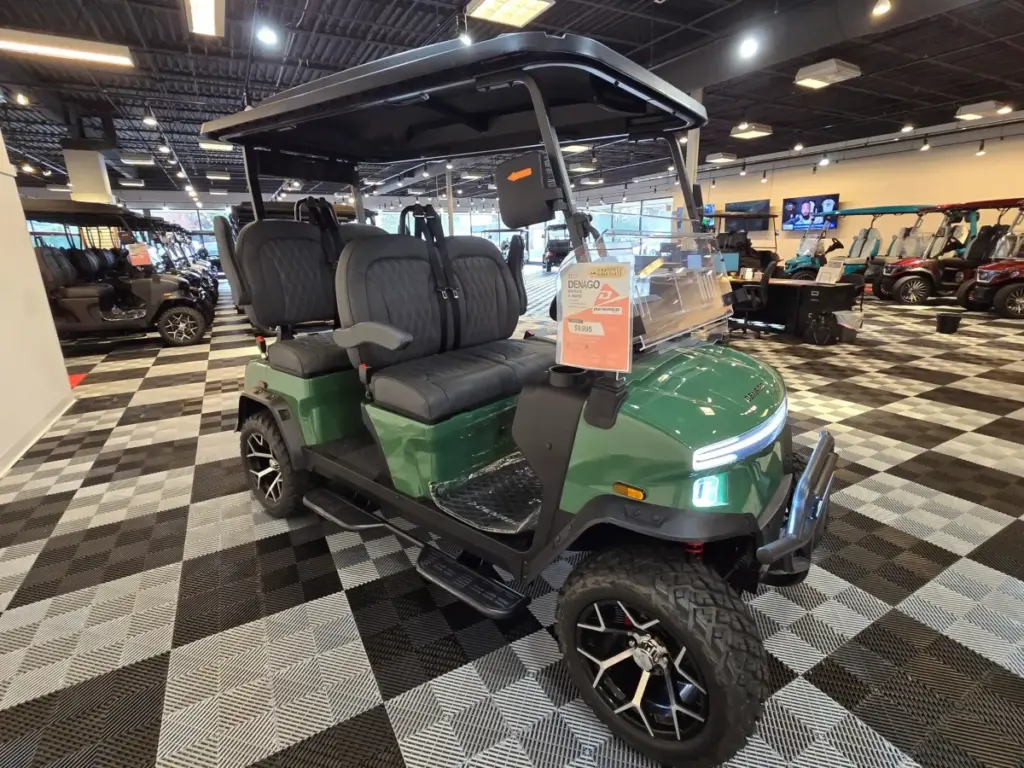
Temperature and environment affect how to charge golf cart battery systems safely. Charging should take place in a dry, well-ventilated area protected from extreme temperatures. Cold conditions slow chemical reactions inside batteries, while excessive heat increases evaporation and internal wear. Batteries charged in freezing environments may not reach full capacity, while overheating can cause permanent damage. Proper storage and charging environments stabilize battery performance and reduce seasonal issues commonly seen in electric golf carts.
Water Levels and Maintenance
Lead-acid batteries require regular water level checks, especially during charging. Charging causes water loss through gassing, and low electrolyte levels expose internal plates, leading to irreversible damage. Distilled water should be added only after charging unless plates are exposed beforehand. Maintaining proper water levels supports efficient charging and reduces heat buildup. Owners who overlook water maintenance often experience charging problems that appear electrical but are actually chemical in nature.
Charging for Frequent Use
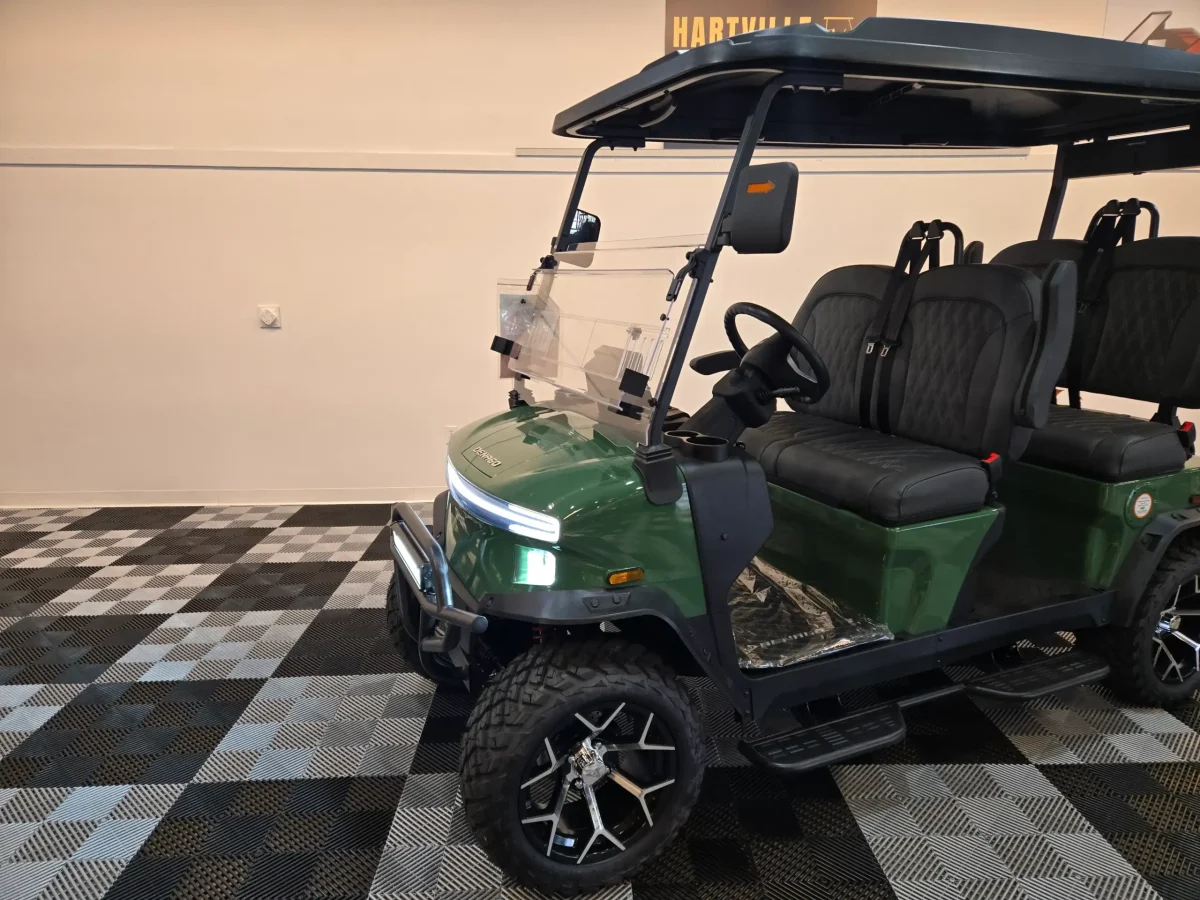
Carts used daily require disciplined charging habits to maintain reliability. High-use carts, such as those found in residential communities or commercial properties, benefit from consistent overnight charging. Vehicles like those commonly available through golf carts for sale near Willoughby are often selected for frequent operation, making proper charging essential. High-cycle usage increases heat and discharge depth, making correct charging even more critical for battery longevity.
Charging During Long Storage
Long-term storage requires a modified approach to how to charge golf cart battery systems. Batteries should be fully charged before storage and maintained with periodic recharge cycles to prevent self-discharge. Leaving batteries unattended for months often results in irreversible damage. Storage charging routines vary by battery type, but regular voltage monitoring prevents deep discharge. Proper storage charging ensures the cart is ready for use when needed without costly battery replacement.
Common Charging Mistakes
Many battery failures stem from avoidable charging mistakes. Using extension cords not rated for charger amperage, unplugging chargers prematurely, or charging in wet environments increases risk. Ignoring warning signs such as excessive heat, swelling, or unusual odors can lead to serious damage. Owners who understand these mistakes can prevent most battery-related issues through consistent habits and basic awareness.
Charging Safety Considerations
Safety is a critical part of learning how to charge golf cart battery systems responsibly. Chargers should always be plugged into grounded outlets, and cords should be inspected regularly. Ventilation is essential during charging to prevent gas buildup. Proper safety practices reduce fire risk and protect both equipment and surroundings. Charging should never be treated as an afterthought, as battery systems store significant electrical energy.
Battery Life Expectations
Proper charging habits directly influence how long golf cart batteries last. Batteries maintained with correct charging cycles, proper water levels, and appropriate storage often last years longer than neglected ones. Many performance complaints originate from charging errors rather than manufacturing defects. Understanding this relationship helps owners maximize return on investment and reduce long-term costs.

Choosing the Right Cart Setup
Battery charging ease is influenced by overall cart design. Carts configured for reliability often feature accessible battery compartments and compatible charging systems. Buyers evaluating options such as four passenger EV golf carts in Painesville should consider how charging access and system compatibility affect ownership experience. Design decisions play a role in long-term charging convenience.
Conclusion
Understanding how to charge golf cart battery systems correctly protects performance, extends battery life, and prevents unnecessary expenses. Proper charging practices involve matching chargers correctly, charging consistently, monitoring environmental conditions, and maintaining batteries regularly. For owners seeking guidance, replacement options, or electric golf carts designed for dependable charging performance, Hartville Golf Carts provides expert insight and electric golf cart solutions for customers across Ohio and nationwide.