
Knowing how to test golf cart battery charger performance is essential for diagnosing charging problems and protecting expensive batteries from unnecessary damage. Many battery failures are blamed on the batteries themselves when the real issue is a faulty charger that is not delivering the correct voltage or amperage. Golf cart chargers are designed to work as part of a complete electrical system, and when something goes wrong, symptoms can be misleading. Slow charging, incomplete charging, overheating, or batteries that seem to die prematurely are often signs of charger problems. Understanding how to properly test a charger allows owners to identify issues early, avoid costly replacements, and ensure consistent performance from their electric golf cart.
Charger Function
Before learning how to test golf cart battery charger output, it is important to understand what a charger is designed to do. A golf cart charger converts household electrical power into the correct voltage and current needed to safely recharge the battery pack. Modern chargers regulate charging in stages, increasing current during bulk charging and tapering off as batteries approach full charge. Chargers rely on feedback from the battery system to determine when to stop charging. If the charger cannot detect proper voltage or if internal components fail, the charging cycle may never complete or may shut off prematurely. Understanding this relationship between charger and battery system helps explain why testing must be done carefully and accurately.
Common Signs of Charger Problems
Many owners begin asking how to test golf cart battery charger equipment after noticing warning signs during normal use. Chargers that fail to turn on, shut off unexpectedly, or remain running indefinitely often indicate internal faults. Batteries that never reach full charge or lose power quickly after charging can also signal charger issues. In some cases, chargers may feel excessively hot or emit unusual noises during operation. These symptoms do not always mean the charger is completely failed, but they do indicate that testing is necessary. Recognizing early signs helps prevent further damage to batteries and electrical components.

Safety Before Testing
Safety should always come first when testing electrical equipment. Golf cart chargers operate at high voltage and should be handled with caution. Before beginning any tests, the charger should be unplugged from the power source and disconnected from the cart if possible. Visual inspection is the first step, checking for damaged cords, loose connectors, or signs of corrosion. Testing should take place in a dry, well-ventilated area. Understanding how to test golf cart battery charger systems safely reduces the risk of electrical shock or equipment damage.
Using a Multimeter
A digital multimeter is the primary tool used to test golf cart battery chargers. When set correctly, a multimeter can measure output voltage and help determine whether the charger is functioning within expected ranges. Testing involves measuring voltage at the charger output while it is connected to the battery system. The measured voltage should align with the charger’s rated output. Significant deviations may indicate internal component failure. Accurate multimeter use is critical for reliable diagnosis, and incorrect settings can lead to misleading results.
Testing Output Voltage
One of the most important steps in learning how to test golf cart battery charger output is measuring voltage during active charging. When the charger is plugged in and connected to the batteries, voltage should rise above the nominal battery pack voltage during the charging cycle. If voltage remains unchanged or fails to increase, the charger may not be delivering power correctly. Overvoltage can also cause damage, making correct readings essential. Understanding expected voltage ranges helps distinguish normal operation from malfunction.
Checking Amperage Behavior
While voltage confirms power delivery, amperage behavior reveals how efficiently the charger is operating. During early stages of charging, amperage should be higher and gradually decrease as batteries reach full charge. Chargers that deliver inconsistent or unusually low current may struggle to recharge batteries effectively. Amperage testing often requires specialized equipment, but observing charging duration and heat buildup can provide indirect clues. Understanding current regulation helps refine how to test golf cart battery charger performance beyond simple voltage checks.
Battery Connection and Feedback
Chargers rely on battery feedback to function properly, making battery condition part of charger testing. Weak or damaged batteries can prevent chargers from activating or completing cycles. Testing charger performance should always consider battery voltage and condition beforehand. A charger may appear faulty when the real issue lies within the battery pack. According to guidance from the U.S. Department of Energy, proper battery health is essential for accurate charging diagnostics. Understanding this interaction prevents misdiagnosis.
Testing Automatic Shutoff
Modern chargers include automatic shutoff features designed to stop charging when batteries reach full capacity. Testing this function involves monitoring whether the charger shuts down appropriately after completing a charge. Chargers that never shut off risk overcharging and battery damage. Chargers that shut off too early may leave batteries undercharged. Observing charge cycle duration and end-of-cycle behavior provides valuable insight into charger reliability and control circuitry.
Environmental Factors
Environmental conditions influence charger behavior and testing accuracy. Extreme cold can prevent chargers from reaching expected voltage levels, while excessive heat can trigger thermal protection circuits. Testing should be performed under normal temperature conditions whenever possible. Chargers exposed to moisture or dust may develop internal corrosion that affects performance. Environmental awareness is an important part of understanding how to test golf cart battery charger systems accurately.
Charger Compatibility
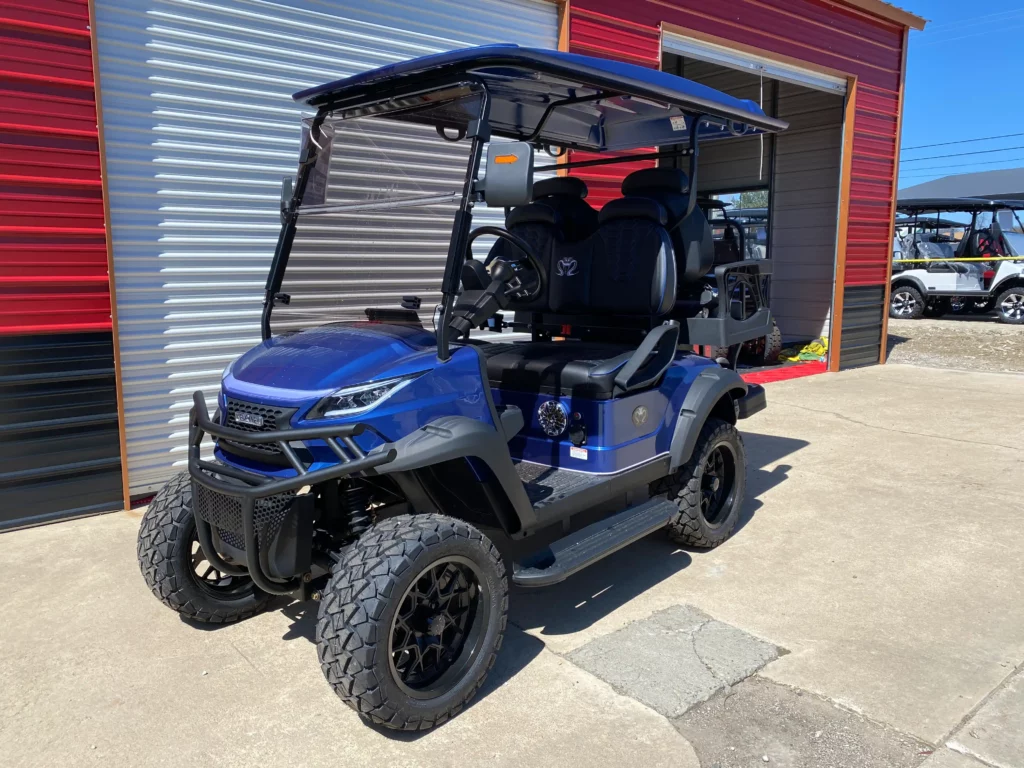
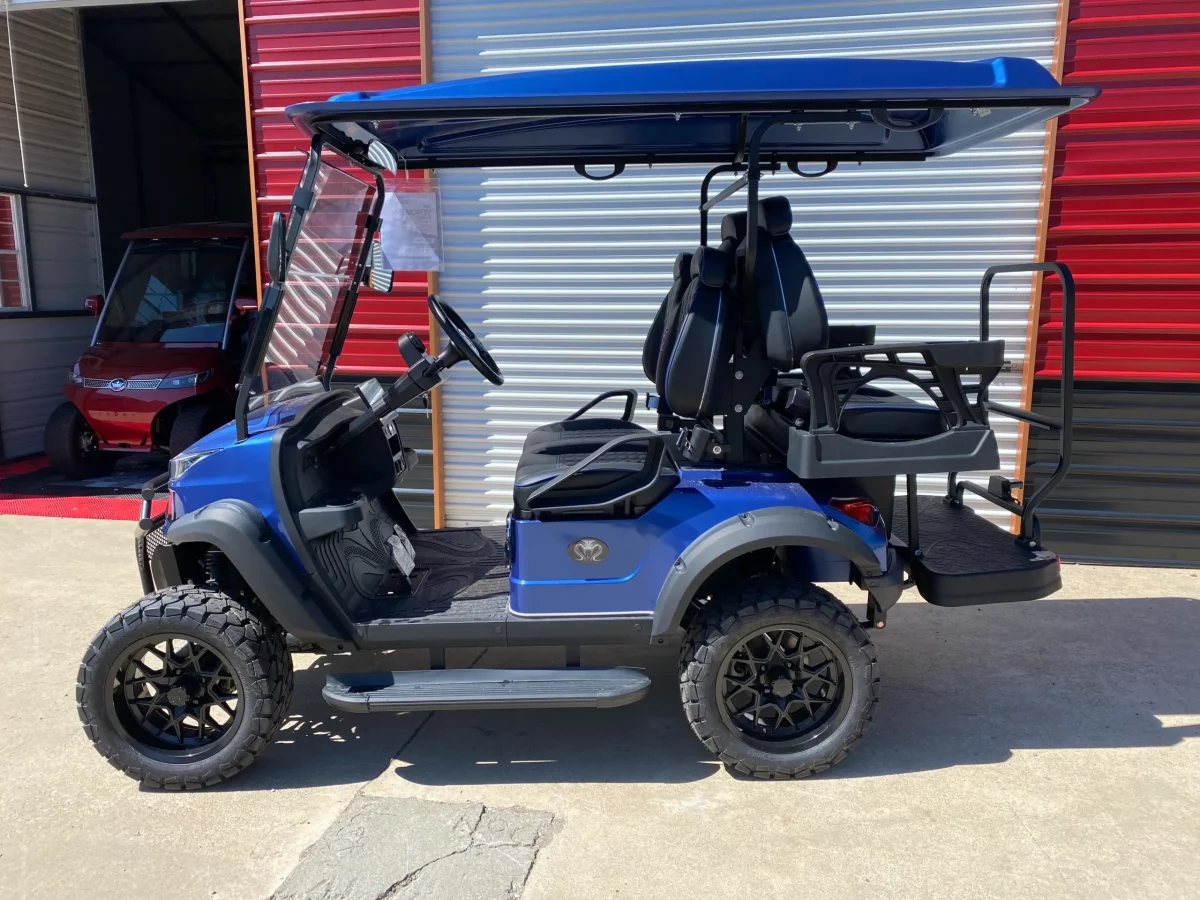
Using the correct charger for the battery system is essential for accurate testing. Chargers are designed for specific voltage systems and battery chemistries. Testing a charger on an incompatible system can produce misleading results. Owners evaluating carts such as the Denago Rover XL in Willoughby should ensure charger specifications match the installed battery system. Compatibility issues are a common source of charging problems.

Onboard vs Portable Chargers
Golf carts may use onboard chargers or portable standalone units. Onboard chargers are integrated into the cart’s electrical system, while portable chargers are external devices. Testing methods are similar, but access points differ. Onboard chargers require testing at designated terminals, while portable chargers can be tested directly at the output connector. Understanding charger type helps streamline the testing process and avoid confusion.
Interpreting Test Results
Interpreting results is a key step in learning how to test golf cart battery charger performance correctly. Normal voltage with abnormal charging behavior may indicate battery issues rather than charger failure. Low or unstable voltage typically points to charger malfunction. Consistent results across multiple tests increase diagnostic confidence. Owners who document readings can track charger performance over time and identify gradual degradation.
When Replacement Is Necessary
Not all charger problems are repairable. Internal component failure, damaged circuit boards, or severe corrosion often require replacement. Continuing to use a faulty charger can damage batteries and increase long-term costs. Recognizing when replacement is the best option helps protect the overall electrical system. Owners considering replacement should verify charger compatibility before installation.
Charger Performance and Cart Reliability
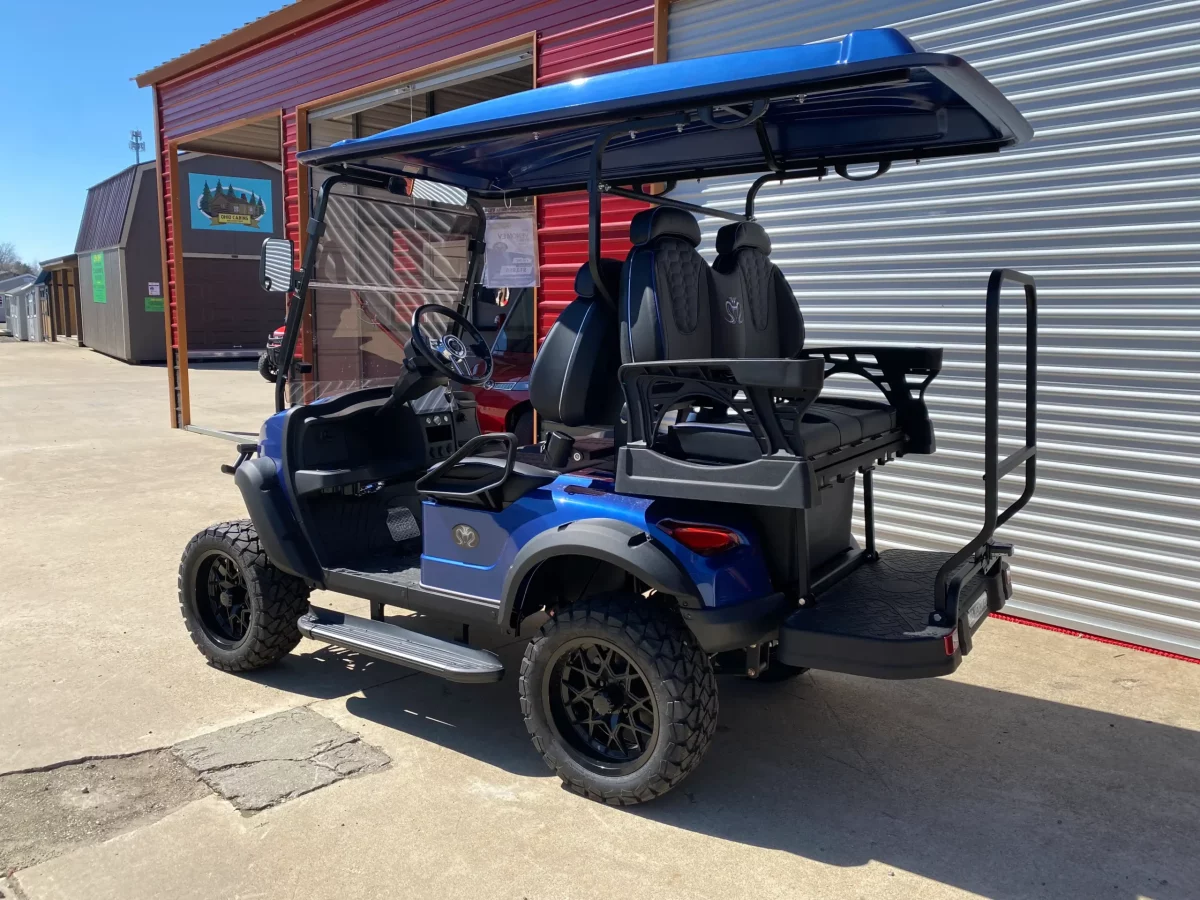
Reliable charging directly affects cart performance and usability. Chargers that operate correctly support consistent range and battery longevity. Owners using carts such as the EV golf cart in Painesville often depend on predictable charging for daily use. Charger reliability plays a central role in overall ownership satisfaction.
Preventive Testing Practices
Regular testing helps identify charger issues before they cause battery failure. Periodic voltage checks and visual inspections prevent small problems from becoming major expenses. Preventive testing is especially important for carts used frequently or stored for long periods. Understanding how to test golf cart battery charger systems proactively improves reliability and reduces downtime.
Conclusion
Learning how to test golf cart battery charger performance allows owners to diagnose problems accurately, protect batteries, and maintain dependable operation. Proper testing involves understanding charger behavior, using the right tools, and interpreting results correctly. Charger health is just as important as battery health in an electric golf cart system. For expert guidance, replacement options, and electric golf carts designed for reliable charging systems, Hartville Golf Carts offers trusted resources and support for customers across Ohio and nationwide.