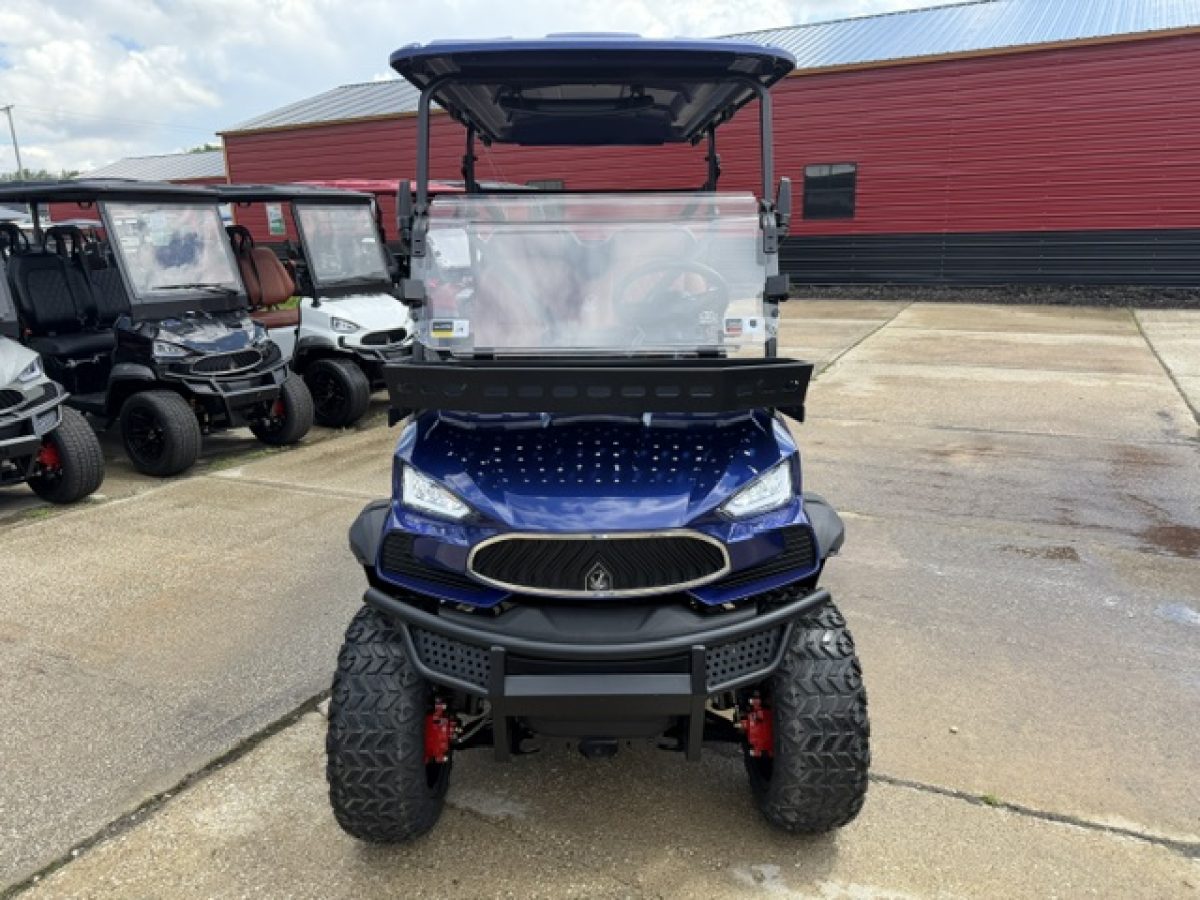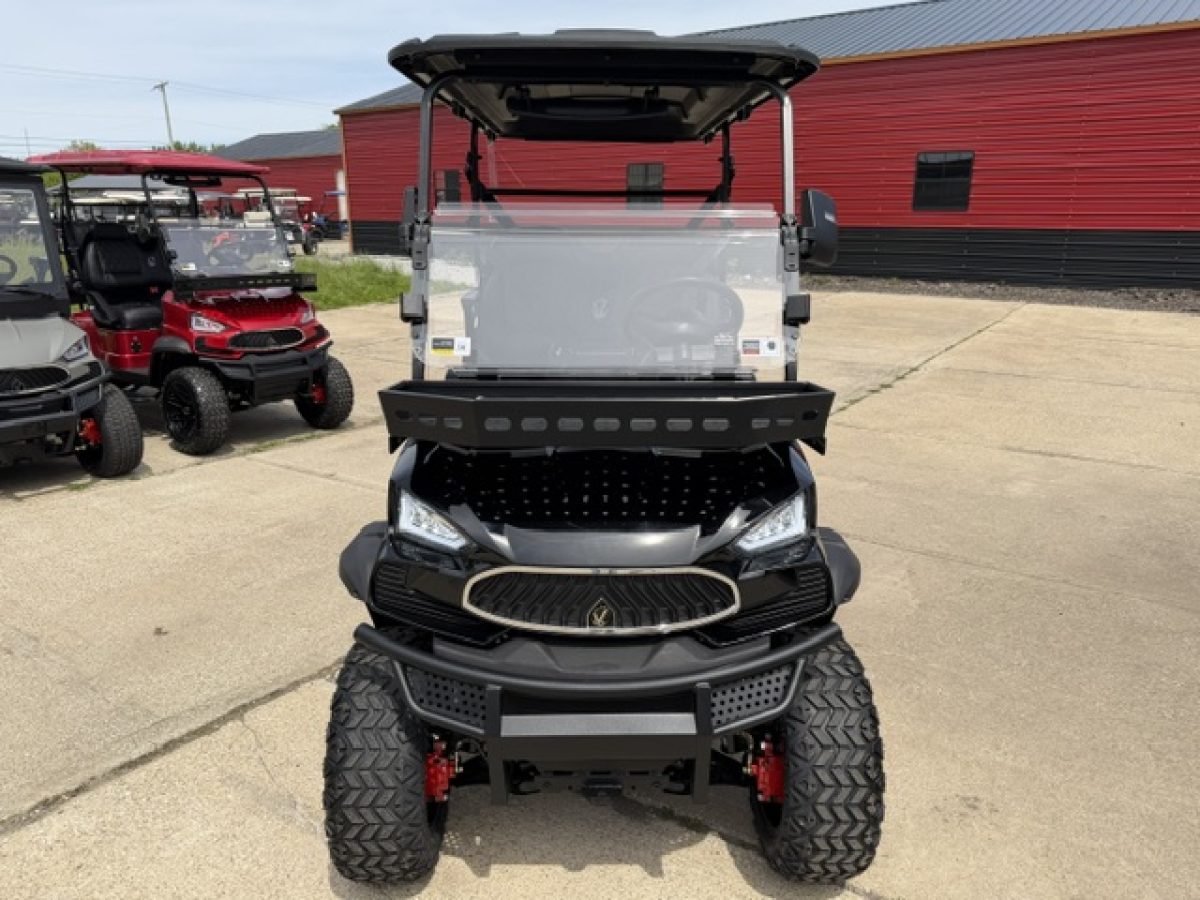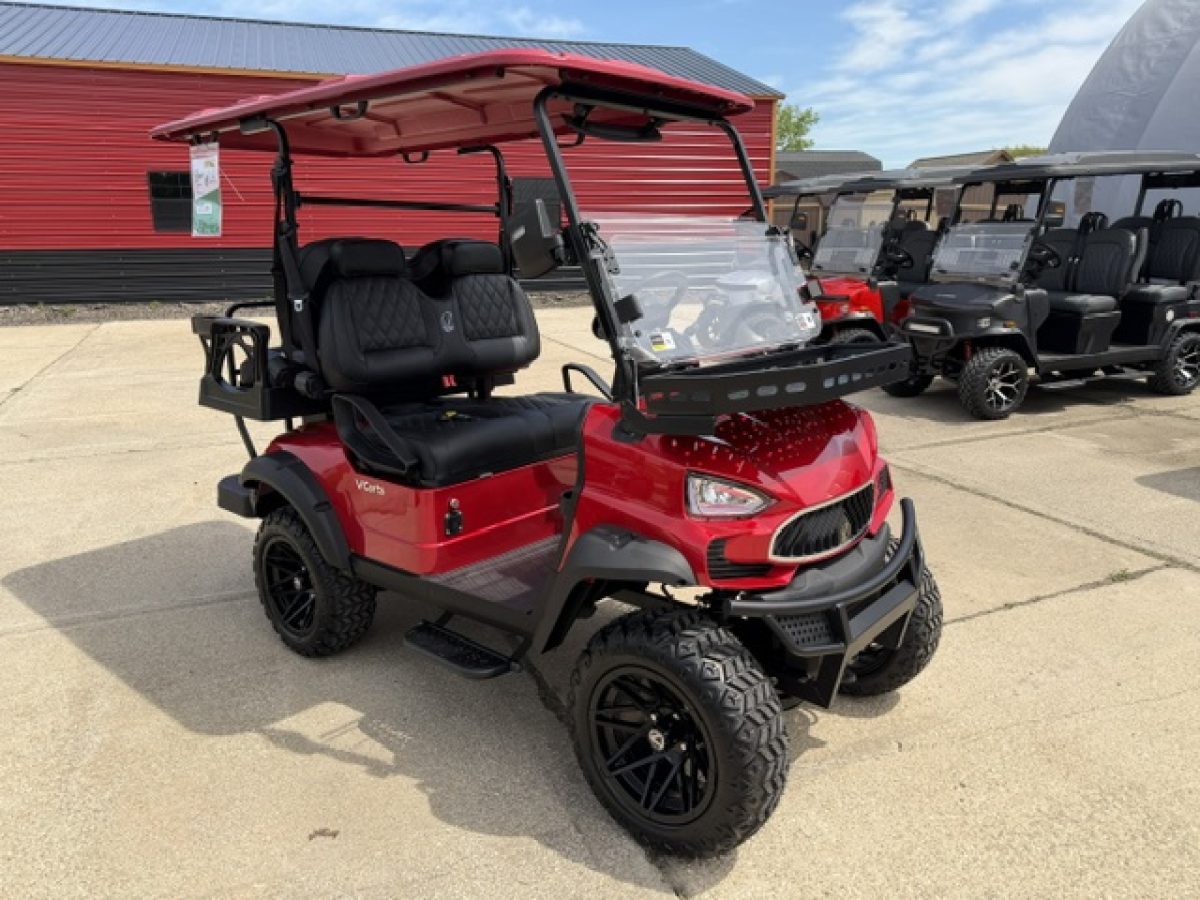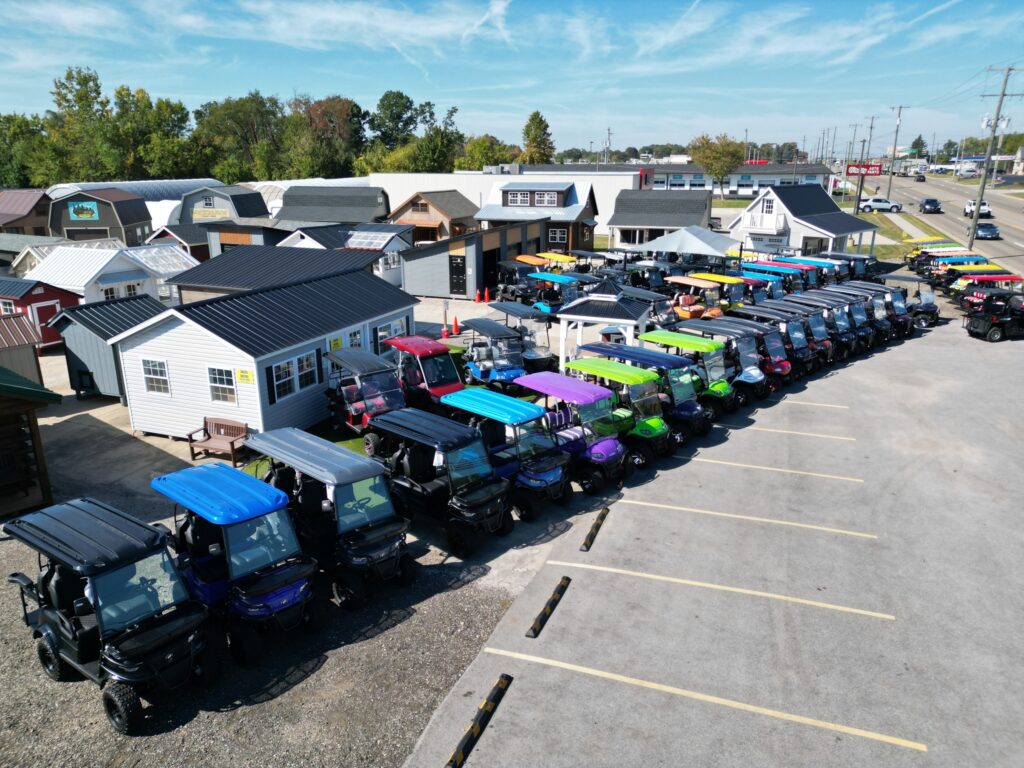

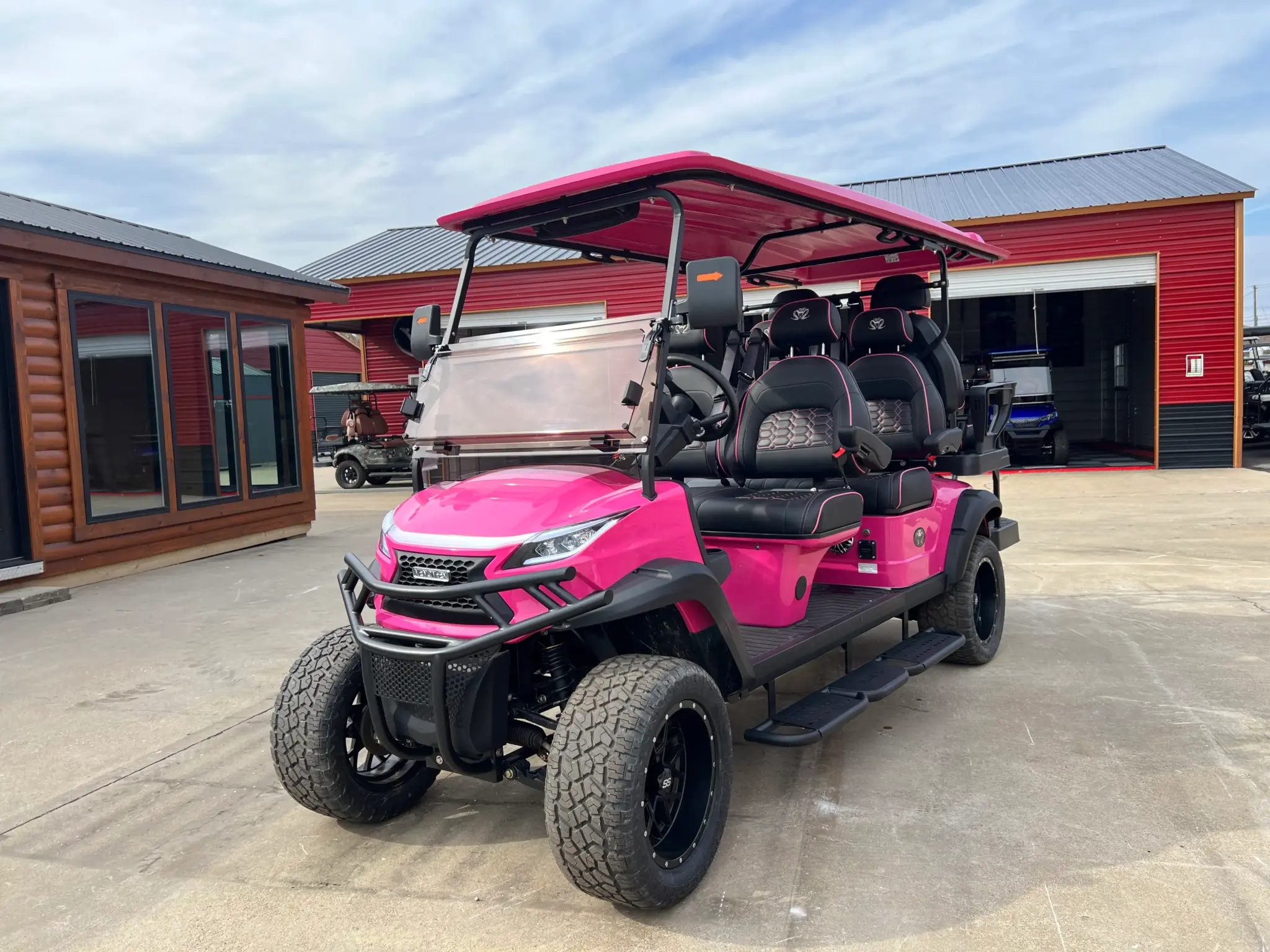
Buyers researching electric golf carts often ask a straightforward question before committing to a brand: where are Venom golf carts made? Manufacturing origin plays an important role in how consumers evaluate quality, reliability, and long-term support. As electric golf carts become more advanced and widely used for neighborhoods, recreation, and property transportation, buyers want transparency about where components are sourced and assembled.
Understanding the manufacturing background of Venom golf carts helps clarify what customers can expect in terms of build standards, materials, and overall value. Looking at where Venom golf carts are made also provides insight into how the brand fits within the broader electric vehicle market.
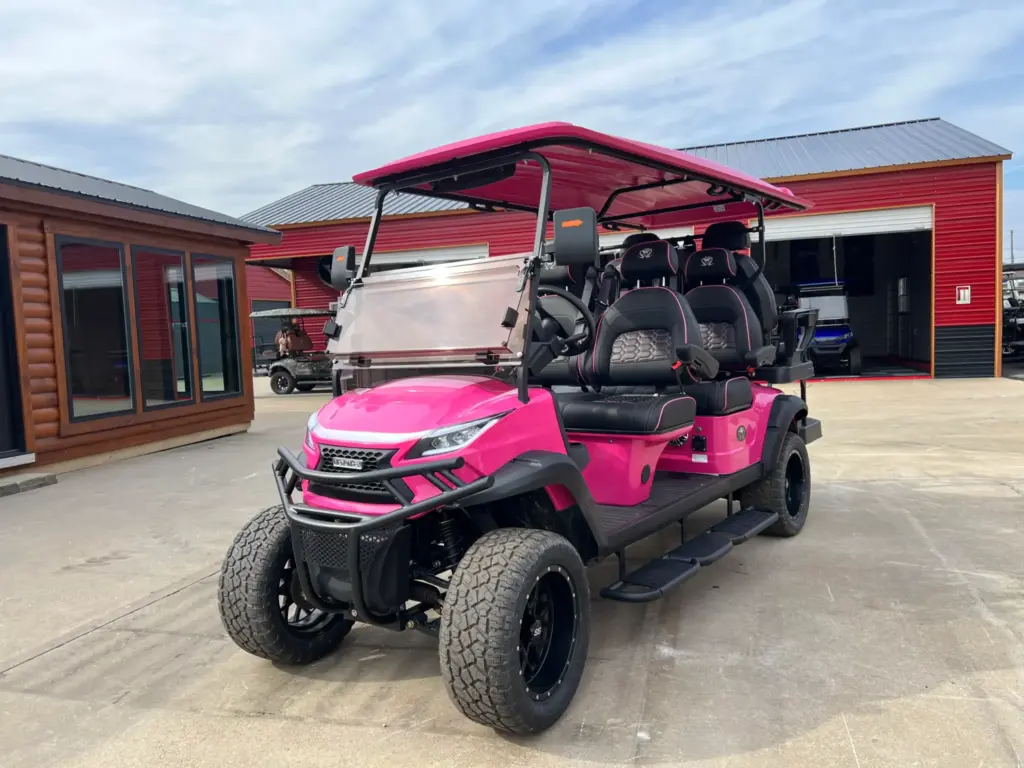
Understanding Venom as a Brand
Venom has positioned itself as a modern electric golf cart brand focused on performance, styling, and everyday usability. Like many newer electric vehicle manufacturers, Venom combines global manufacturing resources with domestic distribution and support. This approach allows the brand to remain competitive while offering features that appeal to today’s buyers. When asking where are Venom golf carts made, it is important to recognize that manufacturing often involves multiple locations rather than a single factory. Many electric vehicle brands operate through international supply chains that source components from specialized manufacturers before final assembly. Venom follows this model, which reflects current industry practices rather than an exception.
Manufacturing Origins
Venom golf carts are manufactured using a global production model that includes overseas component manufacturing combined with final assembly and quality control processes tied to North American distribution. Many of the core components, such as frames, motors, and electronic systems, are produced in specialized manufacturing facilities abroad where electric vehicle production is highly developed. These components are then assembled, tested, and prepared for distribution to the United States market. This manufacturing structure is common across the electric golf cart industry and allows brands like Venom to maintain consistency while controlling costs. Understanding where are Venom golf carts made requires recognizing this international approach rather than expecting all production to occur in a single country.
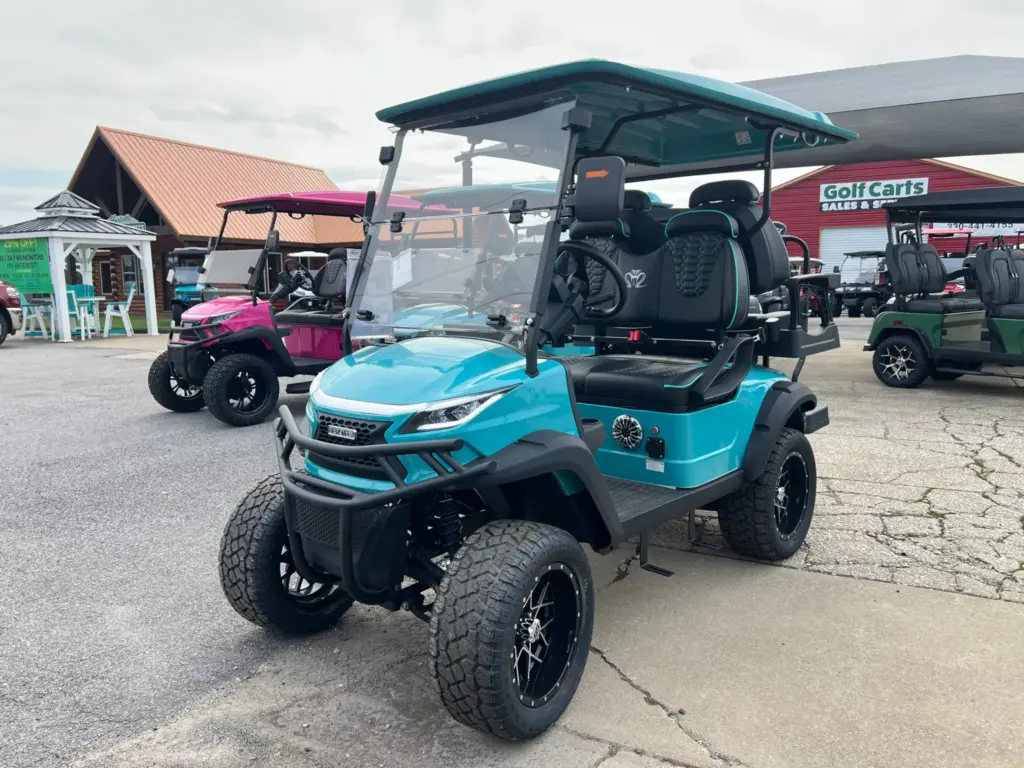
Component Sourcing
Electric golf carts rely on a wide range of components that are often sourced from different regions based on expertise and availability. Motors, controllers, battery systems, and chassis components are frequently produced by manufacturers that specialize in electric vehicle technology. Venom sources many of these components from regions known for large-scale electric vehicle production. According to industry analysis from Energy.gov, global sourcing is standard practice for electric vehicle manufacturing. This allows brands to incorporate advanced technology while maintaining competitive pricing. Component sourcing plays a major role in determining performance and reliability, regardless of final assembly location.
Assembly and Quality Control
While many components are manufactured overseas, assembly and quality control processes are critical steps that influence final product quality. Venom golf carts undergo assembly processes that include wiring, system integration, and functional testing before reaching customers. Quality checks ensure that electrical systems, braking components, and safety features operate as intended. This layered approach to production helps reduce defects and improve consistency. Understanding where are Venom golf carts made includes recognizing the importance of these final stages, which often occur closer to distribution centers serving the U.S. market.
Design and Engineering Standards
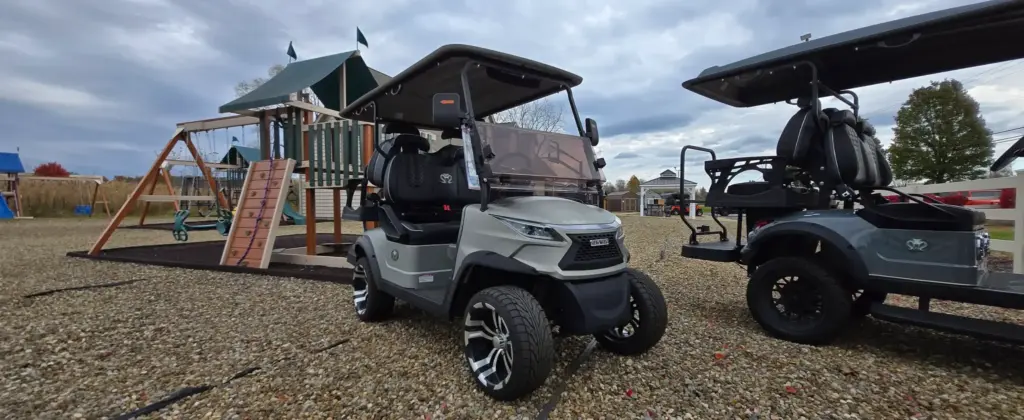
Design and engineering decisions influence how Venom golf carts perform regardless of where they are built. Venom models are designed to meet consumer expectations for comfort, safety, and usability. Engineering teams focus on suspension tuning, steering response, and electrical efficiency to create carts suitable for neighborhood and recreational use. These standards guide manufacturing partners during production and assembly. Consistent design oversight ensures that carts meet brand expectations before reaching dealers. Design control plays a key role in maintaining quality across international manufacturing operations.
Comparison to Other Electric Golf Carts
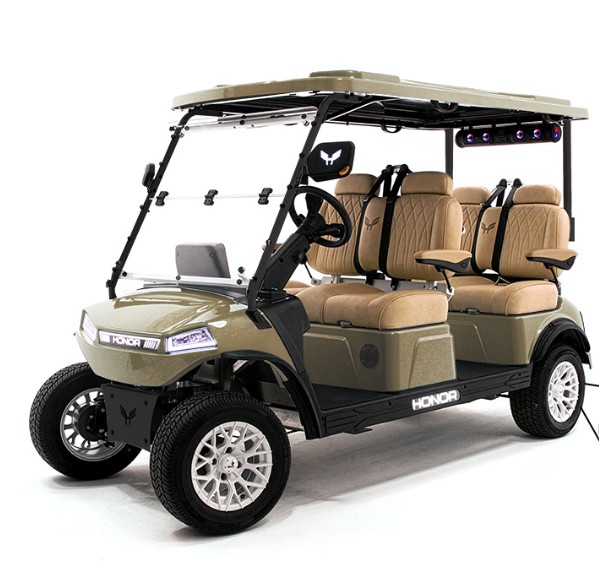
Venom’s manufacturing model is similar to many other electric golf cart brands available in the United States. Brands across the industry rely on global manufacturing networks to produce reliable electric vehicles at accessible price points. This approach allows manufacturers to focus resources on design, testing, and customer support rather than maintaining all production domestically. Consumers often compare Venom carts to other electric options such as the Denago Denago Rover XL, which follows a similar production model. Understanding industry-wide practices helps buyers evaluate Venom fairly.
Distribution and Dealer Support
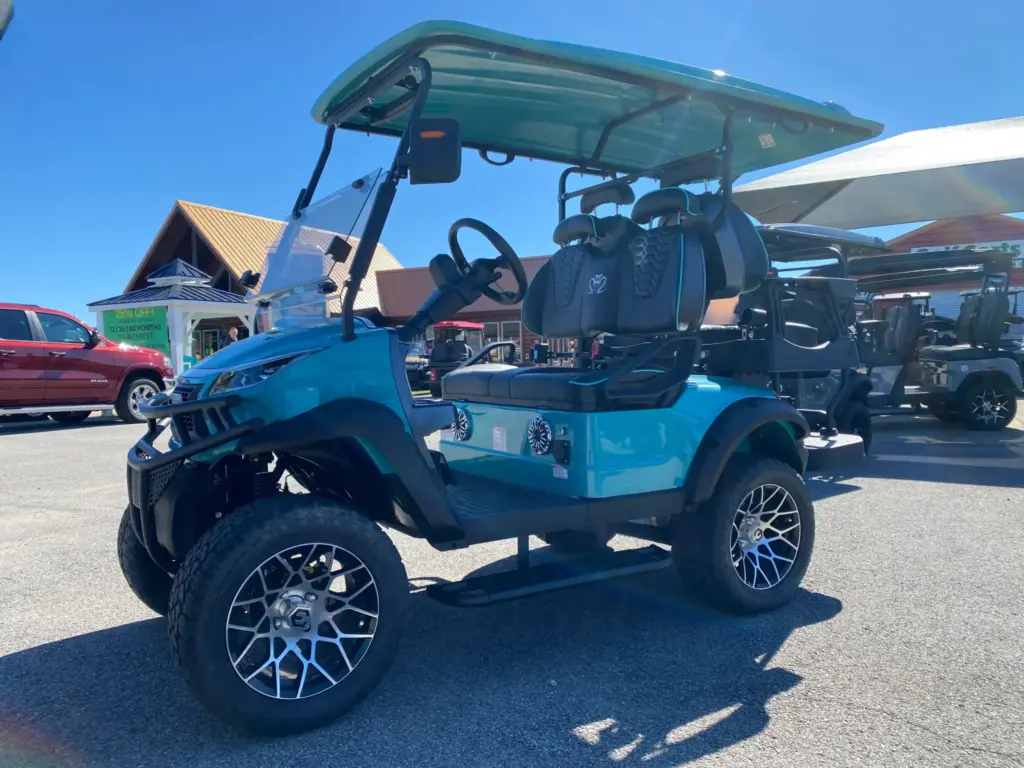
After production and assembly, Venom golf carts are distributed through authorized dealers who handle sales, service, and customer support. Dealer networks play an important role in the ownership experience by providing maintenance, warranty assistance, and replacement parts. This support structure often matters more to buyers than the exact location of manufacturing. Reliable dealer access ensures that carts remain functional and supported throughout ownership. Distribution efficiency helps Venom maintain availability across different regions.
Why Manufacturing Location Matters
Buyers ask where are Venom golf carts made because manufacturing location often influences perceptions of quality and reliability. While domestic manufacturing may appeal to some consumers, global production does not automatically indicate lower quality. What matters more is adherence to engineering standards, quality control, and ongoing support. Electric vehicle manufacturing has become highly specialized worldwide, making global sourcing a practical and effective approach. Understanding this context allows buyers to focus on performance and value rather than assumptions.
Consumer Expectations and Perception
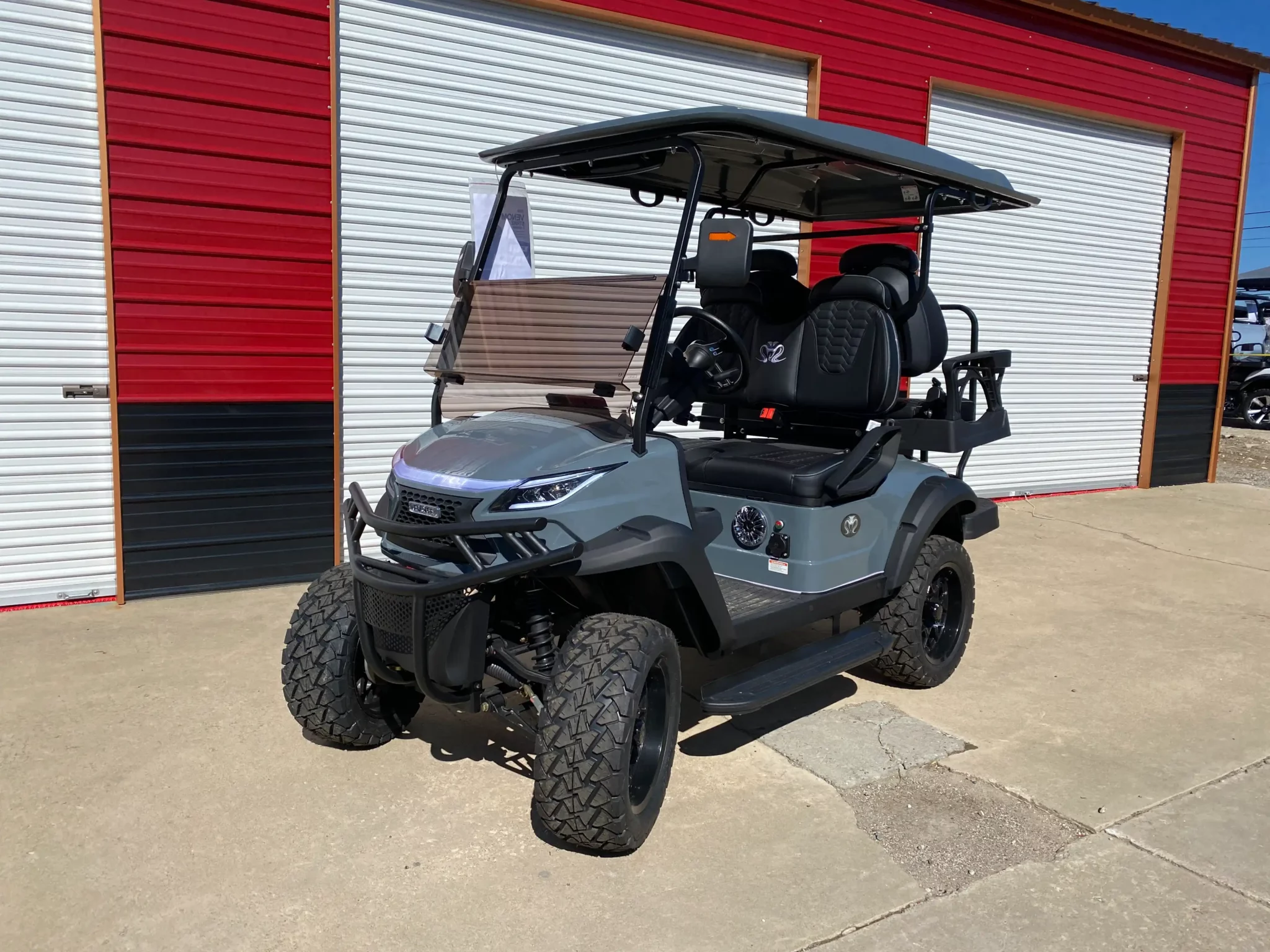
Consumer perception plays a major role in why people ask where are Venom golf carts made. Many buyers associate manufacturing location with craftsmanship, durability, and value, even though modern electric vehicle production relies heavily on global collaboration. Expectations are often shaped by brand reputation, dealer support, and real-world performance rather than factory location alone. Venom’s approach reflects broader trends in electric mobility, where innovation and efficiency come from international manufacturing partnerships.
Buyers who focus on engineering standards, warranty coverage, and service availability often find these factors more influential than origin labels. Understanding how perception influences purchasing decisions allows consumers to evaluate Venom golf carts more objectively. Informed buyers tend to prioritize reliability, comfort, and long-term support over assumptions tied to manufacturing geography.
Conclusion
So, where are Venom golf carts made? Venom golf carts are produced through a global manufacturing process that combines overseas component production with assembly and quality control aligned to the U.S. market. This approach reflects modern electric vehicle industry standards and supports consistent performance and availability. For buyers looking to compare Venom golf carts with other electric options or explore available models, Hartville Golf Carts provides helpful resources, expert guidance, and access to electric golf carts for customers across Ohio and nationwide.