
Many owners ask does vehicle wrap damage paint before deciding whether wrapping is a safe way to customize or protect a vehicle. This concern is understandable, especially for buyers who want to preserve factory finishes and long term value. A vehicle wrap covers painted surfaces with vinyl film, which naturally raises questions about adhesion, removal, and surface impact. When installed correctly on healthy paint and removed within its intended lifespan, a vehicle wrap does not damage paint and often protects it instead.
How vinyl wraps attach
Vehicle wraps attach to paint using pressure-sensitive adhesive that bonds to the clear coat without penetrating or chemically altering the surface. This adhesive is engineered to stay secure during normal use while remaining removable later. Unlike paint or permanent coatings, vinyl wraps sit on top of the clear coat and act as a protective barrier. This design allows wraps to shield paint from sunlight, light scratches, and environmental exposure.
When removed properly, the adhesive releases cleanly, leaving the paint underneath intact. In many cases, wrapped paint appears better preserved than surrounding exposed areas because it has been protected from ultraviolet rays and daily wear.
Paint condition before wrapping
The condition of the paint before installation plays a major role in the outcome after removal. Factory paint in good condition responds very well to vinyl wraps. Issues usually arise when wraps are applied over paint that is already compromised, such as peeling clear coat, poorly bonded repaint work, or surface cracking. In these situations, paint may lift during removal, but the wrap is not the cause of the damage.
Instead, the wrap exposes weaknesses that already existed. This distinction is important because it explains why wraps sometimes receive blame for paint problems they did not create. Evaluating paint condition before wrapping helps set proper expectations.
Installation quality matters
Professional installation significantly reduces the risk of paint damage. Skilled installers clean the surface thoroughly, control temperature during application, and apply the vinyl with even tension. This prevents overstretching, trapped debris, and edge lifting, all of which can complicate removal later. Poor installation often leads to uneven adhesion or premature lifting, which may increase the chance of adhesive residue. When installed correctly, a wrap behaves predictably throughout its lifespan and removes cleanly. This is why installation quality matters as much as the vinyl itself.
Timing of wrap removal
Removing a vehicle wrap within its recommended lifespan is essential for protecting paint. Most high-quality wraps are designed to remain on a vehicle for several years without issue. If left on significantly longer, especially in hot climates, the adhesive may harden and become more difficult to remove. This does not mean the wrap damages paint, but delayed removal can increase labor and risk. Planning removal at the right time allows the vinyl to peel away smoothly and keeps the paint underneath intact.
Sun exposure and fading
Sun exposure affects all painted surfaces over time. One benefit of wrapping is that it blocks ultraviolet light from reaching the paint underneath. When a wrap is removed, owners sometimes notice a color difference between wrapped and unwrapped areas. This difference is not damage. It reflects natural aging of exposed paint versus protected paint. In many cases, the wrapped area looks newer and more vibrant. This outcome highlights how wraps often preserve paint rather than harm it.
Moisture and air flow
Modern vinyl wraps are designed to manage moisture properly. Quality wraps include air-release channels that prevent trapping water or air beneath the surface. When installed correctly, wraps do not promote rust or moisture buildup. Problems typically occur only when wraps are applied over damaged surfaces or installed poorly. For outdoor vehicles, including golf carts, this design makes vinyl wraps a reliable option for long-term use.
Wraps on golf carts
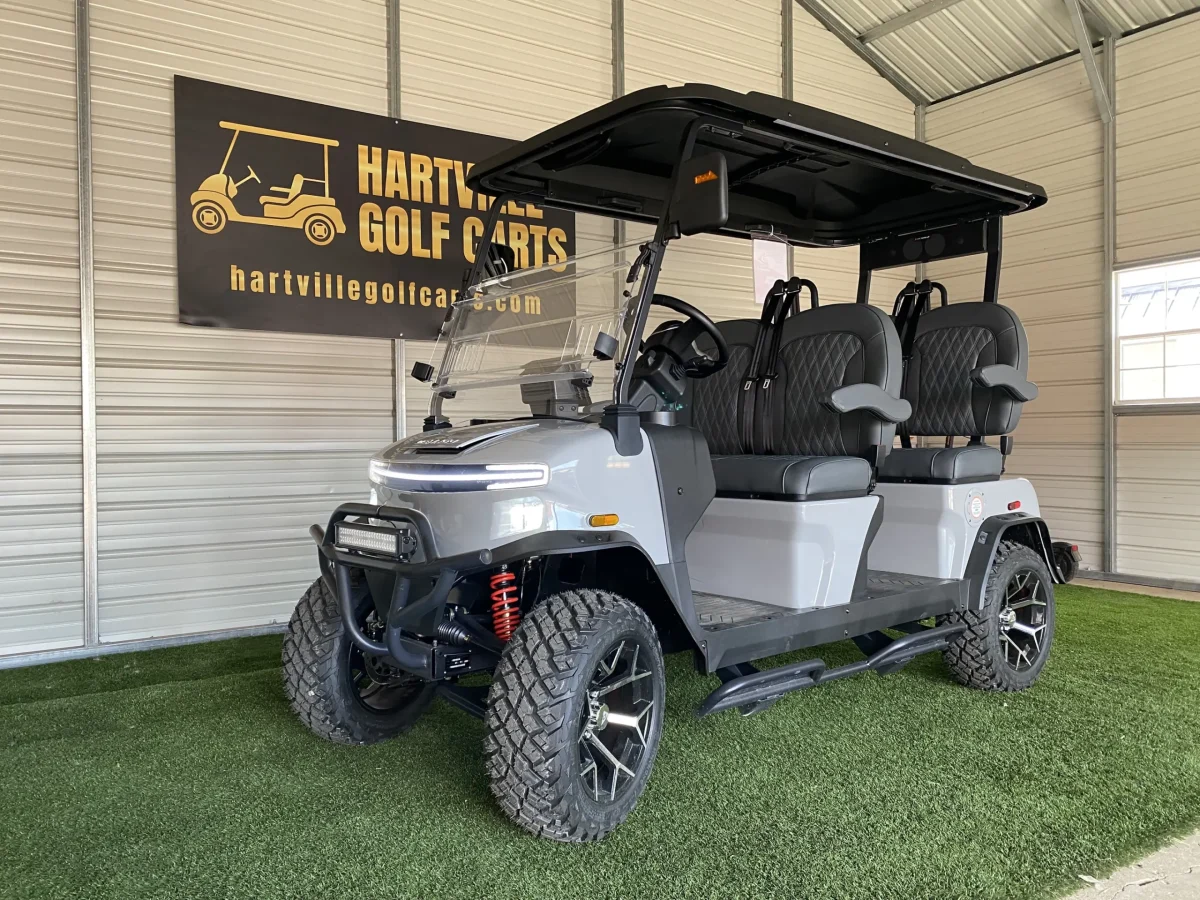
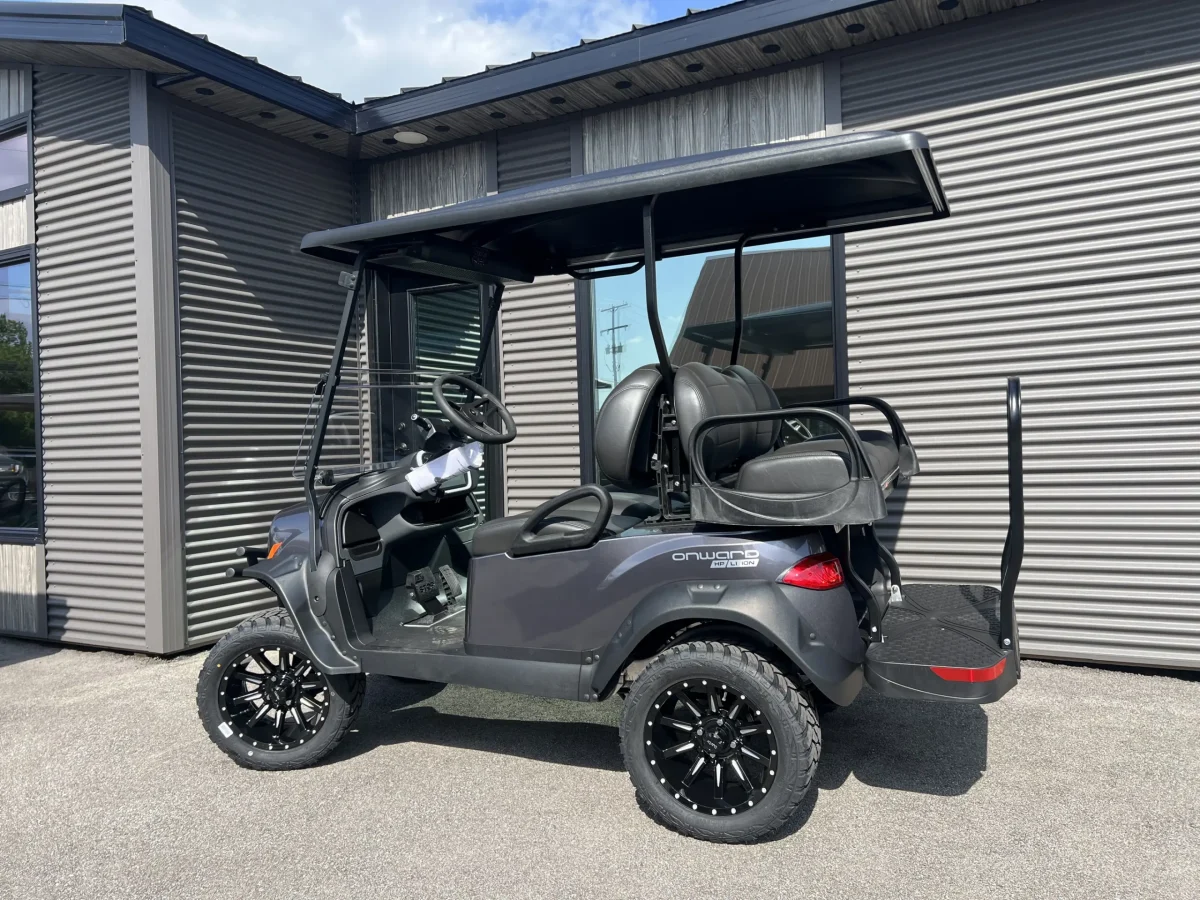
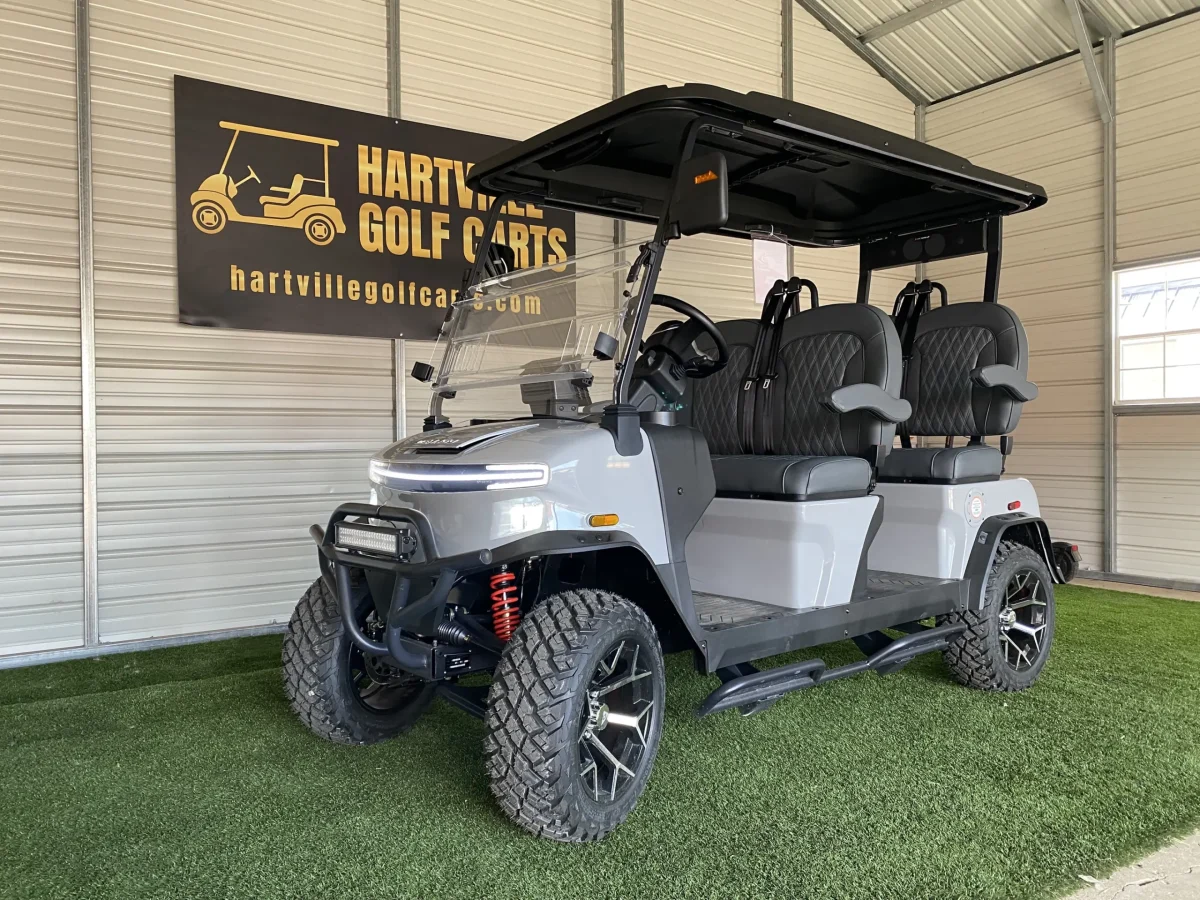
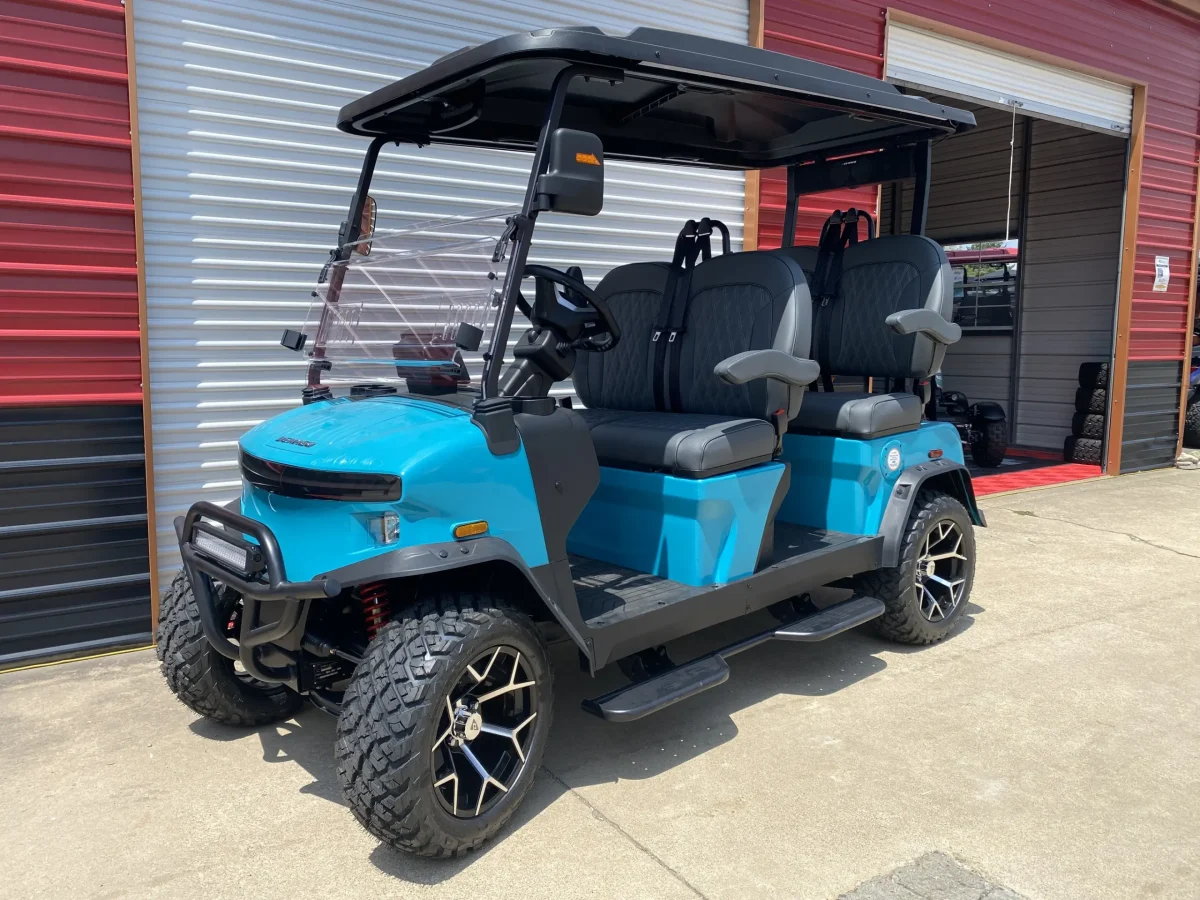
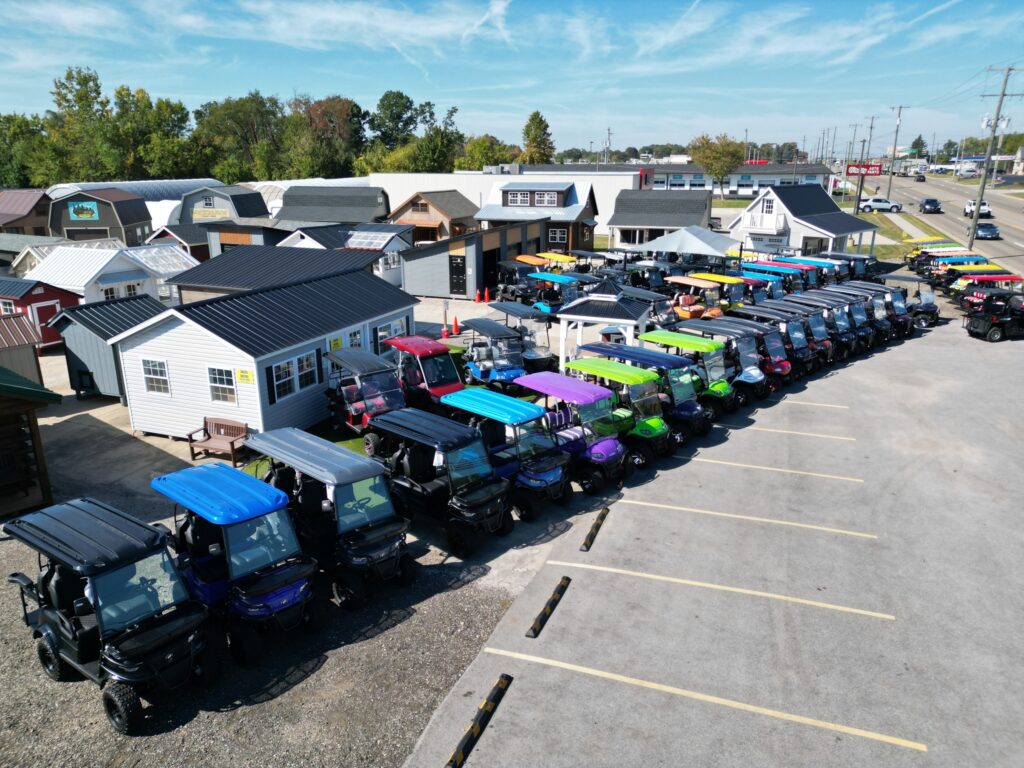
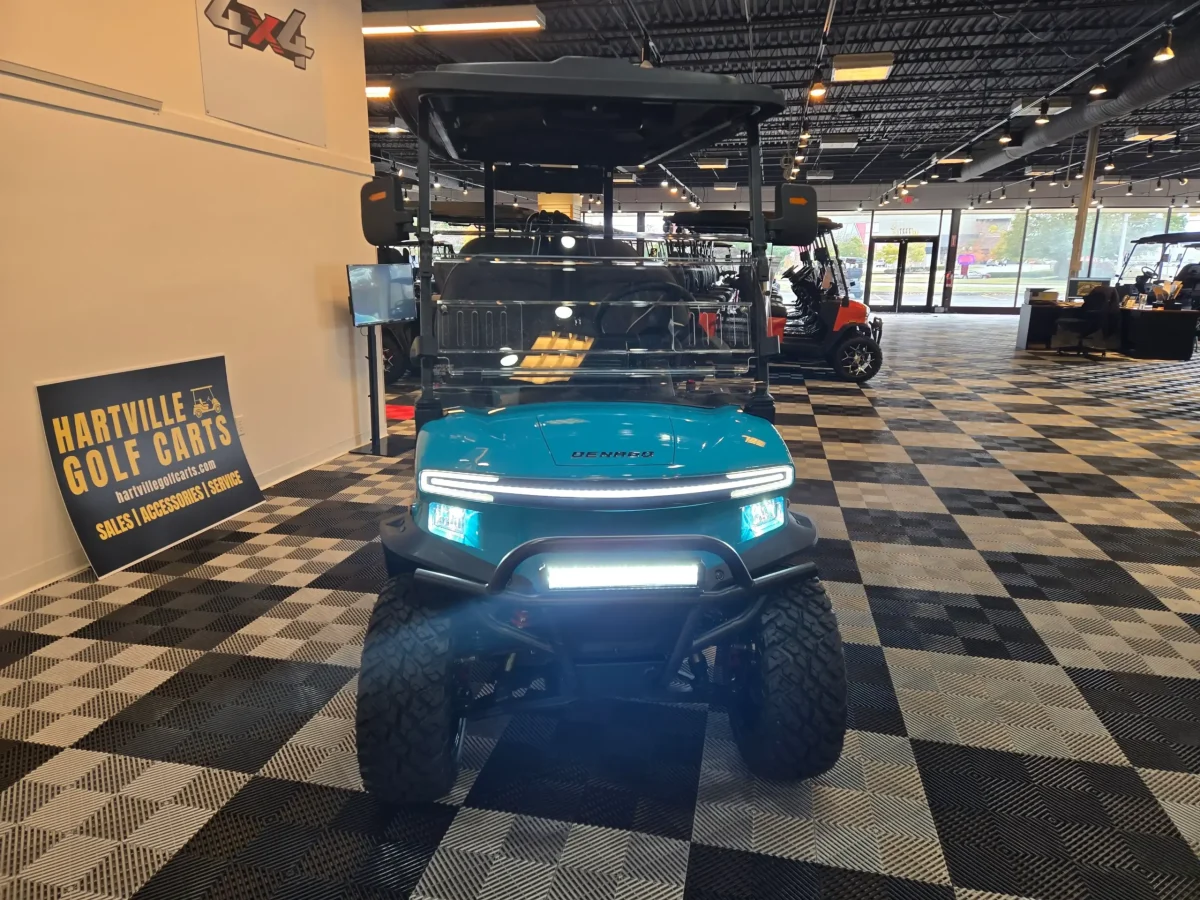
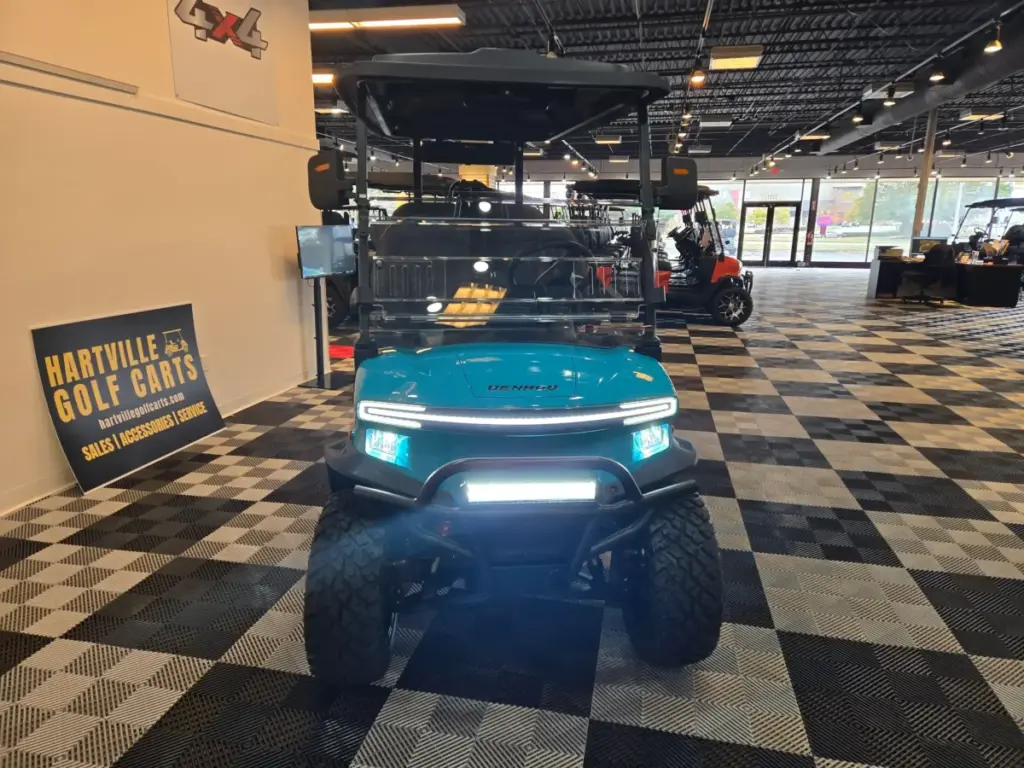
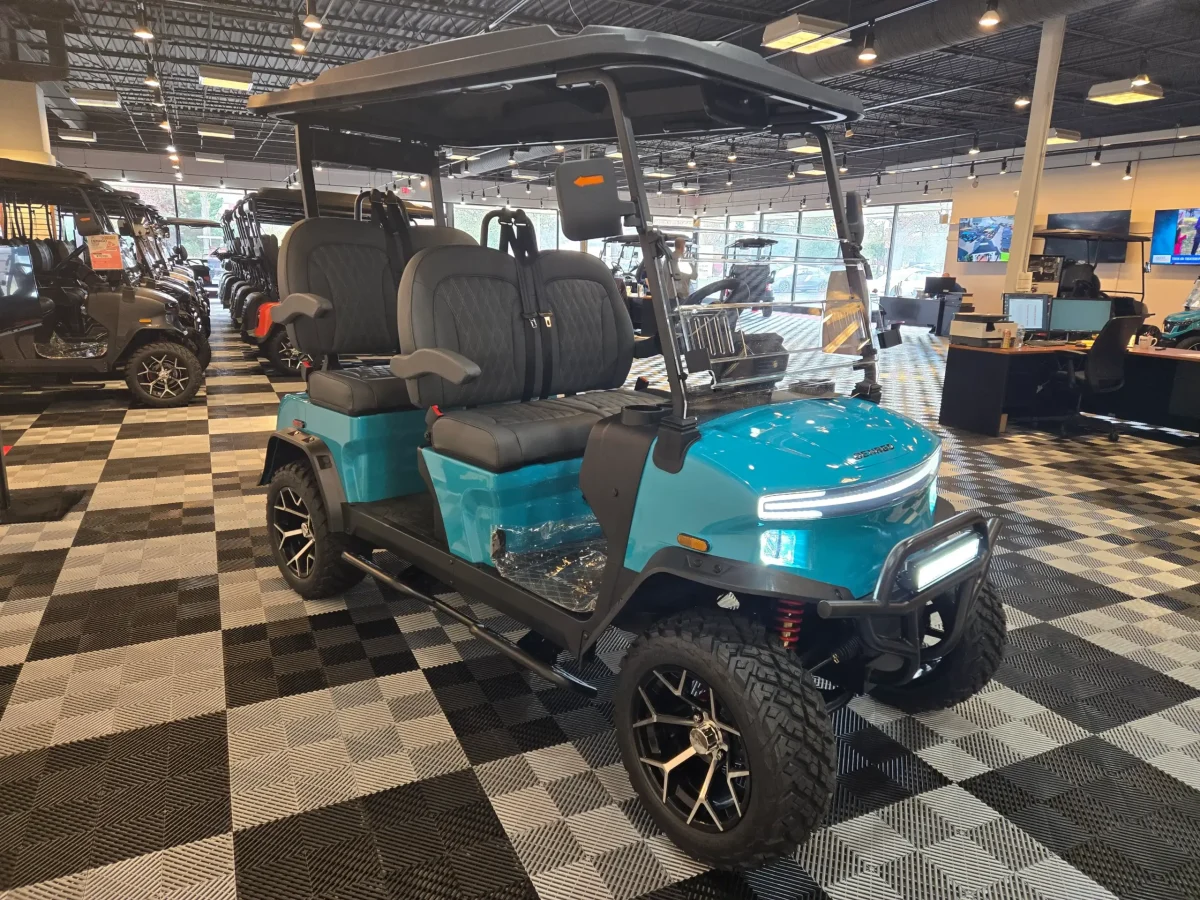
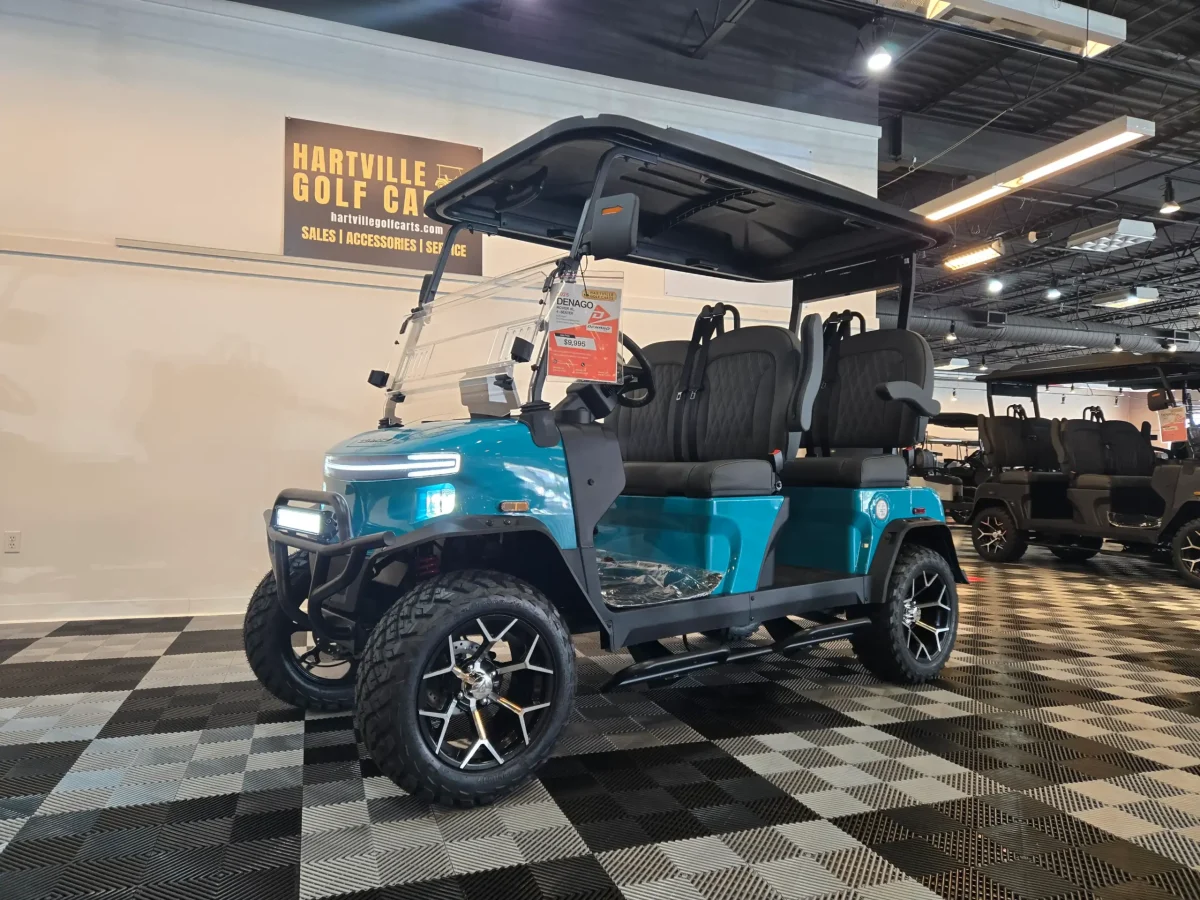
Golf carts benefit greatly from wraps because they often remain outdoors and receive constant visual exposure. Wrapping protects factory finishes from sun damage while allowing personalization. Smooth body panels common on modern carts work especially well with vinyl application. Owners interested in stylish, modern carts often explore options like the Denago Rover XL, which pairs well with custom wraps due to its clean panel design and contemporary look.
Maintenance during wrap life
Proper maintenance supports both the wrap and the paint underneath. Gentle hand washing removes dirt without scratching the vinyl. Avoiding abrasive brushes and harsh chemicals preserves adhesive integrity. These habits help maintain appearance and ensure smooth removal later. Good maintenance does not require special products, only consistency and care. Owners who follow basic cleaning practices often experience better wrap longevity and paint preservation.
Common myths explained
Several myths surround vehicle wraps and paint damage. One common belief is that wraps always pull paint off, which is not true for healthy paint. Another myth suggests wraps reduce resale value, when they often protect original finishes instead. Understanding these misconceptions helps buyers make informed decisions rather than relying on outdated assumptions.
What experts say
Industry experts consistently report that vehicle wraps protect paint rather than damage it when used correctly. According to Forbes, vehicle wraps preserve original paint while offering customization and surface protection, which explains their widespread adoption across personal and commercial vehicles.
Why wraps remain a smart choice
Vehicle wraps remain a popular choice because they combine flexibility, protection, and style without permanent commitment. They allow owners to customize appearance, protect paint, and reverse the change later if desired. When installed on quality paint and removed on time, wraps offer peace of mind rather than risk. This balance makes wrapping a practical solution for many owners.
Conclusion
So, does vehicle wrap damage paint? In most cases, no. When applied to healthy paint, installed correctly, and removed within its intended lifespan, a wrap protects the surface underneath rather than harming it. Wraps offer customization, protection, and flexibility that permanent paint cannot. For those considering vehicle or golf cart ownership and customization, the best next step is to reach out through the contact page to learn more about available options from Hartville Golf Carts.