
Many golfers plan their days around the weather, especially when rain is in the forecast. A quick shower might seem harmless, yet certain conditions can force a golf course to shut down temporarily. The decision depends on safety, course protection, and how severe the weather becomes. Understanding when and why golf courses close during rain helps players prepare better and understand the reasoning behind these important choices.
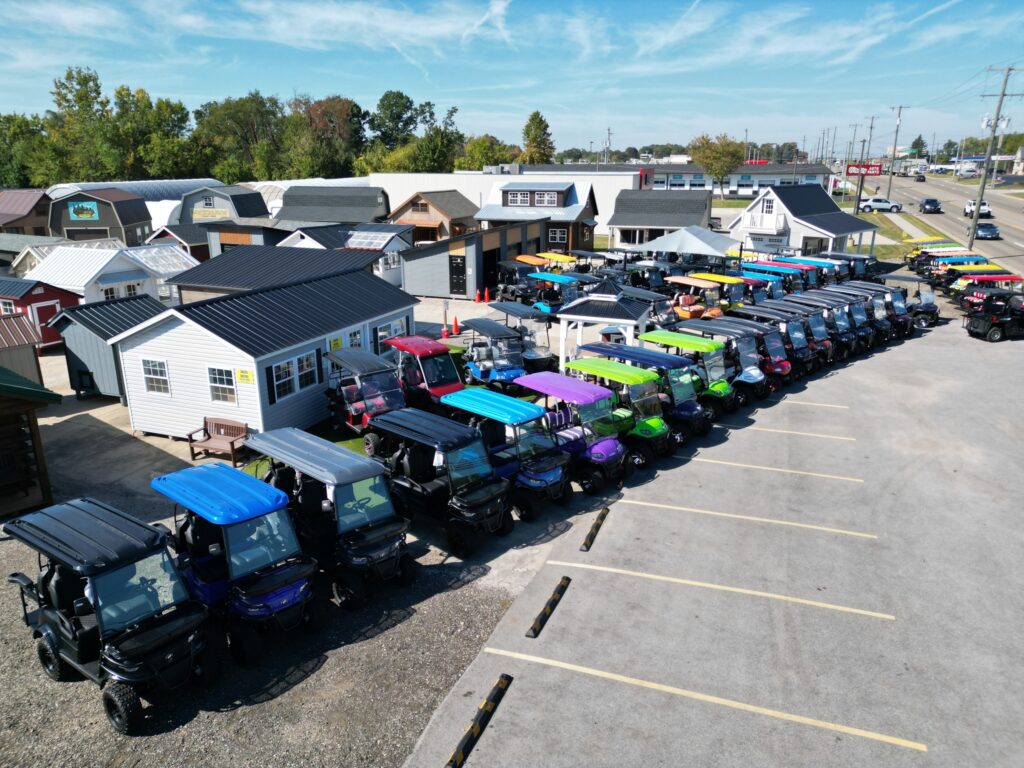
Some players prefer golfing in light rain because it cools the air and softens the greens. Others worry about slippery surfaces or reduced visibility. While personal comfort plays a role, golf courses follow formal guidelines for determining closures. These guidelines focus on protecting the turf, ensuring golfer safety, and preventing long term damage. To explore equipment suitable for a variety of weather conditions, you can visit the Hartville Golf Carts.
Why Golf Courses Close During Rain
Rain affects golf courses in several ways. Wet ground becomes soft, which leads to divots, footprints, and damage to fairways and greens. Excessive moisture can make grass vulnerable to disease. Heavy rainfall can flood low areas, wash out bunkers, and disrupt drainage systems. When water accumulates faster than the course can drain it, play becomes impractical and potentially unsafe. Golf courses choose to close temporarily rather than risk long term damage that becomes costly to repair.
Safety Considerations for Golfers
Even light rain can create slippery conditions on concrete paths, wooden bridges, and grassy slopes. Golfers walking with wet shoes may lose traction, and wet grips can affect swings. When rain intensifies, visibility decreases and hazards become harder to judge. Many courses also worry about golfers using carts in dangerous conditions. Courses aim to prevent injuries by pausing play when surfaces become slick or visibility drops. To better understand weather related safety guidelines, you can review information from the National Weather Service.
Flooding and Water Accumulation
Flooded fairways and greens are the most common reasons for closures. When rain saturates the soil, the surface becomes too soft to play on without causing harm. Golf carts can leave deep tracks, golfers can slip, and turf can become damaged due to compaction. Standing water makes putting surfaces unplayable because balls no longer roll true. Grounds crews rely on drainage systems to move water quickly, but if the system becomes overwhelmed, closing the course is the only way to preserve its condition.

Lightning Is a Major Factor
Lightning is one of the most dangerous weather conditions on a golf course. Courses will shut down immediately if lightning is detected within a certain distance. Trees, clubs, and open fairways make courses especially risky. Even if rain is moderate, lightning creates a hazard that requires immediate evacuation. Many golf courses use detection systems that alert staff automatically. This allows them to respond quickly and instruct players to seek shelter. For this reason, lightning is taken more seriously than rainfall alone, and it often leads to longer closures.
Impact of Rain on Course Conditions
Light rain can improve play by softening the greens, but anything beyond that starts to affect course performance. Fairways can collect puddles, bunkers can become heavy and packed, and rough areas can become difficult to navigate. Wet conditions also slow down mowing, rolling, and maintenance tasks. Superintendents must assess every part of the course before reopening. The decision often depends on how quickly the turf recovers and how well the drainage system performs after rainfall.
How Golf Courses Decide When to Close
Superintendents monitor rainfall, soil conditions, wind, temperature, and forecasted weather. They consider how saturated the soil is and how quickly it can dry. They also evaluate whether maintenance staff can repair the course efficiently. If the risk of damage is low and the rain is light, the course may remain open with cart restrictions. If the rain is moderate but manageable, the course may implement walking only rules. When multiple areas of the course become unplayable, a temporary closure becomes necessary.

Cart Path Only Rules During Rain
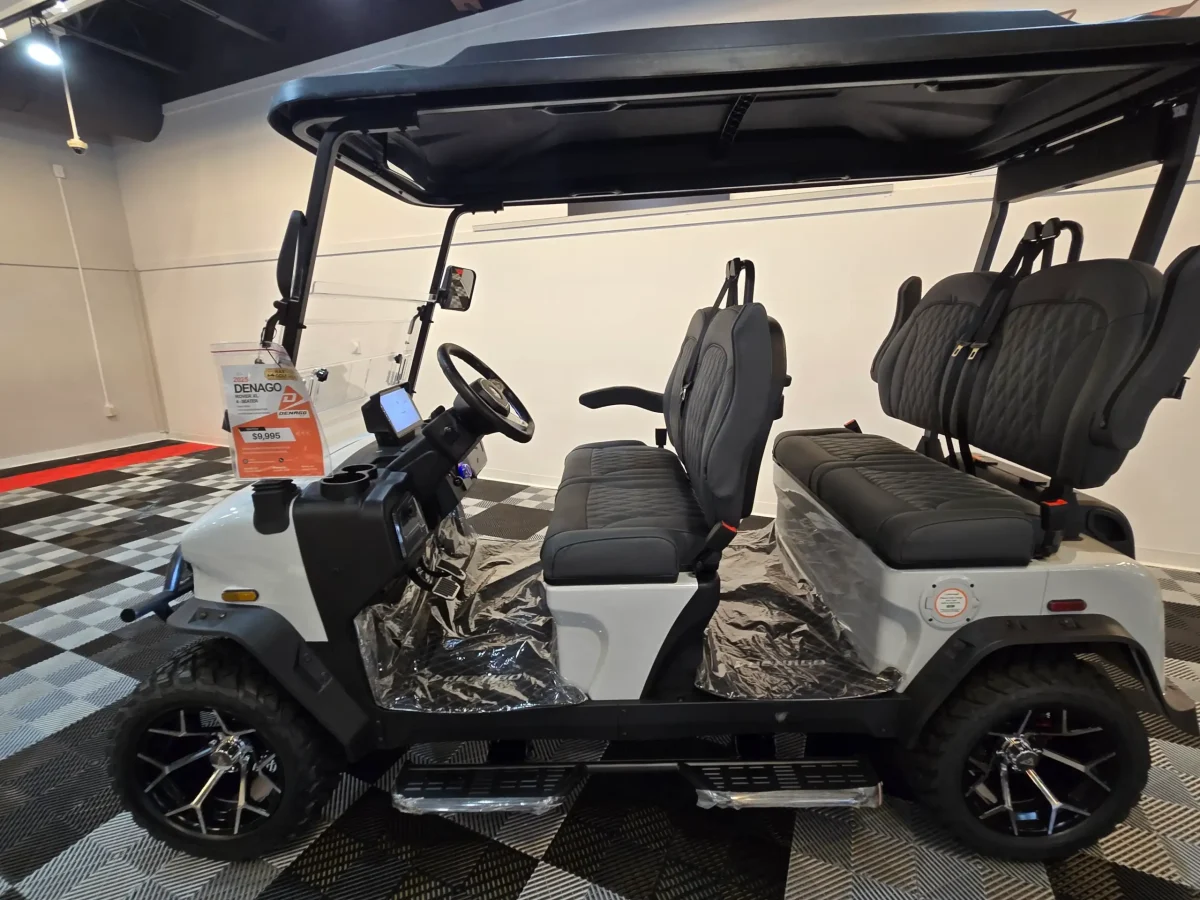
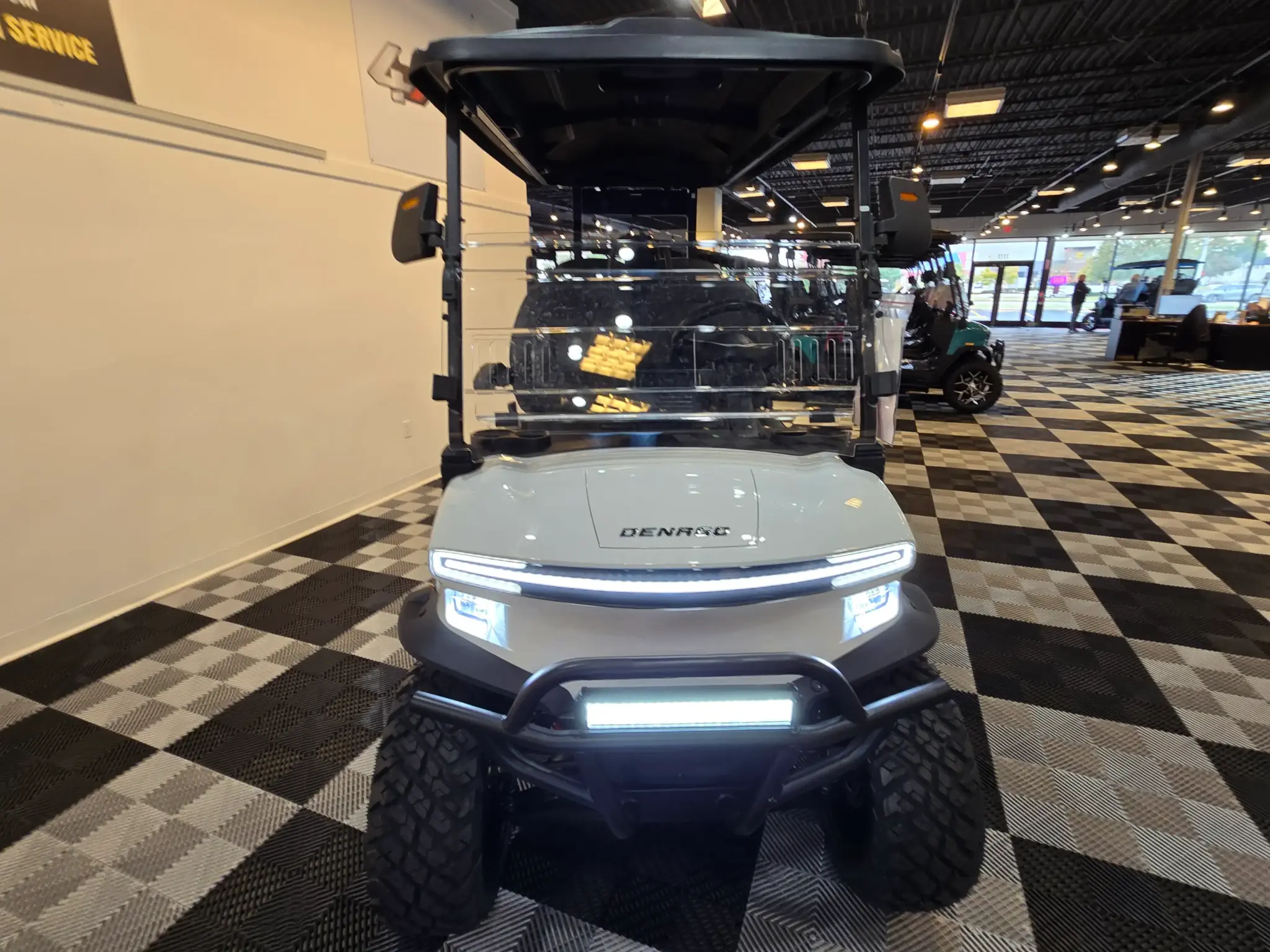
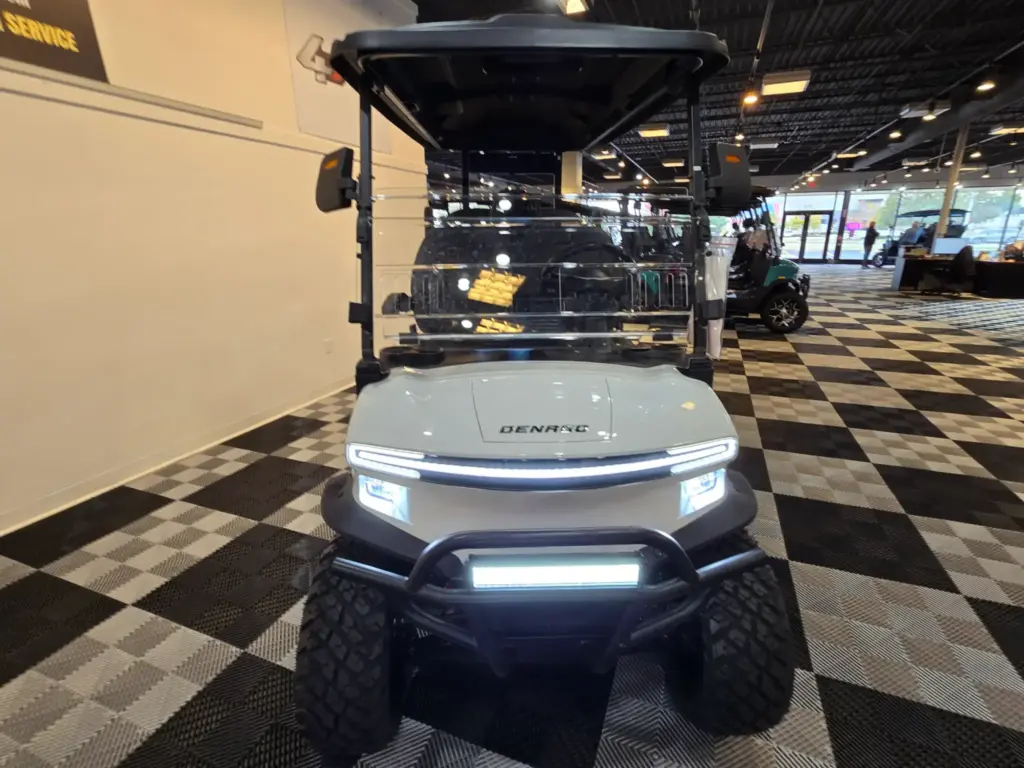
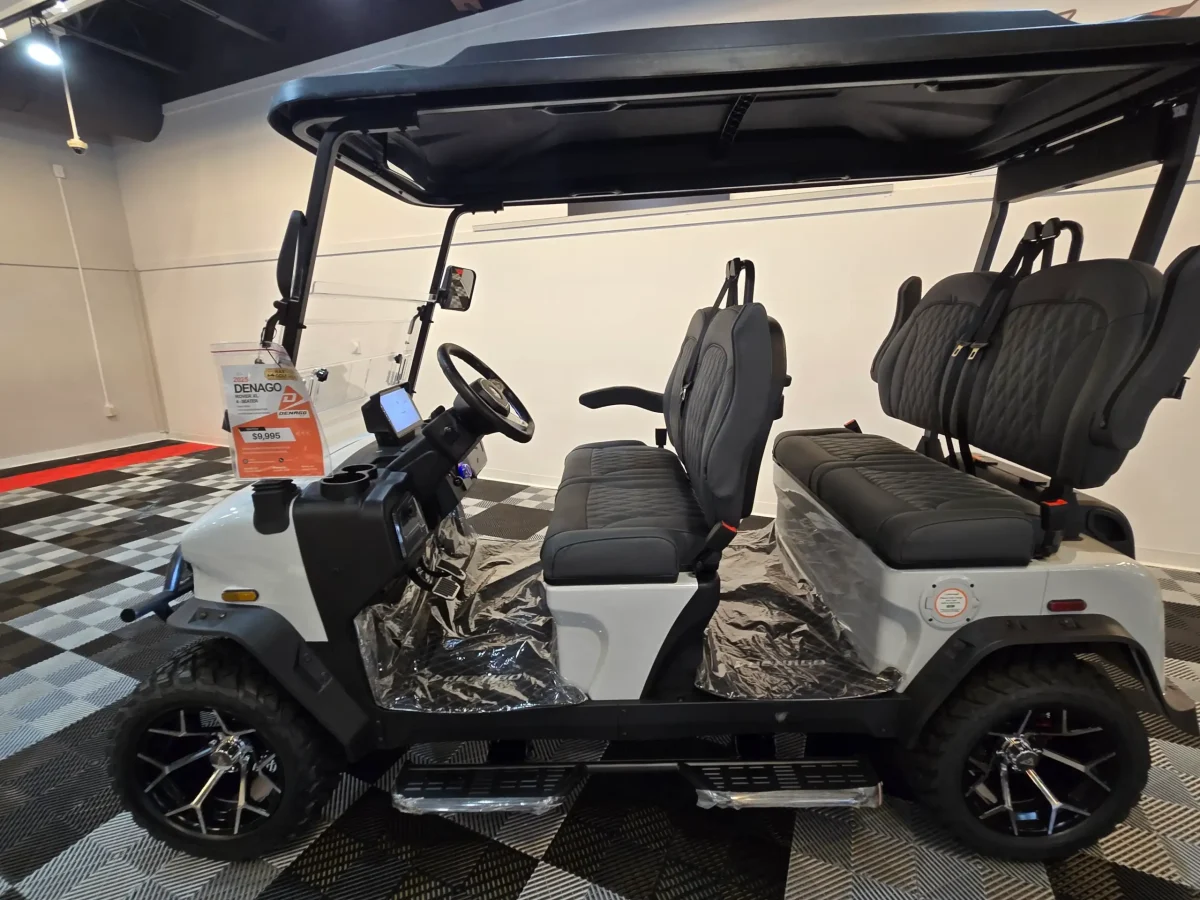
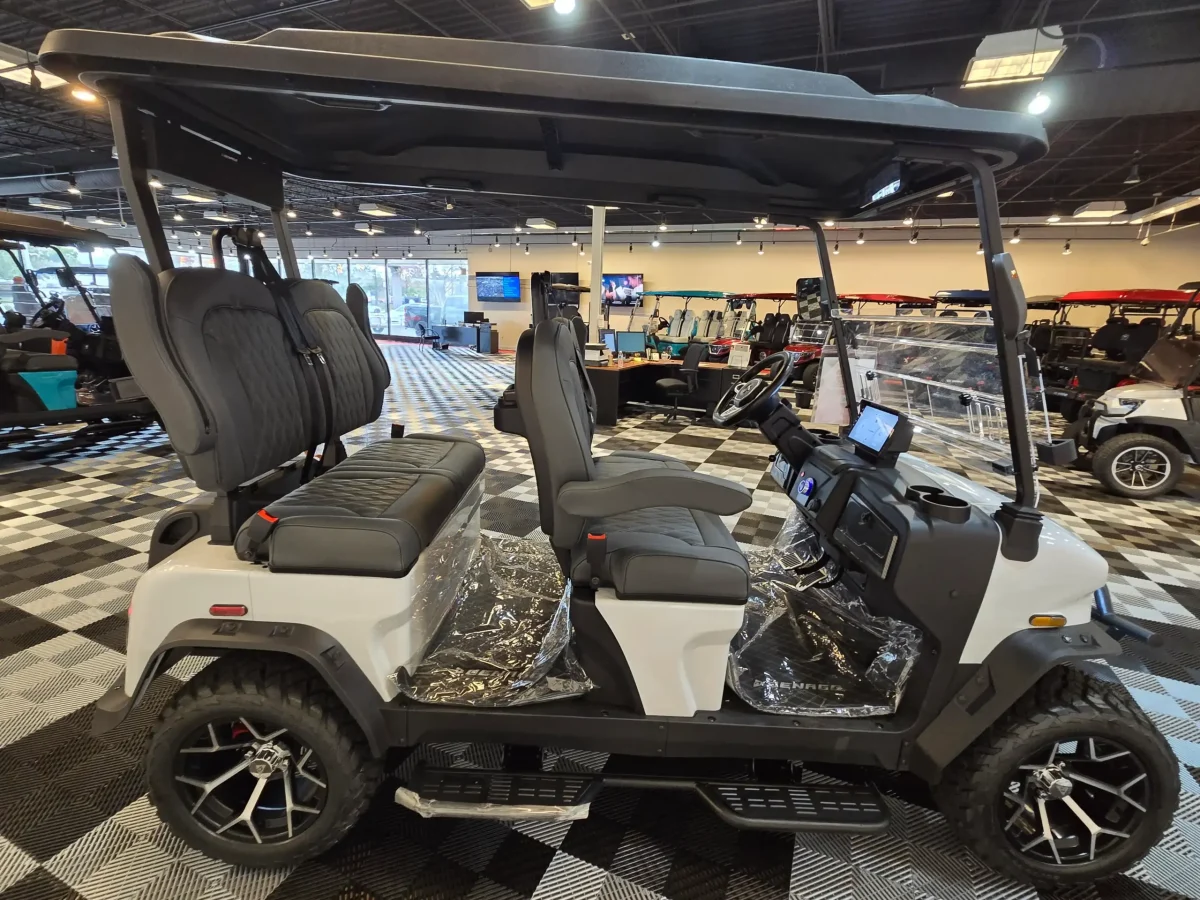
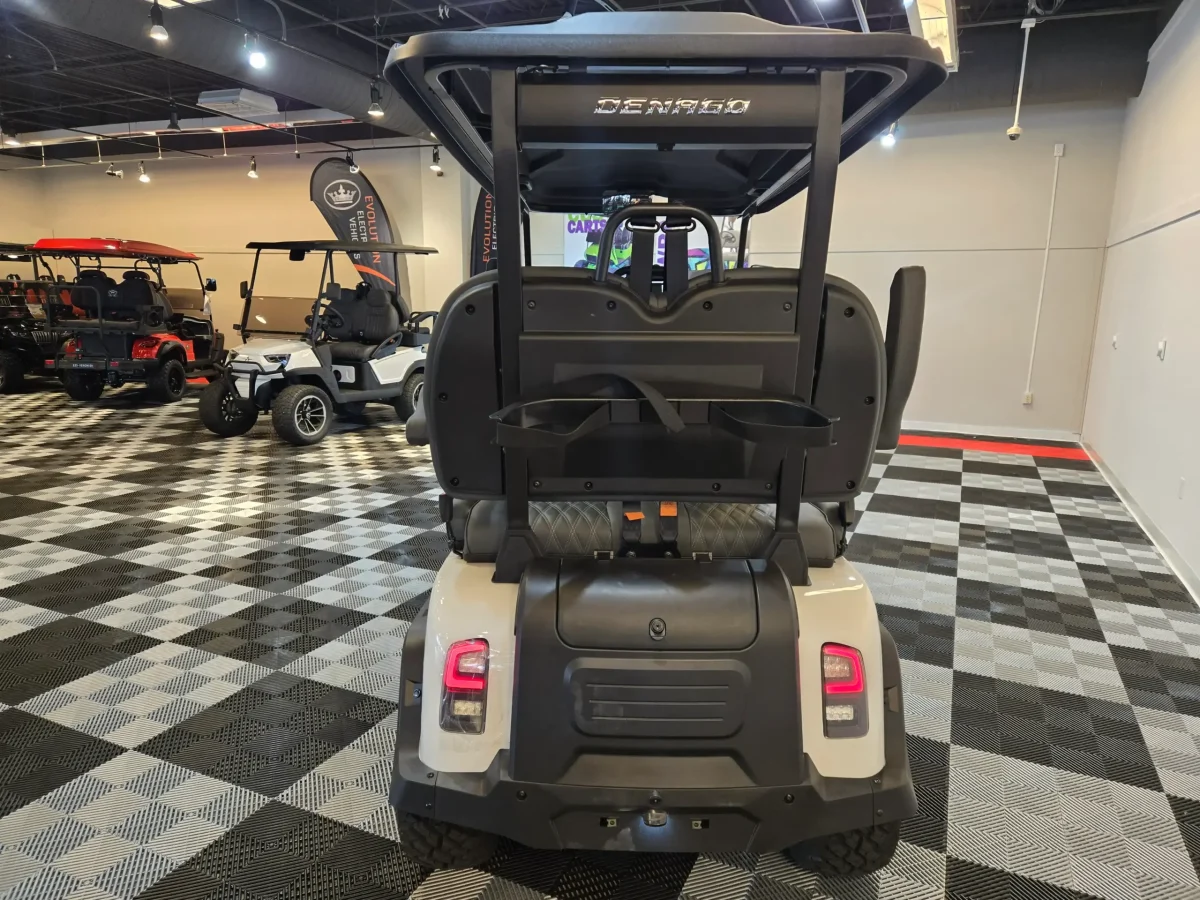
Before fully closing, many courses start by enforcing cart path only rules. This helps protect the fairways from tire damage. Carts sliding on wet ground can tear turf and create ruts that take weeks to repair. Cart path restrictions limit contact between the vehicle and vulnerable areas of the course. Golfers who understand these rules are more likely to support the decision rather than feel inconvenienced. To learn more about carts designed to handle various terrain conditions, you can explore the Denago Rover XL.
Walking Only Policies
When fairways are too wet for carts but still playable for golfers, courses may switch to walking only rules. This reduces turf compaction and prevents damage caused by tires. Walking protects the course, but it also ensures golfers who choose to play are doing so under safer conditions. Hills, slopes, and wet areas must still be considered, but walking creates less environmental stress. These policies are used widely during early morning dew, light rain, or after short storms.
How Long Courses Stay Closed After Rain
The length of closure depends on the severity of the storm. A light rain might only delay play for an hour or two. A heavy downpour may require several hours for the course to drain. In cases where flooding occurs, closures can last most of the day. Courses with strong drainage systems reopen faster. Newer courses often incorporate advanced water flow designs that move water efficiently. Older courses may take longer to dry or need additional maintenance before reopening.
Why Turf Protection Is a Priority
Golf course turf is delicate and requires constant care. Heavy rain weakens root systems, softens soil, and increases the chances of disease. Grounds crews work to prevent long term damage that could impact the course for weeks or months. Closing the course allows maintenance staff to handle drainage, repair bunkers, roll greens, and assess problem areas. Their priority is to preserve course quality so members and guests can enjoy consistent playing conditions throughout the year.
How Rain Affects Greens
Greens are the most sensitive part of the course. Too much water affects ball speed, firmness, and smoothness. When greens flood, they become unplayable until they drain fully. Even after water clears, the surface must be rolled and inspected before reopening. Excessive moisture can lead to fungus or algae if not managed quickly. Superintendents take these risks seriously since greens define the overall experience for golfers.
Bunkers After Heavy Rain
Bunkers often require the most work after a rainstorm. Water can wash away sand, create ridges, and leave behind uneven or compacted surfaces. In severe cases, standing water pools in bunkers, requiring pumps and repairs. These conditions make bunkers nearly impossible to play from. Courses often remain closed until bunkers are restored to safe and playable conditions. This process may take longer than drying fairways or greens.
Fairways and Rough Areas
Fairways absorb water at different rates depending on soil type and construction. Some courses dry quickly, while others may hold water for long periods. Rough areas also become thicker and heavier when wet. This slows play and increases maintenance needs. Courses that experience frequent rainfall develop strong drainage strategies, while those in dry regions may struggle more with unexpected storms. The goal is to maintain as much of the playing surface as possible without compromising long term health.
The Role of Course Staff During Rain Events
Maintenance staff monitor weather patterns, inspect trouble spots, repair drainage issues, and communicate with course management. They determine when to send golfers off the course, reopen play, or implement restrictions. Their decisions are based on experience, knowledge of the course layout, and turf science. Good communication between staff and golfers ensures smoother operations and reduces frustration during weather interruptions.
How Technology Helps Golf Courses Make Decisions
Modern courses use weather radar, soil moisture sensors, aerial mapping, and turf monitoring tools. These technologies help predict how the course will respond to rainfall. Digital tools provide valuable insights into water flow and turf saturation, helping superintendents make more accurate decisions. This keeps players safe while maintaining course quality. Technology has transformed weather management and continues to improve how courses handle rainy conditions.
Rain Policies at Different Types of Courses
Private clubs, public courses, and resort courses may respond differently to rain. Private clubs often invest more in drainage and maintenance, allowing them to reopen faster. Public courses may take longer because of budget limits or older infrastructure. Resort courses focus heavily on guest experience and often employ larger crews to recover quickly after storms. Each type of course balances safety, maintenance, and customer satisfaction in its own way.
Tips for Golfers Planning to Play in Rain
Golfers can reduce frustration by checking weather forecasts, calling the pro shop, or reviewing course alerts online. Bringing waterproof clothing, towels, and rain gloves makes the experience more comfortable. Understanding why closures occur builds patience and supports course preservation. Many golfers enjoy playing during light rain because it creates a peaceful atmosphere and slower greens. Preparing ahead helps ensure the day goes more smoothly even when weather changes unexpectedly.
Conclusion
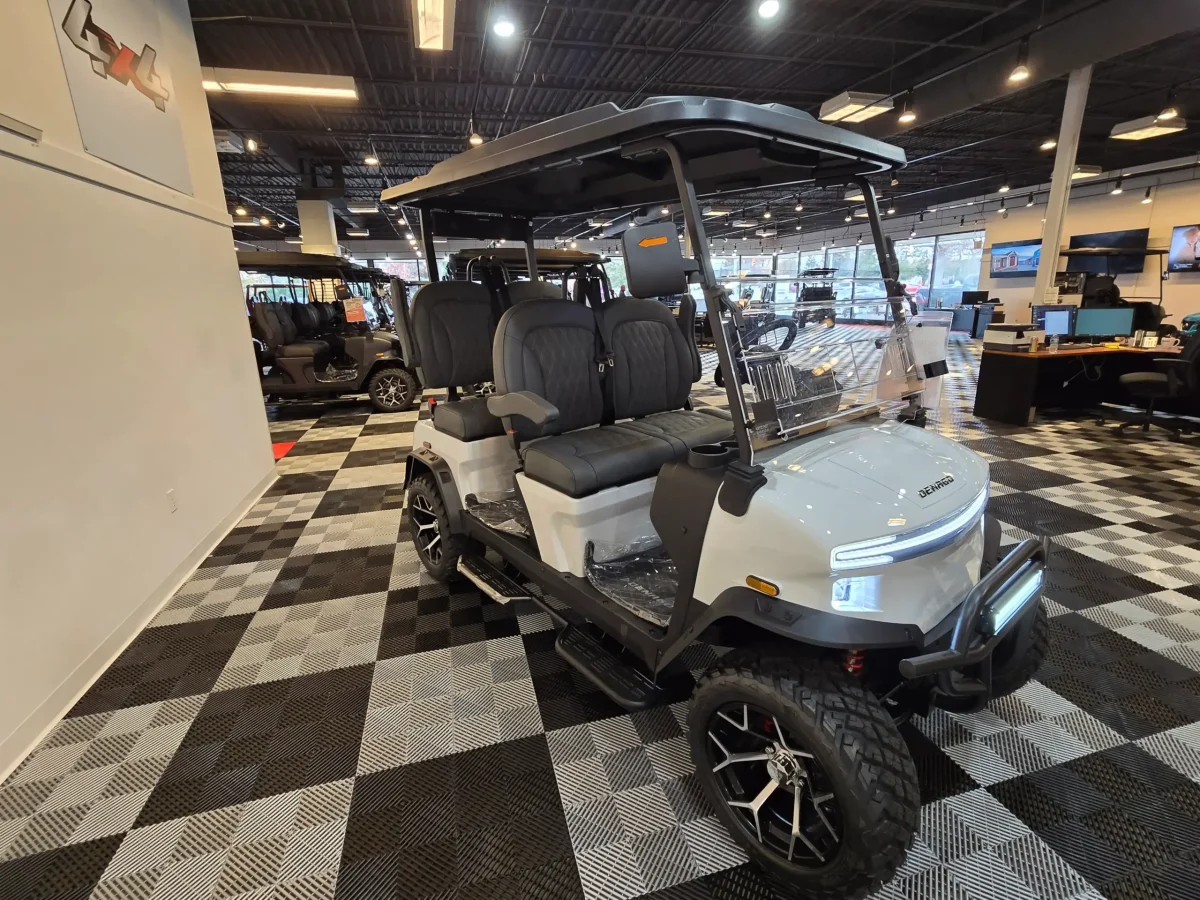
Golf courses close during rain to protect players, staff, and the course itself. Light showers may not stop play, but heavy rain, lightning, and flooding often lead to temporary closures. Understanding these decisions helps golfers appreciate the work involved in keeping a course healthy and enjoyable. If you want a well built cart that handles changing weather comfortably, reach out to the team at Hartville Golf Carts and explore models like the Denago Rover XL for a reliable experience in a variety of conditions.