
When winter weather arrives, many drivers begin asking what vehicles are good in snow because cold temperatures, ice, and snow-covered roads demand more from a vehicle. Snowy conditions affect traction, braking, visibility, and overall control, which means the right vehicle choice can make a noticeable difference in confidence and safety. While no vehicle can eliminate winter risks entirely, certain designs and features handle snow far better than others. Understanding what works well in winter helps drivers choose vehicles that remain dependable throughout the season.
Why snow changes driving needs
Snow creates a driving environment where traction becomes the most important factor. Tires struggle to grip slippery surfaces, braking distances increase, and steering inputs require more care. Vehicles that perform well in snow typically offer better weight distribution, drivetrain options that improve traction, and ground clearance that prevents buildup underneath the vehicle. Winter conditions also demand stable handling and predictable responses. Vehicles designed with these characteristics provide drivers with better control and reduced stress when roads are less forgiving.
All wheel drive vehicles
All-wheel drive vehicles are among the most capable options for snowy conditions. These systems distribute power to all four wheels, improving traction when one or more wheels lose grip. This design helps vehicles accelerate smoothly and maintain stability on slick roads. Many modern all-wheel drive systems automatically adjust power distribution based on road conditions, which enhances control without requiring driver input. While all-wheel drive does not shorten braking distance, it improves confidence when starting from a stop and navigating snowy inclines.
Fourwheel drive trucks and SUVs
Four-wheel drive trucks and SUVs perform well in snow due to their drivetrain design and ground clearance. These vehicles allow drivers to engage four-wheel drive when conditions demand extra traction. Higher clearance helps them move through deeper snow without getting stuck. Trucks and larger SUVs often carry more weight, which can improve traction when combined with proper tires. Drivers who frequently travel on unplowed roads or rural areas often prefer four-wheel drive vehicles for winter reliability.
Frontwheel drive vehicles
Front-wheel drive vehicles handle snow better than many people expect. Because the engine weight sits over the front wheels, traction improves during acceleration. These vehicles offer predictable handling and are often easier to control for everyday winter driving. While they may not perform as aggressively as all wheel drive vehicles in deep snow, frontwheel drive cars work well on plowed roads and in urban environments. Their lighter weight can also help prevent sinking into softer snow.
Electric vehicles in winter
Electric vehicles perform reliably in snow when designed with winter conditions in mind. The low center of gravity created by battery placement improves stability, while instant torque delivery allows for controlled acceleration. Many electric vehicles include traction control systems that respond quickly to slippery surfaces. Cold weather can reduce range temporarily, but winter tires and proper driving habits maintain safe operation. Electric vehicles continue to gain popularity in colder climates due to predictable handling and quiet operation.
Golf carts and winter use
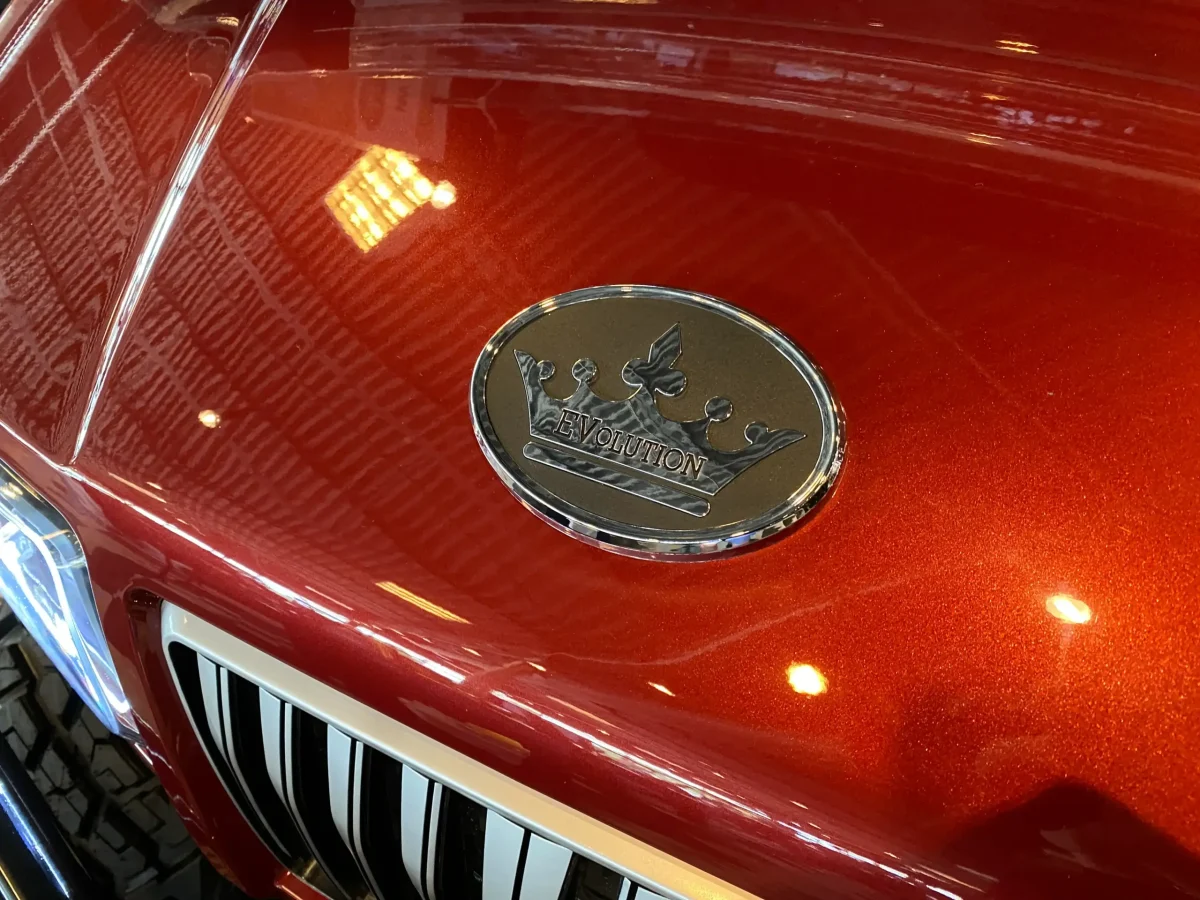
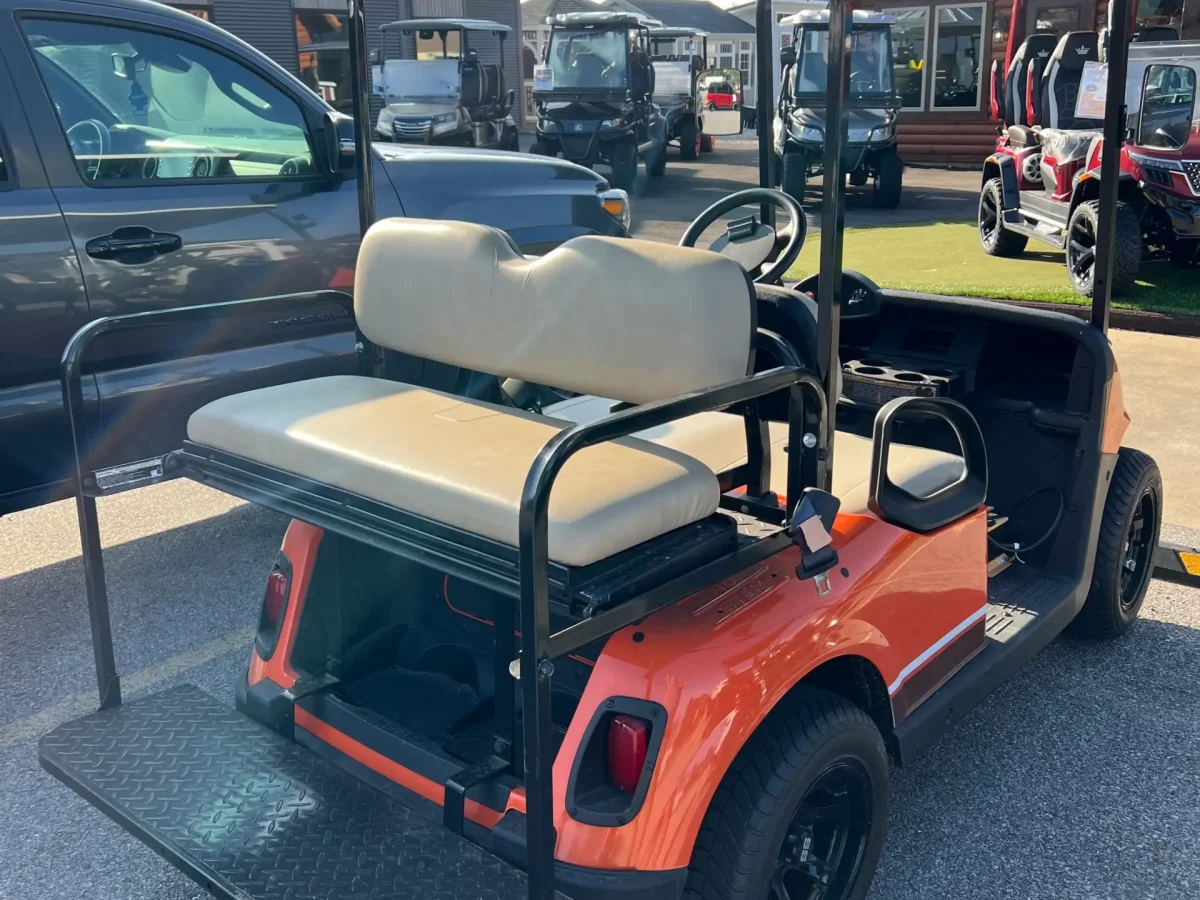
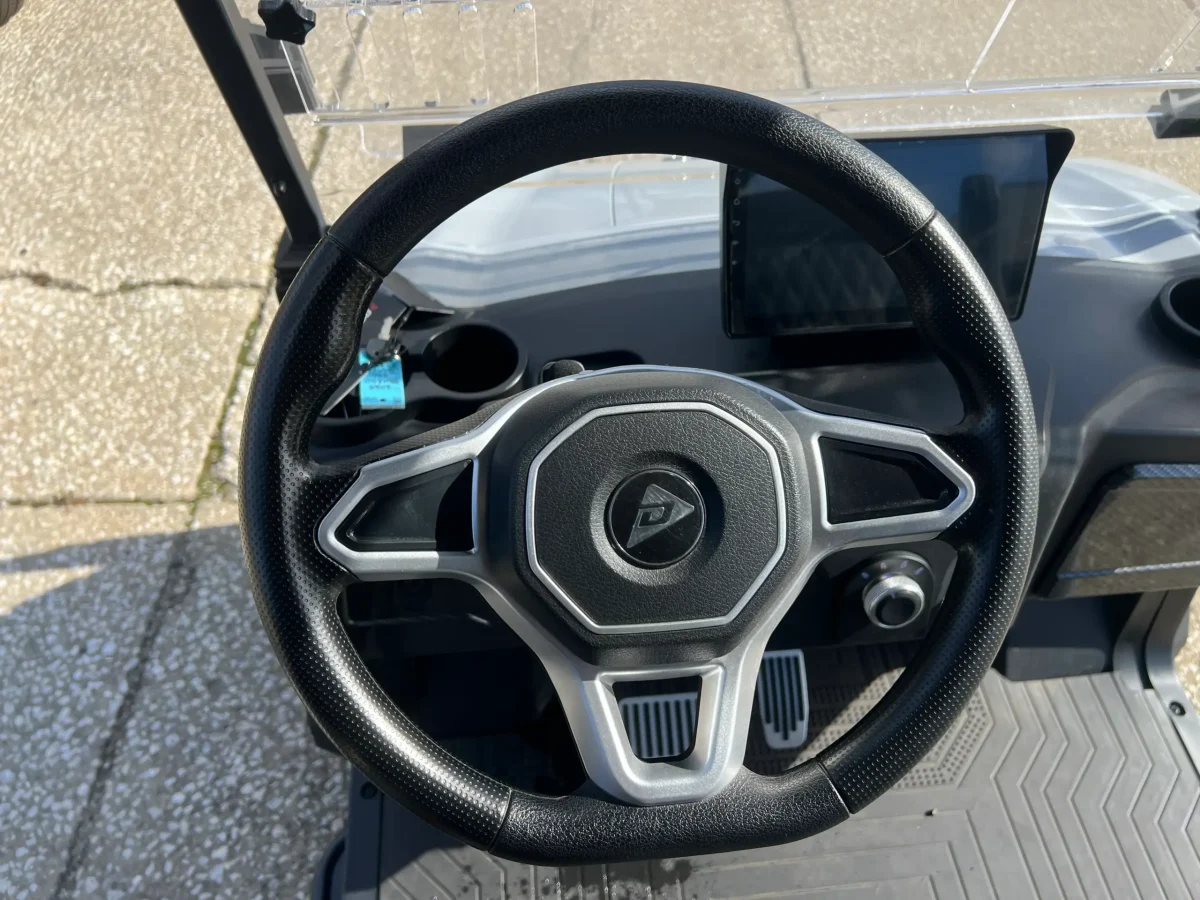
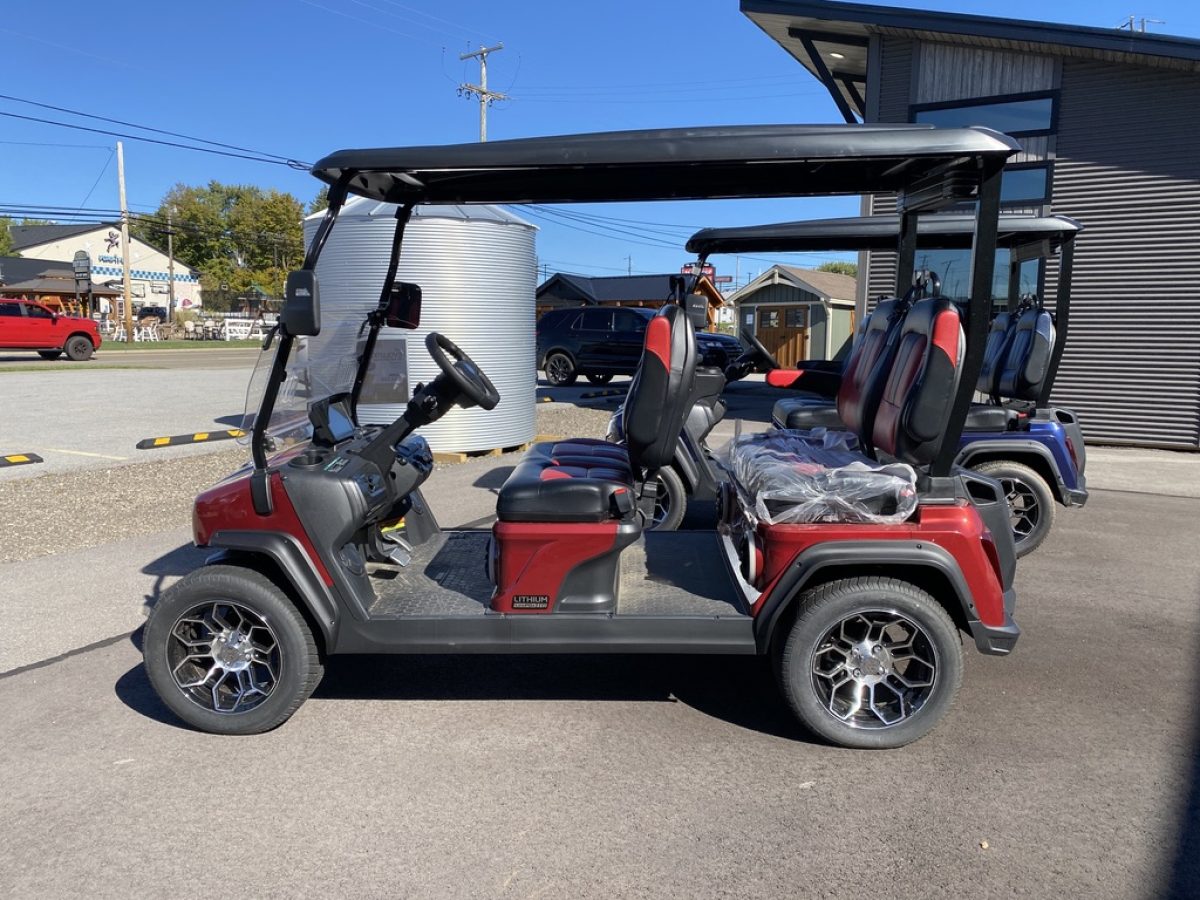
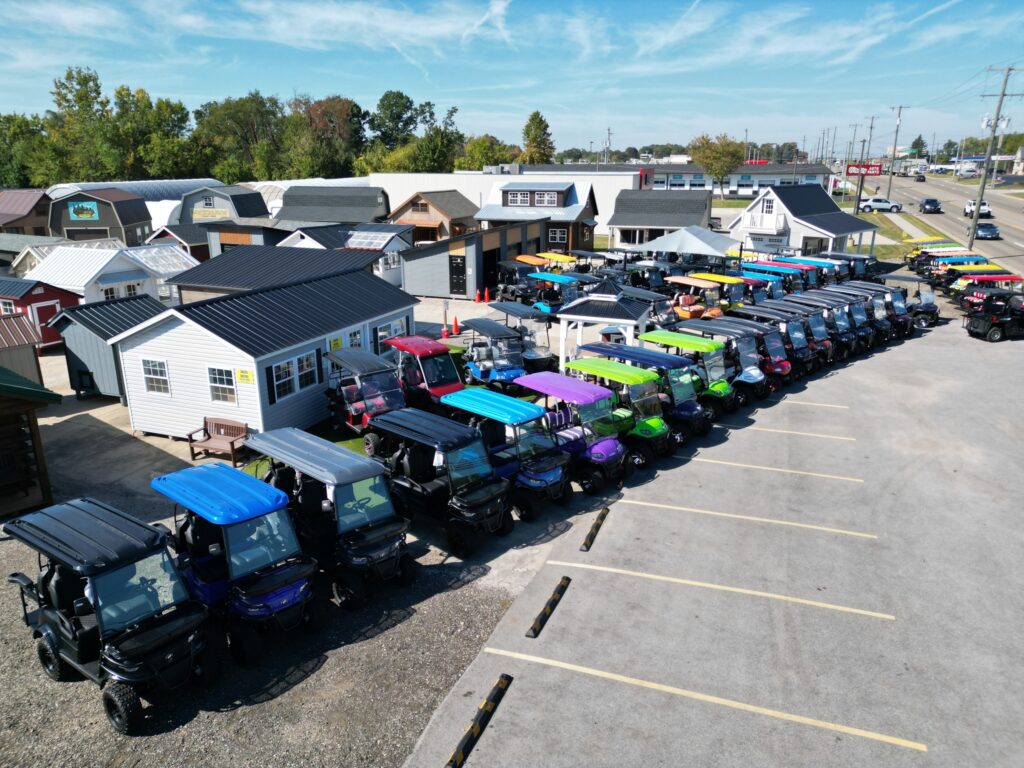
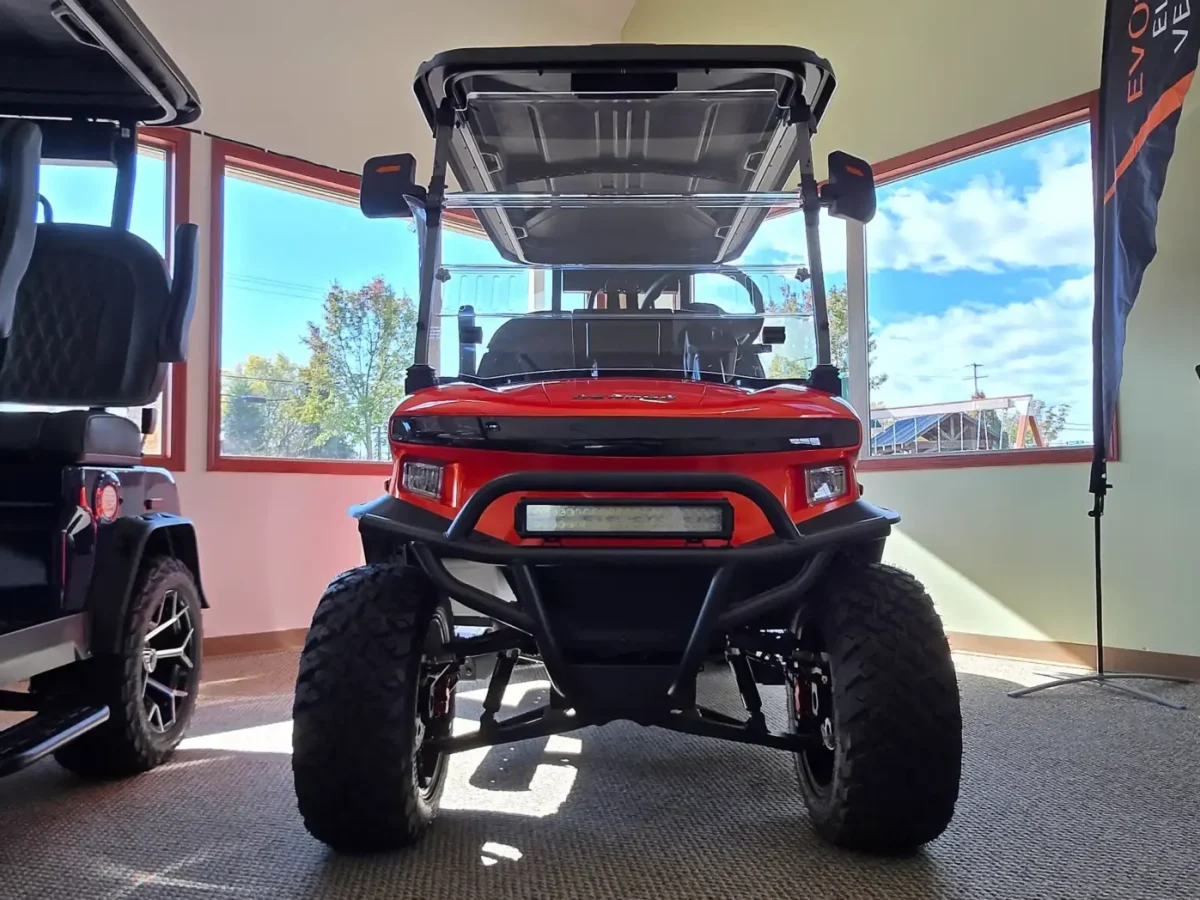
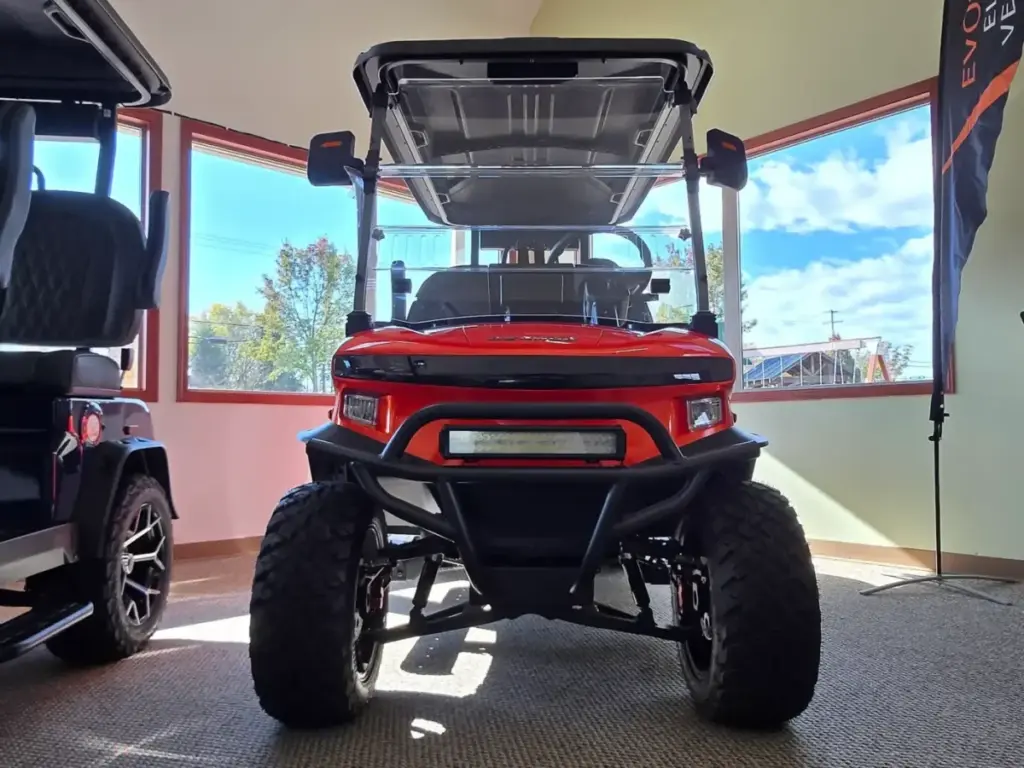
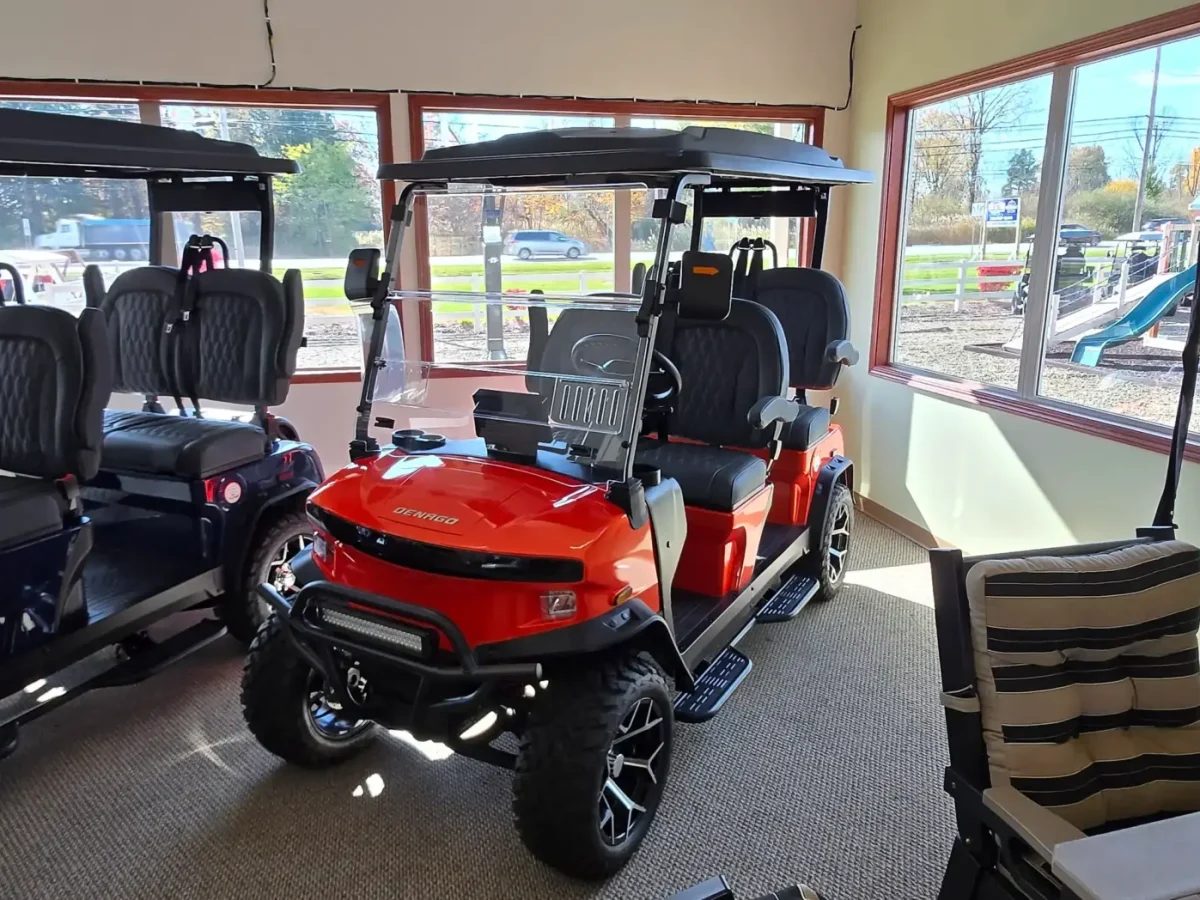
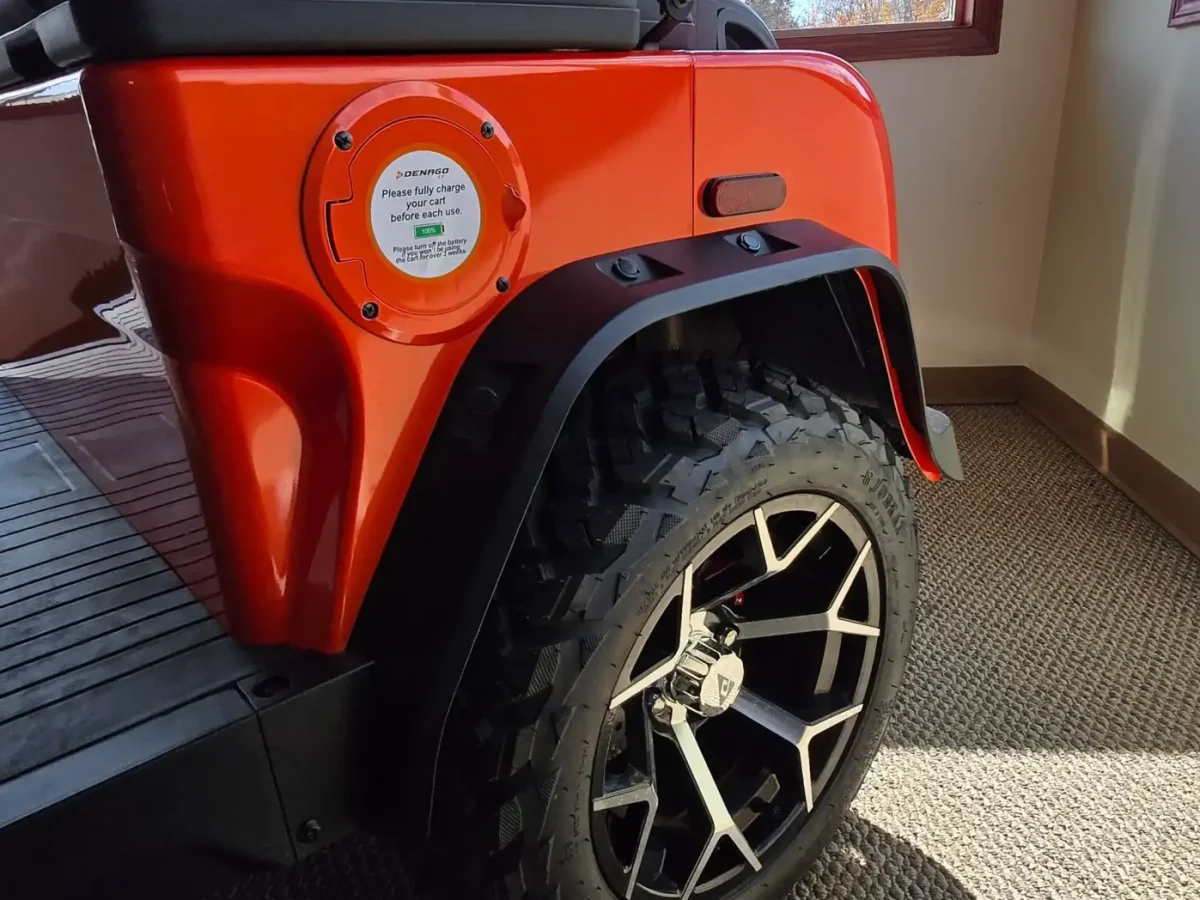
Golf carts can be suitable for snowy conditions when used appropriately and equipped correctly. In private communities, resorts, or large properties, golf carts often serve as short-distance transportation even in winter. Features such as enclosed cabins, heaters, and winter tires improve usability. Electric golf carts deliver smooth power that helps prevent wheel spin on slick surfaces. Many modern carts are designed with winter operation in mind, making them practical for controlled environments.
Tires matter most
Tires play a larger role in snow performance than drivetrain alone. Winter tires use specialized rubber compounds and tread patterns that grip snow and ice more effectively. Even the most advanced vehicle struggles without proper tires. Vehicles equipped with winter tires maintain better traction, braking, and steering control. Drivers who experience regular snow benefit more from tire upgrades than from drivetrain changes alone.

Ground clearance importance
Ground clearance determines how well a vehicle moves through accumulated snow. Vehicles with low clearance may become stuck as snow builds underneath. SUVs, trucks, and certain crossover vehicles offer higher clearance that helps them remain mobile during snowstorms. Golf carts designed for utility or off-road use also benefit from added clearance. Clearance does not replace traction, but it helps prevent obstacles caused by snow buildup.
Vehicle weight balance
Balanced vehicle weight improves stability on slippery roads. Vehicles that distribute weight evenly across axles tend to respond more predictably in snow. Electric vehicles benefit from battery placement that lowers and balances weight. Heavier vehicles can improve traction but may require longer stopping distances. Understanding how weight affects performance helps drivers choose vehicles that feel stable rather than unpredictable.
Braking systems and control
Modern braking systems contribute significantly to winter safety. Anti-lock braking systems prevent wheel lockup, while electronic stability control helps maintain directional control. These systems assist drivers during sudden stops or slippery turns. Vehicles equipped with advanced braking technology respond better to winter conditions, reducing the chance of skidding.
Visibility and lighting
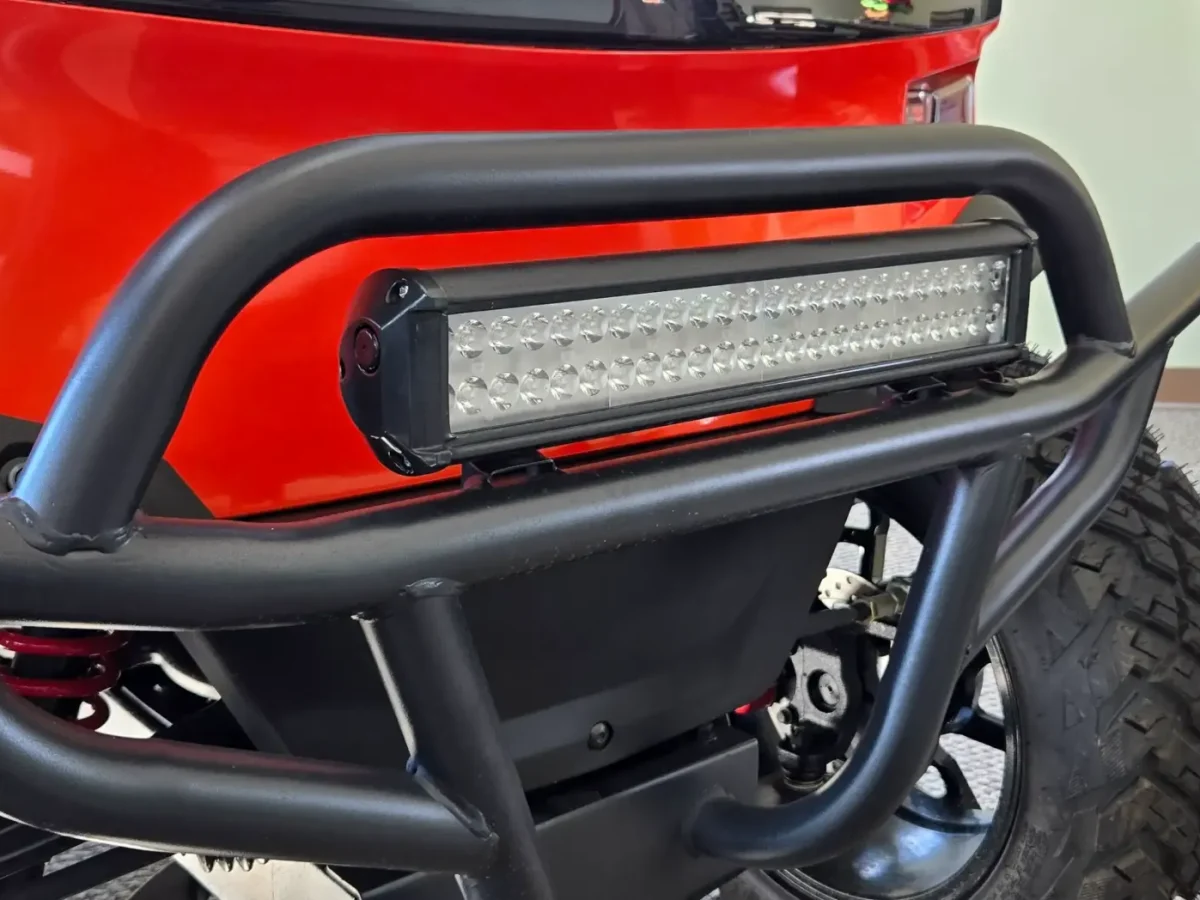
Winter weather often reduces visibility due to snow, fog, or early darkness. Vehicles with strong lighting systems and effective defrosting improve safety. Heated mirrors and windshields help maintain clear sightlines. These features become increasingly valuable during snowstorms or icy conditions.
Driving habits in snow
Even the best vehicles require proper driving habits in snow. Smooth acceleration, gentle steering, and increased following distance reduce risk. Vehicles designed for snow support these habits by responding predictably. Winter driving success combines vehicle capability with driver awareness.
Urban vs rural winter driving
Urban environments often receive quicker snow removal, making front-wheel drive and electric vehicles practical choices. Rural or unplowed roads demand more traction and clearance, favoring all-wheel drive and four-wheel drive vehicles. Understanding where the vehicle will operate most often helps narrow the best option.
Golf carts in snowy communities
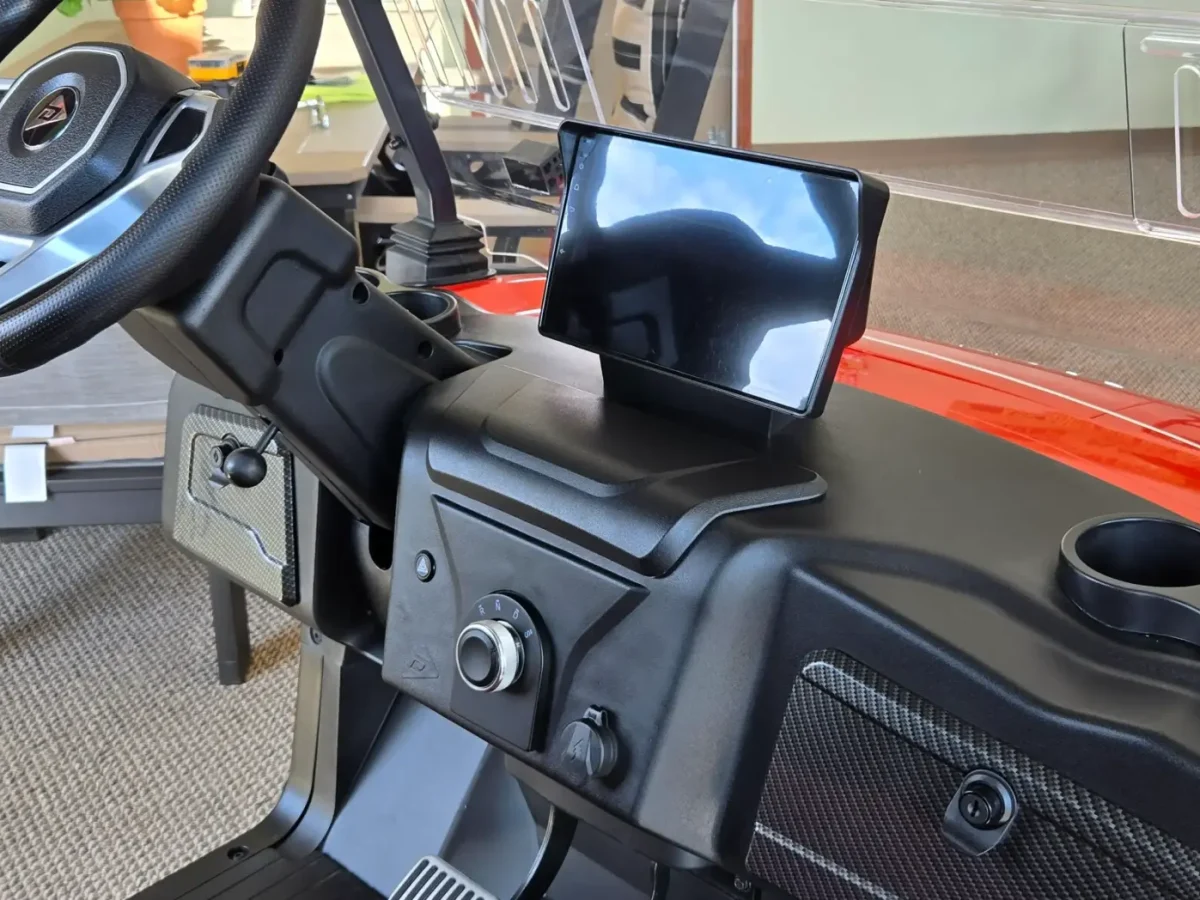
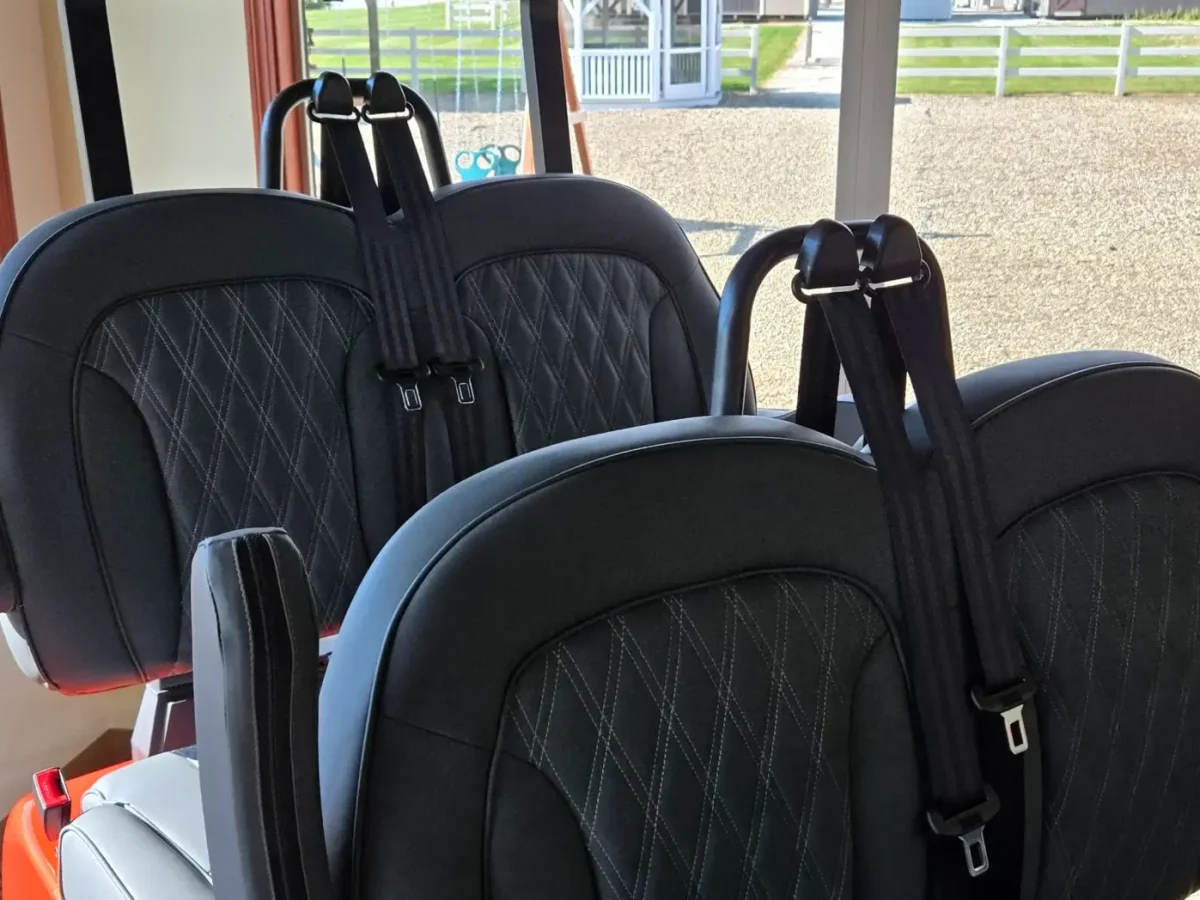
In gated communities and resorts, golf carts remain useful in winter when conditions are managed. Enclosed carts protect passengers from wind and cold. Electric carts provide quiet operation and controlled power delivery. Many winter-ready designs focus on comfort and safety rather than speed. Exploring options like Epic Golf Carts shows how modern carts adapt to seasonal use.
Safety technology overview
Modern vehicles include safety technology designed to assist in snow. Traction control, stability systems, and driver assistance features help maintain control. These technologies support drivers rather than replace caution. Understanding their role helps drivers trust their vehicles while remaining attentive.
Cold weather vehicle science
Vehicle performance in snow relates to physics and engineering principles. Traction, friction, and weight distribution determine handling. Traction depends on surface interaction and applied force, which explains why vehicle design influences winter performance.
Planning for winter ownership
Choosing a winter-capable vehicle involves planning for local conditions, storage, and usage. Owners who prepare vehicles with proper tires, maintenance, and winter accessories experience fewer issues. Vehicles designed with winter use in mind reduce seasonal stress.
Why multiple vehicle types work
No single vehicle suits every winter scenario. Cars, SUVs, trucks, electric vehicles, and golf carts each serve different needs. Understanding strengths rather than chasing one solution leads to better ownership satisfaction. Snow-ready performance depends on matching the vehicle to its environment.
Conclusion
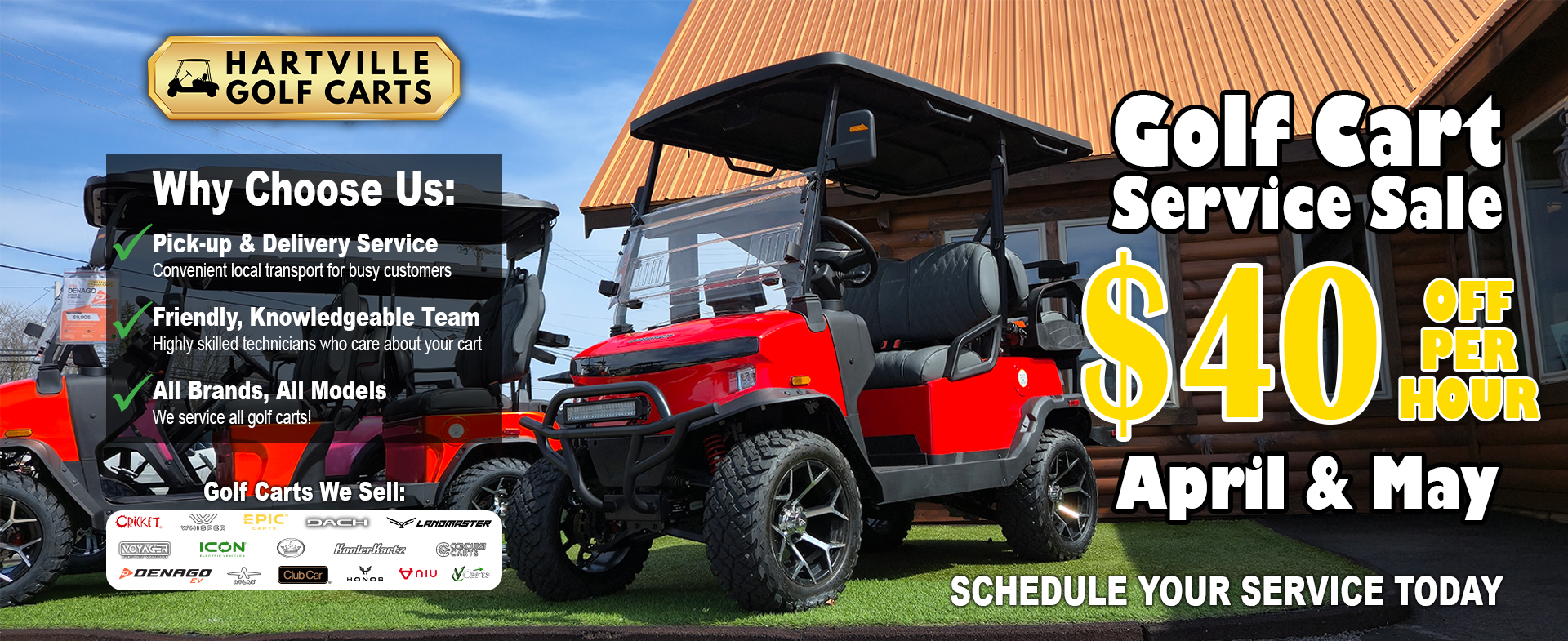
So, what vehicles are good in snow? Vehicles that offer good traction, balanced weight, proper tires, and predictable handling perform best in winter conditions. All-wheel drive, four-wheel drive, front-wheel drive vehicles, electric vehicles, and even golf carts can handle snow when chosen thoughtfully and used correctly. Winter capability depends on design, preparation, and realistic expectations. To explore winter-ready vehicles and learn which options suit your needs, visit the contact page and connect with Hartville Golf Carts.