
People often begin exploring golf carts with questions about size, because understanding the basic dimensions helps owners plan storage, transportation, and day to day use. Since you can find many different brands, seat configurations, and custom styles, golf cart dimensions vary more than some shoppers expect. Instead of relying on a single set of numbers, it is more accurate to think about the typical ranges that most carts fall into. This approach works well because it respects the natural variation among manufacturers while remaining useful for real world planning.
Dimensions matter for many reasons. They influence how comfortably a cart fits in a garage, whether it clears a backyard gate, how it loads onto a trailer, and how stable it feels while driving. Many buyers want a simple way to visualize what a golf cart occupies on the ground and how much height clearance it requires. Looking at dimension ranges rather than strict measurements keeps the information flexible enough to apply to nearly all modern models. For shoppers browsing different electric carts and configurations, Hartville Golf Carts offers a helpful overview of available options.
Understanding Golf Cart Width In Practical Terms
Golf cart width usually sits within a moderate range that works for garages, paths, and trailers. Even though different brands may have slight variations, most two passenger carts fall into a similar width category, often somewhere around four to five feet when accounting for the outer edges of the tires. The width range stays comfortable enough for daily maneuvering without feeling bulky. When shoppers upgrade to larger seats or choose wider tires, the cart can approach the upper end of the range, but the overall footprint still fits well within most storage areas. Drivers who plan to use their carts on community paths or around properties benefit from this predictable range. For more context on how vehicle design interacts with energy considerations, you can reference the United States Department of Energy.
Width also influences how stable the cart feels during turns or when carrying multiple passengers. A wider stance can offer a planted feeling, while a narrower cart allows tight maneuvering. Manufacturers design their frames around expected width ranges to balance both stability and agility. This makes width a key part of the cart’s personality, even when the exact measurement varies slightly from one model to another. Because accessories like fender flares, wheel spacers, or upgraded wheels can add width, many owners choose to evaluate the whole cart rather than relying solely on stock configurations.
Typical Length Ranges For Golf Carts
Golf cart length varies more between models than width. A standard two passenger cart usually falls within a general range that keeps it compact enough for drives, garages, and trailers. Adding rear seats or cargo platforms can extend length toward the upper end of common ranges. Four passenger carts with rear facing seats naturally take up more space, and six passenger models grow longer to house the extra rows. Length plays an important role when planning storage or parking arrangements, especially in garages where the cart must fit in front of or behind existing vehicles.
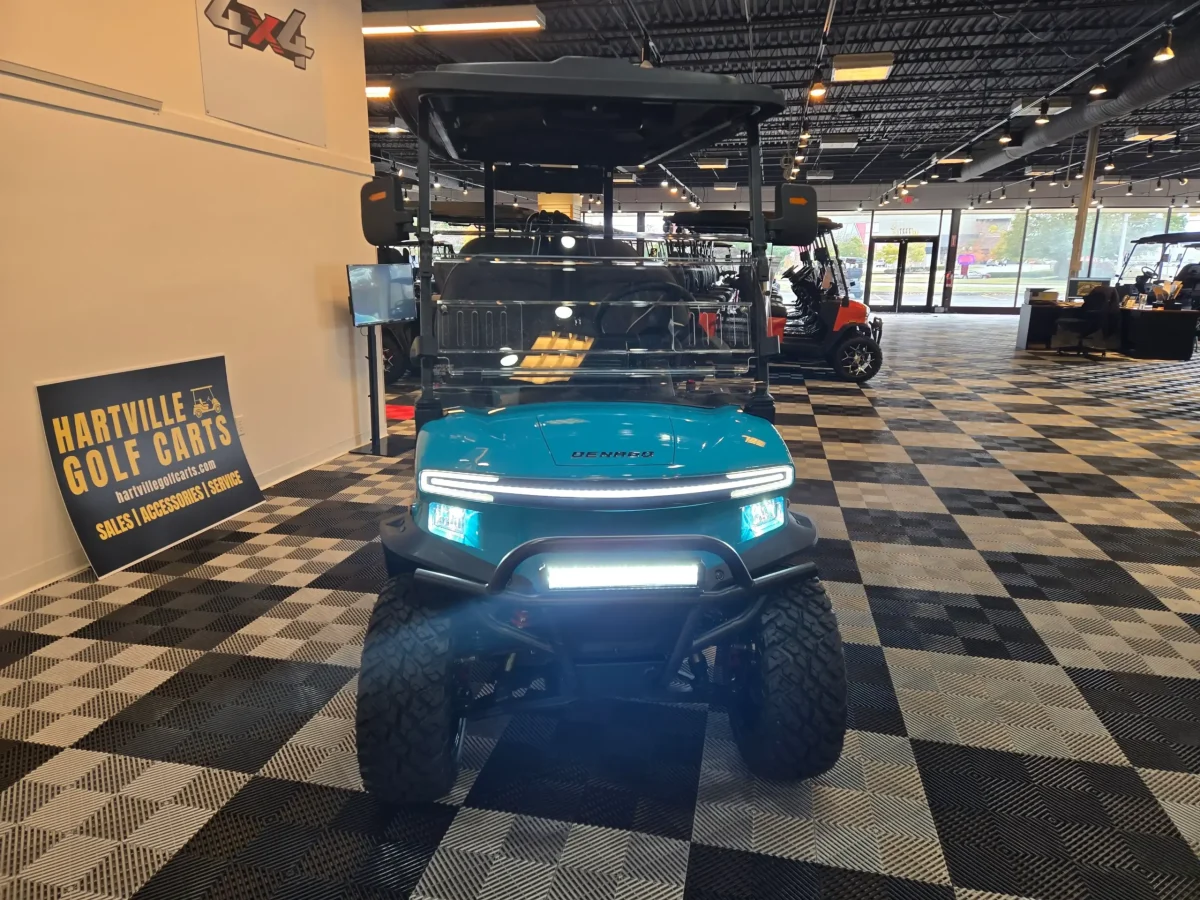
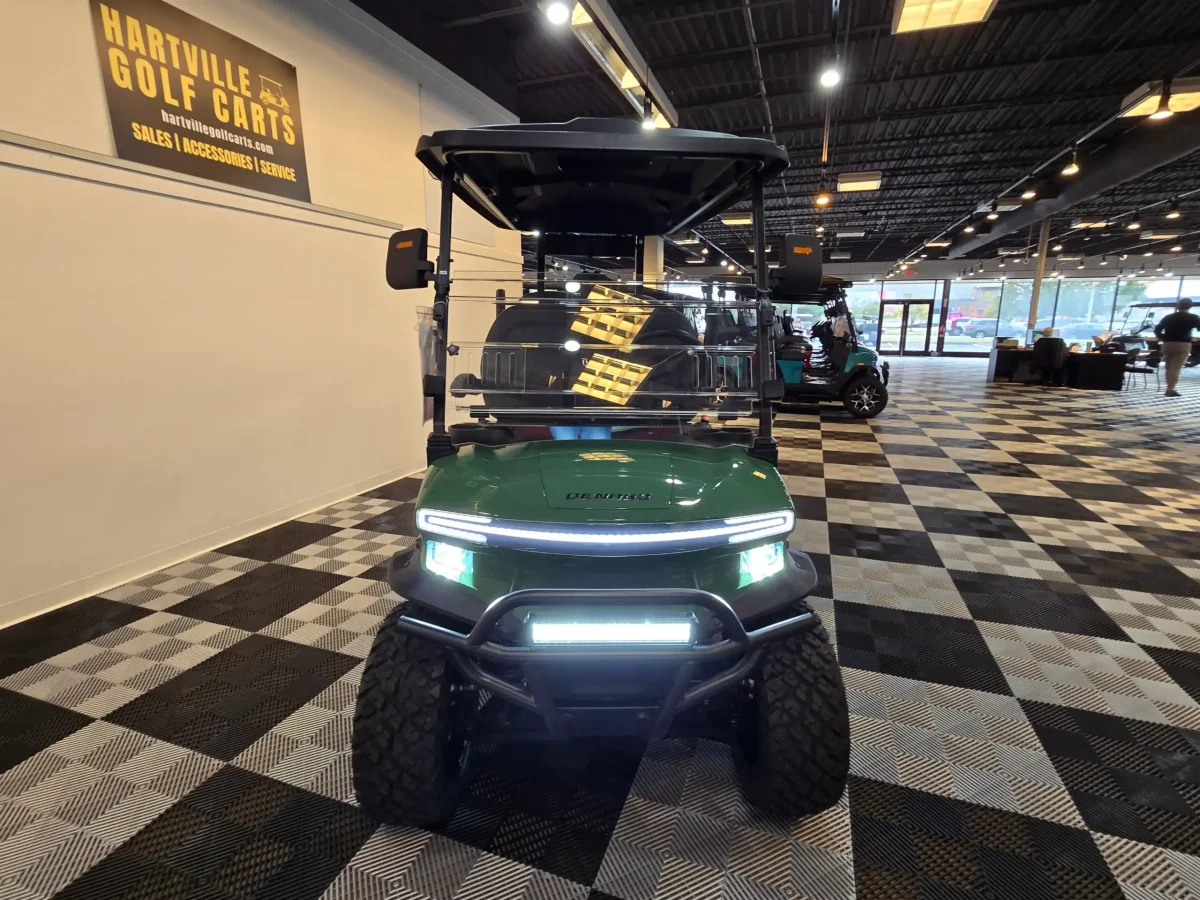
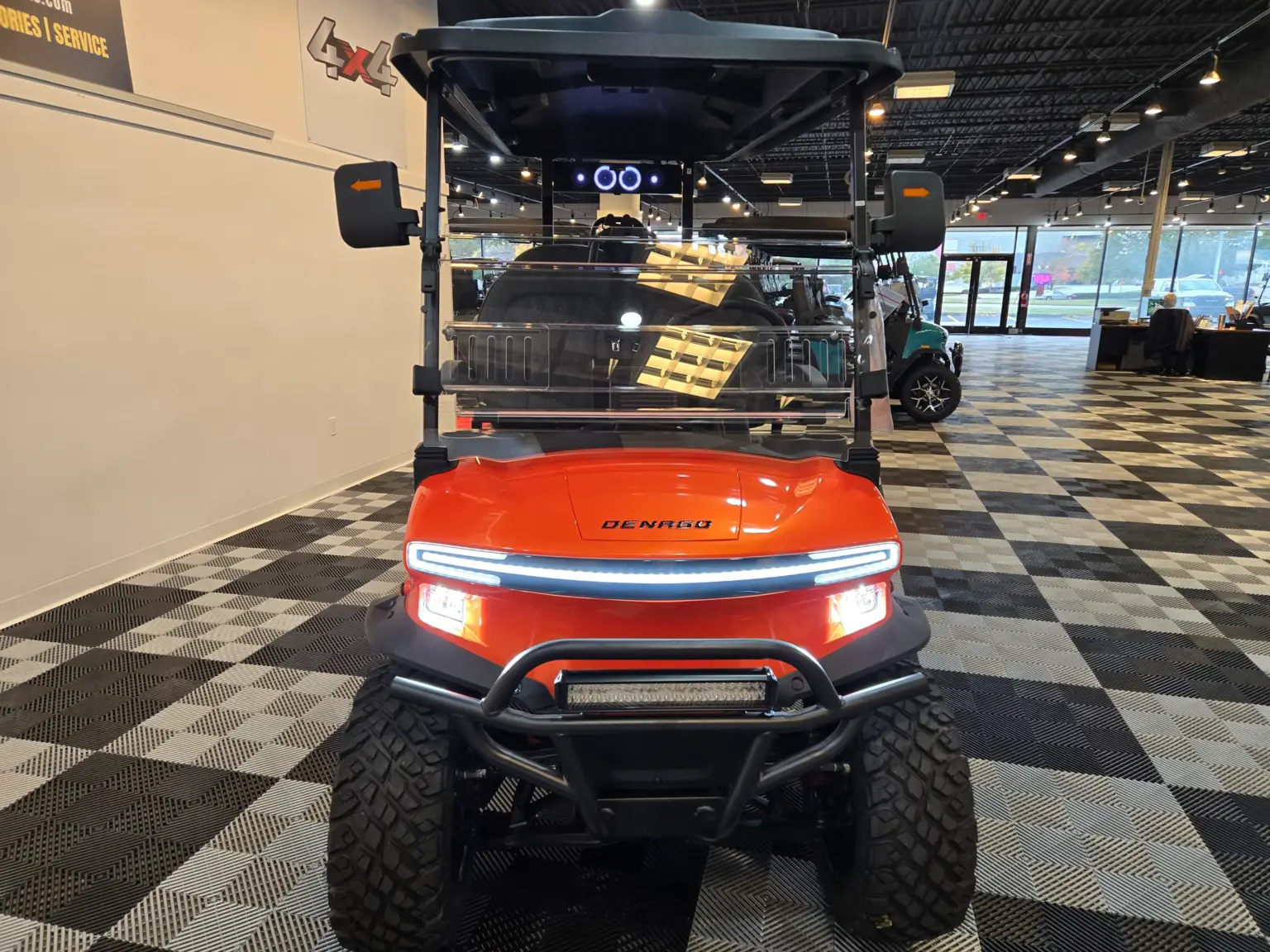
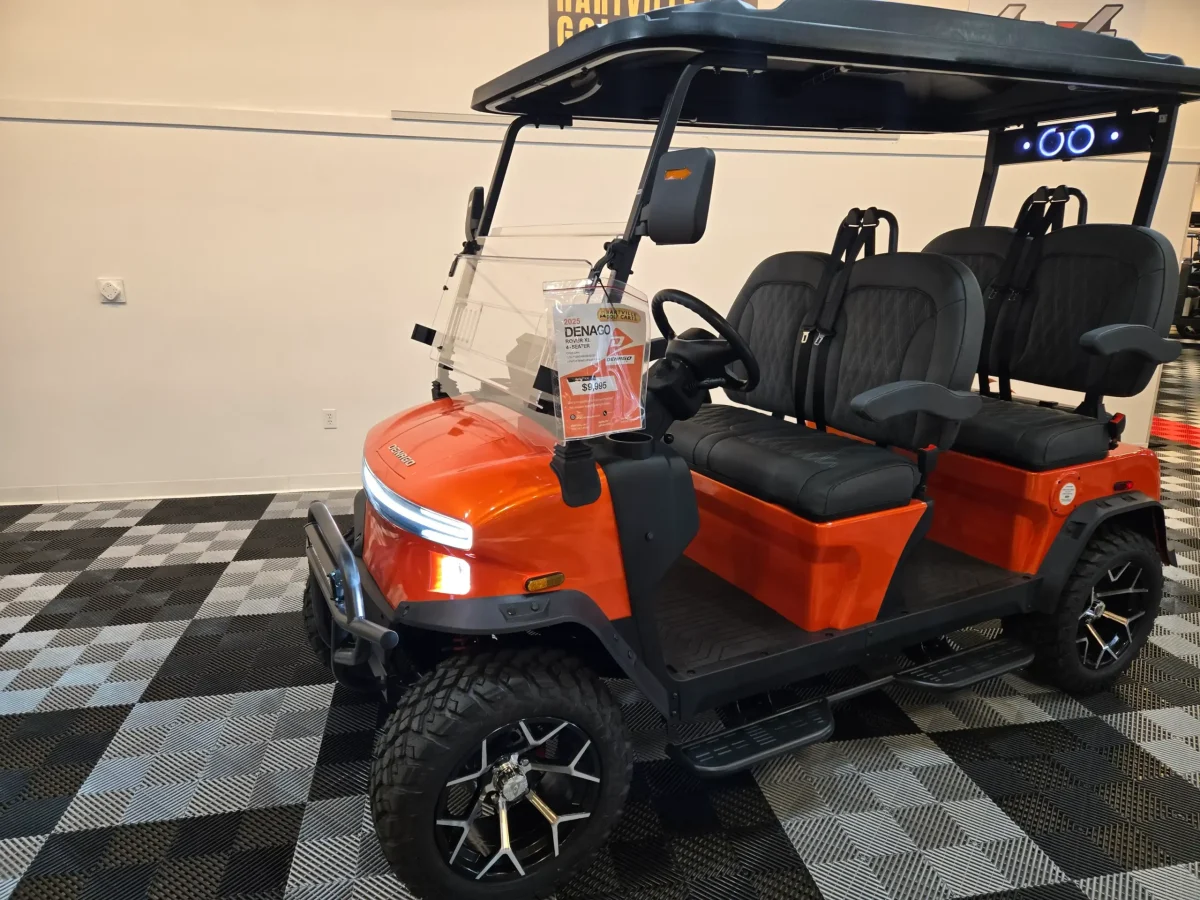
People who plan to use their carts for family transportation or neighborhood trips often appreciate the comfortable layout of slightly longer models, as they offer more seating and legroom. Although many carts fall into a shared length range, variations matter when loading onto a trailer or storing the cart in tight areas. Buyers who look through photos and layouts of electric models, such as the Denago Rover XL, can visualize how each design manages interior spacing while still staying within typical overall length ranges.
General Height Ranges For Golf Carts
Height is the dimension that varies most noticeably once accessories come into play. A standard two passenger golf cart without a lift kit usually remains within a comfortable height range that fits inside most residential garages. Adding a lifted suspension, larger tires, or overhead accessories like storage racks can increase height and sometimes push the cart close to garage door limits. This is why many owners view height as the dimension most affected by modifications.
Roof style also influences the height range. Some carts come with compact canopy roofs, while others feature taller passenger roofs that provide more shade. Height can also increase when owners upgrade windshields or choose heavy duty off road tires. Even though manufacturers often design their carts to stay within typical height expectations, it is still smart for buyers to consider their own garage door clearance when exploring different models. Keeping height estimates in a flexible range prevents surprises later on.
Dimensions For Two Passenger Golf Carts
Two passenger carts remain the most compact category. These carts usually fall into the lower end of typical width and length ranges, making them ideal for garages, tight neighborhoods, and narrow trails. They also tend to offer predictable height profiles when kept in stock condition. Many owners choose two passenger carts for their combination of agility and manageable size. The dimensions allow easy parking next to vehicles in a standard garage, and the range based approach keeps the information applicable across various brands.
Because two passenger carts use a simpler frame layout, their overall footprint stays within the familiar width and length bands seen across most manufacturers. Even when upgraded with accessories like lights or small cargo baskets, changes remain small. This is why two passenger carts feel easy to store, transport, and maneuver. It is also why these carts continue to be a popular choice for customers who prioritize a small but practical footprint.
Dimensions For Four Passenger Golf Carts
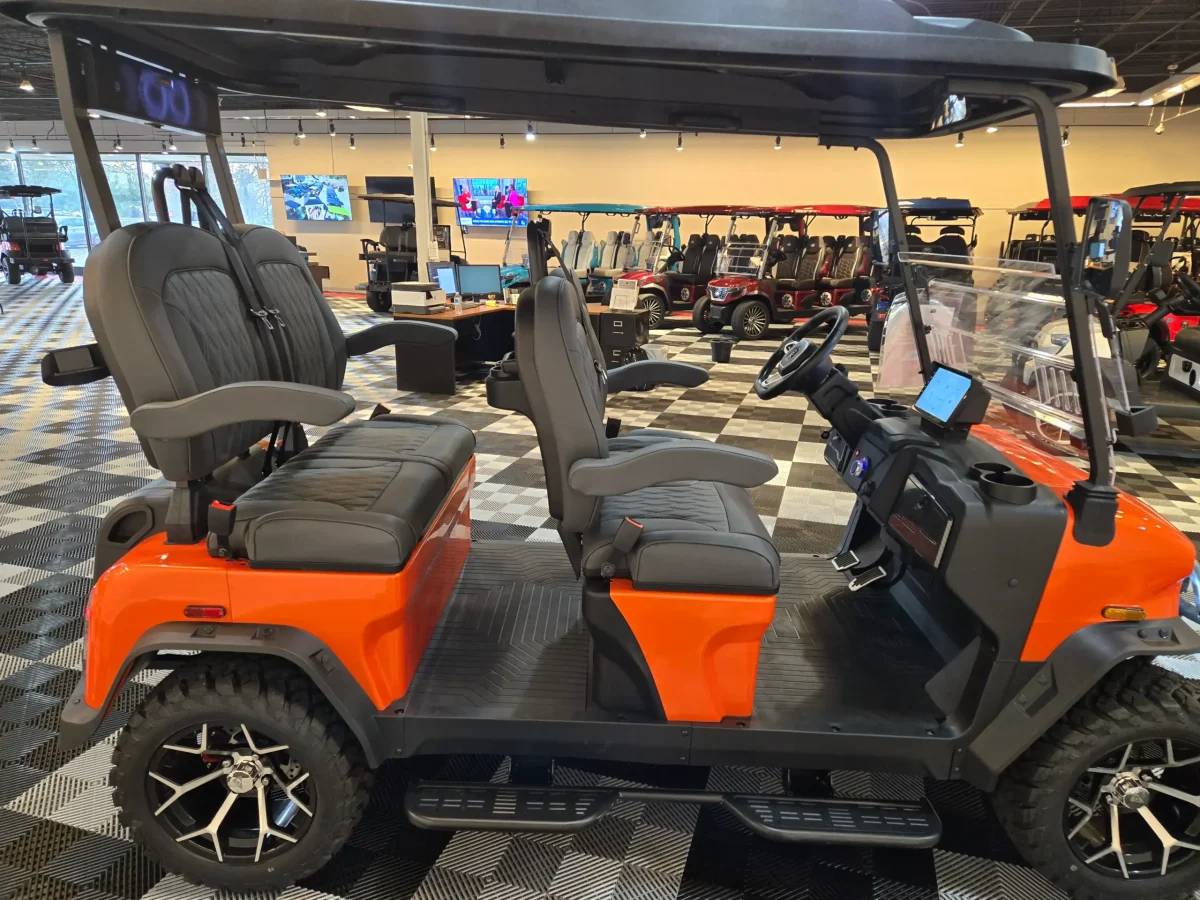
Four passenger carts offer additional seating without making the entire vehicle dramatically bigger. Instead of widening the cart, many brands extend length slightly to accommodate the second row. This allows the cart to maintain a similar stance and width while offering more seating options. These carts often fall within the same general width range as two passenger models, but they may sit on the upper end of length ranges. This helps distribute passenger weight and keep the ride steady.
Despite the added seating, four passenger carts still work well in many storage and trail environments. As long as owners think about length ranges when planning garage space or trailer loading, these carts remain convenient and versatile. The balance between size and seating capacity makes them especially common in neighborhoods where families enjoy using their carts for daily travel.
Dimensions For Six Passenger Golf Carts
Six passenger carts represent the largest common category. These carts use extended frames and longer platforms to provide seating across multiple rows. Even though their width often stays within the normal golf cart range, their length can reach the top of typical ranges for safe balance and passenger comfort. The extended wheelbase offers stability, but owners need to consider whether their storage areas or trailers comfortably match these lengths.
These carts work particularly well for resorts, large properties, or family groups that travel together. Even though the length increases, most models still respect the general ranges expected of golf carts. This means the cart feels familiar to drive but delivers significantly more capacity. Since six passenger carts add height more visibly when modified, owners benefit from choosing lift and tire options that remain within reasonable limits for their garage and daily use.
How Lift Kits Affect Golf Cart Dimensions
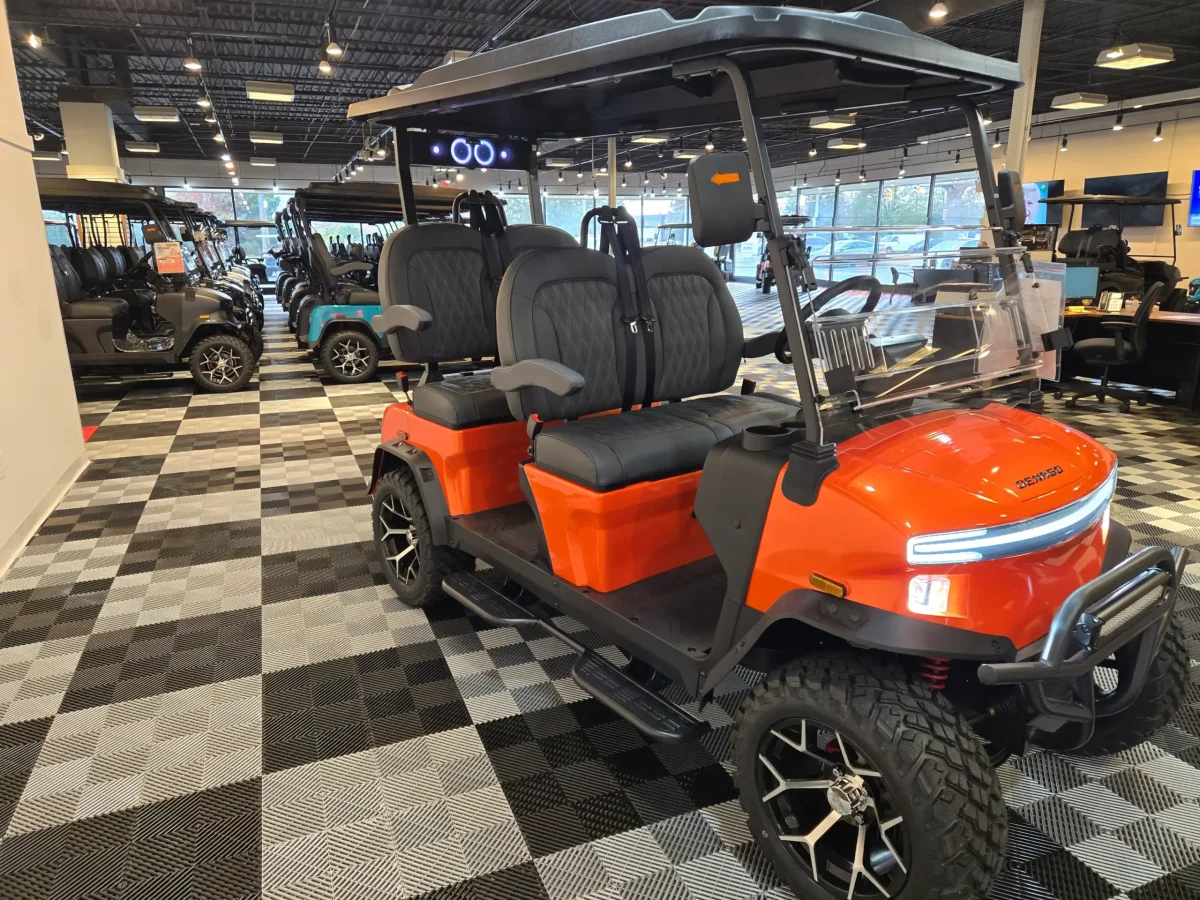
Lift kits provide increased ground clearance and a more commanding stance, but they also influence height and sometimes width. Larger tires used with lift kits often extend outward more than standard ones, which can change how the cart fits through gates or onto trailers. Many lift packages stay within acceptable ranges, but owners should keep the potential changes in mind when planning storage. Lifted carts can still work well in daily environments as long as height clearance and trailer width fit safely.
Some owners choose moderate lift kits to preserve usability while enjoying a more rugged appearance. Others prefer taller lifts for off road travel, which can increase overall height more noticeably. Thinking in terms of ranges instead of fixed numbers helps buyers evaluate whether a lifted cart still suits their space. This approach avoids misunderstandings and keeps expectations realistic before any modifications are made.
The Role Of Tires In Golf Cart Dimensions
Tire size influences more than just appearance. Wider or taller tires can affect the cart’s width and height, even if the body remains unchanged. Many carts fall into predictable width and height ranges when using standard tires. When owners upgrade to off road or street performance tires, they sometimes add inches that matter for clearance. This is why tire choice should be considered part of the overall dimension planning rather than an isolated decision.
Manufacturers often design their carts with enough spacing to accommodate various tire types without major issues. Even so, accessories like fender flares or mud guards can extend width slightly. Thinking in terms of typical ranges allows these small changes to be absorbed naturally as part of the cart’s flexibility. Owners get the freedom to personalize their cart while still understanding how general dimensions apply to their setup.
How Accessories Influence Dimensions
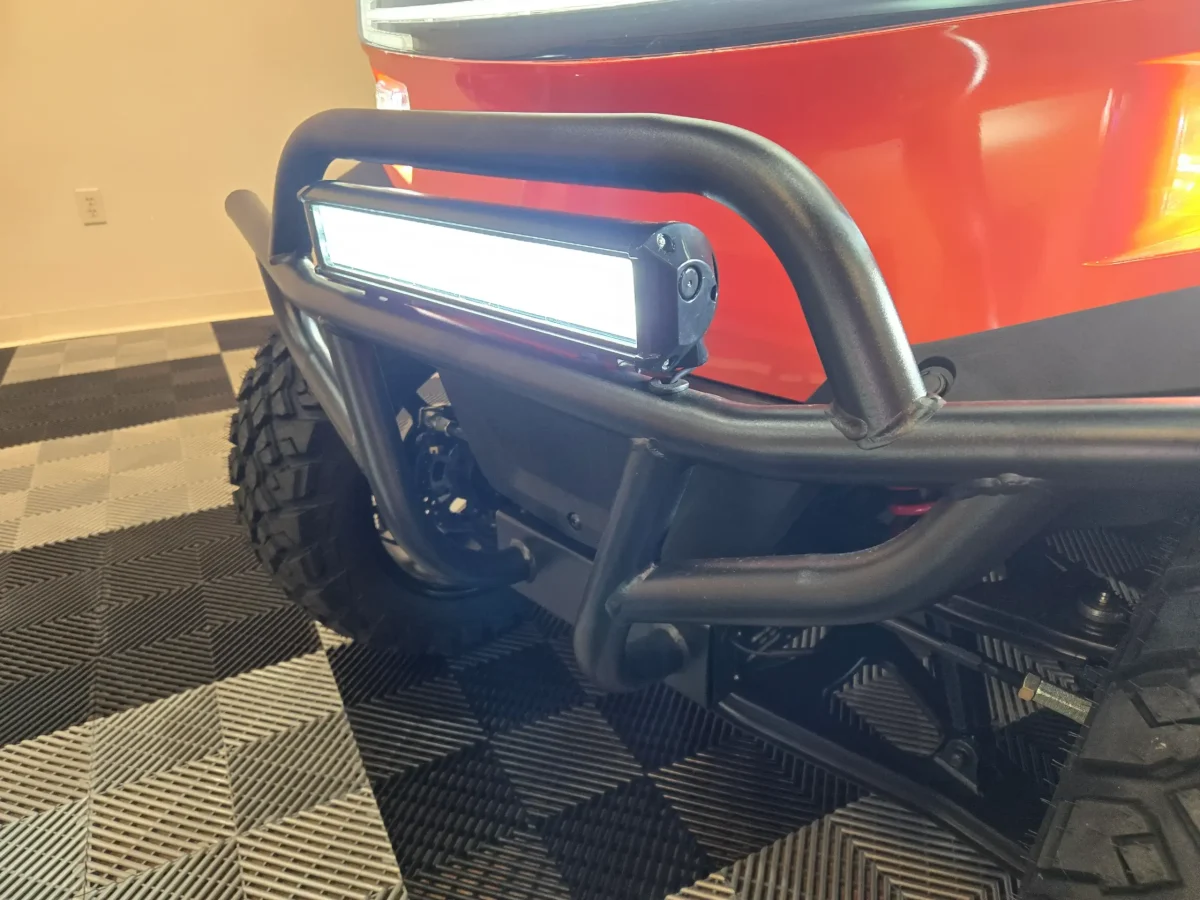
Roof racks, side steps, custom seating, and rear cargo boxes can add length, width, or height in small ways. These additions rarely push a golf cart far beyond normal ranges, but they can make a difference in tight storage spaces or narrow pathways. Owners who plan to use several bolt on accessories benefit from measuring the widest or tallest points of the final setup. This ensures that everything fits comfortably inside garages and sheds.
The appeal of accessories is that they customize the cart to match personal needs. Some owners add coolers or small storage boxes that only affect length slightly. Others choose overhead racks that raise height by varying amounts. All these changes remain manageable when the owner works within flexible ranges instead of expecting the cart to match a narrow measurement target.
Why Dimension Ranges Provide Better Guidance
Dimension ranges offer more reliable information than rigid figures. Since golf carts vary even within the same brand and model group, using flexible ranges avoids the risk of misleading buyers. Instead of expecting every cart to match one number, owners can prepare their spaces based on the general footprint that most carts share. This leads to smoother delivery experiences and better long term satisfaction.
Ranges also make research easier. Shoppers can explore different models and trust that the general dimension expectations remain consistent enough to guide their decisions. This keeps the shopping process practical and helps buyers match their cart to their lifestyle. When the time comes to make a final selection, the dealer provides the precise numbers for that specific configuration.
Conclusion
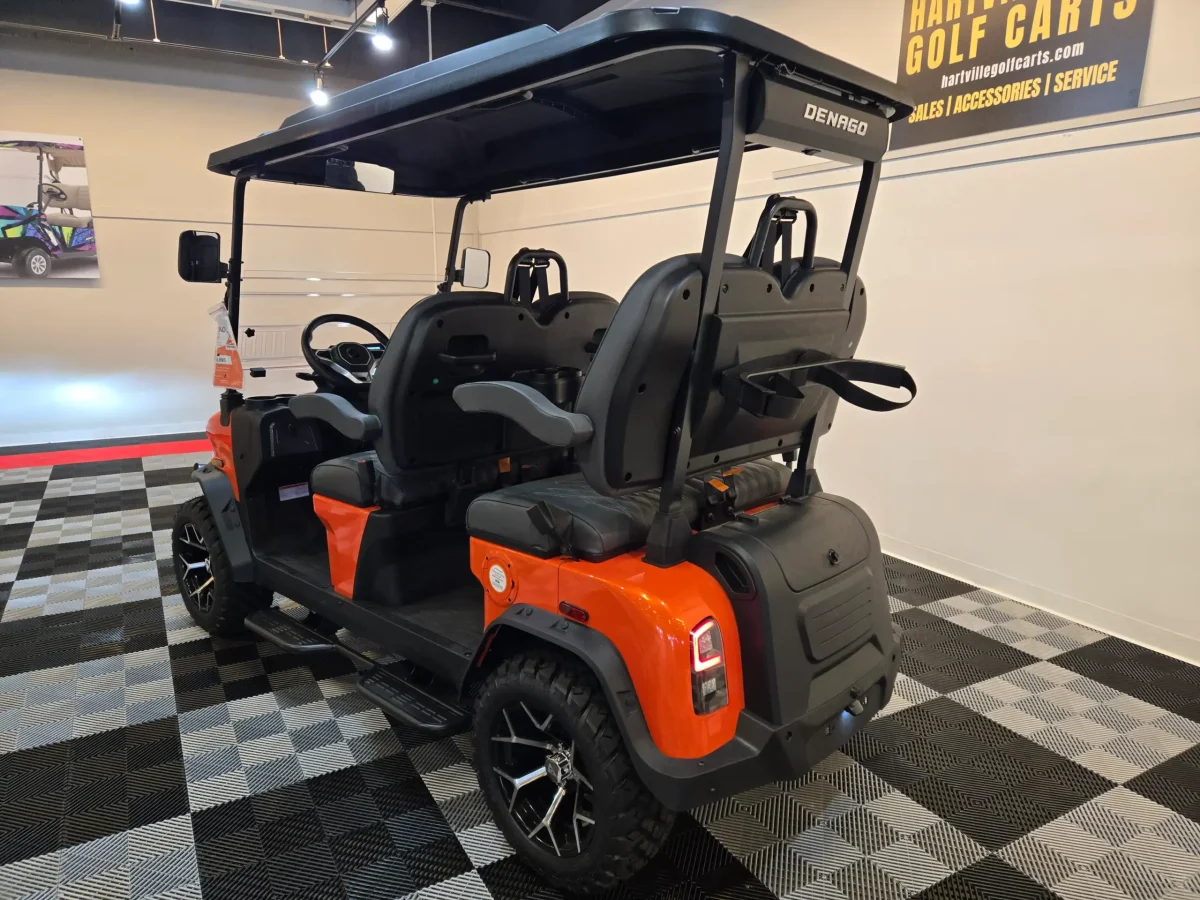
Golf cart dimensions vary across brands and seating layouts, but most carts fall into familiar width, length, and height ranges that work well for garages, trailers, and driveways. Thinking in terms of ranges gives owners accurate guidance without relying on strict measurements. When you are ready to compare specific models and confirm exact dimensions for the cart you want, the team at Hartville Golf Carts can help you choose a design that fits your space, comfort needs, and daily use.