
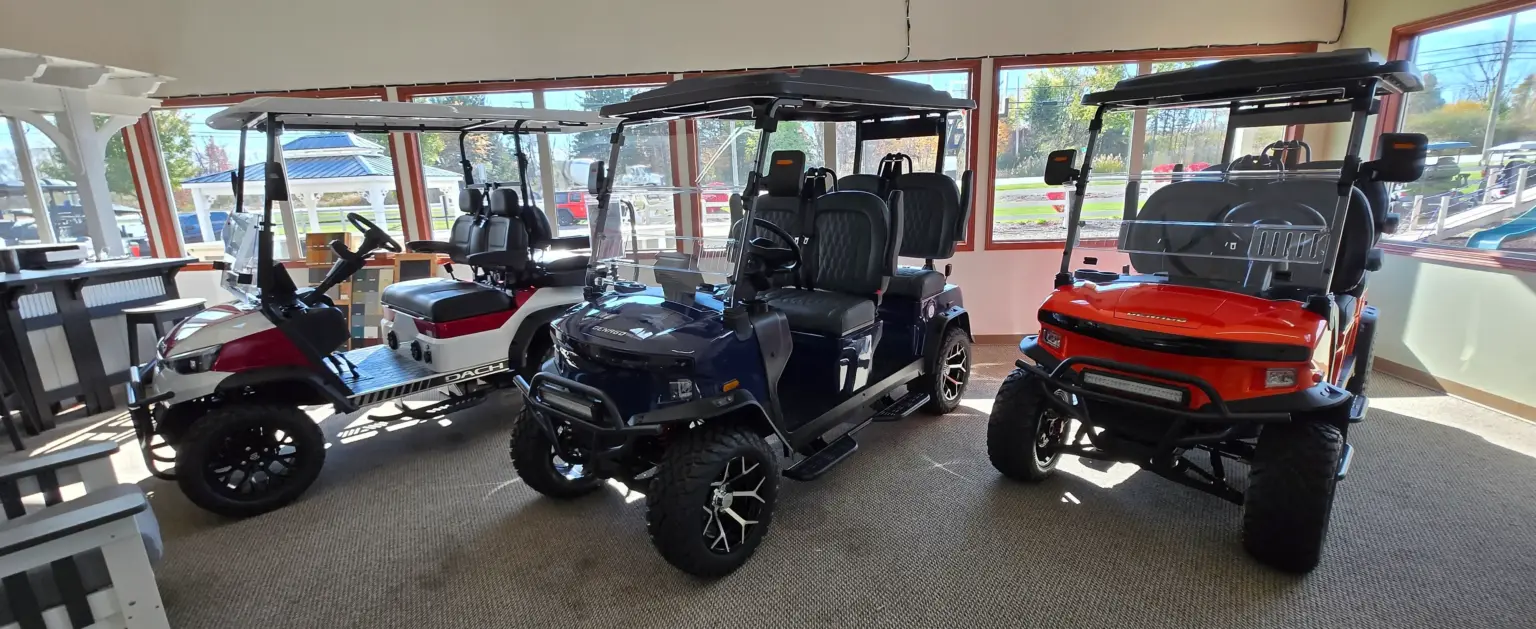
Many people want to know how wide a standard golf cart is before they decide where to store it or how they plan to transport it. The question sounds simple, but golf carts do not follow one exact width. Each brand builds carts with different frame shapes, tire sizes, and seat layouts. Because of this, the most accurate way to explain width is through general ranges instead of one strict number. This approach keeps the information useful for all models, since it avoids locking buyers into a measurement that may not match their cart.
Thinking in ranges also helps owners prepare for real world situations. A garage, shed, or trailer often has a few tight spots that matter more than the overall space. When buyers understand typical width ranges, they can plan ahead and avoid surprises on delivery day. This creates an easier shopping experience and a smoother transition from choosing a cart to driving it at home.
Why Width Matters When Buying a Golf Cart
Width affects where you can drive a golf cart and where you can store it. A cart that fits easily into a garage or shed saves time and prevents the frustration of trying to squeeze it into a tight space. A cart that stays within common width ranges also fits on most trailers used for transport. These simple factors make width one of the most practical details buyers consider before purchasing.
Width also plays a role in how stable the cart feels on the road. A cart within a balanced width range handles turns with more confidence and feels comfortable on sloped paths. Manufacturers design their carts around widths that help keep riders secure, so staying within standard ranges improves the overall driving experience.
General Width Ranges for Standard Golf Carts
Most two seat golf carts fall into a typical width range of about four to five feet. This includes the wheels, which often extend slightly farther than the body. These numbers work across many brands and help owners get a sense of how much room they need. Some models sit on the wider end of the range for a more stable stance, while others stay compact to fit narrow paths or storage locations. Because manufacturers design carts with different purposes in mind, using a range instead of a single number keeps the information reliable.
Four passenger carts usually fall in a similar range, although some models use slightly wider seats or different body shapes. Rear seat kits also influence the overall feel of the cart, even if they do not add much width. Owners who plan to carry several passengers should expect a cart that feels a little larger, but still within a manageable range for most garages, trailers, and community paths.
Seating Capacity and How It Influences Width
Two seat carts usually offer the narrowest stance because they cater to simple transport and golf course travel. These carts focus on easy maneuvering and smooth handling. They fit well in driveways, sheds, and standard garage spaces. The design centers on keeping the cart light, compact, and easy to control.
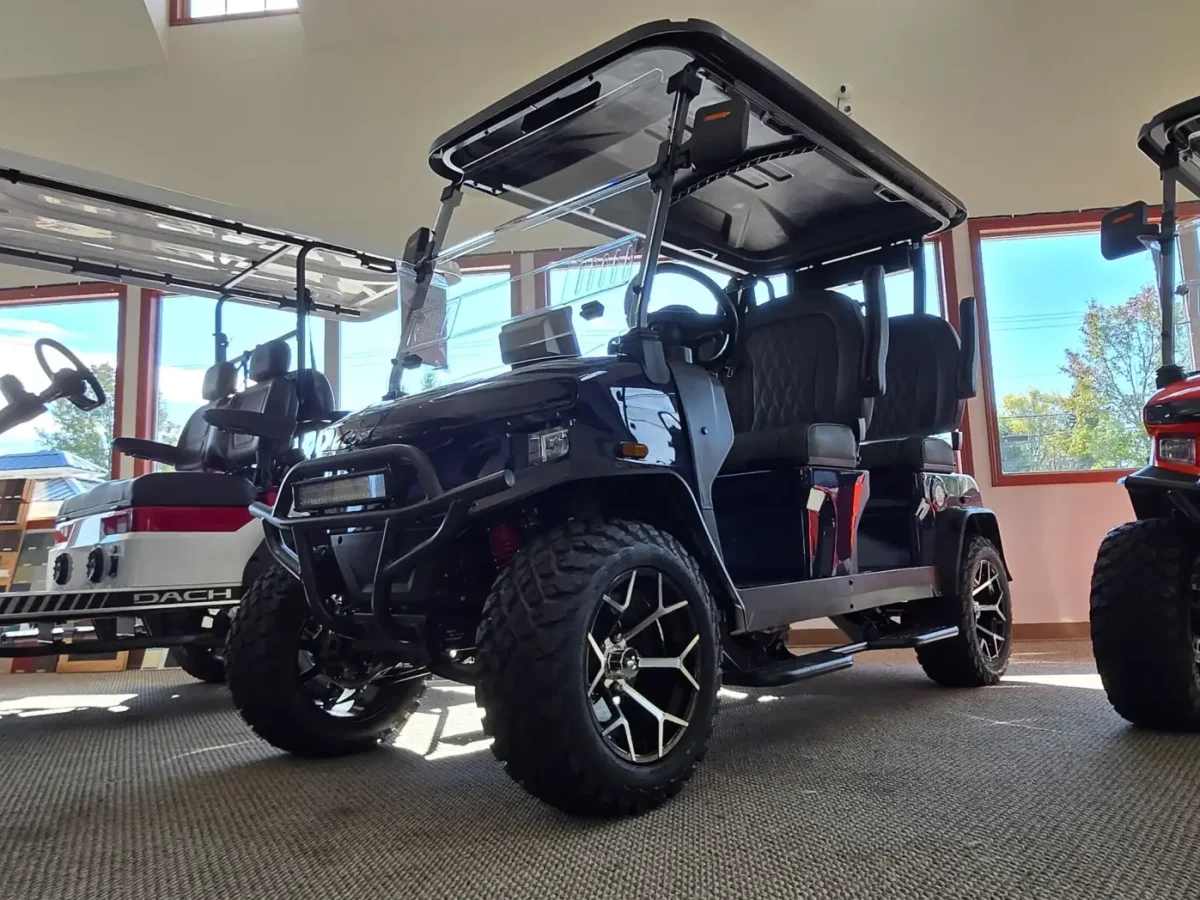
Four seat carts provide more room for families and neighborhood travel. While the seats increase capacity, the main frame still stays close to the common width ranges used for two seat models. Manufacturers often create these carts with sturdy frames that carry more weight without making the body too wide. This helps the cart stay practical without taking up more space than necessary.
Width Ranges Matter More Than Exact Numbers
Golf carts come from several brands, and each brand uses its own frame and body shape. This makes it almost impossible to give one exact measurement that fits every cart. Using range based guidance helps buyers stay informed while avoiding incorrect assumptions. As long as a buyer understands that a standard cart usually sits within a predictable range, they can make smart plans for storage and transport without relying on a single fixed figure.
Ranges also leave room for personal customization. Owners often add lights, mirrors, seat upgrades, or wheel accessories. These changes can shift the width slightly. Thinking in ranges allows flexibility for those upgrades without causing sizing issues.

How Wheels and Tires Affect Overall Width
Wheels and tires create some of the most noticeable width changes. A stock tire usually sits tight to the frame, but wide tires extend outward and increase the overall footprint. Even a small change in tire width can add several inches to the total measurement. Buyers who want a sporty or lifted cart should keep this in mind while planning storage space.
Wheels with different offsets can also affect width. An outward offset pushes the wheel farther away from the body. This can help stability and handling, but it adds to the measured width. Accessories like fender flares or side steps contribute as well. This is why buyers should confirm width after customizing a cart rather than before.
Paths, Community Lanes, and Space Restrictions
Many neighborhoods and private communities allow golf carts on designated paths and shared lanes. These areas are built with typical golf cart width ranges in mind. A cart that fits within the common four to five foot range usually travels safely without scraping posts or edging onto the grass. When buyers stick with standard sized models, they avoid issues on narrow pathways.
Some communities also classify golf carts and similar vehicles under general transportation categories. While they may not list exact width requirements, they encourage carts that match the size of typical low speed vehicles. You can view broad transportation classifications on the United States Department of Transportation website. This helps owners understand why most carts stay within similar width ranges across different brands.
How to Measure Width in a Simple Way
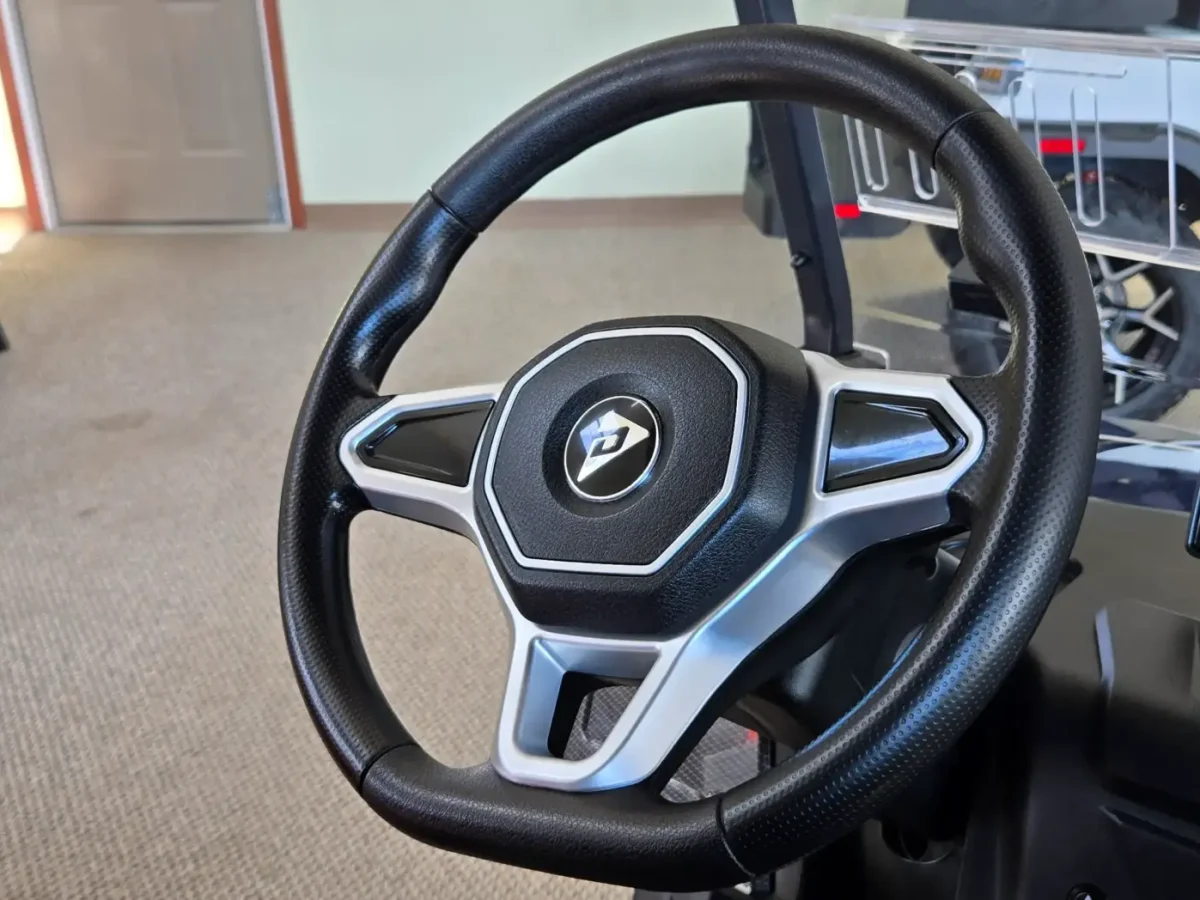
Measuring a golf cart is easy. The most accurate method is to measure from the outside edge of one tire to the outside edge of the opposite tire. This tells owners how much ground the cart covers. It also helps determine if the cart fits on a trailer, in a garage, or through a gate.
Some people prefer to measure the widest point of the body instead of the tires. That also works, as long as the same method is used consistently. No matter which method someone chooses, keeping the measurement simple helps buyers compare carts and spaces with confidence.
An Example of a Modern Electric Golf Cart
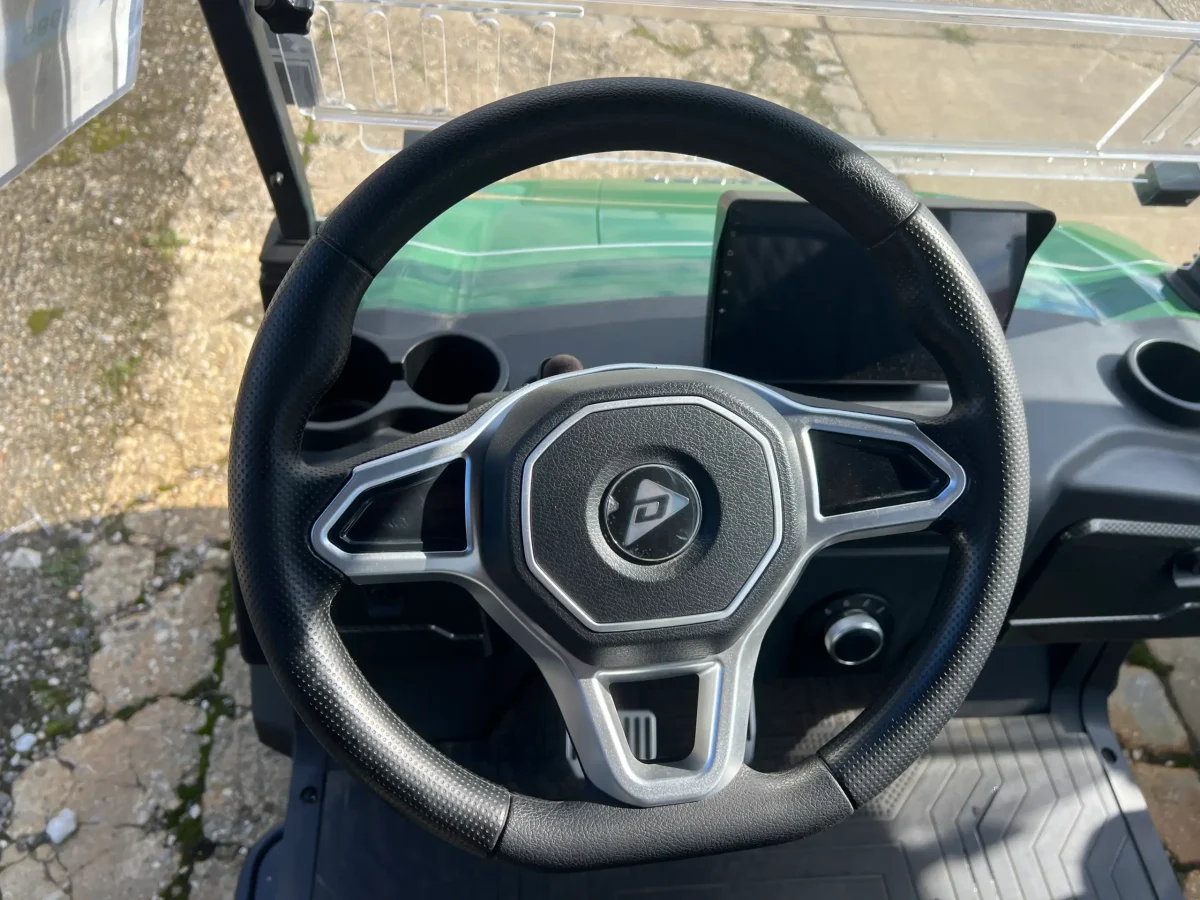
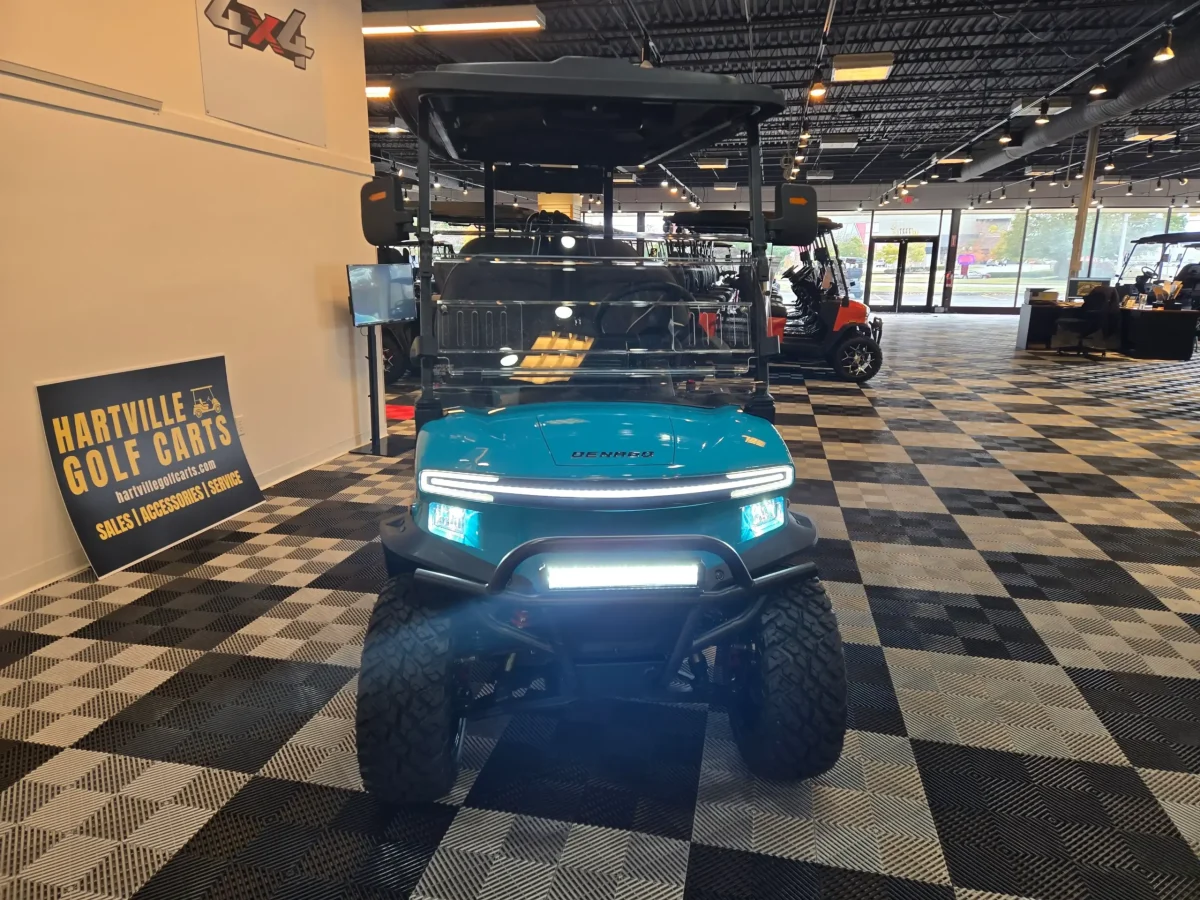
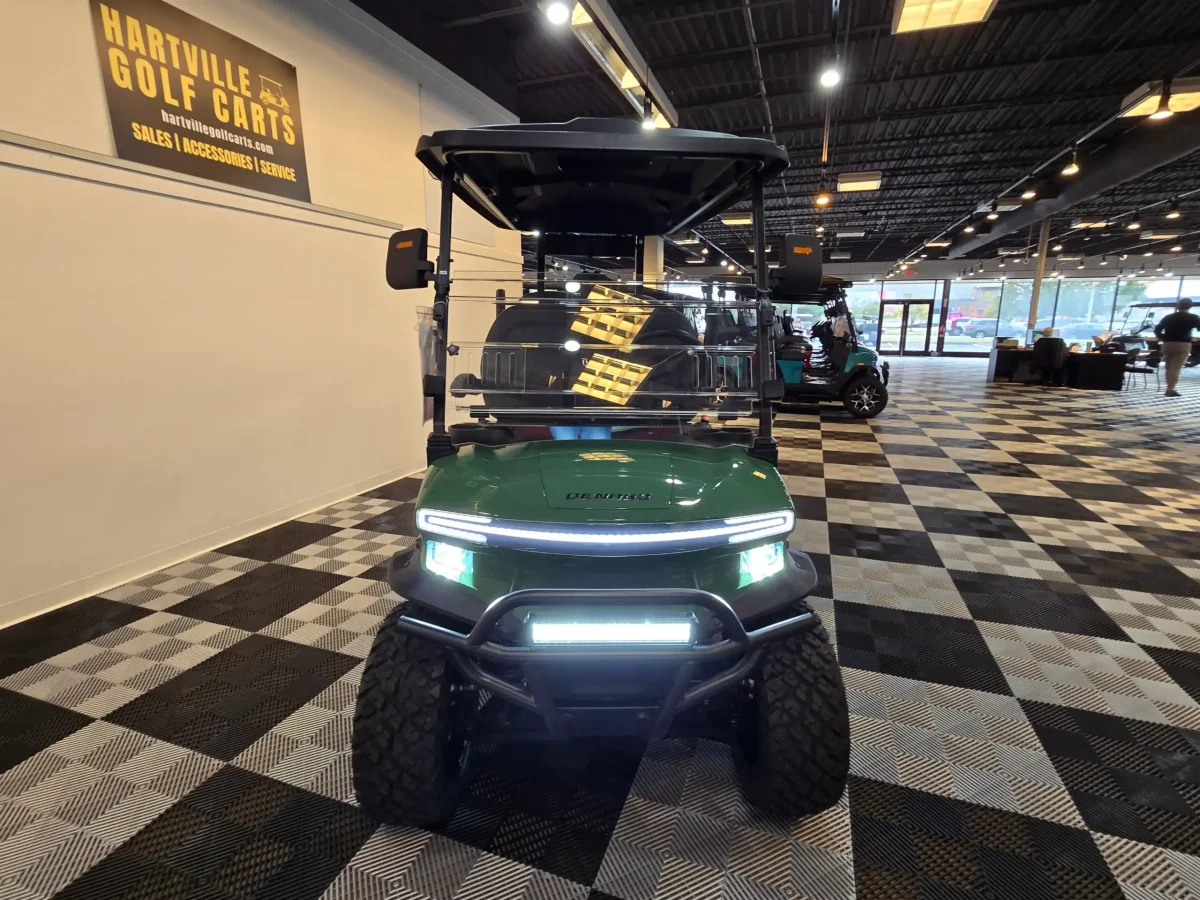
Electric carts like the Denago Rover XL sit comfortably within the typical width range for modern electric models. They offer a stable stance, smooth performance, and a practical size for storage and transport. Their width feels balanced, which makes them popular in neighborhoods and private communities. Many buyers appreciate electric carts because they combine quiet operation with strong everyday usability.
Modern electric carts often use advanced frames and suspension setups that keep the width practical without losing comfort. This allows families to use carts daily without worrying about whether the cart will fit in a garage or on a trailer. The sizes work well for most storage situations and driving environments, which reduces stress for first time buyers.
Garage Storage and Home Parking
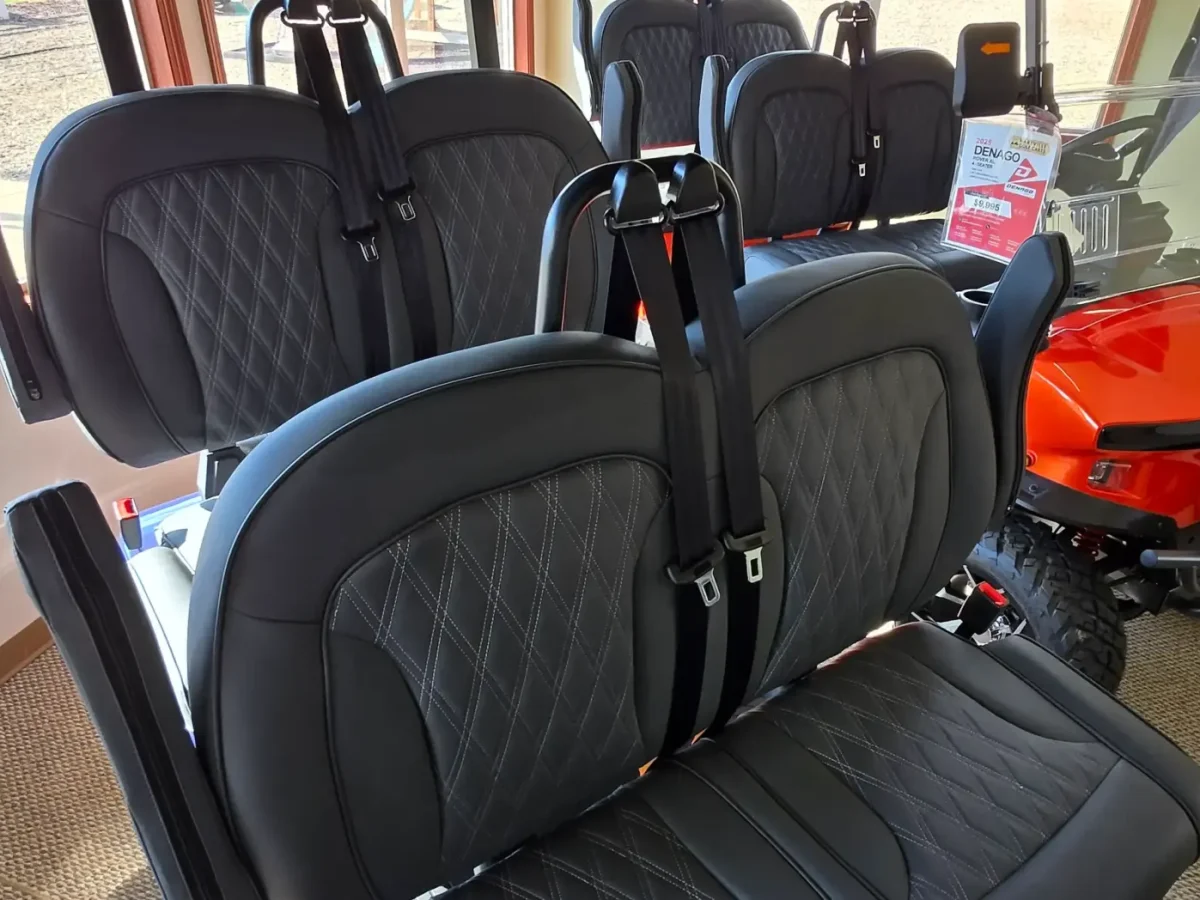
Garage space is one of the most common reasons buyers ask about width. A typical garage can handle a standard golf cart, but tight spots such as shelving, tools, or parked cars can reduce the usable area. Measuring the narrowest point of the space helps owners plan ahead. When a garage offers a clear width that exceeds the common ranges, the cart should fit comfortably.
Outdoor sheds, carports, or covered parking areas also play a role in planning. Some storage structures include support posts or built in cabinets. These features shrink the available width even if the overall structure appears wide. Using the general width range as a guide helps owners plan their setup and avoid any inconvenience during the first week of ownership.
Transporting a Golf Cart on Trailers or Ramps
Transporting a golf cart often requires a utility trailer or set of ramps. Width affects how easily the cart loads onto the trailer. A cart that fits well inside the trailer bed gives the driver room to maneuver without causing stress. When a cart sits close to the edge of the trailer, loading can feel tight and requires more control.
Owners who plan to transport their carts frequently should choose a trailer that clearly exceeds the cart’s width range. This allows the cart to stay centered during transport and gives extra room for tie down equipment. Using general ranges during the shopping stage helps owners choose a trailer that works for several cart styles.
Why Final Width Measurements Should Come From the Dealer
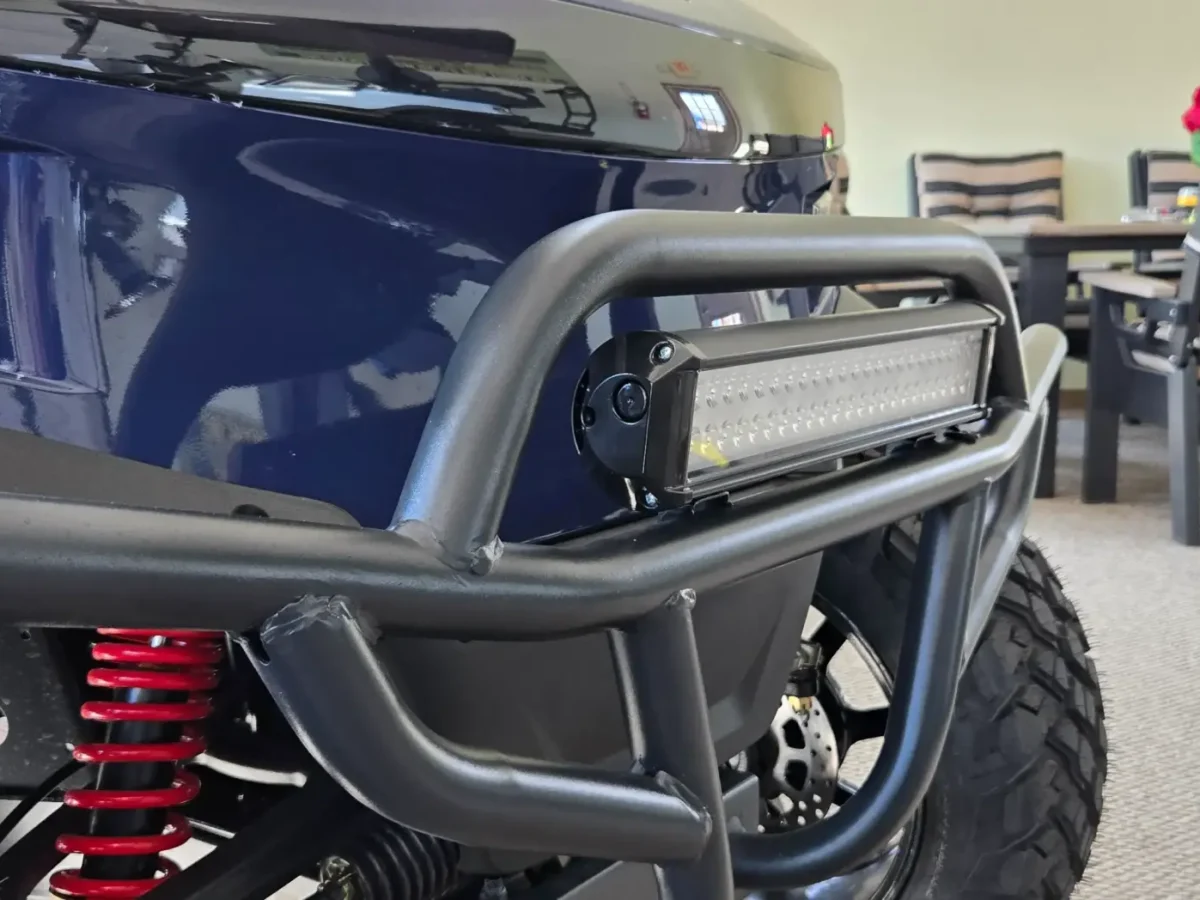
Because every brand builds carts differently, the most accurate width measurements should always come from the dealer. Dealers have exact specifications for each model, including details for upgraded tires, seats, and accessories. This ensures buyers receive the correct measurement for their specific cart, not just an average number. Dealers can also help owners understand how upgrades or modifications influence final width.
Conclusion
Standard golf carts do not follow one exact width, but most of them fall into a clear range that works well for storage, transport, and everyday travel. Using ranges instead of strict numbers keeps information accurate across several brands and body styles. When buyers want final measurements for a specific model, the team at Hartville Golf Carts can provide exact details and help match each cart to the spaces and paths it will use every day.