
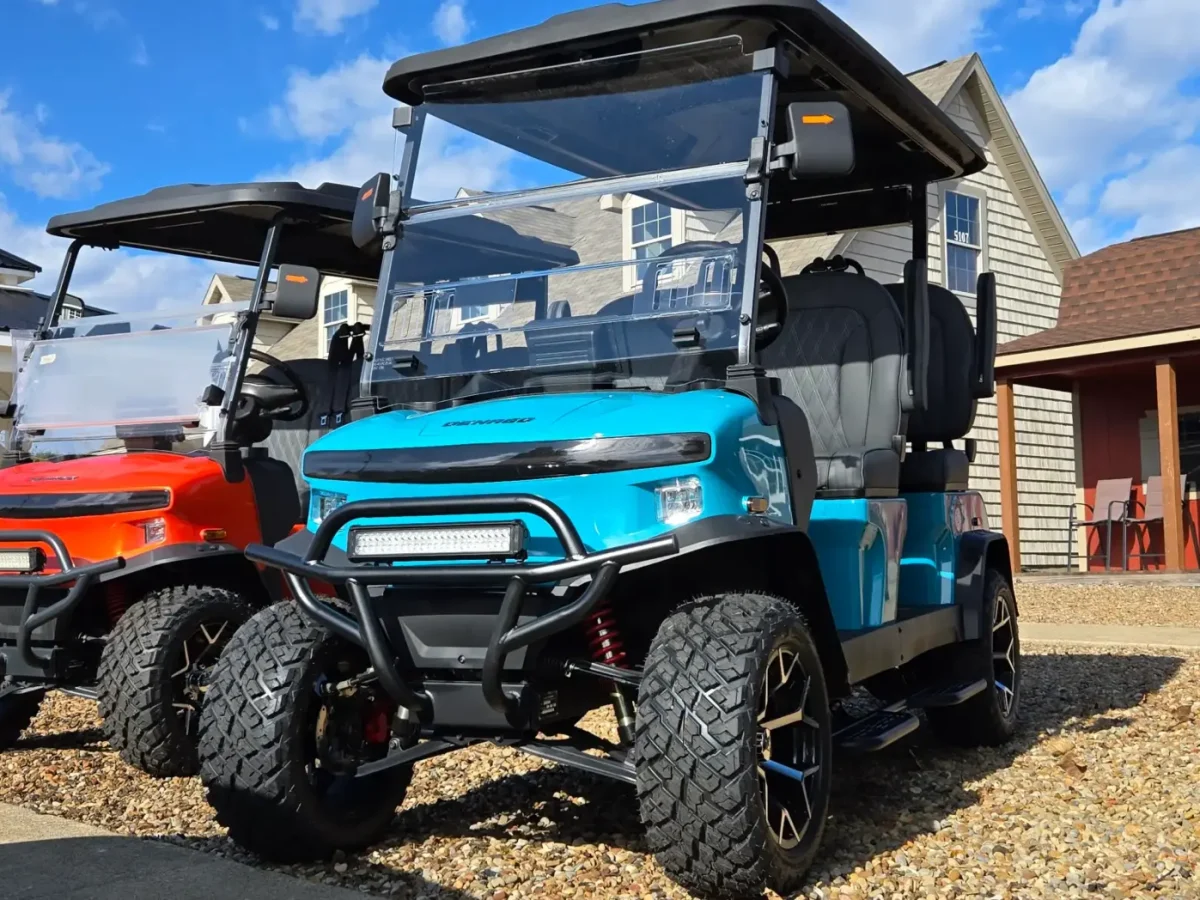
Many vehicle owners ask does cold weather affect batteries when temperatures begin to drop and performance feels different than usual. This question applies to cars, golf carts, and other battery-powered vehicles that rely on stored electrical energy to operate. Cold weather does not damage batteries outright, but it does change how they behave and how efficiently they deliver power. Understanding what happens to batteries in colder conditions helps owners set realistic expectations, plan usage, and make better decisions about storage and care during winter months.
Why temperature matters
Batteries rely on chemical reactions to produce electrical energy. Temperature directly affects how quickly and efficiently those reactions occur. In warmer conditions, chemical activity inside the battery flows more easily, allowing energy to move freely. In cold weather, these reactions slow down, which reduces the amount of usable power available at any given time. This slowdown explains why battery-powered vehicles may feel weaker or less responsive in cold conditions. The battery itself remains intact, but its ability to deliver energy temporarily declines until temperatures rise again.
How cold reduces battery performance
Cold weather affects batteries by increasing internal resistance. When resistance rises, the battery must work harder to deliver the same amount of power. This leads to reduced voltage output under load, which can make motors feel sluggish or reduce overall range. The effect becomes more noticeable as temperatures drop further. While the battery still holds a charge, accessing that energy becomes less efficient. This behavior is normal and reversible, meaning performance usually improves once the battery warms up.
Lead-acid batteries in cold weather
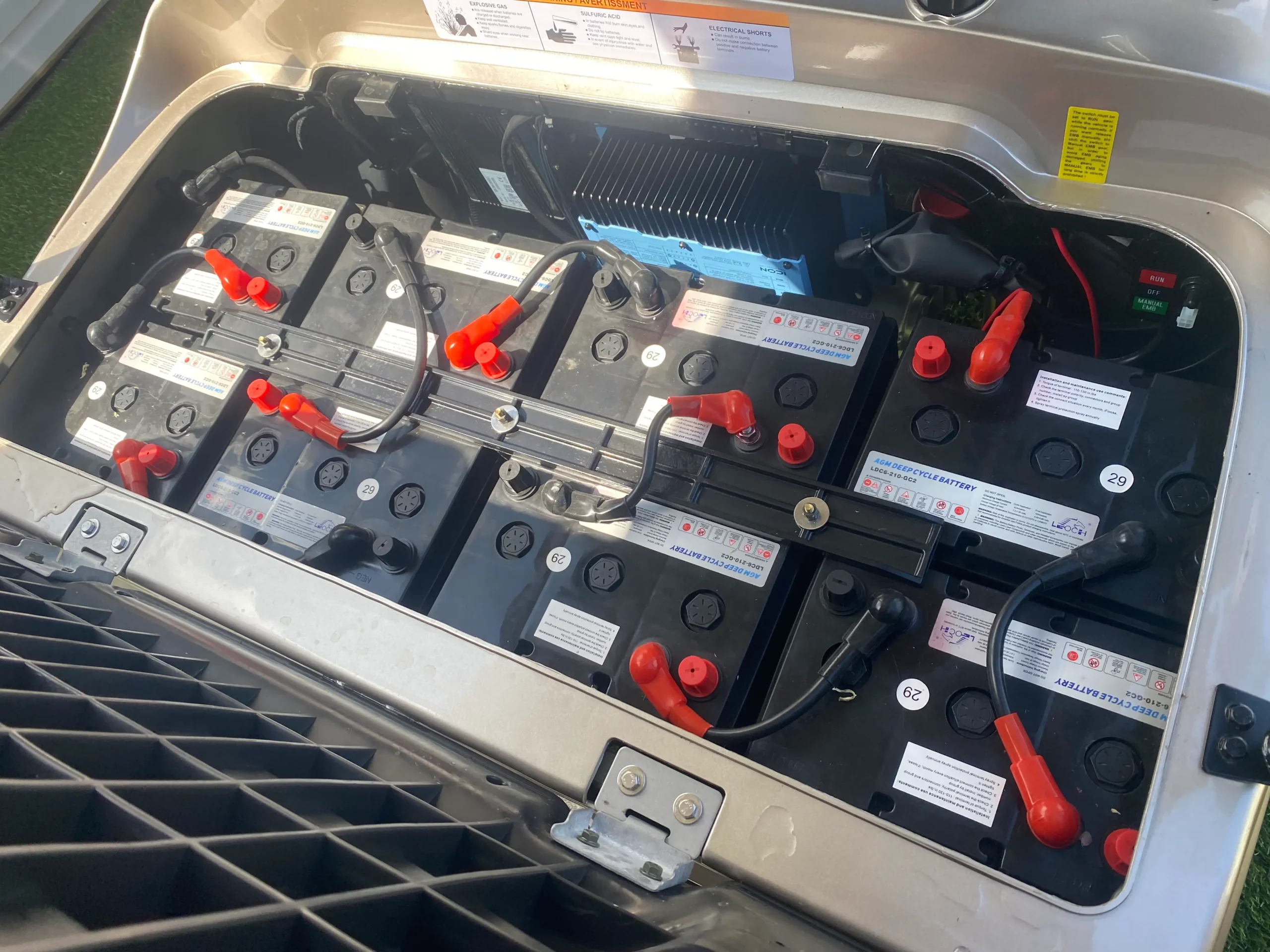
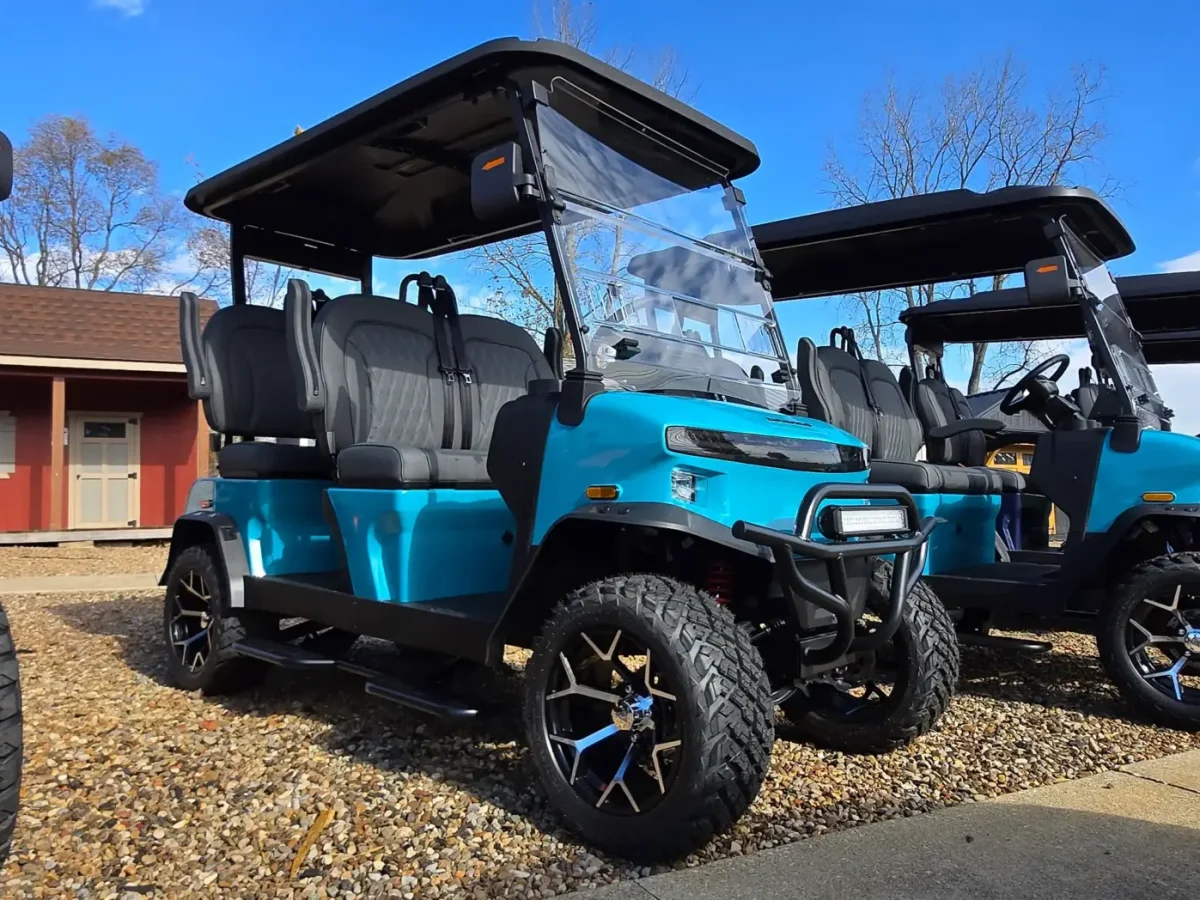
Lead-acid batteries experience noticeable performance changes in cold conditions. As temperatures fall, chemical reactions slow, reducing available capacity. A lead-acid battery that performs well in warm weather may deliver significantly less usable energy in winter. This does not mean the battery is failing. It simply reflects the chemistry involved. Cold weather may also increase the time required to recharge lead-acid batteries fully. Proper charging habits and storage help mitigate these effects.
Lithium batteries and cold temperatures
Lithium batteries respond differently to cold weather than lead-acid batteries. While lithium systems also experience reduced performance in cold temperatures, they generally maintain voltage more consistently. Many modern lithium batteries include internal management systems that protect the cells from damage. These systems may limit charging or output temporarily until the battery warms up. This protection helps preserve long-term battery health and prevents permanent damage.
Cold weather and battery range
One of the most noticeable effects of cold weather on batteries is reduced driving range. Because batteries deliver energy less efficiently in cold conditions, vehicles may not travel as far on a single charge. Accessories such as heaters, lights, or defrosters also draw additional power, further reducing range. This reduction does not indicate battery degradation. It reflects temporary environmental conditions. Once temperatures rise, normal range typically returns.
Battery charging in cold conditions
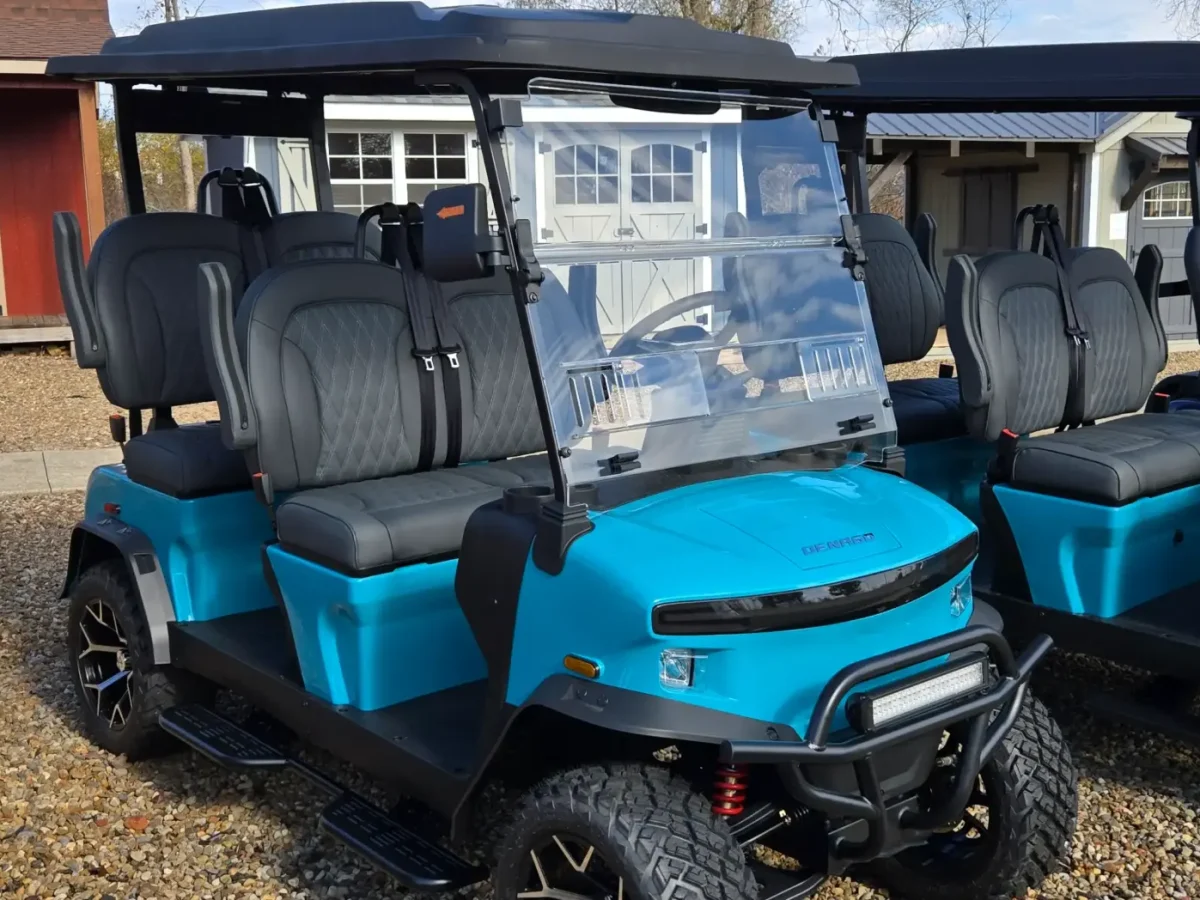
Charging batteries in cold weather requires additional attention. Cold temperatures slow chemical reactions, which can extend charging time. Charging a very cold battery may also stress internal components, particularly in lithium systems. Many battery manufacturers recommend charging batteries in moderate temperatures whenever possible. Allowing the battery to warm up before charging improves efficiency and supports long-term health.
Does cold weather damage batteries
Cold weather alone does not damage batteries. Damage typically occurs only when batteries are charged or discharged improperly at extreme temperatures. Freezing temperatures can cause electrolyte expansion in lead-acid batteries if they are not fully charged, which may lead to internal damage. Keeping batteries charged and stored properly prevents this issue. Lithium batteries include safeguards that reduce risk, making cold damage uncommon when used correctly.
Battery storage during winter
Proper storage plays a major role in protecting batteries during cold months. Storing batteries in a dry, temperature-controlled environment reduces exposure to extreme cold. Fully charging the battery before storage helps prevent freezing in lead-acid systems. Periodic maintenance charging keeps batteries healthy throughout extended storage periods. These steps help preserve capacity and performance.
Cold starts and power delivery
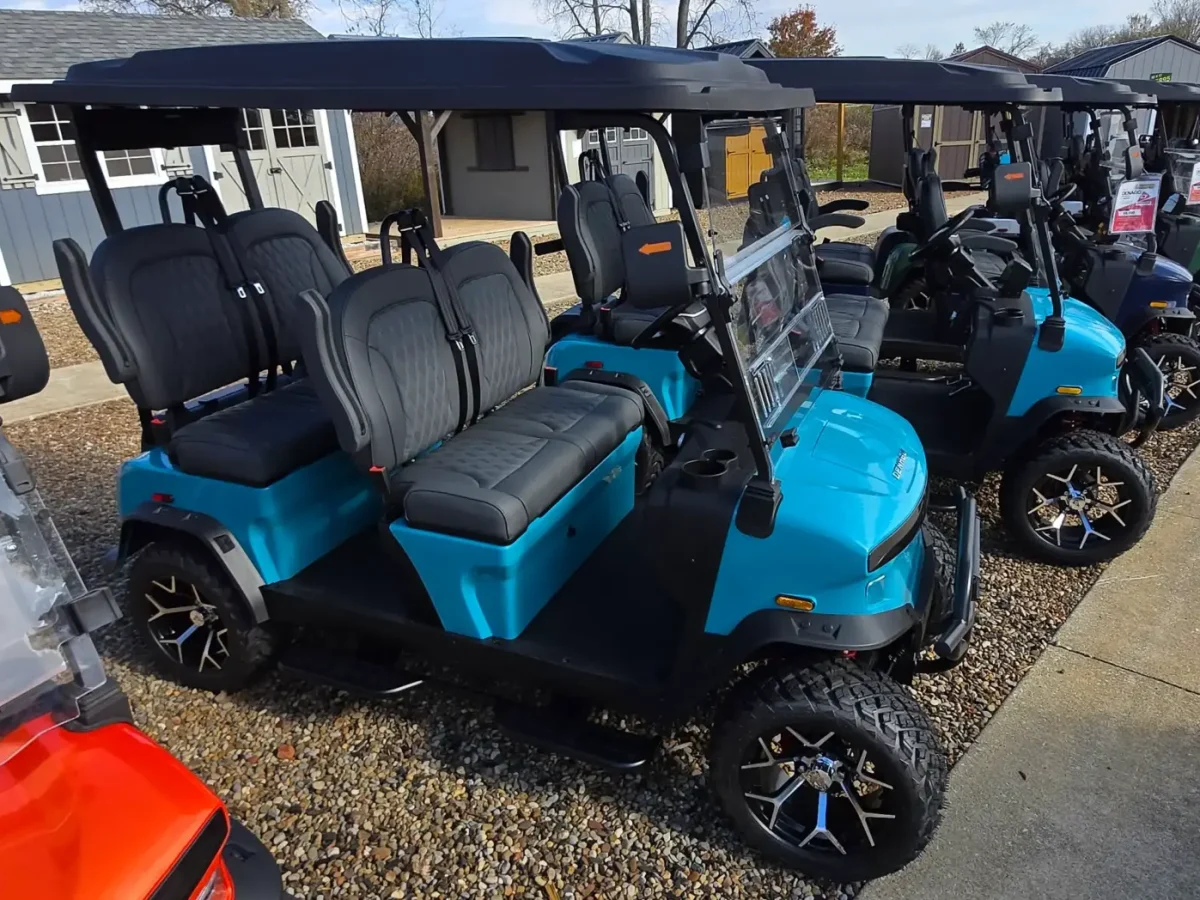
Cold weather may make initial startup feel slower for battery-powered vehicles. This happens because the battery delivers power less efficiently until it warms slightly through use. After a short period of operation, performance often improves as internal temperatures rise. This behavior is normal and does not indicate a mechanical or electrical problem.
Why batteries recover in warm weather
Battery performance typically rebounds when temperatures rise. Chemical reactions accelerate, resistance decreases, and energy flows more freely. This recovery explains why cold-weather performance issues often disappear in spring. Cold weather effects are usually temporary and reversible when proper care practices are followed.
Battery lifespan and winter use
Cold weather does not significantly shorten battery lifespan when batteries are maintained correctly. Poor charging habits, deep discharges, and neglect cause more damage than cold exposure alone. Batteries used thoughtfully in winter often last just as long as those used in warmer climates.
Planning winter use
Planning helps minimize cold-weather impact on batteries. Shorter trips, allowing warm-up time, and keeping batteries charged improve performance. Understanding realistic winter expectations prevents unnecessary concern and helps owners enjoy their vehicles year-round.
Cold weather myths
A common myth is that cold weather permanently ruins batteries. In reality, cold mainly affects short-term performance. Another misconception is that batteries should not be used in winter at all. With proper care, batteries function reliably even in cold conditions.
Energy science perspective
The science behind battery behavior in cold weather is well documented. According to the U.S. Department of Energy, temperature affects energy efficiency but does not permanently harm batteries when managed correctly. This understanding applies across electric vehicles and battery-powered equipment.
Cold weather and electric vehicles
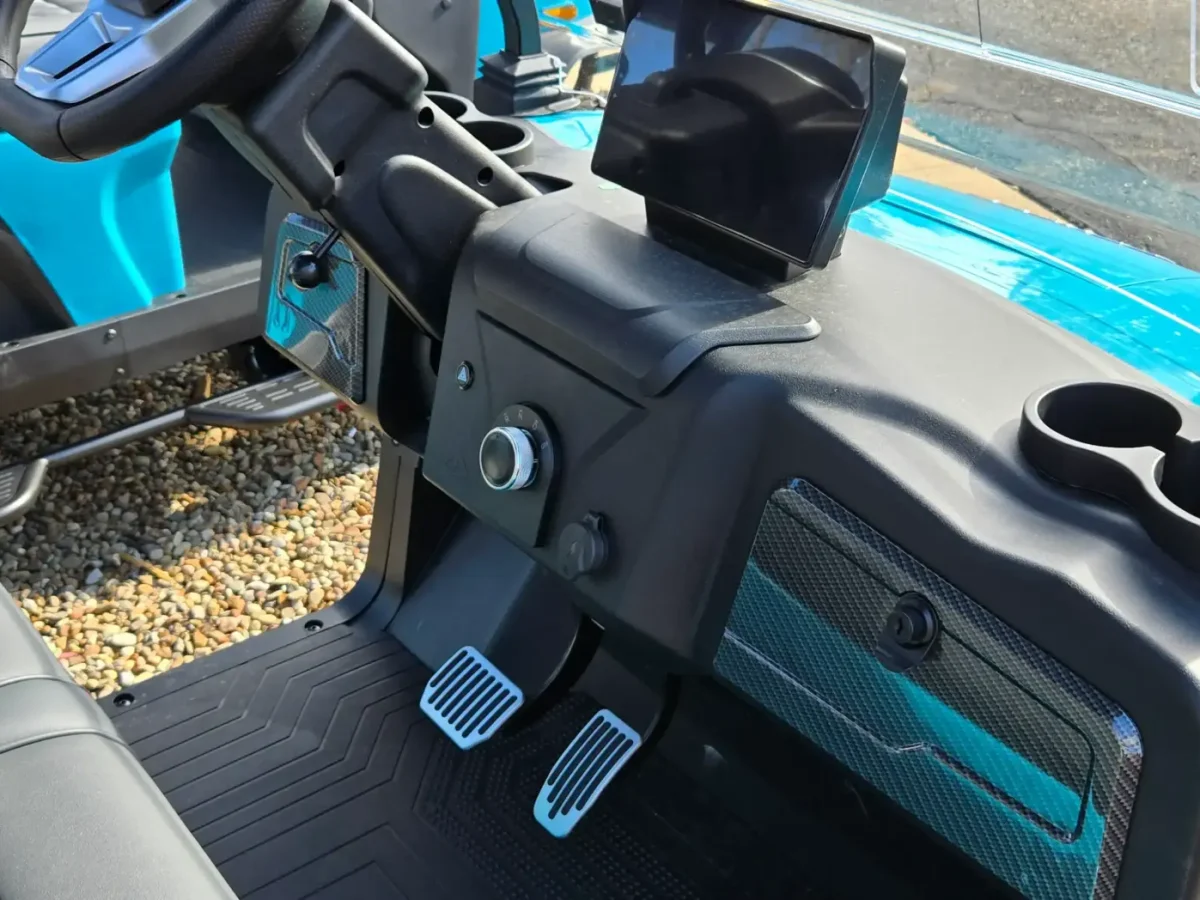
Electric vehicles, including golf carts, operate reliably in cold weather with proper preparation. Battery management systems, improved insulation, and modern charging technology support winter operation. Owners who understand battery behavior feel more confident using electric vehicles year-round.
Why battery powered vehicles remain practical
Battery-powered vehicles remain practical because cold-weather effects are predictable and manageable. Temporary performance changes do not outweigh the benefits of quiet operation, efficiency, and low operating costs. Proper care keeps batteries reliable across seasons.
Financing battery powered vehicles
Understanding battery behavior helps buyers feel confident investing in electric vehicles. Flexible purchasing options allow buyers to choose reliable models that suit their lifestyle. Exploring financing options can make ownership more accessible while supporting long-term satisfaction.
Conclusion
So, does cold weather affect batteries? Yes, cold temperatures temporarily reduce battery performance by slowing chemical reactions and increasing resistance, but they do not permanently damage batteries when proper care is taken. Performance typically improves as temperatures rise, and thoughtful storage, charging, and usage practices help preserve battery health. Battery-powered vehicles remain dependable and practical year-round when owners understand seasonal behavior. To learn more about electric golf carts and battery-powered options, visit the contact page and connect with Hartville Golf Car